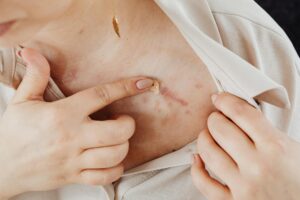
Depressed acne scars, often appearing as rolling, boxcar, or icepick indentations, affect millions and can linger long after active breakouts subside, impacting confidence and daily life. These atrophic scars result from collagen loss during the healing process of severe acne, leaving the skin uneven and textured.
Microneedling has emerged as a popular, minimally invasive treatment specifically targeting these depressions by stimulating the skin's natural repair mechanisms. In this article, readers will learn how microneedling works on a cellular level to rebuild collagen, the clinical evidence supporting its effectiveness for different scar types, and what to realistically expect from a treatment course. We'll cover the procedure's safety profile, ideal candidates, potential combinations with other therapies, and practical steps for incorporating it into a skincare routine focused on acne-prone skin.
Table of Contents
- How Does Microneedling Work on Depressed Acne Scars?
- What Does the Evidence Say About Effectiveness?
- Types of Depressed Acne Scars and Microneedling Response
- The Microneedling Procedure for Acne Scars
- Safety, Side Effects, and Who Should Avoid It
- How to Apply This
- Expert Tips
- Conclusion
- Frequently Asked Questions
How Does Microneedling Work on Depressed Acne Scars?
Microneedling, also known as collagen induction therapy, involves using a device with fine needles to create controlled micro-injuries in the skin's surface. These tiny punctures trigger the body's wound-healing response, prompting fibroblasts to produce new collagen and elastin, which gradually fill in depressed scars from within. For depressed acne scars, this process is particularly effective because it addresses the underlying collagen deficit without removing the top skin layer, unlike lasers.
Studies show significant increases in collagen types I, III, and VII after multiple sessions, leading to thicker dermis and smoother texture. The epidermis remains intact, minimizing risks and allowing quick recovery. Clinical trials confirm that after six sessions spaced monthly, patients see 51-60% improvement in scar appearance, with rolling and boxcar scars responding best—good to very good results—while icepick scars show moderate gains.
- Rolling scars, with their wavy edges, benefit from the even collagen remodeling across broader areas.
- Boxcar scars, sharper-edged depressions, fill out as new tissue elevates the base.
- Icepick scars, narrow and deep, improve modestly due to their vertical tethering.
What Does the Evidence Say About Effectiveness?
Multiple randomized controlled trials and systematic reviews affirm microneedling's efficacy for atrophic acne scars, with consistent improvements in scar depth, skin texture, and patient satisfaction across studies. One evaluation of 10 patients using a 1.5mm dermaroller over six sessions reported statistically significant enhancements (p<0.05), with 80-85% patient satisfaction at three months.
Histological analysis reveals increased collagen deposition and epidermal thickening, mirroring results from earlier research showing 40% epidermis growth and more elastic fibers. As monotherapy or combined with therapies like PRP or vitamin C, outcomes amplify, often exceeding 50% scar reduction after several treatments.
- All patients in key studies completed protocols without serious adverse effects, only transient redness resolving in 2-3 days.
- Darker skin tones tolerate it well, avoiding pigmentation risks of ablative lasers.
Types of Depressed Acne Scars and Microneedling Response
Depressed acne scars vary by shape and depth, influencing microneedling outcomes. Rolling scars respond robustly as the broad undulations smooth with collagen buildup; boxcar scars see good elevation of walled-off pits; icepick scars, punched-out and fibrotic, lag with only moderate softening.
Patient and physician assessments align, with three-month follow-ups showing good overall scar improvement and moderate texture gains. Factors like scar age and skin type play roles, but the procedure's gentleness suits most acne scar sufferers.
- Younger, superficial scars yield faster visible changes after fewer sessions.
- Combination approaches enhance results for resistant icepick types.

The Microneedling Procedure for Acne Scars
A typical session begins with cleansing and numbing cream application for 30-45 minutes, ensuring comfort during the 20-30 minute needling phase using a pen or roller (1.0-2.5mm depth for facial scars). The provider glides the device over scarred areas in multiple passes, then applies soothing serums.
Post-treatment, skin appears red and feels tight for 1-2 days, with pinpoint bleeding possible but rare. Full courses involve 4-6 sessions spaced 4-6 weeks apart, as collagen remodeling peaks over months. Costs range per session, but in-office settings keep it accessible compared to lasers.
Safety, Side Effects, and Who Should Avoid It
Microneedling boasts a strong safety record for acne scars, with side effects limited to temporary erythema, edema, and pinpoint scabbing that resolve quickly. No serious complications in reviewed studies, making it ideal for sensitive or thin skin.
It's contraindicated during active acne, keloid history, or blood disorders; consult a dermatologist for personalized screening. Safe across Fitzpatrick skin types, unlike some lasers.
How to Apply This
- Consult a board-certified dermatologist experienced in acne scarring to assess scar type and customize a plan.
- Schedule initial session after a gentle skincare prep: avoid retinoids and exfoliants for 5-7 days pre-treatment.
- Follow post-care: apply hyaluronic acid serum, broad-spectrum sunscreen daily, and moisturize gently for 48 hours.
- Commit to 4-6 sessions, tracking progress with photos, and maintain acne control with topicals like benzoyl peroxide.
Expert Tips
- Tip 1: Pair microneedling with topical vitamin C post-session to boost collagen synthesis and brighten acne-damaged skin.
- Tip 2: For optimal acne scar results, combine with subcision for tethered scars before needling.
- Tip 3: Use at-home LED light therapy between pro sessions to enhance healing and reduce inflammation.
- Tip 4: Prevent new scars by treating active acne promptly—microneedling excels on existing depressions, not prevention.
Conclusion
Microneedling offers a reliable path to fading depressed acne scars through proven collagen induction, delivering noticeable smoothing and boosted confidence with minimal downtime. Its adaptability to various skin types and scar morphologies positions it as a cornerstone in modern acne skincare protocols.
While not a one-session miracle, patience with a full course yields lasting remodeling, often superior when integrated with complementary therapies. For those scarred by past breakouts, this treatment bridges the gap to even-toned skin.
Frequently Asked Questions
How many microneedling sessions are needed for depressed acne scars?
Most patients require 4-6 sessions spaced 4-6 weeks apart for 50-60% improvement, with full collagen effects visible over 3-6 months.
Is microneedling painful for acne scar treatment?
Topical numbing makes it tolerable; patients report mild prickling, far less than ablative lasers.
Can microneedling worsen active acne?
No, but avoid during breakouts—treat active acne first to prevent new scars.
How long do microneedling results last for acne scars?
Results can persist 1-2 years with maintenance sessions and good skincare; collagen continues building post-treatment.