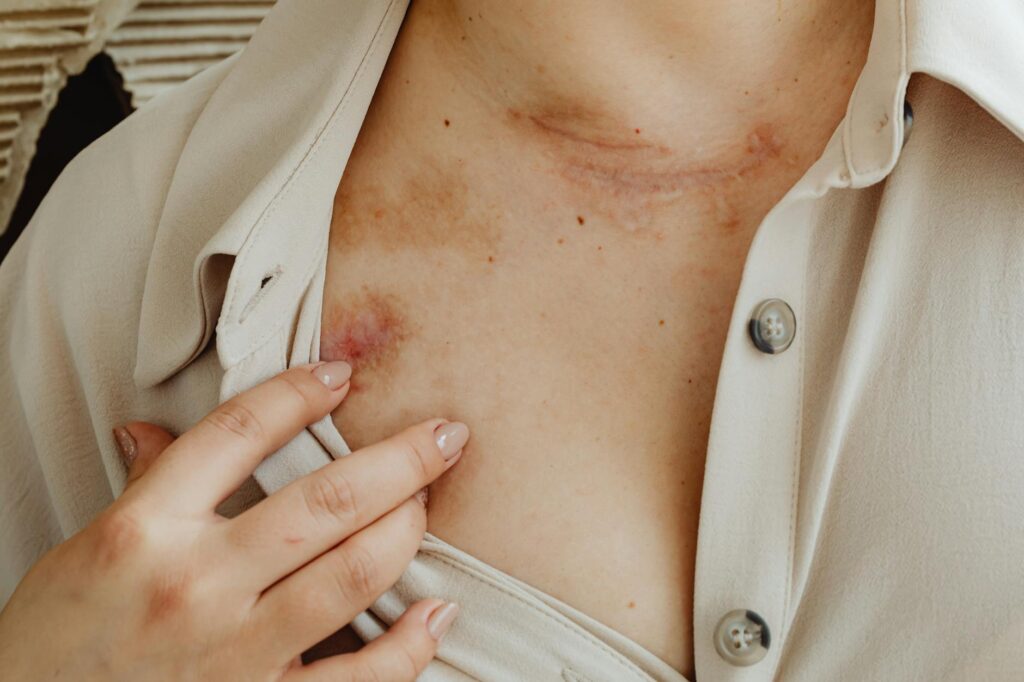
Medical tourism for acne scar treatment involves traveling to another country to receive dermatological procedures — such as laser resurfacing, chemical peels, microneedling, subcision, or filler injections — at a lower cost than what patients would pay domestically, particularly in the United States, Canada, or Western Europe. A typical journey includes researching clinics abroad, consulting remotely with a dermatologist or cosmetic surgeon, booking the procedure alongside travel and recovery accommodations, and then flying to the destination for treatment that may span one visit or multiple sessions over a week or two. For example, a patient in the US facing a quote of several thousand dollars for fractional CO2 laser resurfacing might find a board-certified dermatologist in South Korea, Thailand, or Mexico offering the same procedure at a fraction of the domestic price, often bundled with post-operative care and hotel arrangements.
But cost savings alone do not tell the full story. Medical tourism for acne scar treatment also involves navigating unfamiliar healthcare systems, vetting foreign providers without the consumer protections patients may be accustomed to at home, managing recovery while traveling, and accepting certain risks that come with receiving care far from your regular physician. This article covers what drives people to seek acne scar treatment abroad, which countries and procedures are most commonly pursued, how to evaluate clinics and credentials, what the recovery timeline looks like when you are far from home, potential complications and how to handle them, and what realistic expectations look like for outcomes versus savings.
Table of Contents
- Why Do People Travel Abroad for Acne Scar Treatment?
- Which Countries and Clinics Specialize in Acne Scar Procedures?
- What Procedures Are Most Commonly Sought Abroad?
- How to Plan a Medical Tourism Trip for Acne Scar Treatment
- Risks and Complications When Treating Acne Scars Abroad
- What Recovery Looks Like When You Are Far from Home
- Are the Results Worth the Journey?
- Conclusion
- Frequently Asked Questions
Why Do People Travel Abroad for Acne Scar Treatment?
The primary driver is cost. Acne scar treatments in the US and other high-income countries are almost always classified as cosmetic, which means insurance rarely covers them. A single session of fractional laser resurfacing can run well into the thousands of dollars domestically, and most patients need multiple sessions. When a full treatment plan — consultations, multiple laser sessions, possibly combined with subcision or PRP therapy — adds up to a figure that rivals a used car, the math of flying to another country starts to look appealing. Patients in countries like South Korea, Thailand, Mexico, Turkey, and India have historically been able to access the same equipment and comparable expertise at significantly lower price points, even after factoring in airfare and accommodations. Cost is not the only factor, though.
Some patients travel because certain clinics abroad have developed specialized reputations for scar revision that surpass what is locally available. South Korea, for instance, has a deeply established cosmetic dermatology industry where practitioners may perform particular procedures — such as combination protocols involving fractional lasers, cross TCA peeling, and subcision in a single session — far more frequently than a typical US dermatologist would. That volume of experience can matter. Other patients are motivated by shorter wait times; in countries with public healthcare systems, cosmetic procedures may involve long queues, pushing patients to seek faster options elsewhere. However, it is worth noting that not everyone who considers medical tourism is a good candidate. Patients with active acne, those on isotretinoin, or individuals with a history of keloid scarring face elevated risks from aggressive scar treatments regardless of where they are performed. The distance from home does not change the biology — it just makes managing complications harder.

Which Countries and Clinics Specialize in Acne Scar Procedures?
South Korea is arguably the most prominent destination for acne scar treatment tourism, particularly Seoul, where clinics in neighborhoods like Gangnam and Sinsa-dong cater heavily to international patients. Korean dermatology clinics are known for multi-modal treatment approaches — combining laser types, microneedling RF devices, subcision, and fillers in protocols tailored to different scar types. Many clinics have English-speaking coordinators and offer package deals that include airport pickup, hotel booking, and multiple treatment sessions over a one- to two-week stay. Thailand, especially Bangkok, is another well-established medical tourism hub, with internationally accredited hospitals that house cosmetic dermatology departments. Mexico and Turkey have also grown as destinations, often appealing to patients in North America and Europe respectively due to geographic proximity and lower travel costs. Choosing a country is only the first step; vetting the specific clinic and practitioner is where the real work begins.
International accreditation from organizations like JCI (Joint Commission International) can provide some baseline assurance, but accreditation alone does not guarantee that a particular doctor is skilled in scar revision specifically. Patients should look for board certification in dermatology or plastic surgery within the country’s own medical system, before-and-after photo galleries showing patients with similar scar types and skin tones, and reviews from previous medical tourism patients — not just local clientele. If a clinic’s website is heavy on marketing language and light on practitioner credentials, that is a red flag regardless of the country. A significant limitation here is verification. Credentials, reviews, and before-and-after photos are harder to authenticate when you cannot visit the clinic in advance or ask your local dermatologist for a referral. Some medical tourism facilitator companies act as intermediaries, but their incentives are not always aligned with the patient’s — they may earn commissions from specific clinics. Independent research, including seeking out patient forums and communities where people share unfiltered experiences, tends to be more reliable than any single facilitator’s recommendation.
What Procedures Are Most Commonly Sought Abroad?
The procedures medical tourists seek for acne scarring are generally the same ones available domestically — the difference is price and, sometimes, the specific protocols used. Fractional CO2 laser resurfacing remains one of the most requested treatments, as it is effective for a wide range of atrophic scars including boxcar, rolling, and some icepick scars. Fractional erbium lasers offer a somewhat gentler alternative with shorter downtime, which can be appealing for patients who need to travel home relatively soon after treatment. Microneedling RF devices like Infini, Potenza, or Sylfirm have gained popularity because they stimulate collagen remodeling with less surface-level damage than ablative lasers, meaning less visible downtime during travel. Many experienced scar revision specialists abroad use combination approaches in a way that is less common in single-visit domestic consultations.
For example, a Korean dermatologist might perform subcision on tethered rolling scars, immediately follow with fractional RF microneedling, and then apply PRP (platelet-rich plasma) — all in a single session. This kind of aggressive combination protocol can produce meaningful improvement in fewer visits, which is practical for a patient who has flown in for a limited stay. The tradeoff is that combination treatments carry higher risk of prolonged redness, swelling, and post-inflammatory hyperpigmentation, particularly for patients with darker skin tones. Chemical peels — especially TCA cross for icepick scars — punch excision for deep individual scars, and dermal filler injections for volume loss are also commonly performed. Patients should understand that no single session of any treatment will eliminate acne scars entirely. Realistic expectations are critical: most procedures aim for incremental improvement, often quoted in the range of a percentage improvement per session, and what one clinic describes as dramatic results may look quite different from what a patient envisions.

How to Plan a Medical Tourism Trip for Acne Scar Treatment
Planning requires more lead time than most patients initially expect. The process typically starts with a remote consultation, where the patient sends photographs of their scarring to the clinic and discusses goals, skin type, and medical history via video call or email. This consultation should happen well in advance — ideally several months before travel — because some treatments require skin preparation (such as stopping retinoids or starting a pre-treatment regimen to reduce hyperpigmentation risk), and scheduling availability at popular clinics can be limited. Once a treatment plan is agreed upon, patients need to coordinate logistics that go beyond a typical vacation. Recovery accommodations should be close to the clinic in case of follow-up visits or complications.
Depending on the procedure, patients may need to stay in the destination for anywhere from a few days to two weeks before flying home. Ablative laser treatments, for instance, involve a period of raw, weeping skin that is vulnerable to infection and should not be exposed to recirculated airplane cabin air too soon. Patients should plan their return flight for after the initial healing phase, which varies by procedure but is typically at least five to seven days for aggressive treatments. Some patients opt for two shorter trips — one for the procedure and initial follow-up, and a second trip weeks or months later for additional sessions — rather than trying to compress everything into one visit. The tradeoff between a single extended trip and multiple shorter ones is straightforward: one trip saves on airfare but means committing to a longer stay, while multiple trips increase travel costs but allow for healing between sessions and give the patient a chance to assess results before committing to further treatment. Neither approach is universally better; it depends on the severity of the scarring, the treatment protocol, the patient’s work schedule, and budget.
Risks and Complications When Treating Acne Scars Abroad
The medical risks of scar treatment procedures are the same whether performed in Seoul or San Francisco — infection, scarring worsening, prolonged redness or hyperpigmentation, and unsatisfactory results. What changes with medical tourism is the context around those risks. If a patient develops an infection or an unusual reaction two weeks after returning home, their local dermatologist is seeing the situation for the first time, without firsthand knowledge of what was done, what settings were used on the laser, or what products were applied. Continuity of care is one of the biggest casualties of cross-border treatment. Post-inflammatory hyperpigmentation (PIH) deserves special mention because it is both common after aggressive scar treatments and disproportionately affects patients with medium to dark skin tones — a demographic that may be underrepresented in a clinic’s before-and-after gallery if that clinic primarily treats a different population. A patient with Fitzpatrick skin type IV or V traveling to a clinic that predominantly treats type II skin should ask specifically about the practitioner’s experience with darker skin, what settings adjustments they make, and what PIH management protocol they follow.
This is not a question to be polite about; it directly affects outcomes. There is also the legal dimension. If something goes wrong, pursuing a malpractice claim in another country’s legal system is, for most patients, practically impossible. The legal protections, malpractice insurance requirements, and patient recourse mechanisms that exist in the US or EU may not have equivalents in the destination country, or may be prohibitively difficult to access as a foreigner. This does not mean that foreign clinics are inherently less safe, but it does mean that the patient assumes more personal risk. Purchasing medical tourism insurance that specifically covers complications from elective cosmetic procedures — and reading the fine print carefully — is one partial mitigation.

What Recovery Looks Like When You Are Far from Home
Recovery from acne scar treatment abroad requires more self-management than patients may be used to. After a fractional laser session, for example, the treated skin will be red, swollen, and possibly oozing for several days. Patients need to follow a strict aftercare regimen — gentle cleansing, occlusive healing ointments, strict sun avoidance — in an environment that may not be set up for convalescence.
Hotel rooms may lack the comforts of home, and the temptation to go sightseeing during a trip abroad can conflict with the need to stay indoors and let the skin heal. One practical example: patients who undergo treatment in tropical destinations like Thailand or the Philippines face intense UV exposure and humidity during recovery, which can exacerbate hyperpigmentation and increase infection risk. Scheduling treatment during the destination’s cooler or less sunny season, if one exists, is a small but meaningful planning detail. Patients should also pack their own aftercare supplies — medical-grade sunscreen, gentle cleansers, healing ointments recommended by the treating physician — rather than assuming these will be available locally in familiar formulations.
Are the Results Worth the Journey?
For the right patient with the right expectations, medical tourism for acne scar treatment can deliver meaningful results at a lower total cost than domestic treatment. The key qualifier is “right expectations.” Patients who travel abroad hoping for scar-free skin after a single trip are almost certainly going to be disappointed, regardless of how skilled the practitioner is. Acne scar revision is inherently incremental, and the patients who report the highest satisfaction tend to be those who understood going in that improvement — not perfection — was the goal.
Looking ahead, the medical tourism landscape for dermatological procedures continues to evolve. Telemedicine has made pre- and post-treatment consultations easier, and some clinics now offer long-term remote follow-up as part of their packages. As treatment technologies advance — with newer energy-based devices and regenerative approaches entering the market — the gap between what is available domestically versus abroad may narrow in some areas and widen in others. Patients considering this path should stay current on both the technology and the regulatory environment in their destination country, as standards and available treatments can shift from year to year.
Conclusion
Medical tourism for acne scar treatment is a legitimate option that thousands of patients pursue each year, driven primarily by cost savings and, in some cases, access to specialized expertise. It involves considerably more planning and risk management than domestic treatment — from vetting foreign clinics and navigating language barriers to managing recovery in an unfamiliar environment and accepting reduced legal recourse if things go wrong.
The procedures themselves are not inherently different from what is available at home; what changes is the surrounding infrastructure of consumer protection, continuity of care, and convenience. Anyone seriously considering this path should start with honest self-assessment: How severe is my scarring, and how many sessions will realistically be needed? Can I afford the time away from work and daily life? Am I comfortable managing my own aftercare in a hotel room abroad? And critically, have I verified the credentials and track record of the specific practitioner — not just the clinic’s marketing materials? The patients who do their homework, set realistic expectations, and plan meticulously tend to come away satisfied. Those who chase the cheapest quote without due diligence are the ones most likely to regret the decision.
Frequently Asked Questions
Is it safe to fly after acne scar laser treatment?
Most dermatologists recommend waiting at least five to seven days after ablative laser procedures before flying, as the low humidity and recirculated air in airplane cabins can dry out healing skin and increase infection risk. For non-ablative treatments or microneedling, the wait may be shorter — sometimes two to three days — but this varies by procedure and individual healing. Always confirm a safe travel timeline with your treating physician before booking return flights.
How do I verify a foreign dermatologist’s credentials?
Check whether the practitioner is board-certified in dermatology or plastic surgery through the destination country’s official medical board — most have online registries. Look for hospital affiliations, published research, and peer recognition. International accreditation of the clinic (such as JCI) adds a layer of institutional oversight but does not guarantee individual practitioner skill. Patient forums and independent review sites tend to be more informative than the clinic’s own testimonials.
Will my dermatologist at home provide follow-up care for treatment done abroad?
Some will and some will not. Many domestic dermatologists are willing to manage post-procedure complications or continue a treatment plan started elsewhere, but others may decline, particularly if they disagree with the approach taken or feel they lack sufficient information about what was done. It is wise to discuss this with your home dermatologist before traveling, and to bring back detailed treatment records including device settings, products used, and the treating physician’s notes.
How many sessions will I need, and can they all be done in one trip?
The number of sessions depends on scar severity, type, and the chosen treatment modality. Many patients need three to six sessions of laser or microneedling treatments, typically spaced four to eight weeks apart. Cramming multiple aggressive sessions into a single short trip is generally not advisable, as the skin needs time to heal and remodel between treatments. Some patients plan two or three trips spread over several months.
What should I do if I experience complications after returning home?
Contact the treating clinic immediately — reputable clinics will offer remote guidance via email or video call. Simultaneously, see a local dermatologist for in-person evaluation, bringing all documentation from your treatment abroad. If you purchased medical tourism insurance, initiate a claim as early as possible. Do not wait to see if the issue resolves on its own, especially with signs of infection such as increasing pain, pus, or spreading redness.