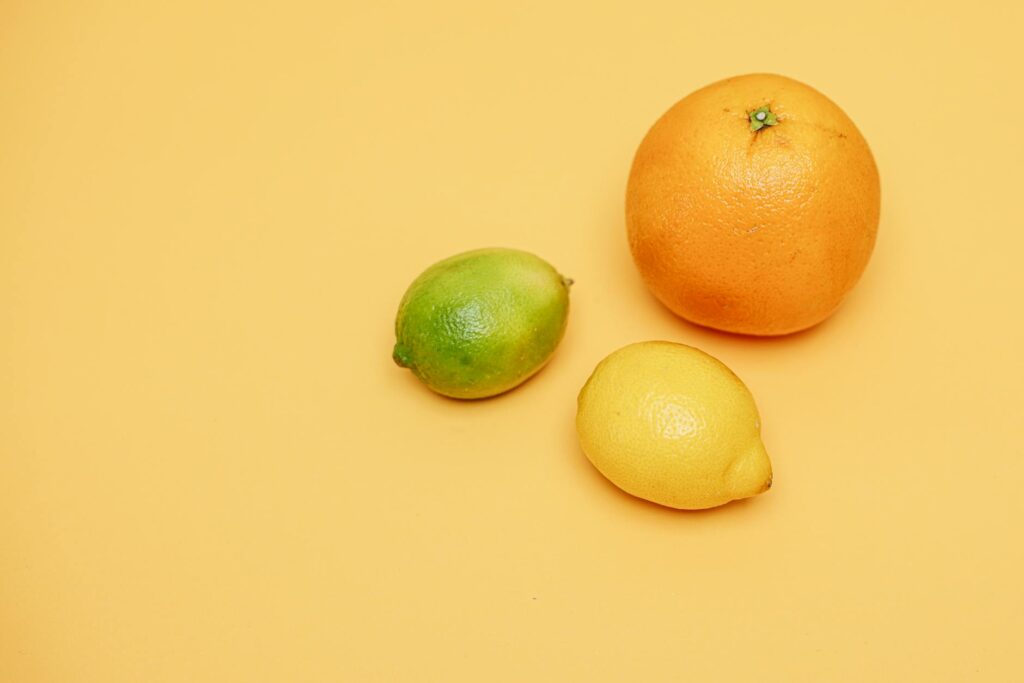
Malic acid works as a gentler AHA for acne by exfoliating dead skin cells and unclogging pores while causing significantly less irritation than its stronger cousins, glycolic acid and lactic acid. This gentler effect happens because malic acid molecules are substantially larger, which means they penetrate the skin more slowly and shallowly—a desirable trait when you want to treat mild acne without triggering redness, peeling, or inflammation. If you’ve tried stronger AHAs and experienced burning or excessive dryness, malic acid offers a milder alternative that still delivers meaningful exfoliation.
This article explores how malic acid accomplishes this balancing act, who it works best for, and how to incorporate it into an acne-fighting routine. Dermatologists recognize malic acid as an appropriate option for mild acne, alongside freckles, melasma, fine lines, and dull complexion. The acid also possesses anti-inflammatory and antioxidant properties that help calm inflamed skin—something that matters when you’re trying to heal breakouts without creating new irritation. Because malic acid is derived from apples, it has a natural origin story that appeals to many people, though the real benefit lies in its chemical gentleness, not its source.
Table of Contents
- How Malic Acid Breaks Down Skin Cell Bonds and Unclogs Pores
- Why Malic Acid Penetrates Skin More Gently Than Glycolic or Lactic Acid
- Malic Acid’s Acne-Fighting Benefits for Mild Breakouts
- Who Should Use Malic Acid for Acne and When
- Combining Malic Acid with Other Acne Treatments for Maximum Effectiveness
- How to Use Malic Acid Safely in Your Acne Skincare Routine
- The Evolving Role of Malic Acid in Modern Acne Treatment
- Conclusion
How Malic Acid Breaks Down Skin Cell Bonds and Unclogs Pores
Malic acid functions by breaking the bonds between dead skin cells and the skin surface, allowing them to shed more easily. This process naturally opens clogged pores—a primary cause of acne formation. When sebum, bacteria, and dead skin mix inside a pore, the result is a comedone (blackhead or whitehead) or inflamed breakout. By facilitating cell turnover, malic acid helps prevent that buildup before it starts.
The anti-inflammatory and antioxidant properties of malic acid add another layer of benefit. If you already have active acne, these properties help reduce redness and irritation around the lesion. This differs from pure chemical exfoliants, which focus solely on breaking bonds; malic acid simultaneously calms the inflammation that makes acne visually worse. For comparison, if you’re using a standard glycolic acid toner on inflamed skin, you might see increased redness for 24-48 hours, whereas malic acid typically causes less of this temporary worsening.
Why Malic Acid Penetrates Skin More Gently Than Glycolic or Lactic Acid
The molecular size difference between malic acid and other AHAs explains why it’s gentler. Malic acid molecules are significantly larger than glycolic acid or lactic acid molecules, and size directly determines penetration depth. Clinical studies back this up: when researchers measured how much of each acid actually absorbs into the skin, glycolic acid from leave-on formulations showed a 2.51% total absorbable dose recovery, while malic acid from rinse-off formulations showed only 0.04% penetration.
However, if you’re hoping malic acid will deliver the fast, dramatic results of glycolic acid, this low penetration rate is actually the limitation you need to know about. Malic acid is less potent than both glycolic and lactic acid, which means you’ll see slower improvement in acne and fewer noticeable results in the short term. This gentleness makes it ideal for sensitive skin and beginners who are just introducing chemical exfoliants into their routine—but it also means patients expecting aggressive exfoliation may feel disappointed. Penetration depth also depends on pH, concentration, and contact time, so a professionally formulated malic acid product will penetrate more effectively than a poorly formulated one.
Malic Acid’s Acne-Fighting Benefits for Mild Breakouts
Malic acid is most effective for mild acne—think occasional breakouts, minor congestion, or texture issues—rather than moderate-to-severe cystic acne. A person prone to small whiteheads and blackheads on the forehead and chin might see real improvement within 2-4 weeks of consistent use. The same person with deep cystic breakouts likely needs a stronger AHA or oral medication.
Estheticians approve of malic acid as an ultra-gentle way to exfoliate skin, which is why many professional-grade skincare lines include it. In a professional facial setting, malic acid works well as part of a multi-step treatment that includes other modalities like extractions and hydrating masks. For at-home use, the timeline is longer because the concentrations are lower and application time is shorter than professional use. A 2% malic acid toner used nightly will gradually improve congestion, but you shouldn’t expect the same visible results in two weeks that a professional peel delivers.

Who Should Use Malic Acid for Acne and When
Malic acid is best suited for people with sensitive skin who break out easily when using standard chemical exfoliants. If your skin reacts to glycolic acid with stinging, excessive dryness, or redness that lasts hours, malic acid is worth trying. It’s also appropriate for beginners who’ve never used an AHA before and want to introduce exfoliation gradually. Starting with a gentler acid reduces the risk of barrier damage that can make acne worse.
The tradeoff is that malic acid isn’t the right choice if your primary goal is speed. Someone with persistent, moderate acne needs something stronger, whether that’s a higher-strength AHA like glycolic acid, a BHA like salicylic acid, or prescription retinoids. Using malic acid alone in that situation might feel ineffective after a month of waiting. You might find it works better as part of a layered regimen—for example, pairing a low-strength malic acid toner with a benzoyl peroxide treatment or topical retinoid. Professional acne treatments often combine malic acid with stronger exfoliants precisely because no single approach works for everyone.
Combining Malic Acid with Other Acne Treatments for Maximum Effectiveness
Because malic acid is less potent than glycolic or lactic acid, combining it with other treatments often yields better results than using malic acid alone. Many dermatologists suggest pairing gentler AHAs with other exfoliants—for instance, using malic acid 3-4 times per week and adding a BHA (salicylic acid) 1-2 times per week. This combination addresses acne through different mechanisms: the AHA works on the skin surface, while the BHA penetrates deeper into oil-filled pores.
A warning here: combining multiple exfoliants requires careful monitoring. If you layer malic acid with glycolic acid on the same night, you risk over-exfoliating, which damages the skin barrier and can trigger more breakouts. Similarly, mixing malic acid with adapalene, tretinoin, or other retinoids demands gradual introduction and careful spacing—many dermatologists recommend using them on alternate nights when starting. If you notice increased sensitivity, redness, or flaking, reduce frequency rather than stopping the product entirely, as your skin might adjust within 1-2 weeks.
How to Use Malic Acid Safely in Your Acne Skincare Routine
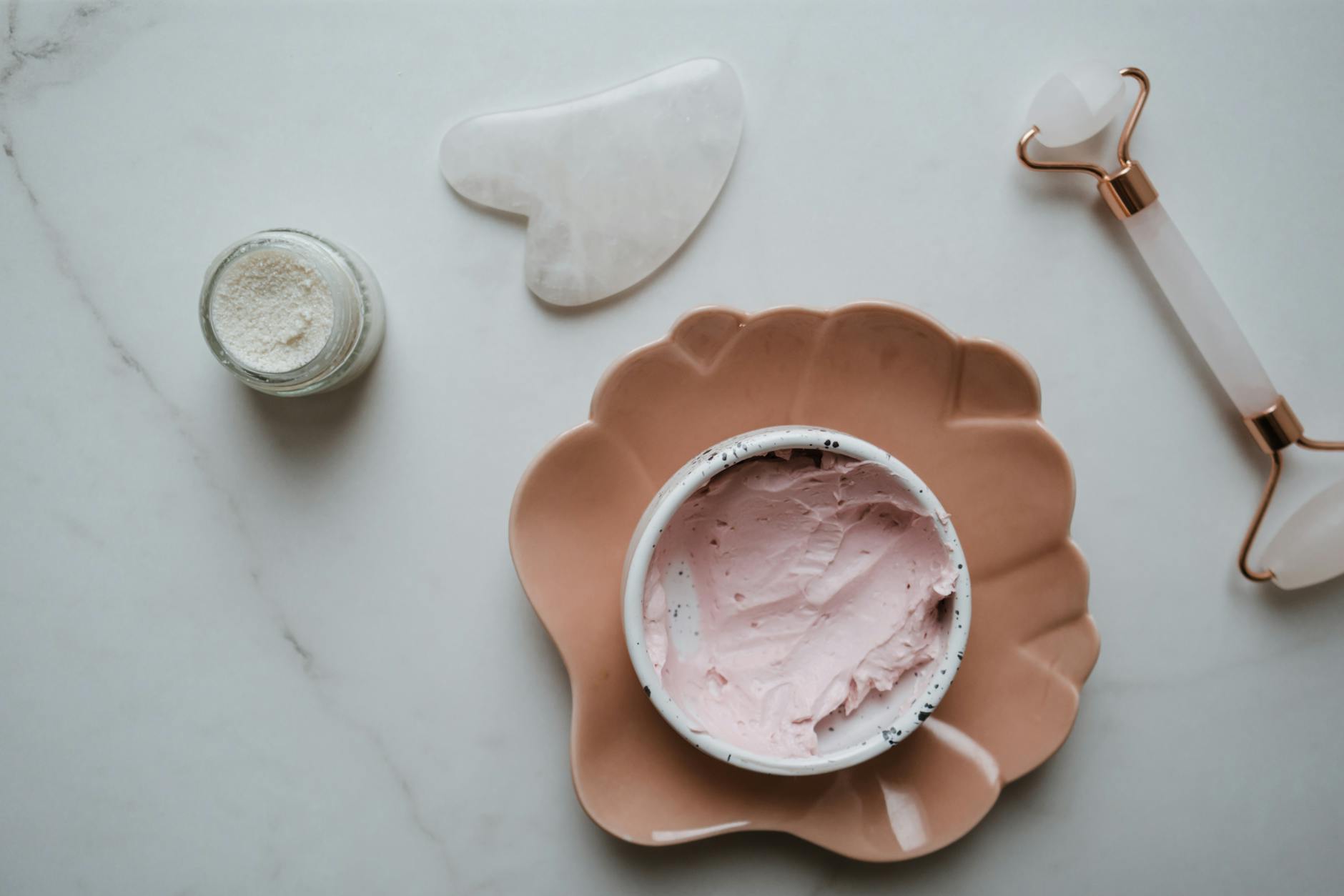
Start with malic acid 2-3 times per week, applying it to clean, dry skin as a toner or leave-on treatment. Wait 15-30 seconds after application before layering other products. If your skin tolerates it without irritation after two weeks, you can increase frequency to daily use. Most dermatologists recommend malic acid products with a pH of 3.0-4.0 for efficacy; below pH 3.0, the acid becomes too strong and risks irritation, while above pH 4.0, it loses exfoliating power.
An example of a safe introduction: If you’ve never used chemical exfoliants, choose a malic acid toner at 3-5% concentration and use it twice weekly for two weeks. If your skin feels fine—no burning, no excessive dryness—increase to three times weekly, then daily the following week. This gradual approach gives your skin time to build tolerance. Avoid applying malic acid if you have an active sunburn, open wounds, or very inflamed cystic acne, as the acid will increase irritation in these cases.
The Evolving Role of Malic Acid in Modern Acne Treatment
While glycolic and lactic acids dominate the AHA conversation in dermatology, malic acid is gaining recognition as the bridge between non-exfoliating treatments and aggressive chemical peels. As consumers increasingly prioritize gentleness and skin barrier health, gentler AHAs like malic acid fit the trend.
However, it’s worth noting that limited direct comparative clinical studies exist evaluating malic acid’s acne-fighting efficacy versus other AHAs, and no major clinical trials focused specifically on malic acid’s acne efficacy were published in 2024-2025. This research gap means much of what we know about malic acid comes from its use in professional settings and patient reports rather than large clinical studies. As skincare science matures, more targeted research on malic acid—particularly its effectiveness for different acne types and skin tones—would help clarify its role in acne treatment protocols.
Conclusion
Malic acid works as a gentler AHA by exfoliating dead skin cells and unclogging pores while penetrating the skin more shallowly than stronger acids. Its anti-inflammatory and antioxidant properties make it particularly useful for reducing acne-related inflammation, and its gentleness makes it suitable for sensitive skin and chemical exfoliation beginners. The tradeoff is that it’s less potent than glycolic or lactic acid, so results take longer to appear, and it’s most effective for mild acne rather than severe breakouts.
If you’re considering malic acid for acne, start with 2-3 applications per week and monitor your skin’s tolerance. Combine it with other treatments—like salicylic acid or topical retinoids—for better results if mild acne persists. Consult with a dermatologist to determine whether malic acid fits your specific acne type and skin condition, especially if you’ve struggled with stronger exfoliants in the past.