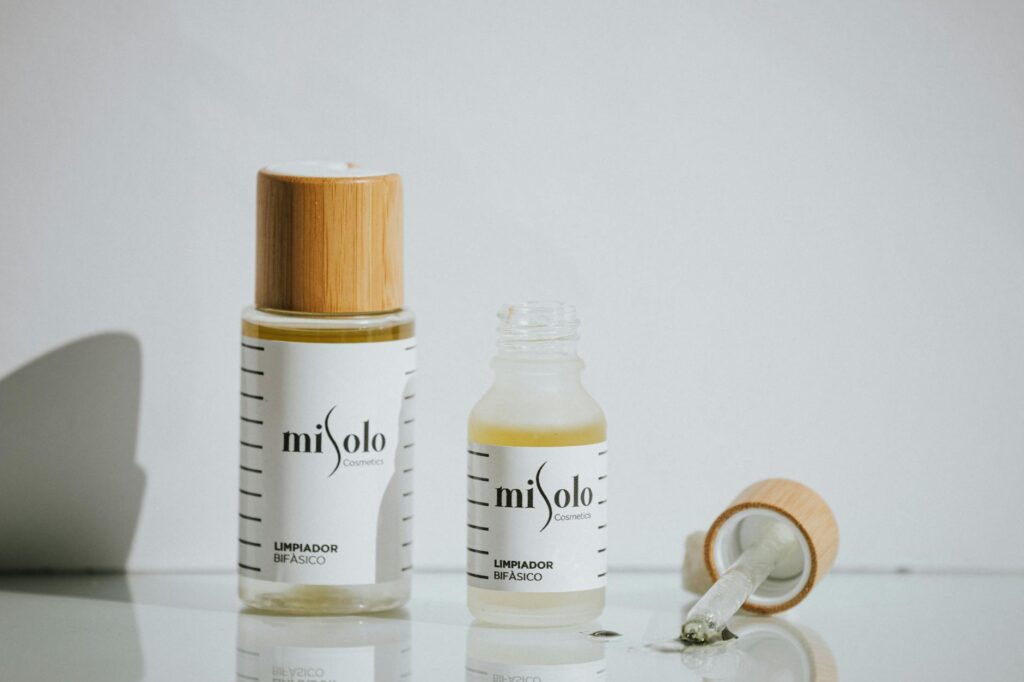
A cleanser is effective without stripping natural oils when it removes dirt, excess sebum, and bacteria while maintaining your skin’s pH balance and protecting the acid mantle—the protective barrier that prevents moisture loss. This means using products with a pH between 4.5 and 6, the natural range for healthy skin, combined with gentle surfactants that don’t penetrate deep into the skin and damage ceramides and natural moisturizing factors. For someone with oily, acne-prone skin, a cleanser with a pH of 5.0 to 5.5 actually helps prevent blackheads by liquefying sebum so it flows naturally out of pores instead of accumulating, eliminating the false choice between having breakouts or having dry, stripped skin. This article covers the science behind effective cleansing, the surfactants to seek out and avoid, how harsh products create the dehydrated-oily paradox, and practical ways to choose a cleanser that works with your skin’s biology rather than against it.
Table of Contents
- How Does pH Balance Affect Whether a Cleanser Strips Natural Oils?
- What Surfactants Gently Cleanse Without Damaging the Skin Barrier?
- Why Do Harsh Cleansers Cause the “Dehydrated-Oily” Skin Paradox?
- How Should You Use a Gentle Cleanser to Maximize Its Effectiveness?
- What About Ingredients That Seem Gentle but Can Still Cause Problems?
- What Ingredients and Formulations Support the Skin Barrier While Cleansing?
- How Is the Future of Skincare Moving Toward Barrier-Respecting Cleansers?
- Conclusion
- Frequently Asked Questions
How Does pH Balance Affect Whether a Cleanser Strips Natural Oils?
Your skin operates optimally at a pH between 4.5 and 6—this acidic range is what dermatologists call the “acid mantle,” and it’s essential for maintaining the skin barrier’s integrity. When a cleanser has a pH above this range, it disrupts the acid mantle and forces the skin to work harder to restore balance, during which time the barrier becomes more permeable and loses water. This increased permeability is how “stripping” happens: the cleanser doesn’t necessarily remove oils mechanically, but rather destabilizes the barrier so water evaporates more freely and the skin becomes dehydrated. Conversely, pH-balanced cleansers keep this protective layer intact, which means your skin doesn’t experience the irritation, inflammation, and oxidative stress that trigger both dryness and reactive oiliness.
For oily and acne-prone skin specifically, the optimal pH range is slightly more acidic—5.0 to 5.5. At this pH, sebum becomes slightly liquefied, allowing it to flow out of pores naturally rather than getting trapped and forming blackheads. This is the counterintuitive part: you don’t need to strip away all your skin’s oil to prevent breakouts. Instead, you need a cleanser that helps your skin shed dead skin cells and excess sebum efficiently while keeping the barrier functional. When you use a pH-balanced cleanser on consistently oily skin, you often see less oil production within a week or two because your skin is no longer in “panic mode,” trying to overcompensate for a damaged barrier.

What Surfactants Gently Cleanse Without Damaging the Skin Barrier?
Surfactants are the cleaning agents in cleansers, and they work by breaking the surface tension of oil so it can be rinsed away. However, not all surfactants are created equal—some are so aggressive that they penetrate the stratum corneum (the skin’s outer layer) and strip away ceramides, proteins, and natural moisturizing factors, which leads to inflammation, dryness, and long-term barrier damage. The surfactants to seek out are nonionic and amphoteric types: Lauryl Glucoside, Coco-glucoside, Sodium Methyl Oleoyl Taurate, and cocamidopropyl betaine are all gentler options that effectively remove dirt and excess oil without disrupting the skin’s protective structures. These surfactants are also less likely to cause irritation or trigger sensitivity reactions, making them ideal for acne-prone skin that’s already dealing with inflammation.
Plant-based saponins represent another gentler option gaining traction in skincare. Saponins are naturally occurring compounds found in plants like soap nuts and quinoa that have mild cleaning properties, but they’re inherently less effective at forming micelles (the structures that trap dirt and oil) compared to synthetic surfactants. This limitation is actually an advantage: their gentler cleansing action makes them suitable for sensitive or very compromised skin barriers. However, if you have significant acne or very oily skin, saponins alone may not be strong enough to adequately cleanse, so they’re often combined with mild synthetic surfactants in formulations designed to balance effectiveness with gentleness. The key is finding a cleanser that lists gentle surfactants as primary ingredients rather than harsh ones like sodium lauryl sulfate, which is still commonly used in cheap facial cleansers despite being too aggressive for face skin.
Why Do Harsh Cleansers Cause the “Dehydrated-Oily” Skin Paradox?
One of the most frustrating skincare experiences is having skin that’s simultaneously oily and dehydrated—your face gets shiny by midday but feels tight and uncomfortable. This contradiction is usually caused by using overly harsh cleansers that strip the skin barrier. When a cleanser damages the stratum corneum and causes decreases in ceramides and natural moisturizing factors, the skin becomes dehydrated and loses its ability to retain water. This dehydration sends a signal to your sebaceous glands that something is wrong, triggering them to produce excess oil in an attempt to restore the barrier. You then often respond by using more harsh products to combat the oiliness, which further damages the barrier and perpetuates the cycle—this is the dehydrated-oily syndrome that affects most people who believe they have “naturally oily skin.” The way out of this cycle is counterintuitive: use a gentler cleanser and actually add hydration back into your routine.
When you switch to a pH-balanced cleanser with gentle surfactants, the barrier begins to repair itself within days or weeks, and as it does, sebum production naturally normalizes. Many people are shocked to discover that once they stop using harsh cleansers, their skin becomes significantly less oily without them having to do anything else. This shift happens because the skin is no longer in defensive mode. However, there’s a short adjustment period—some people experience continued oiliness for the first week or two after switching cleansers while the barrier is still healing—and patience during this phase is critical. If you abandon the gentler cleanser too soon thinking it’s “not working,” you’ll never give your skin a chance to rebalance.

How Should You Use a Gentle Cleanser to Maximize Its Effectiveness?
A common misconception is that gentle cleansers are less effective, so people use them harshly—scrubbing vigorously, leaving them on the skin too long, or using water that’s too hot. In reality, gentle cleansers work best with a light hand: use your fingertips (not a washcloth or brush) to massage the cleanser over damp skin for 30 to 60 seconds, then rinse with lukewarm water. Hot water opens pores and can further disrupt the acid mantle, while cold water doesn’t help cleanse effectively, so lukewarm is the sweet spot. The goal is to use enough pressure to distribute the cleanser and allow it to make contact with your skin, but not so much that you’re creating friction or irritation.
The frequency of cleansing also matters. Despite what many acne treatments suggest, cleansing twice daily is often too much if you’re using any actives (like retinoids or acids) in your routine, which already stress the barrier. For someone with acne, once daily in the evening plus a gentle water rinse in the morning is often enough, especially if they’re already using other treatments. If your skin is very oily and you feel uncomfortable without a midday wash, a water rinse or a gentle hydrating toner will often suffice without requiring a full cleanse. The trade-off is that cleansing too frequently, even with a gentle product, prevents the acid mantle from fully stabilizing, so less frequent cleansing often leads to better long-term skin health than the “clean slate” approach that many acne sufferers instinctively pursue.
What About Ingredients That Seem Gentle but Can Still Cause Problems?
Certain ingredients marketed as “natural” or “gentle” can paradoxically be problematic. Alcohol denat (SD alcohol) is a common example—it evaporates quickly and feels refreshing, which makes people assume it’s harmless, but it’s actually quite drying and can disrupt the skin barrier with repeated use. Similarly, some essential oils are popular in “natural” cleansers but are irritating to acne-prone skin and can trigger inflammation. Fragrance (both synthetic and natural) is another common culprit; even if a cleanser is otherwise gentle, added fragrance can sensitize the skin, particularly when the barrier is already compromised.
Reading beyond marketing language and looking at actual ingredients is essential. The “milky beauty” trend that’s emerging in 2026 is moving in the right direction: these cleansers are formulated to gently lift away impurities without stripping, and they often contain emollients that support the skin barrier. However, not all milky cleansers are created equal—some are genuinely effective with gentle surfactants, while others are just regular cleansers with added silicones that feel creamy but don’t solve the underlying problem. The warning here is to avoid assuming a pleasant texture means a cleanser is actually doing the job correctly. Look for pH-balanced formulations with gentle surfactants as the primary cleaning agents, and be skeptical of any cleanser that claims to “strip away all oil” or promises to “deeply cleanse” without acknowledging the importance of the skin barrier.

What Ingredients and Formulations Support the Skin Barrier While Cleansing?
Effective cleansers that preserve natural oils often include barrier-supporting ingredients like ceramides, glycerin, hyaluronic acid, and centella asiatica. These ingredients don’t interfere with cleansing but provide a protective, hydrating base that prevents the cleanser from becoming drying. A cleanser with these additions will feel different from a standard formulation—it rinses more smoothly, doesn’t leave the skin feeling tight, and often leaves a subtle protective film on the skin that feels nourishing rather than greasy. For acne-prone skin, this is the ideal sweet spot: you get effective cleansing without the tight, uncomfortable feeling that signals barrier damage.
Gel and cream cleansers tend to support the barrier better than foaming or powder formulations. Foaming cleansers often rely on high concentrations of surfactants to create the foam, which is why they feel like they’re “working” even when they’re actually being too harsh. Cream and gel cleansers can be formulated with lower surfactant concentrations because they don’t need to foam, allowing them to be genuinely gentle while still effective. An example would be comparing a low-foam gel cleanser with ceramides and a high-foaming bar cleanser—the gel will cleanse just as well for oily, acne-prone skin but will leave it feeling comfortable rather than tight.
How Is the Future of Skincare Moving Toward Barrier-Respecting Cleansers?
The skincare industry is increasingly recognizing that effective cleansing doesn’t require aggression, and product development is reflecting this shift. The rise of pH-balanced formulations and gentle surfactants isn’t a passing trend—it’s a fundamental change in how dermatologists and cosmetic chemists approach skincare. More brands are publishing the pH of their cleansers and highlighting gentle ingredients because consumers are becoming educated about barrier health and the dehydrated-oily syndrome.
This means there are now far more accessible options for effective, barrier-respecting cleansers than there were just five years ago, and the quality and variety will likely continue to improve. For anyone managing acne or sensitive skin, this shift is good news. Rather than choosing between having breakouts or having irritated, uncomfortable skin, you can now find cleansers that actually support your skin’s natural ability to stay healthy and balanced. The future of acne treatment is likely to move away from the “strip and attack” approach that dominated for decades toward a more sophisticated method that supports the skin’s own defenses while addressing the underlying causes of breakouts.
Conclusion
An effective cleanser removes dirt, excess oil, and bacteria while maintaining your skin’s pH balance and protecting the acid mantle—and the best way to achieve this is through a pH-balanced formulation (4.5 to 6, or 5.0 to 5.5 for oily skin) with gentle surfactants like Lauryl Glucoside, Coco-glucoside, or plant-based saponins rather than harsh stripping agents. Using a gentle cleanser counterintuitively often reduces oiliness and breakouts because your skin stops overproducing oil in response to a damaged barrier. The dehydrated-oily syndrome that plagues many acne sufferers is not a skin type—it’s a sign that current products are too harsh, and switching to a barrier-respecting cleanser will resolve it within weeks.
Start by checking the pH of your current cleanser (brands that publish this information tend to be the ones that got it right) and switching to a formula with gentle surfactants and barrier-supporting ingredients like ceramides or glycerin. Use it gently with lukewarm water, once or twice daily depending on your skin’s needs, and give your barrier time to repair itself. You should notice improvement in skin comfort within days and in oil production and breakouts within 2 to 4 weeks.
Frequently Asked Questions
Will a gentle cleanser actually get my oily skin clean?
Yes. Gentle surfactants are effective at removing dirt and excess oil—they just don’t cause the inflammation and barrier damage that harsh cleansers do. Many people with oily skin discover that gentler cleansing reduces oiliness because their skin stops overcompensating for a damaged barrier.
How do I know if a cleanser is the right pH?
Look for brands that publish their pH (usually between 4.5 and 6, or 5.0 to 5.5 for oily skin). If a brand doesn’t list it, contact customer service—if they can’t provide it, that’s a red flag that they may not have optimized it.
Can I use a gentle cleanser if I have severe acne?
Yes. A gentle cleanser is the foundation—it removes excess oil and bacteria without triggering inflammation. You can layer acne treatments (like niacinamide, salicylic acid, or benzoyl peroxide) on top of gentle cleansing without the barrier damage that would occur if you were also using a harsh cleanser.
What’s the difference between “milky beauty” cleansers and regular gel cleansers?
Milky cleansers are formulated with emollients to feel creamy and nourishing, while gel cleansers tend to be lighter. Both can be effective and barrier-respecting if they have gentle surfactants and the right pH. The texture is mostly preference—what matters is the ingredient list.
How long until I see improvement if I switch to a gentler cleanser?
Skin comfort (reduced tightness and irritation) usually improves within days. Oil production and acne may take 2 to 4 weeks to normalize as the barrier repairs itself. Patience during the adjustment period is important.
Should I still exfoliate if I’m using a gentle cleanser?
Exfoliation is optional and should be infrequent (1 to 2 times per week maximum) with a gentle cleanser. Focus on barrier repair first; once your skin is stable, you can add gentle exfoliation if needed, but it’s not necessary for effective cleansing or acne management.