
LUMIXYL is significantly more effective than hydroquinone for treating acne pigmentation and post-inflammatory hyperpigmentation. Clinical research from Stanford demonstrates that LUMIXYL reduces melanin-related darkening by 40% compared to just 7% with hydroquinone—making it 5.5 times more potent at the same concentration.
If you’ve dealt with dark marks or discoloration following a breakout, this is important: LUMIXYL works differently and delivers faster results than the industry standard hydroquinone that dermatologists have relied on for decades. This article compares these two skin-brightening agents across efficacy, safety, mechanism of action, and practical application for acne-related pigmentation. We’ll examine what the research actually shows, why LUMIXYL appears superior in studies, where hydroquinone still holds ground, and what limitations exist for both treatments when it comes to acne scars specifically.
Table of Contents
- How LUMIXYL Outperforms Hydroquinone in Potency
- The Tyrosinase Inhibition Difference—What Actually Stops Darkening
- Safety Profile—The Cytotoxicity and Irritation Concern
- Practical Application for Acne Pigmentation Treatment
- Limitations and the Melanin Production Ceiling
- Timeline and Realistic Expectations for Results
- The Future of Hyperpigmentation Treatment and LUMIXYL’s Role
- Conclusion
How LUMIXYL Outperforms Hydroquinone in Potency
The potency difference between LUMIXYL and hydroquinone is substantial and well-documented. LUMIXYL’s active ingredient, Decapeptide-12, inhibits tyrosinase—the enzyme responsible for melanin production—at a rate 17 times more powerful than hydroquinone. In practical terms, this means you need less product, less frequently, to see comparable results.
A clinical study in the Journal of Drugs in Dermatology showed that patients with mild-to-moderate melasma (a condition involving hyperpigmentation similar to acne-related dark spots) saw visible improvement in just six weeks, with one patient achieving complete clearance. The mechanism matters because higher potency translates to faster fading of post-inflammatory hyperpigmentation—the dark or reddish marks that linger after acne heals. For someone dealing with stubborn pigmentation from recent breakouts, LUMIXYL’s superior efficacy means you’re not waiting months to see meaningful change. However, more potent doesn’t automatically mean better for every skin type, which we’ll address in the safety section.
The Tyrosinase Inhibition Difference—What Actually Stops Darkening
Both LUMIXYL and hydroquinone work by inhibiting tyrosinase, but the degree of inhibition differs dramatically. LUMIXYL’s oligopeptide is 17 times more effective at blocking this enzyme, which means melanocytes (pigment-producing cells) receive a stronger signal to stop producing melanin. This is why the 40% reduction in melanin-related darkening appears in Stanford research—it’s attacking the problem at a more fundamental level than hydroquinone’s 7% reduction.
The catch is that tyrosinase inhibition alone doesn’t guarantee results for acne scars specifically. Most LUMIXYL clinical evidence focuses on melasma treatment rather than acne-related hyperpigmentation. Post-inflammatory hyperpigmentation (PIH) from acne is slightly different biologically than melasma—it involves both melanin overproduction and inflammation-related factors. While LUMIXYL still works for PIH, the clinical trials were primarily conducted on melasma patients, so we lack dedicated acne-scar studies to confirm whether the same potency advantage applies across the board.
Safety Profile—The Cytotoxicity and Irritation Concern
This is where LUMIXYL’s design advantage becomes most apparent. Research comparing the two revealed that hydroquinone is highly cytotoxic to human melanocytes—it kills the cells outright rather than simply regulating them. LUMIXYL’s oligopeptide, by contrast, shows negligible cytotoxicity at all tested concentrations. This means LUMIXYL slows melanin production without harming the melanocytes themselves, reducing the risk of side effects.
Additionally, hydroquinone frequently causes flaking, dryness, redness, and irritation, especially with prolonged use or in sensitive skin. Many users experience dermatitis or contact dermatitis with traditional hydroquinone formulations. LUMIXYL users report minimal to no irritation, flaking, or dryness. For acne-prone skin that’s already compromised from breakouts, this is significant—you’re not adding inflammation on top of healing skin. That said, individual responses vary; some hydroquinone users tolerate it well, while others cannot use it beyond 3-4 months without irritation.

Practical Application for Acne Pigmentation Treatment
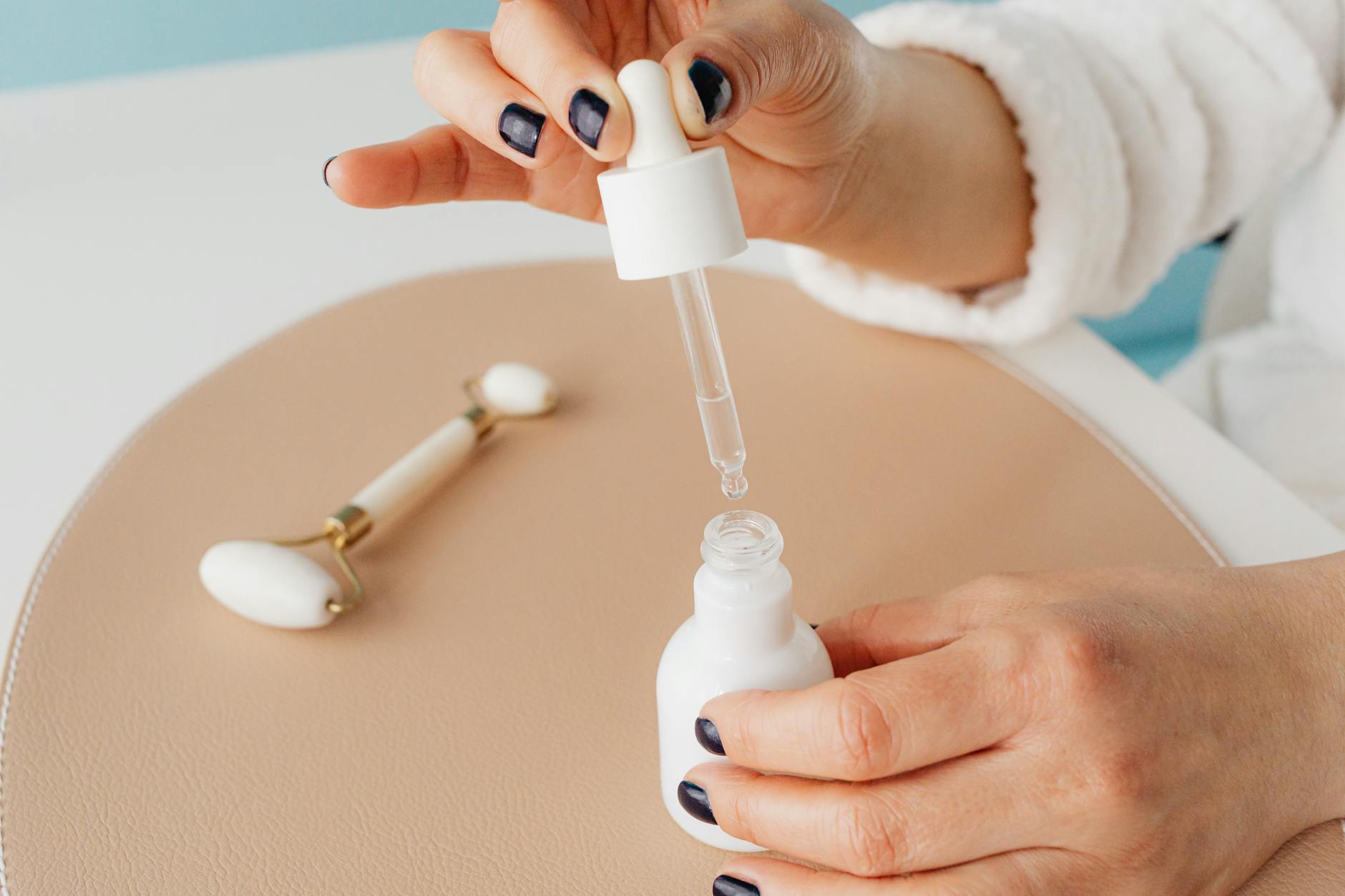
Using LUMIXYL for post-acne dark marks is straightforward because you apply it topically like any brightening serum, typically once or twice daily. The faster potency means visible lightening often appears within 4-8 weeks, whereas hydroquinone typically requires 8-12 weeks to show similar results. For someone with recent breakouts leaving behind dark spots, LUMIXYL delivers results on a timeline that matches their healing expectations.
Hydroquinone remains effective but requires a longer commitment and carries the irritation risk mentioned earlier. Many dermatologists still prescribe hydroquinone for severe melasma or persistent hyperpigmentation precisely because of its proven track record over decades, but for mild-to-moderate acne pigmentation, LUMIXYL’s speed and tolerability make it the preferred choice. The trade-off is cost: LUMIXYL is typically more expensive than generic hydroquinone, so if budget is the limiting factor, hydroquinone remains a valid option despite lower potency.
Limitations and the Melanin Production Ceiling
Neither LUMIXYL nor hydroquinone eliminates hyperpigmentation overnight, and neither works equally well for everyone. Skin tone plays a role—darker skin types, which contain more melanin naturally, may see slower visible fading than lighter skin tones, simply because the contrast between pigmented and non-pigmented areas is less pronounced. Additionally, active inflammatory acne will continue producing new dark marks even while you’re treating old ones, so these products work best as part of a broader acne treatment regimen, not in isolation.
The clinical caveat is important: LUMIXYL studies focus predominantly on melasma, not acne scars. While post-inflammatory hyperpigmentation (the dark marks from healed acne) should respond well based on mechanism, we don’t have as robust clinical evidence for acne-specific hyperpigmentation as we do for melasma. Hydroquinone, conversely, has decades of use treating various forms of hyperpigmentation, so the evidence base is broader—but that doesn’t make it more potent, just more studied across different conditions.
Timeline and Realistic Expectations for Results
Most users see some lightening of acne marks within 4-6 weeks of consistent LUMIXYL use, with more dramatic fading by 8-12 weeks. This timeline applies to fresh post-inflammatory hyperpigmentation (marks from breakouts in the past few months). Older, more established pigmentation—marks that have been present for a year or more—may take longer to fade because the melanin has had more time to settle into deeper skin layers.
Hydroquinone follows a similar pattern but usually requires the full 12+ weeks to achieve visible results. For best results with either product, consistent daily use matters more than the potency difference. Skipping applications or using sporadically will slow results regardless of how strong the active ingredient is. Sun protection is equally critical because UV exposure re-triggers melanin production, essentially undoing weeks of brightening treatment.
The Future of Hyperpigmentation Treatment and LUMIXYL’s Role
LUMIXYL represents a shift in dermatology away from the heavy-handed approach of hydroquinone toward more targeted, safer peptide-based alternatives. As awareness of hydroquinone’s cytotoxicity and irritation profile spreads, both consumers and dermatologists increasingly reach for alternatives like LUMIXYL that deliver better results with fewer side effects. The trend is toward gentler, more sophisticated active ingredients—peptides, plant extracts, and enzyme inhibitors—rather than relying on the blunt force of hydroquinone.
For acne-prone skin specifically, this matters because breakout-prone individuals typically have compromised or sensitive skin barriers already. LUMIXYL’s non-irritating profile aligns better with the needs of someone juggling active acne treatment and post-acne mark fading simultaneously. As more acne-focused research confirms LUMIXYL’s efficacy for post-inflammatory hyperpigmentation, we can expect broader adoption and better product formulations incorporating it.
Conclusion
LUMIXYL is objectively more potent than hydroquinone—5.5 times more potent, with superior tyrosinase inhibition and a safer cellular profile. For treating acne pigmentation and post-inflammatory hyperpigmentation, LUMIXYL delivers faster, more visible results (40% melanin reduction vs 7%) with minimal irritation, making it the better choice for most acne-prone individuals dealing with dark marks. The cost difference and broader clinical evidence base for hydroquinone mean it still has a role, particularly for severe or stubborn pigmentation.
Start with consistent daily application of whichever product you choose, pair it with rigorous sun protection (SPF 30+), and give it at least 8 weeks to show results. If your acne is still active, address that first—new breakouts will continue generating new dark marks, making any brightening treatment feel ineffective. For post-acne pigmentation specifically, LUMIXYL’s combination of potency and safety makes it worth the investment.