
Kligman’s formula, also known as the Kligman combination or hydroquinone-tretinoin-fluocinolone mixture, does help fade acne marks and post-inflammatory hyperpigmentation in darker skin tones by combining three active ingredients that work together: hydroquinone lightens melanin deposits, tretinoin increases cell turnover to bring newer, clearer skin to the surface, and fluocinolone reduces inflammation that can deepen discoloration. For someone with darker skin who developed dark marks after severe acne breakouts, using Kligman’s formula consistently over 8-12 weeks can noticeably reduce the visibility of those marks, though the formula was designed primarily for melasma and required significant adaptation to become standard for post-acne hyperpigmentation. This article covers how Kligman’s formula actually works on acne-induced dark marks, why it’s particularly relevant for darker skin types, what results you can realistically expect, how to use it safely, and important limitations and alternatives to consider before starting.
Table of Contents
- How Does Kligman’s Formula Address Acne Marks in Darker Skin?
- Why Kligman’s Formula is Different for Darker Skin Tones
- What Results Can You Expect Using Kligman’s Formula?
- How to Use Kligman’s Formula Safely and Effectively
- Side Effects and Tolerability Concerns for Darker Skin
- Alternatives and When to Consider Other Options
- Long-Term Management and Maintenance
- Conclusion
How Does Kligman’s Formula Address Acne Marks in Darker Skin?
Kligman’s formula targets post-inflammatory hyperpigmentation—the dark marks left behind after acne inflammation heals—which is far more visible and persistent in darker skin tones due to melanin’s natural tendency to overproduce in response to irritation. The three-component approach is more effective than using a single ingredient alone because each addresses a different mechanism: hydroquinone at 4-5% concentration inhibits tyrosinase, the enzyme that produces melanin, making it the active ingredient specifically responsible for lightening discolored areas.
tretinoin, typically at 0.05% strength, accelerates the skin cell renewal cycle, which helps slough away pigmented cells and brings unpigmented skin to the surface faster. A real-world example illustrates this: a person with darker skin who had severe inflammatory acne and now has dark patches on their cheeks would benefit most from Kligman’s formula because those patches are pure pigmentation buildup (not true scarring), and the tretinoin component keeps stimulating new cell growth while hydroquinone prevents the melanin from reaccumulating as quickly. However, if acne marks include actual textured scarring or atrophic pits rather than just discoloration, Kligman’s formula alone will not address the structural damage—it will only lighten the surrounding pigmentation, which can paradoxically make shallow scars more visible.

Why Kligman’s Formula is Different for Darker Skin Tones
Hydroquinone, tretinoin, and other bleaching agents were historically tested and approved primarily on lighter skin populations, which means darker skin users often experienced unpredictable results, including the paradoxical darkening of treated areas or uneven lightening that created a patchy appearance. Kligman’s formula inclusion of fluocinolone, a mild topical steroid, addresses this issue by reducing the inflammatory response that commonly triggers excessive pigment production in reactive darker skin—essentially preventing the skin from overresponding and creating new dark spots while the hydroquinone and tretinoin are working.
The critical limitation is that fluocinolone is a steroid, and prolonged use beyond 3-4 months carries risks of skin atrophy, telangiectasia (visible blood vessels), and rebound inflammation when stopped, which is why Kligman’s formula is typically prescribed in cycles—use for 2-3 months, take a 1-2 month break, then resume if needed. For darker skin types specifically, this cycling approach helps prevent the paradoxical darkening that can occur if hydroquinone is used continuously without breaks, as continuous use can sometimes cause a blue-gray or permanent darkening in certain individuals, particularly with darker melanin patterns.
What Results Can You Expect Using Kligman’s Formula?
Clinical studies on Kligman’s formula for melasma (the original indication) show 50-75% improvement in pigmentation over 8-12 weeks, but post-inflammatory hyperpigmentation from acne typically responds faster—many users see noticeable fading of dark marks within 4-6 weeks of consistent use, with significant lightening by week 12. A typical progression looks like this: weeks 1-2 bring increased cell turnover and slight flaking (tretinoin effect), weeks 3-4 show the first visible lightening of the dark marks, weeks 5-8 bring more dramatic fading as melanin production decreases (hydroquinone) and new pigmentation-free skin cells replace damaged ones (tretinoin), and by weeks 9-12 the marks may fade 40-60% depending on original depth and skin tone.
However, results plateau—Kligman’s formula rarely achieves 100% clearance of acne marks because some degree of long-term pigmentation change is permanent, especially in darker skin where melanin deposition goes deeper into the dermis. If dark marks have been present for more than 2 years, expect slower fading because the melanin has had time to settle into deeper skin layers; newer marks (under 6 months old) respond significantly faster. Some users reach a point of diminishing returns after 12-16 weeks, at which point continuing use offers minimal additional improvement and the risks of prolonged steroid exposure outweigh the benefits.

How to Use Kligman’s Formula Safely and Effectively
Proper application technique is essential, and misuse is the primary reason people experience irritation, sensitivity, or lack of results. The standard regimen is: cleanse skin gently, allow it to dry completely (moisture interferes with absorption), apply a pea-sized amount of the formula to affected areas only (not the entire face), wait 15-20 minutes before applying moisturizer, and always use broad-spectrum SPF 30+ during the day because tretinoin increases sun sensitivity and sun exposure can darken the very marks you’re trying to lighten.
Many people make the mistake of applying too much product or applying it to large surface areas, which increases irritation and the risk of side effects without improving results. A direct comparison: someone using Kligman’s formula correctly (targeted application, strict sun protection, 2-3 month cycles with breaks) will see steady fading of dark marks with minimal irritation, whereas someone using it incorrectly (daily full-face application, no sunscreen, continuous use) may experience dryness, redness, a heightened sensitivity reaction, and potentially steroid-induced skin damage. Start with 2-3 times per week application for the first week, increase to every other night for week 2, then move to nightly application—this gradual introduction allows skin to adjust and reduces the likelihood of an intense irritation response that can trigger additional inflammation and pigmentation.
Side Effects and Tolerability Concerns for Darker Skin
The most common side effects are tretinoin-induced: dryness, peeling, redness, and temporary sensitivity to other products, all of which are normal and expected during the first 2-4 weeks as skin cells turn over faster. These are tolerable, but the steroid component (fluocinolone) carries more serious risks if misused, particularly for darker skin: prolonged steroid use can cause striae (stretch marks), skin atrophy, telangiectasia, and a rebound flare of pigmentation when stopped.
A critical warning is that some users with darker skin experience contact dermatitis or allergic reactions to one of the three components—if redness, itching, or swelling develops that doesn’t improve after 3-5 days of use, discontinue and consult a dermatologist, as forcing through an allergic reaction can create permanent skin damage. Secondly, Kligman’s formula can sometimes cause initial darkening or an intensification of marks during the first 2-3 weeks as tretinoin induces inflammation and brings melanin-laden cells to the surface, a phenomenon called “retinization darkening.” Darker skin is more susceptible to this temporary worsening, which can be psychologically discouraging, but it typically resolves by week 4. If darkening persists beyond week 4-5, the formula may not be the right choice for that individual, or the tretinoin concentration is too high and should be reduced.
Alternatives and When to Consider Other Options
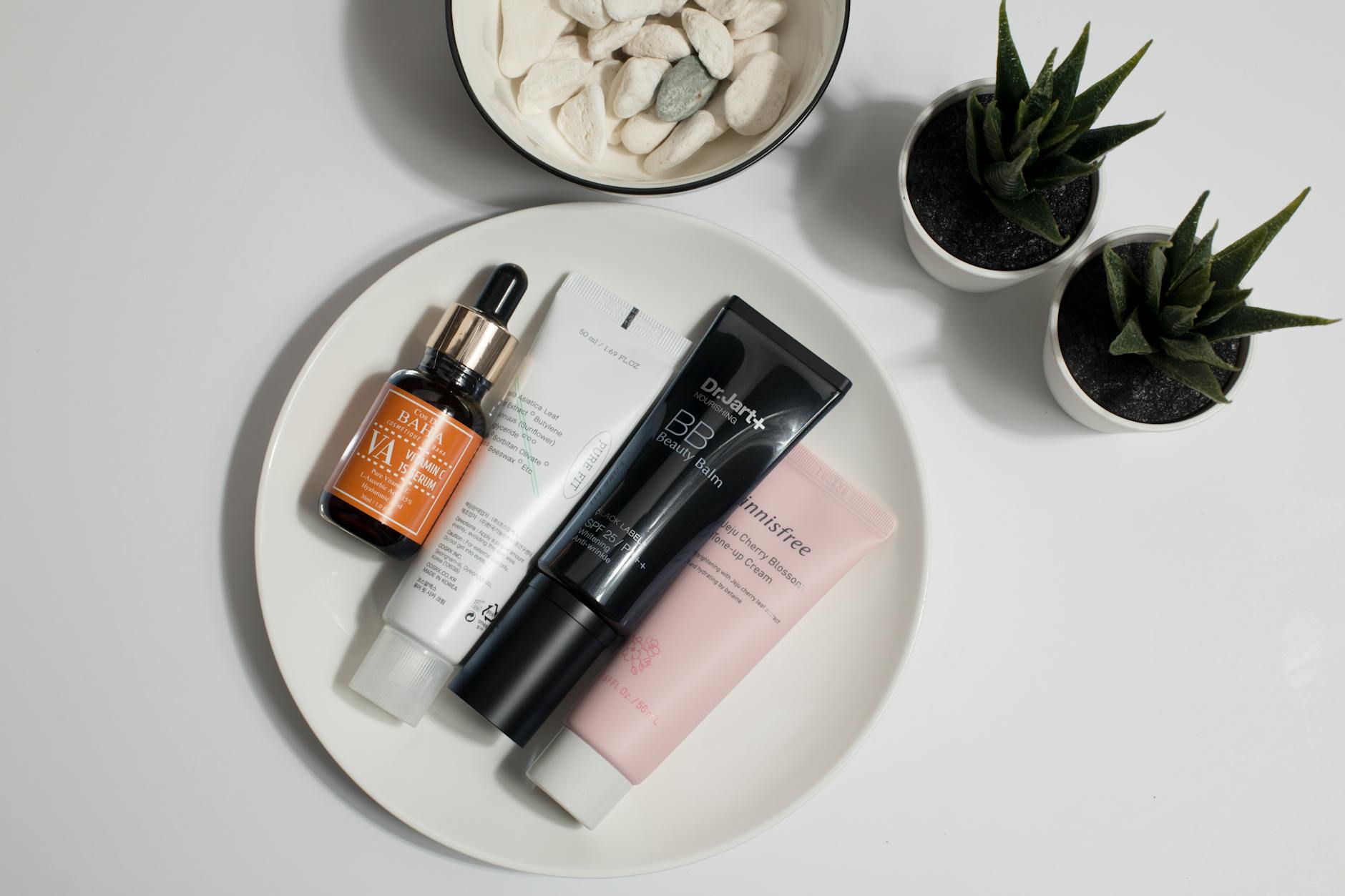
If Kligman’s formula doesn’t produce satisfactory results after a full 12-week cycle, or if side effects prevent its use, several alternatives exist: niacinamide-based serums (gentler, slower results over 3-4 months), vitamin C serums with ferulic acid (antioxidant that may prevent further pigmentation), azelaic acid (antimicrobial and depigmenting, particularly good for rosacea-prone skin), and professional laser treatments like fractional laser or pico-second laser that directly target melanin and can achieve faster fading in fewer sessions. Laser treatments carry their own risks in darker skin—improper settings can cause post-inflammatory hyperpigmentation or hypopigmentation—so they require a dermatologist experienced with darker skin types. For acne marks that are truly scarring (atrophic, boxcar, or ice-pick scars) rather than pure pigmentation, microneedling, chemical peels, or subcision are more appropriate treatments, sometimes combined with Kligman’s formula to address remaining discoloration after the scar structure is improved.
Long-Term Management and Maintenance
After completing a successful 12-week cycle of Kligman’s formula, the question becomes: how do you maintain results and prevent new dark marks? The answer involves consistent sun protection (SPF 30+ daily, even when using hydroquinone-free maintenance products), gentle skincare that doesn’t trigger additional inflammation, and potentially rotating maintenance products like niacinamide serums or azelaic acid to prevent the skin from adapting to any single ingredient. Some dermatologists recommend periodic “touch-up” cycles of Kligman’s formula every 6-12 months if new discoloration emerges, alternating with breaks to minimize steroid exposure. The skincare landscape is shifting toward combining lower-concentration, gentler actives rather than relying on potent formulas like Kligman’s long-term, so the most sustainable approach for darker skin is to complete a Kligman’s cycle to achieve significant initial fading, then transition to maintenance with vitamin C, niacinamide, or azelaic acid to preserve results while minimizing cumulative risk from steroid exposure.
Conclusion
Kligman’s formula effectively fades acne-induced dark marks in darker skin by combining hydroquinone to inhibit melanin production, tretinoin to accelerate cell turnover, and fluocinolone to reduce inflammation—typically delivering 40-60% improvement in hyperpigmentation over 8-12 weeks of consistent, proper use. Results are most dramatic for marks that are recent (under 1 year old) and purely pigmentation-based rather than structural scarring, and the formula requires careful application, strict sun protection, and periodic breaks to avoid long-term steroid side effects.
If you’re considering Kligman’s formula for post-acne dark marks, start with a patch test or low-frequency application (2-3 times weekly) to assess tolerance, commit to daily SPF 30+ sunscreen, and work with a dermatologist familiar with darker skin to monitor results and adjust strength or frequency if needed. For marks that don’t respond adequately, or if Kligman’s formula causes excessive irritation, professional treatments like laser or microneedling combined with topical depigmenting agents may offer a faster or safer alternative.