iUNIK Beta-Glucan Serum addresses one of the central challenges for acne-prone skin: deep hydration without triggering breakouts. The serum delivers 20% more hydration than hyaluronic acid—the gold-standard moisturizing ingredient in skincare—while actively calming the irritation and inflammation that often accompany acne. For someone with acne-prone skin who has struggled to find a hydrating product that doesn’t clog pores or worsen congestion, this serum offers a clinically-proven alternative that works within days rather than weeks.
The serum accomplishes this through a mushroom-derived beta-glucan compound that operates on two fronts: it pulls moisture deeply into the skin while simultaneously reducing redness and soothing irritation through natural anti-inflammatory properties. Noticeable hydration appears within the first week of use—users report that their skin feels plumper and appears healthier, rather than just having a temporary moisture boost on the surface. This article explores how the serum delivers superior hydration for acne-prone skin, how it compares to traditional acne-safe moisturizers, its specific benefits for fungal acne and sensitive skin types, and what the clinical research shows about skin recovery after acne treatments.
Table of Contents
- How Beta-Glucan Delivers Superior Hydration for Acne-Prone Skin
- Comparing Beta-Glucan to Traditional Acne Hydration Methods
- Anti-Inflammatory Benefits for Acne Recovery
- Using iUNIK Beta-Glucan Serum in Your Acne Skincare Routine
- Fungal Acne and Skin Barrier Considerations
- Real-World Results and Clinical Evidence
- The Science Behind Beta-Glucan’s Dual Action
- Conclusion
How Beta-Glucan Delivers Superior Hydration for Acne-Prone Skin
Beta-glucan functions as a humectant—an ingredient that attracts water molecules from the environment and deeper skin layers, then locks them in place. What distinguishes it from hyaluronic acid, the more commonly used humectant, is its multi-layered benefit profile. While hyaluronic acid excels at drawing moisture to the skin surface, beta-glucan goes further by supporting the skin barrier itself, which is critical for acne-prone skin that has often been compromised by breakouts, inflammation, or harsh treatments. The 20% hydration advantage over hyaluronic acid isn’t marginal—it translates to noticeably plumper skin within 7 days.
For someone with acne-prone skin that tends toward dehydration (a common but often overlooked issue), this deeper hydration helps reduce the skin’s compensatory oil production that can worsen breakouts. The light, watery gel texture of iUNIK’s formula absorbs quickly without leaving a sticky residue, which means it won’t sit on the skin and create an occlusive environment where bacteria proliferate. The key advantage for acne-prone skin is that superior hydration doesn’t require heavy occlusive creams. A dehydrated barrier drives irritation and inflammation; beta-glucan addresses that root cause through moisture retention rather than a thick barrier layer. This is why acne sufferers often report clearer skin after switching to products that properly hydrate without congestion—the skin’s inflammatory response calms when it’s adequately moisturized.
Comparing Beta-Glucan to Traditional Acne Hydration Methods
Most acne treatments dry the skin intentionally—benzoyl peroxide, salicylic acid, and retinoids all deplete moisture as a side effect of their acne-fighting action. This creates a hydration crisis: the skin needs moisture to heal, but traditional moisturizers often contain occlusive oils or silicones that exacerbate breakouts. Many acne sufferers respond by using minimal moisturizer, which leads to a dehydrated barrier that becomes more inflamed and more prone to acne. iUNIK Beta-Glucan serum solves this specific problem because it hydrates without the typical acne-triggering ingredients. Compare it to a standard non-comedogenic moisturizer: both claim to be acne-safe, but most moisturizers rely on silicones or dimethicone to feel lightweight, while beta-glucan hydrates through its molecular properties alone.
The serum is also fungal acne certified, meaning it’s been tested and formulated to avoid common fungal acne triggers like fatty acids that feed malassezia yeast. For the subset of acne sufferers dealing with fungal acne specifically—often misdiagnosed as regular bacterial acne—this certification is a significant advantage that standard moisturizers don’t offer. However, there’s a limitation worth understanding: beta-glucan is a powerful hydrator, but it’s not an occlusive. If you live in a very dry climate or have an extremely compromised barrier, you may need to layer a light occlusive (a few drops of facial oil or a minimal cream) over the serum. The serum works best as part of a complete routine that includes other active treatments; it’s a hydration base, not a standalone solution for acne.
Anti-Inflammatory Benefits for Acne Recovery
Beyond hydration, beta-glucan exhibits documented anti-inflammatory properties that directly address acne’s inflammatory component. Acne isn’t just about bacteria or pore congestion—the body’s inflammatory response to those triggers creates the redness, pain, and post-inflammatory hyperpigmentation that frustrates many sufferers. By calming inflammation, the serum reduces redness and helps prevent the kind of deep irritation that leads to scarring. A clinical study examining skin recovery after laser treatment for acne scars found that beta-glucan products significantly improved skin hydration and reduced transepidermal water loss (TEWL—the rate at which moisture escapes the skin) on both Day 7 and Day 14 post-treatment.
This matters because acne scars are an inflammation problem: the skin has been damaged and is struggling to rebuild its barrier. The serum accelerates that recovery by providing both hydration and anti-inflammatory support simultaneously. For someone actively dealing with inflammatory acne—painful cystic breakouts or widespread redness—the anti-inflammatory action often produces visible results faster than the hydration alone. Users report that their skin appears calmer and less angry within 3-5 days, even before the full hydration benefits kick in. This makes the serum particularly valuable during periods of active breakouts when the skin is irritated and the temptation to over-treat with drying actives is highest.

Using iUNIK Beta-Glucan Serum in Your Acne Skincare Routine
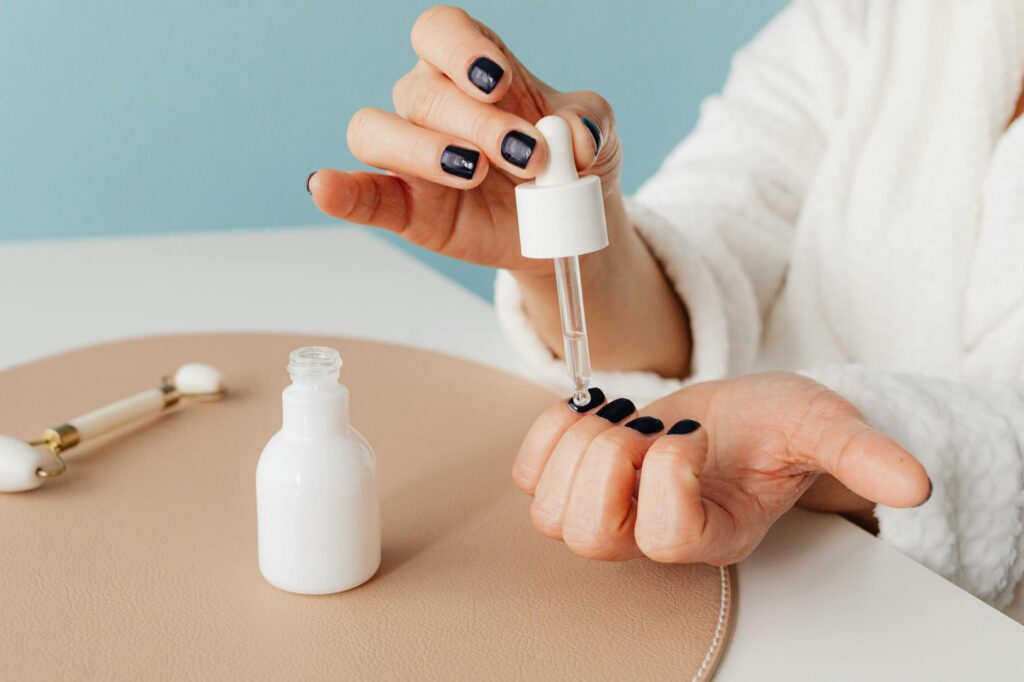
The serum’s lightweight texture means it layers well with other acne treatments. The ideal application sequence is to use it after water-based actives (like salicylic acid or niacinamide serums) but before heavier moisturizers or oils. This positioning allows the beta-glucan to hydrate without competing with or being blocked by occlusive layers underneath. A practical application pattern: cleanse, apply any exfoliating or acne-fighting serum, wait 1-2 minutes for those products to absorb, then apply iUNIK Beta-Glucan Serum.
If you’re using retinoids or other potentially drying treatments, the serum should be your primary hydration layer. Many acne sufferers who have been reluctant to use retinoids because of dryness find they can tolerate them better when layered with this serum—the improved hydration means the irritation-dryness feedback loop breaks. The 50ml size (1.69 fl oz) is compact, which works for the gel formula’s light consistency—you use less product than a traditional moisturizer, so the bottle lasts longer than the size suggests. For someone comparing cost-effectiveness against other acne-safe hydrators, the superior hydration performance (20% better than hyaluronic acid) means you’re getting more effective results at a similar price point, not at a premium.
Fungal Acne and Skin Barrier Considerations
Fungal acne—caused by malassezia yeast overgrowth rather than bacteria—is often misdiagnosed as regular acne because the breakouts look similar. However, fungal acne responds poorly to antibacterial acne treatments and actually worsens with many traditional acne moisturizers, which often contain fatty acids that feed the yeast. The iUNIK serum’s fungal acne certification indicates it’s been formulated and tested to avoid these triggers. However, if you’re uncertain whether you have fungal or bacterial acne, the serum is still safe to use. It’s suitable for dry, sensitive, normal, and acne-prone skin types without distinction, so it works as a baseline hydrator even if you’re still figuring out your acne type.
That said, if you suspect fungal acne but haven’t confirmed it, consider mentioning it to a dermatologist—fungal acne requires different treatment approaches (like selenium sulfide or oral antifungals), and hydration alone won’t resolve it, even though the serum will support skin health during treatment. The barrier repair properties of beta-glucan are particularly relevant here. A damaged skin barrier from acne treatments, inflammation, or over-exfoliation becomes more vulnerable to secondary fungal infections. By supporting barrier recovery through the serum’s multi-functional properties—antioxidant, anti-inflammatory, and barrier-repairing—you’re reducing the conditions that allow yeast to proliferate. This is why some acne sufferers with fungal acne report that switching to serum-based hydration actually helps prevent recurrence after they’ve treated the active infection.
Real-World Results and Clinical Evidence
Clinical research supports what users report anecdotally. A 30-day study using beta-glucan products measured improvements in hydration, brightness, elasticity, and antioxidant capacity—all measurable improvements that go beyond subjective “my skin feels softer” feedback. For acne-prone skin specifically, the brightness and elasticity improvements matter because they indicate the skin is healing and regenerating, not just persisting in a state of irritation.
A practical example: someone with moderate acne and dehydrated skin starts using the serum while continuing their existing acne treatment (benzoyl peroxide or salicylic acid). Within 7 days, their skin appears plumper and less flaky, which usually means they’re less tempted to over-moisturize or skip their acne treatment. By week 3-4, they often notice fewer new breakouts, not because the serum is fighting acne directly, but because the properly hydrated barrier is more resilient and less prone to reactive inflammation. The serum’s 4.2 out of 5-star rating is built on this kind of outcome—it doesn’t claim to cure acne, but it makes acne skin feel and look dramatically better while other treatments do the work.
The Science Behind Beta-Glucan’s Dual Action
Beta-glucan’s effectiveness comes from its unique structure. As a polysaccharide derived from mushroom sources, it works as both a humectant (attracting moisture) and a bioactive compound (triggering skin-supporting responses). This dual mechanism is why the serum outperforms single-mechanism hydrators like hyaluronic acid.
It’s not just pulling moisture in; it’s also signaling the skin to repair its barrier and reduce inflammation. The antioxidant capacity measured in clinical studies is particularly relevant for acne-prone skin because acne involves oxidative stress—the skin’s inflammatory response creates free radicals that damage collagen and can worsen scarring. By supporting antioxidant capacity, the serum helps prevent the kind of deep tissue damage that leads to permanent acne scars. This forward-looking benefit is often invisible in the short term but critical for long-term skin health.
Conclusion
iUNIK Beta-Glucan Serum delivers superior hydration for acne-prone skin while simultaneously calming inflammation and supporting barrier repair—a rare combination in acne skincare. The 20% hydration advantage over hyaluronic acid produces noticeable results within the first week, and the anti-inflammatory and barrier-supporting properties make it an essential layer for anyone actively treating acne with potentially drying medications or actives.
If your acne treatment routine has left your skin dehydrated, inflamed, or struggling to recover, or if you’re dealing with fungal acne or severely compromised skin, this serum addresses a core need that most acne moisturizers overlook. Start by using it as your primary hydration layer—after water-based actives, before occlusive creams—and expect to see both immediate comfort improvements and longer-term skin resilience gains within 4 weeks.