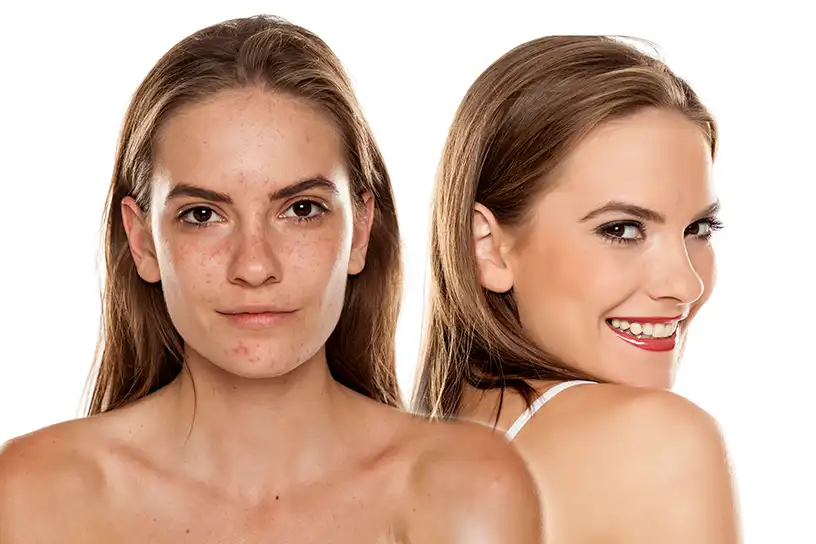
Inflammatory acne is a type of acne that causes red, swollen, and painful breakouts on the skin. It happens when pores get clogged with oil, dead skin cells, and bacteria, leading to strong swelling and irritation deep in the skin.
This kind of acne goes beyond simple blackheads or whiteheads. It shows up as red papules, which are small raised bumps, pustules filled with pus, nodules that feel hard and tender under the skin, and cysts that are large, deep, and very painful. These spots often appear on the face, jawline, chin, neck, chest, back, or shoulders. They can last for weeks or months if not treated and may leave scars because the inflammation damages deeper skin layers.
What causes inflammatory acne? It starts when oil glands make too much sebum, the natural oil that keeps skin soft. This mixes with dead skin cells and blocks hair follicles. Bacteria called Propionibacterium acnes, or P. acnes, grow in these blocked pores and trigger a big immune response. That leads to redness and swelling. Hormones play a big role too, especially during puberty, menstrual cycles, pregnancy, or conditions like polycystic ovary syndrome in adults. Other triggers include stress, which boosts oil production, high-sugar or dairy-heavy diets, certain medications, genetics, and using oily makeup or skincare products that clog pores.
Mild cases might respond to simple changes at home. Wash your face twice a day with a gentle cleanser to remove excess oil without stripping the skin. Use over-the-counter products with benzoyl peroxide to kill bacteria or salicylic acid to unclog pores. Apply these sparingly to avoid dryness, which can make skin produce more oil. Avoid picking or squeezing spots, as that spreads bacteria and worsens scarring. Lifestyle tweaks help too: eat fewer sugary foods and dairy if they seem to trigger breakouts, manage stress with sleep and exercise, and skip heavy makeup.
For moderate to severe inflammatory acne, see a dermatologist. They can prescribe stronger topical creams like retinoids to speed up skin cell turnover, topical antibiotics to fight bacteria, or azelaic acid to reduce swelling. Oral medications might include antibiotics for short-term use or hormonal treatments like birth control pills for women. For deep cysts and nodules, isotretinoin, a powerful oral drug, often clears severe cases but needs close monitoring due to side effects. In-office options include chemical peels, laser therapy, or steroid injections into cysts to shrink them fast.
Early treatment prevents scars and improves skin health. Track what worsens your breakouts, like diet or stress, and stick to a routine for steady results.
Sources
https://londondermatologyclinics.com/cystic-acne-your-guide-to-causes-and-management/
https://www.fivensondermatology.com/acne
https://www.britannica.com/science/acne
https://www.dallasdermcenter.com/clinical-dermatology/acne/
https://www.advanceddermatologypc.com/conditions/acne/
https://www.tuftsmedicine.org/about-us/news/acne-over-30
https://renotahoederm.com/when-its-time-to-see-a-dermatologist-for-acne-in-reno-nv/