iS Clinical Pro-Heal Serum Advance+ is a targeted treatment serum designed to reduce active acne inflammation, repair post-breakout damage, and help prevent future breakouts. The serum works through a carefully formulated blend of active ingredients—including 15% L-Ascorbic Acid (Vitamin C), 1% Retinol, Zinc Sulfate, and botanical extracts—that work together to calm inflamed skin, brighten discolored acne marks, and strengthen the skin barrier.
For someone dealing with painful cystic acne or persistent redness from frequent breakouts, this serum targets the inflammation directly while simultaneously working on the scarring and skin damage left behind. This article explains how each ingredient contributes to reducing acne inflammation, what conditions the serum addresses beyond acne alone, how to use it effectively, and whether it’s the right choice for your skin type and concerns. We’ll also cover what to expect in terms of timeline, potential side effects, and how it compares to other acne treatments.
Table of Contents
- How Does iS Clinical Pro-Heal Serum Reduce Acne Inflammation?
- What Conditions Does This Serum Address Beyond Acne?
- How Does the Vitamin C Concentration Impact Results?
- What’s the Best Way to Use iS Clinical Pro-Heal Serum for Acne?
- What Side Effects or Adjustments Should You Expect?
- Expected Timeline for Visible Results
- How iS Clinical Pro-Heal Fits Into a Complete Acne Routine
- Conclusion
How Does iS Clinical Pro-Heal Serum Reduce Acne Inflammation?
The serum’s anti-inflammatory power comes from multiple working parts. Zinc Sulfate is the primary inflammation fighter—it actively reduces redness and soothes irritated skin, making inflamed acne lesions appear calmer and feel less tender within days of use. The 15% L-Ascorbic Acid (Vitamin C) acts as both an antioxidant and a skin brightener; it neutralizes free radicals that can worsen inflammation and it begins fading the post-acne hyperpigmentation and red marks that linger after a breakout heals. This dual action means you’re not just treating today’s acne—you’re preventing the purple-red marks from becoming long-term scars.
The Retinol (1%) accelerates skin cell turnover, helping your skin shed damaged layers faster and rebuild healthier skin underneath. For acne-prone skin, this is critical because acne thrives on dead skin cell buildup in pores. By renewing the skin faster, Retinol helps prevent future breakouts while also smoothing out the uneven texture acne leaves behind. Vitamins E and A provide additional conditioning and free-radical protection, ensuring the skin doesn’t become more irritated during this renewal process. Olive Leaf Extract adds a soothing botanical element that supports overall skin health without adding unnecessary fragrance or irritants.

What Conditions Does This Serum Address Beyond Acne?
While acne inflammation is the primary target, the serum’s anti-inflammatory and repair properties make it effective for several related conditions. Rosacea and general facial redness respond well because the Zinc Sulfate and Vitamin C combination calms persistent inflammation without the irritation that some other actives cause. Users with mild scarring from past acne or even mild stretch marks report improvement in texture and appearance, though it’s important to note that severe, deep scarring or atrophic (pitted) scars may require more aggressive treatments like laser therapy or dermal fillers.
However, if you have extremely sensitive skin or have never used Retinol before, the serum’s 1% Retinol concentration combined with 15% Vitamin C can feel strong initially. The skin needs time to build tolerance to both actives, and introducing them too quickly or using them too frequently can trigger irritation, redness, or peeling—the opposite of what you’re trying to achieve. People with diagnosed dermatitis or skin barrier damage should patch test first and possibly introduce the serum gradually, starting with 2-3 times per week rather than daily application.
How Does the Vitamin C Concentration Impact Results?
The 15% L-Ascorbic acid concentration in Pro-Heal is considered the “sweet spot” for effectiveness—strong enough to deliver real brightening and antioxidant benefits, but not so high that it causes irritation or instability in the formula. For comparison, many drugstore Vitamin C serums are 5-10%, which tends to feel gentler but offers less visible brightening power, while prescription-strength formulations can go as high as 20%, which requires very careful use and isn’t suitable for daily application.
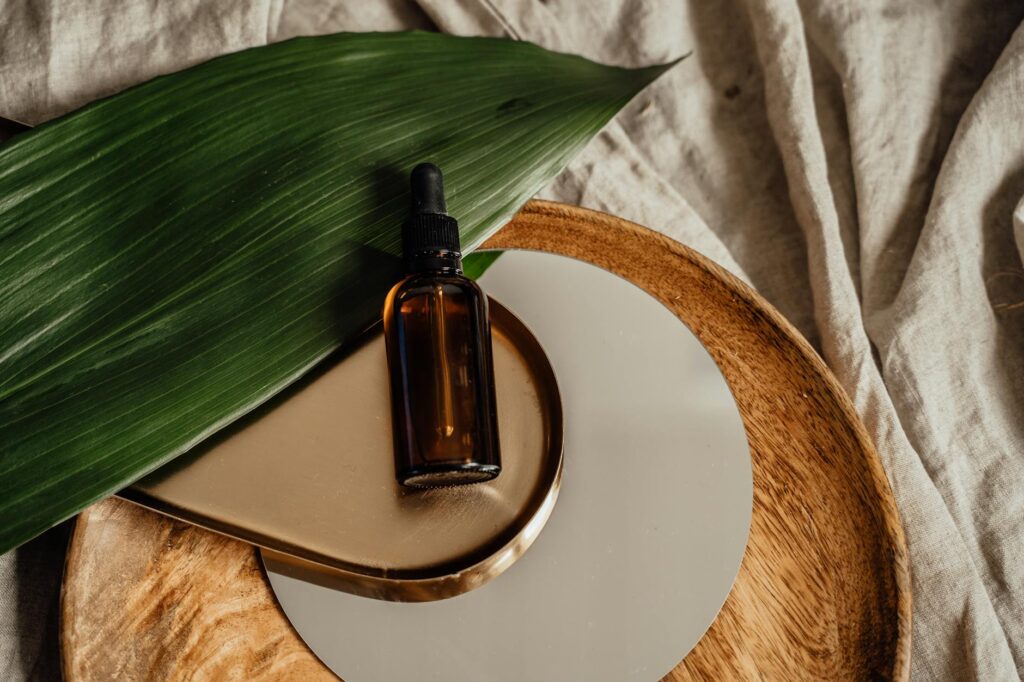
Because Vitamin C is notoriously unstable when exposed to air, light, or heat, the serum comes in an amber-tinted bottle designed to protect the formula. Once you open it, the potency will gradually decrease over several months, so using it consistently and storing it properly (away from direct sunlight and heat) ensures you get the full brightening benefit from every application. If you’re using it specifically to fade acne marks or post-inflammatory hyperpigmentation, consistency matters more than sporadic use; results typically appear after 6-8 weeks of regular daily application.

What’s the Best Way to Use iS Clinical Pro-Heal Serum for Acne?
Apply the serum to clean, dry skin in the morning and/or evening before moisturizer. A few drops go a long way—the serum is concentrated, so you don’t need to use much. Many people find morning application most valuable because the Vitamin C provides daytime antioxidant protection and the Zinc helps calm inflammation throughout the day. Evening use allows the Retinol to work during your skin’s natural repair cycle at night.
If you’re new to strong actives, start with evening-only application 3-4 times per week, then gradually increase frequency as your skin adapts. Most people can move to daily evening use within 2-3 weeks. Never apply the serum immediately after physical exfoliation or other active treatments (like acids or other Retinols), as combining multiple actives too aggressively can damage your skin barrier and worsen acne in the short term. Always follow the serum with a good moisturizer and daily sunscreen (SPF 30+), because Vitamin C and Retinol both increase sun sensitivity.
What Side Effects or Adjustments Should You Expect?
Initial irritation—including mild redness, dryness, or slight peeling—is common in the first 1-2 weeks, especially around the cheeks and T-zone. This is normal adjustment and typically resolves as your skin builds tolerance. However, if irritation persists beyond 2-3 weeks, becomes severe, or feels like burning or stinging, cut back to less frequent application or switch to every-other-night use.
Some users also experience temporary breakouts (purging) as dead skin cells and oil are brought to the surface faster—this usually clears within 2-4 weeks and is a sign the serum is working, not a reason to stop. If you have active cystic acne, the serum works better once the cyst begins to drain or flatten; applying it directly to an actively inflamed, unbroken cyst may feel uncomfortable. Also be cautious if you’re already using other Retinol products or prescription acne medications like tretinoin or adapalene—the combination can lead to excessive irritation or compromise your skin barrier. It’s safer to use Pro-Heal either as your primary acne treatment or to introduce it well after you’ve adapted to other actives over several weeks.
Expected Timeline for Visible Results
Inflammation reduction is often the fastest visible change—many users report that active acne appears calmer and less red within 3-5 days of starting the serum. The soothing effect from Zinc Sulfate is responsible for this quick turnaround, making the serum valuable even as a short-term inflammation fighter during a particularly bad breakout period.
Brightening of post-acne marks and prevention of future breakouts takes longer—typically 6-8 weeks of consistent daily use before you notice meaningful fading of purple, red, or brown acne scars. This is because Vitamin C needs sustained use to build up in the skin and the Retinol needs time to cycle through multiple skin cell generations. Patience is essential; jumping to a stronger treatment before giving this serum a fair trial is a common mistake.
How iS Clinical Pro-Heal Fits Into a Complete Acne Routine
This serum works best as part of a complete routine rather than a standalone fix. The most effective approach pairs it with a non-stripping cleanser, a lightweight moisturizer, and consistent sunscreen. If you’re also using other acne treatments—such as benzoyl peroxide or salicylic acid—use them at different times of day: for example, benzoyl peroxide cleanser in the morning and Pro-Heal serum at night.
This spacing prevents conflicting actives from overwhelming your skin. Looking ahead, many dermatologists are increasingly recommending multi-ingredient serums like Pro-Heal over single-active products because the combination approach delivers better results with less irritation than using each ingredient separately. As skin science evolves, the emphasis is shifting away from one-active treatments and toward smart combinations that target acne from multiple angles—exactly what this serum does.
Conclusion
iS Clinical Pro-Heal Serum Advance+ is a well-formulated treatment specifically designed to calm acne inflammation, repair acne damage, and prevent future breakouts. Its combination of Zinc Sulfate, 15% Vitamin C, Retinol, and botanical extracts addresses both active acne and the lasting marks breakouts leave behind. Results for inflammation reduction appear quickly (3-5 days), while visible fading of acne scars requires consistent 6-8 week use.
If you’re dealing with frequent breakouts, persistent post-acne redness, or stubborn acne marks, this serum is worth trying—particularly if you haven’t built up tolerance to Retinol yet, since 1% is a moderate starting strength. Start slowly, be patient with the timeline, and pair it with a complete routine that includes sunscreen. For severe scarring, cystic acne unresponsive to topical treatment, or severely compromised skin barriers, consult a dermatologist before starting, as professional treatment may be necessary alongside or instead of over-the-counter serums.