Intralesional 5-fluorouracil (5-FU) works by flattening raised acne scars and softening the tissue beneath them through a mechanism that slows down the production of scar cells. When injected directly into hypertrophic (raised) scars, 5-FU acts as an antimetabolite—essentially interfering with the fibroblasts that are actively building and maintaining excess scar tissue. Clinical studies show that patients who receive this treatment achieve visible flattening and softening, often within a few weeks of starting injections.
This article covers how 5-FU works, what the treatment process looks like, how it compares to other options, why combining it with other approaches produces better results, and what side effects you might experience. The key distinction is that intralesional 5-FU is specifically designed for raised scars—the kind that stick up above the skin surface. If you have depressed or rolling acne scars (the kind that creates indentations), 5-FU won’t be your primary option. But for anyone dealing with thick, ropy, or keloid-like raised acne scars that haven’t responded to topical treatments, this injection therapy has solid clinical backing.
Table of Contents
- How Does Intralesional 5-FU Actually Reduce Raised Acne Scars?
- The Treatment Protocol and What to Expect During Injections
- How Intralesional 5-FU Compares to Other Injection Treatments
- Why Combining 5-FU with Other Treatments Produces Superior Results
- Side Effects and What Happens After Injections
- How Long Do the Results Last and Will You Need Maintenance?
- Who Is the Right Candidate for Intralesional 5-FU Treatment?
- Conclusion
How Does Intralesional 5-FU Actually Reduce Raised Acne Scars?
The mechanism behind 5-FU’s effectiveness lies in how it interferes with collagen-producing cells. Hypertrophic scars form because fibroblasts—the cells responsible for producing collagen and connective tissue—don’t know when to stop working. They continue laying down scar tissue long after the wound has healed. When 5-FU is injected directly into the scar, it acts as an antimetabolite that suppresses fibroblast activity, essentially hitting the pause button on the overproduction of scar tissue.
This is particularly important for raised scars because their bulk comes from this excessive collagen accumulation. Clinical outcomes from studies using 5-FU, especially when combined with other treatments, show consistent results: all patients in one study achieved good clinical efficacy, with scars becoming visibly flattened and softened. About 23% of patients required just one injection to see meaningful improvement, while 77% needed two injections for optimal results. This variability means that scar thickness and how long it’s been present both affect how many treatments you’ll need—a deeper, older scar may require more sessions than a newer, shallower one.

The Treatment Protocol and What to Expect During Injections
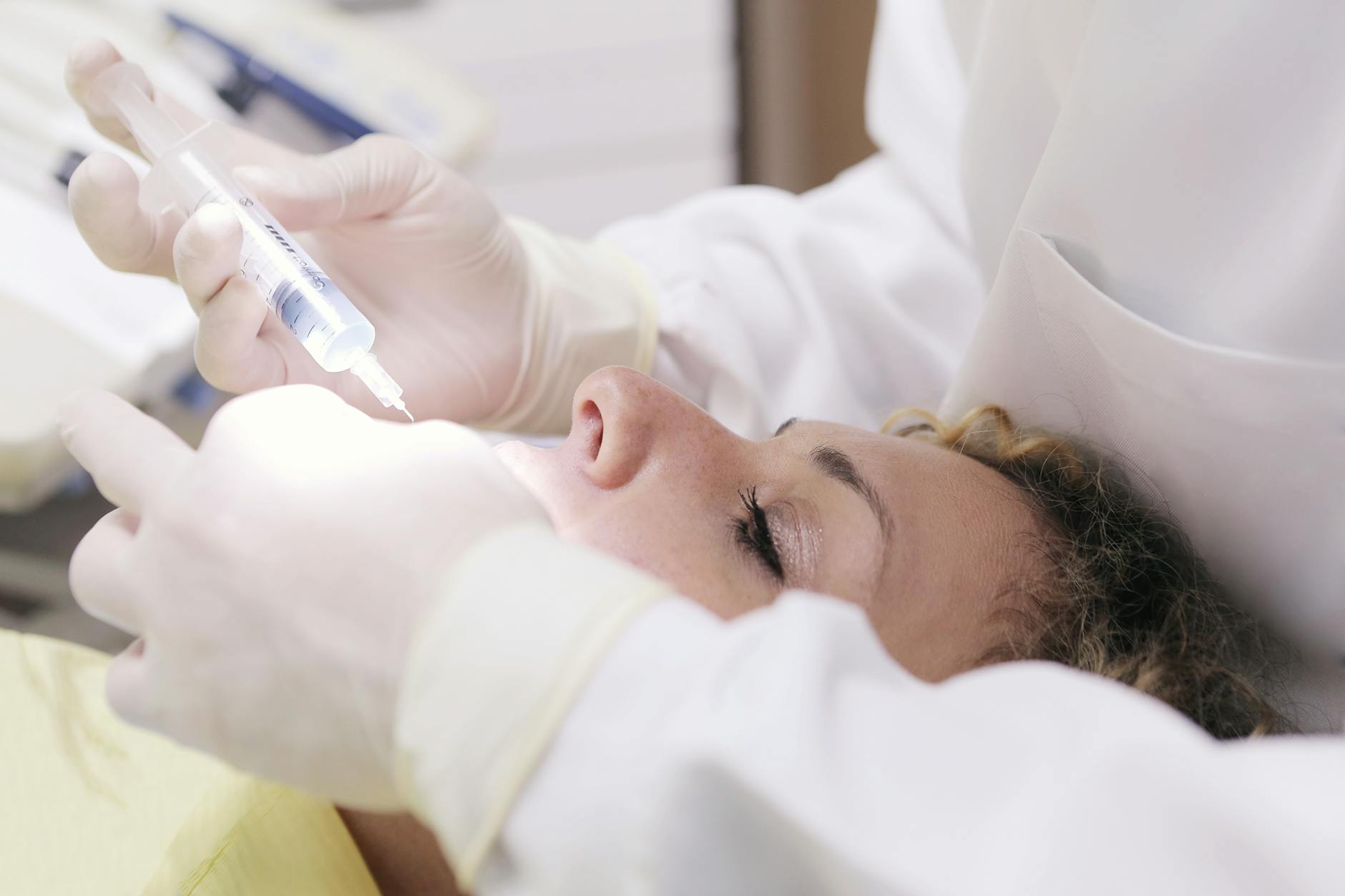
Intralesional 5-FU is administered at concentrations of 50-150 mg/ml, injected directly into the scar tissue at weekly intervals, with a maximum of 16 total injections per patient. Most treatment protocols involve 4 to 16 injections spaced 2 weeks apart, which means a full course of therapy typically takes 2 to 4 months to complete. The exact number depends on the scar’s size, depth, and how it responds to the initial injections—your dermatologist will assess progress as you go and adjust the treatment plan accordingly.
However, it’s critical to understand that this treatment is specifically for raised scars. If you have atrophic scars (the kind that create depressions or rolling indentations in the skin), intralesional 5-FU won’t address them effectively. Those types of scars require different approaches like laser resurfacing, microneedling, radiofrequency treatments, or dermal fillers. Getting the right diagnosis of your scar type is the first step—if your dermatologist determines you have hypertrophic scars, 5-FU becomes a viable option.
How Intralesional 5-FU Compares to Other Injection Treatments
For years, intralesional corticosteroids (like triamcinolone acetonide) were the standard injection therapy for raised scars and keloids. They work by reducing inflammation and suppressing collagen production, but they have limitations: they can cause skin atrophy (a depression or dimpling in the skin where the injection was made) and their effectiveness plateaus over time. Research comparing 5-FU tattooing (a technique where 5-FU is tattooed into the scar) shows that it’s significantly more effective than corticosteroid injections alone, particularly for thicker, more stubborn raised scars.
The important distinction is that 5-FU and corticosteroids work through different mechanisms, which is why many dermatologists now combine them rather than choosing one or the other. When patients receive 5-FU alongside triamcinolone acetonide, results improve noticeably compared to using either drug alone. One recent study found that combination treatment was more efficacious with a faster response rate and greater safety than corticosteroid monotherapy—meaning your scar improves more visibly and more quickly when both drugs are used together.
Why Combining 5-FU with Other Treatments Produces Superior Results
The most effective approach for raised acne scars combines intralesional 5-FU with intralesional triamcinolone acetonide (TAC) and often adds laser treatment—specifically pulsed dye laser (PDL) or other options. This three-pronged approach targets the scar from multiple angles: the 5-FU suppresses fibroblast activity to prevent ongoing collagen buildup, the triamcinolone reduces inflammation and shrinks the scar tissue, and the laser promotes collagen remodeling and can improve the scar’s texture and redness. When all three are used together, the results are noticeably better than any single treatment alone.
A concrete example: imagine you have a deep, red raised acne scar on your cheek that’s been there for five years. Using 5-FU injections alone might flatten it over several months, but adding triamcinolone gives you faster improvement and better softening, while adding PDL laser reduces the persistent redness and improves the skin texture around the scar. The combination approach is particularly valuable for extensive scars or those resistant to single-modality treatment. Your dermatologist will design a protocol based on your specific scars, but expect combination therapy to be mentioned as the most evidence-backed option.
Side Effects and What Happens After Injections
Intralesional 5-FU causes localized side effects at the injection sites, and understanding them helps you decide if this treatment is right for you. The most common adverse reactions are pain at the injection site, erythema (redness that extends beyond just the scar), and temporary pigmentation changes—either darkening or lightening of the skin in the treatment area. The good news is that these side effects are temporary; they typically subside within 3 weeks. The pain during the injection is brief, though some patients find it uncomfortable—topical anesthetics or ice can help minimize this.
One important warning: don’t expect the redness and any discoloration to fade immediately after your first injection. The inflammatory response to the injection can actually make the area look worse for a few days before it improves. This is normal and shouldn’t alarm you, but it does mean you’ll want to schedule injections when you don’t have important events or photos planned for the next few weeks. Additionally, if you have darker skin tones, you should discuss pigmentation risk with your dermatologist beforehand, as post-inflammatory hyperpigmentation or hypopigmentation can be more noticeable on darker complexions.

How Long Do the Results Last and Will You Need Maintenance?
Clinical data shows that the benefits of intralesional 5-FU therapy are maintained for at least 1 year after completing treatment. This is one of the advantages of 5-FU compared to some other injectable treatments—once your scar flattens and softens, the improvement is durable. The reason is that 5-FU fundamentally changes how the scar cells behave rather than temporarily numbing inflammation; it actually reduces the underlying scar tissue.
However, “maintained for at least 1 year” in research doesn’t mean the scar returns to 100% normal—it means the improvement you achieved stays stable. Some scars may require touch-up injections after a year if they show any sign of thickening again, though this is less common than with corticosteroid-only treatments. Your dermatologist can reassess you at the 1-year mark and determine whether your results are stable enough to stop treatment or whether an occasional maintenance injection would be worthwhile.
Who Is the Right Candidate for Intralesional 5-FU Treatment?
The ideal candidate for intralesional 5-FU has confirmed hypertrophic (raised) acne scars, has realistic expectations about the timeline (you’re looking at 2 to 4 months of treatment), and is willing to deal with temporary redness and possible pigmentation changes. You should be in good overall health, not pregnant (5-FU is a chemotherapy drug and isn’t advised during pregnancy), and able to protect your skin from sun exposure during the treatment period—sun exposure can worsen pigmentation changes. It’s equally important to understand who shouldn’t pursue this treatment.
If your scars are primarily atrophic (depressed), laser resurfacing or microneedling will serve you better. If you have active acne still forming, you’ll want to clear that up first, otherwise you’ll be treating old scars while new ones form. And if you have a history of keloid formation or very reactive skin, discuss this with your dermatologist—5-FU is generally safe, but they may want to start with lower concentrations or combine it with other scar-prevention strategies.
Conclusion
Intralesional 5-fluorouracil is a well-researched, effective treatment specifically for raised acne scars, working by suppressing the fibroblasts that maintain excessive scar tissue. The treatment is safe and durable—results last at least 1 year—with side effects (pain, redness, pigmentation changes) that resolve within 3 weeks. Clinical data consistently shows that combining 5-FU with intralesional corticosteroids and laser therapy produces better results than any single approach alone, and most patients see meaningful improvement with 1 to 2 injections per scar.
If you’re considering this treatment, the first step is scheduling a consultation with a dermatologist who can confirm you have hypertrophic scars and design a treatment protocol tailored to your scar characteristics. Ask about combination therapy options and set realistic timelines—scar improvement is gradual, typically visible within a few weeks but reaching full potential over several months. For raised acne scars that haven’t responded to topical treatments or less invasive options, intralesional 5-FU represents a proven path forward.