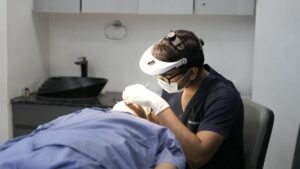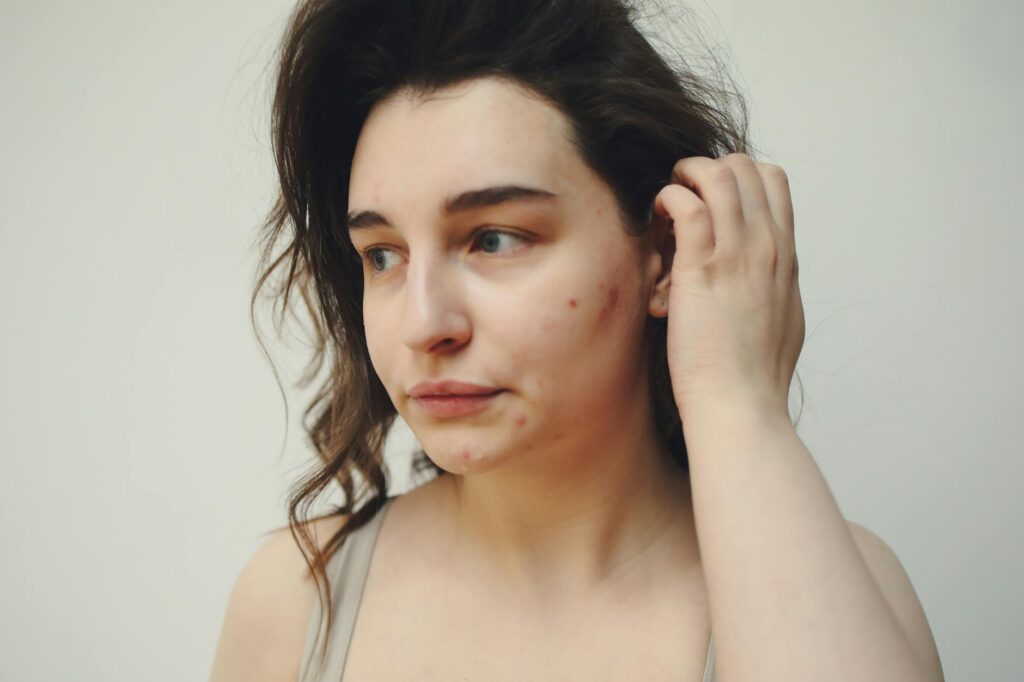
Integrative dermatology offers acne treatment by combining conventional medical approaches with evidence-based complementary therapies that address the underlying causes of breakouts rather than just treating symptoms. Instead of relying solely on topical creams or antibiotics, integrative dermatologists investigate how diet, stress, gut health, hormonal imbalances, and environmental factors contribute to acne, then develop personalized treatment plans that target these root causes.
For example, a patient struggling with persistent acne might discover that dairy intake is triggering inflammation, or that their gut microbiome imbalance is worsening breakouts—insights that standard dermatology often overlooks. This comprehensive approach emphasizes prevention, patient education, and sustainable skin health rather than quick fixes. This article explores what integrative dermatology actually offers, including specific treatment modalities, the science behind dietary interventions, emerging therapies for acne scars, and how to integrate these approaches with conventional care.
Table of Contents
- How Does Integrative Dermatology Address Acne Differently?
- What Treatment Modalities Does Integrative Dermatology Use?
- How Does Diet Impact Acne in Integrative Treatment Plans?
- Which Topical and Botanical Treatments Prove Most Effective?
- What About Acne Scars and Advanced Integrative Treatments?
- How Does Stress and Lifestyle Integration Matter for Acne?
- What Does Current Evidence Tell Us About Integrative Dermatology’s Future?
- Conclusion
How Does Integrative Dermatology Address Acne Differently?
Integrative dermatology operates on a fundamentally different philosophy than traditional dermatology. Instead of viewing acne as purely a skin condition caused by bacteria and sebum production, integrative practitioners recognize that acne results from multiple contributing factors including diet, lifestyle, environmental exposures, endocrinopathies, and metabolic processes. This means treatment targets not just the visible lesions, but the systemic imbalances driving them.
A patient with acne might undergo evaluation for hormonal issues, food sensitivities, stress levels, sleep quality, and digestive health—areas that conventional dermatology typically doesn’t address. The 2026 Integrative Dermatology Symposium has highlighted an emerging focus on microbiome health, recognizing that skin health is deeply connected to gut bacteria and overall immune function. However, it’s important to note that integrative approaches don’t reject conventional treatments; rather, they work alongside them. A dermatologist might still prescribe topical treatments like clascoterone 1% (effective for patients aged 12 and older) or oral medications when appropriate, but they integrate these with nutritional support and lifestyle modifications to improve outcomes and reduce side effects.
What Treatment Modalities Does Integrative Dermatology Use?
The treatment toolkit in integrative dermatology is notably diverse and extends well beyond what most patients expect. Evidence-based modalities include dietary modifications, prebiotics and probiotics to support gut health, vitamin and mineral supplements such as zinc, vitamin A, B-complex vitamins, and niacinamide, oral and topical botanical supplements, essential oils including tea tree oil, bee products, and mind-body techniques like meditation and breathwork. Tea tree oil deserves particular attention here, as recent research demonstrates its genuine effectiveness: clinical studies show tea tree oil is 3.55 times more effective than placebo for reducing total acne lesion count and 5.75 times more effective for the acne severity index.
This doesn’t mean tea tree oil replaces prescription treatments, but it represents a legitimate evidence-based option that can be incorporated into a comprehensive regimen. The limitation is that tea tree oil effectiveness varies between individuals, and some people develop contact dermatitis from concentrated forms—dilution and patch testing are essential. Additionally, while these modalities show promise individually, their greatest benefit emerges when used as part of a coordinated treatment strategy rather than as isolated interventions.
How Does Diet Impact Acne in Integrative Treatment Plans?
Diet occupies a central role in integrative acne management because food directly influences inflammation, hormone levels, and gut health—all key acne drivers. Research increasingly supports the connection between dietary choices and acne severity, with dairy emerging as a particularly significant factor. evidence suggests that avoiding or limiting all forms of dairy—milk, cheese, yogurt, and butter—may significantly benefit acne-prone individuals, as dairy intake has been linked to increased risk and severity of acne.
This doesn’t mean everyone with acne must eliminate dairy, but integrative practitioners often recommend an elimination trial lasting 4-6 weeks to assess individual response. Beyond dairy, the broader dietary approach focuses on reducing inflammatory foods, increasing antioxidant-rich vegetables, managing blood sugar through lower glycemic index choices, and supporting gut health through fiber and fermented foods. The comparison is telling: while a conventional dermatologist typically doesn’t discuss diet, an integrative dermatologist views dietary modification as a primary intervention that can dramatically reduce reliance on topical or oral medications. However, dietary changes require patience and consistent implementation—most people need 6-8 weeks to notice meaningful improvements, and this demands more effort and motivation than simply applying a cream.

Which Topical and Botanical Treatments Prove Most Effective?
Beyond tea tree oil, integrative dermatology incorporates various botanical and topical options, though the evidence varies considerably. Niacinamide (a form of vitamin B3) stands out as well-researched and effective for reducing sebum production and inflammation, making it suitable for acne-prone skin types. Other botanical supplements like some herbal extracts show promise based on traditional use and emerging research, though the American Academy of Dermatology has not yet recommended herbal and alternative therapies due to limited standardized data on safety and efficacy.
This creates a practical tension: patient interest in complementary and alternative medicine is rising, yet formal guidelines lag behind the available evidence. When choosing between options, consider this comparison: a topical botanical formulation with niacinamide offers gentleness and minimal side effects, making it ideal for sensitive skin or those who’ve experienced irritation from conventional treatments; however, it may require longer to show results compared to prescription retinoids. Clascoterone 1%, a newer conventional topical treatment approved for ages 12 and older, can be integrated alongside botanical approaches—some integrative practitioners use it as the foundation while adding complementary therapies to address underlying causes and support overall skin health.
What About Acne Scars and Advanced Integrative Treatments?
Acne scar treatment has evolved significantly, and integrative dermatology is witnessing innovation in this area. A January 2026 study demonstrated that combination therapy using polynucleotides and hyaluronic acid shows promise for treating atrophic acne scars—the pitted, indented type that bothers many acne survivors. This treatment works by stimulating fibroblast cells to produce type I and III collagen and elastin fibers, essentially reorganizing the skin’s internal scaffolding to fill in depressed scars.
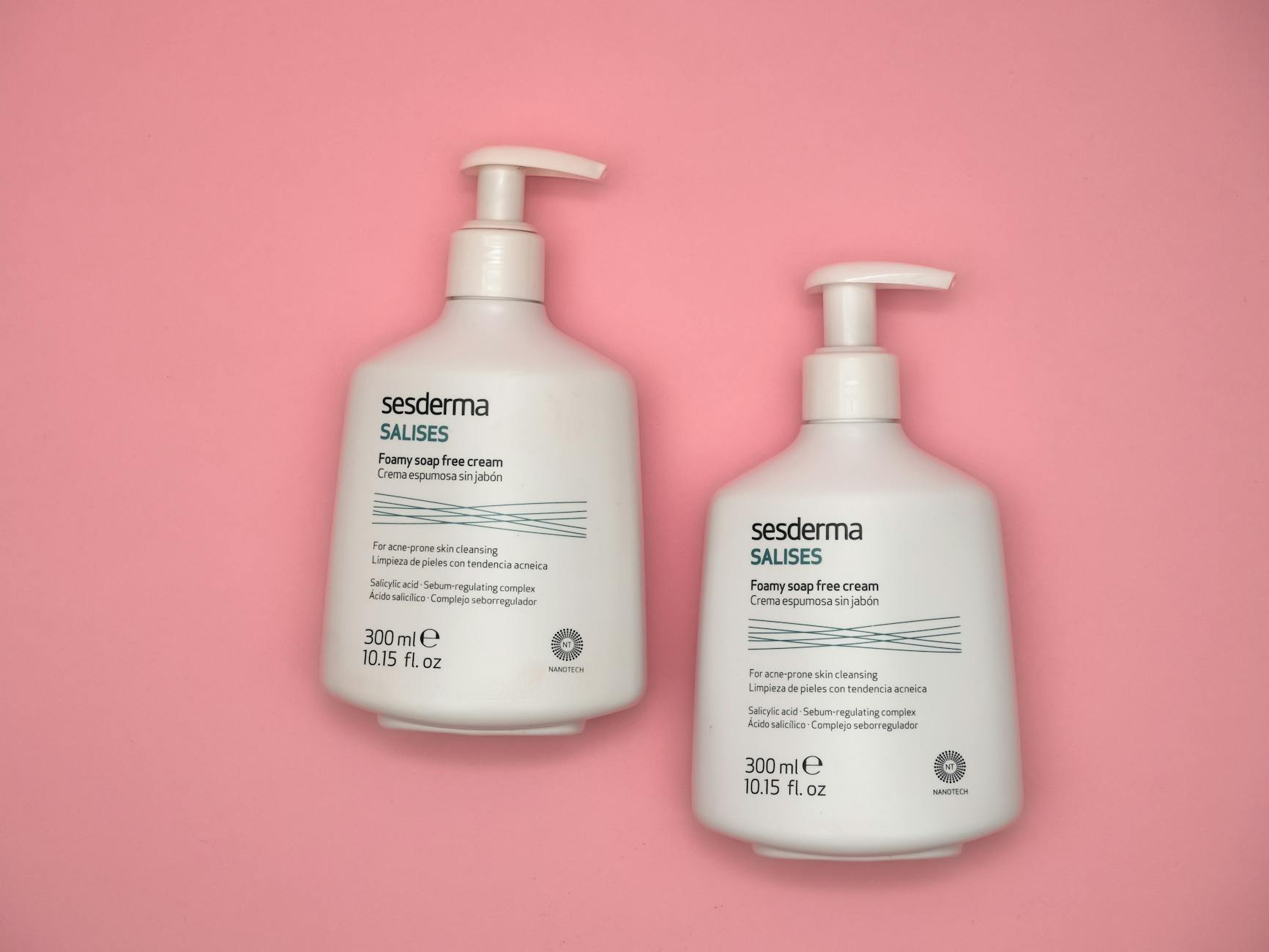
The integrative angle here is important: these newer treatments are ideally paired with ongoing nutritional support and skin barrier strengthening through comprehensive skincare regimens. Speaking of which, research confirms that comprehensive skincare regimens reduce treatment-related irritation, improve outcomes and patient adherence, enhance overall skin quality, and may accelerate healing and mitigate side effects from traditional acne medications including skin irritation and potential antibiotic resistance. The limitation is that advanced scar treatments are typically expensive and may require multiple sessions, making them inaccessible to everyone. Additionally, prevention remains superior to treatment—addressing acne early through integrative approaches prevents many scars from forming in the first place.
How Does Stress and Lifestyle Integration Matter for Acne?
Integrative dermatology recognizes that stress directly influences acne through hormonal pathways and immune dysregulation. Mind-body techniques like meditation, breathwork, and stress management aren’t fringe add-ons in this model—they’re recognized components of acne treatment. A patient experiencing work-related stress might develop a worsening skin condition that no topical cream fully resolves until stress-reduction practices are implemented.
Sleep quality matters similarly; poor sleep disrupts cortisol rhythms and immune function, promoting acne breakouts. The integrative approach includes evaluating and optimizing these lifestyle factors as rigorously as prescribing supplements. However, there’s a practical limitation: lifestyle changes require sustained effort and commitment, and they don’t provide the immediate visible improvement that some patients expect from a prescription. The trade-off is real—medications work quickly but may cause side effects and don’t address underlying causes, while integrative lifestyle changes work more slowly but create lasting improvement and better overall health.
What Does Current Evidence Tell Us About Integrative Dermatology’s Future?
The evidence base for integrative acne treatment is expanding, though it remains less extensive than conventional dermatology research. The growing emphasis on microbiome health—central to the 2026 Integrative Dermatology Symposium’s theme of guiding “Patients Toward a Healthy Biome and Optimal Skin Health”—suggests that future acne treatment will increasingly recognize skin health as inseparable from gut health. This shift reflects a broader maturation in understanding that sustainable acne control requires addressing systemic factors.
As more research validates specific interventions like tea tree oil and dietary modifications, and as innovative treatments like polynucleotide therapy emerge, the gap between integrative approaches and conventional medicine continues to narrow. The field is moving toward a unified model where conventional and complementary therapies work together based on evidence rather than ideology. Patients today benefit from this evolution: they have access to more options, more personalized care, and a deeper understanding of why their acne exists and how to address it comprehensively.
Conclusion
Integrative dermatology offers acne patients a comprehensive, personalized approach that combines conventional medical treatments with evidence-based dietary, nutritional, botanical, and lifestyle interventions. Rather than treating acne as an isolated skin condition, it investigates and addresses the underlying systemic factors—dietary sensitivities, gut health, stress, hormonal imbalances, and inflammation—that drive breakouts. This multi-faceted approach delivers real benefits: improved treatment outcomes, reduced side effects, prevention of acne scars, and sustainable skin health rather than temporary symptom management. If you’re struggling with acne, consider consulting with a dermatologist trained in integrative approaches who can evaluate your individual situation and develop a personalized treatment plan.
Start with the most accessible interventions: evaluate your dairy intake, reduce inflammatory foods, implement stress-reduction practices, and build a comprehensive skincare routine. If acne persists, add targeted supplements like zinc or niacinamide, and explore topical botanical options. In cases requiring stronger intervention, conventional treatments like clascoterone or oral medications remain valuable tools, especially when paired with the nutritional and lifestyle support that integrative dermatology emphasizes. The future of acne treatment isn’t either-or; it’s a coordinated strategy that uses the best of conventional medicine alongside evidence-based complementary approaches.