Innisfree Jeju Volcanic Clay is an absorbent clay mask that draws out sebum and impurities from pores, making it effective for oily and acne-prone skin types. The mask contains volcanic ash from Jeju Island, which has a porous structure that acts like a sponge, pulling excess oil and dirt from the skin’s surface and deeper within pores. For someone with consistently oily skin and clogged pores, using this mask 1-2 times per week can noticeably reduce shine and the frequency of breakouts within 2-3 weeks of regular use. This article explores how the clay works, what you can realistically expect, how to use it properly without overdrying your skin, and how it compares to other acne-fighting clay masks on the market.
Table of Contents
- How Does Volcanic Clay Extract Sebum and Unclog Pores?
- What Makes Innisfree’s Jeju Volcanic Clay Formulation Unique?
- How to Apply Innisfree Jeju Volcanic Clay for Maximum Acne-Fighting Benefits?
- What Results Can You Realistically Expect From Using Innisfree Jeju Volcanic Clay?
- Potential Side Effects and Skin Irritation From Volcanic Clay Masks?
- How Does Innisfree Jeju Volcanic Clay Compare to Other Clay Masks?
- The Role of Clay Masks in a Comprehensive Acne Treatment Plan
- Conclusion
How Does Volcanic Clay Extract Sebum and Unclog Pores?
Volcanic clay works through a process called adsorption, where the porous mineral structure captures and binds to oil molecules, bacteria, and dead skin cells. Unlike absorption, which involves liquid soaking into a material, adsorption is a chemical attraction between the clay minerals and the impurities on your skin. Jeju volcanic ash is mined from volcanic deposits and contains naturally occurring minerals like silica, aluminum, and magnesium that create millions of tiny pores. When you apply the clay as a mask and allow it to dry, these pores act as traps for sebum and trapped dirt that would otherwise remain in your skin. The absorbent capacity of volcanic clay is particularly useful for acne because excess sebum is one of the primary contributors to breakout formation. When oil accumulates in a pore alongside dead skin cells and bacteria, it creates an anaerobic environment where acne-causing bacteria thrive.
By pulling out excess sebum before it can oxidize and mix with dead skin cells, the clay reduces the ideal conditions for bacterial growth. Someone with oily skin in their T-zone might notice that the forehead feels significantly less greasy after a volcanic clay mask compared to their normal routine alone. However, it’s important to note that clay masks don’t permanently reduce sebum production—they provide temporary surface and pore cleansing. Your skin will continue producing oil at its baseline rate, which is actually necessary for healthy skin. This means that while volcanic clay is useful as a weekly treatment, it’s not a long-term acne solution on its own. The clay addresses the symptom of clogged pores rather than the underlying causes of acne like hormonal fluctuations or bacterial overgrowth.
What Makes Innisfree’s Jeju Volcanic Clay Formulation Unique?
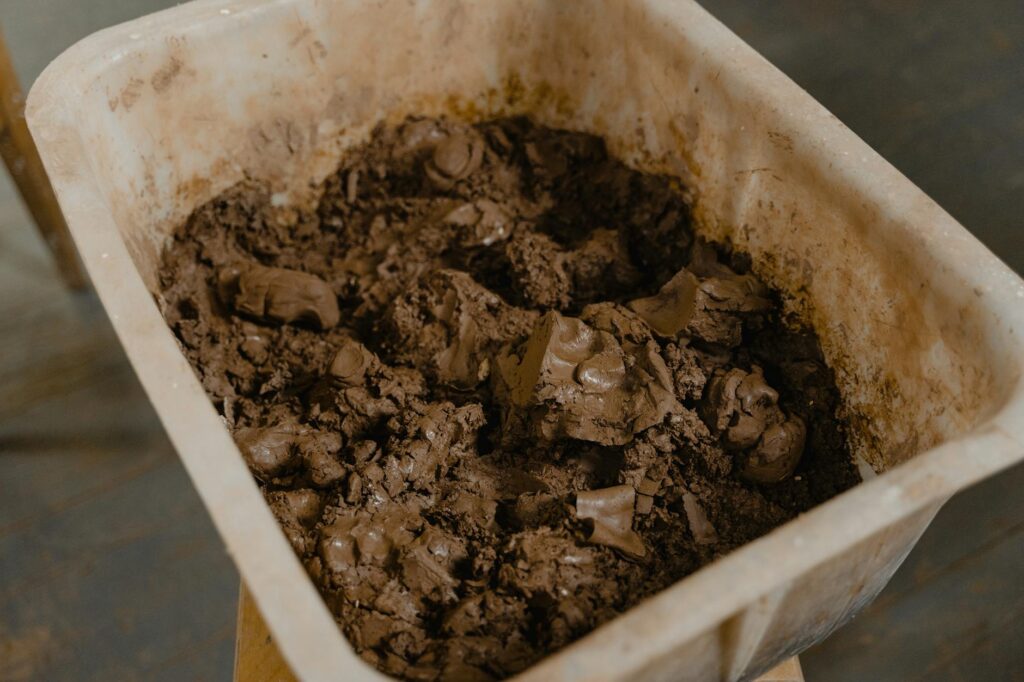
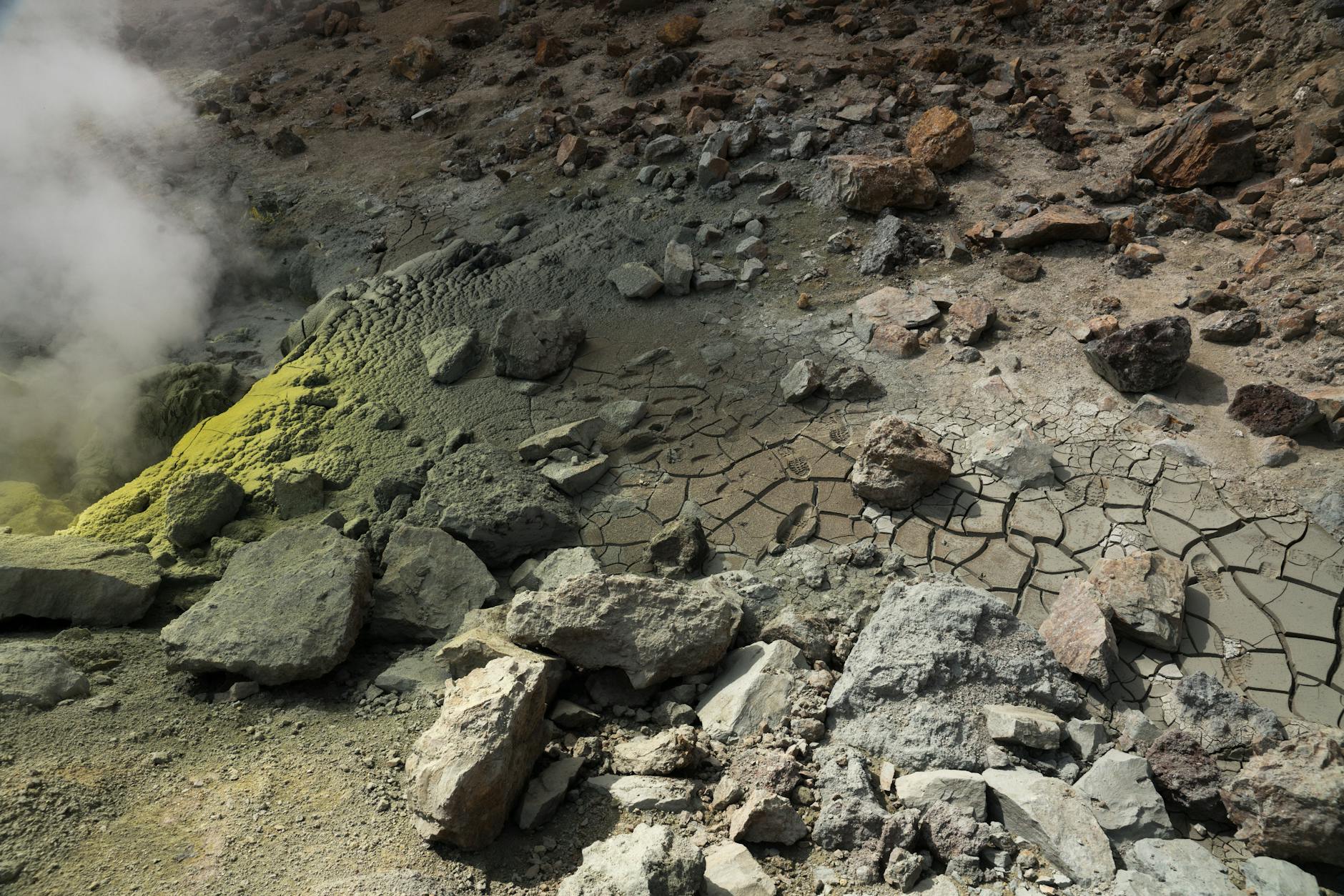
Innisfree sources its volcanic ash directly from Jeju Island in South Korea, an island with significant volcanic activity and geothermal features. The brand mines and processes this ash into a powder that they incorporate into their mask formula, combined with water, glycerin, and other binding ingredients to create a pumpable paste. Unlike pure volcanic ash, which would be extremely drying and irritating on its own, Innisfree’s formulation includes hydrating ingredients that prevent the mask from over-stripping the skin. The consistency is thinner and easier to apply than some competing clay masks, which makes it less intimidating for people new to clay mask treatments. The specific mineral composition of Jeju volcanic ash gives it an advantage over some generic clay sources. The ash contains naturally high levels of silica and trace minerals that enhance its oil-absorbing capacity without requiring additional chemical binders.
This makes it gentler than some synthetic clays while still being effective at drawing out sebum. A person using this mask might find that their skin feels clean without that tight, uncomfortable feeling that can come from harsher clay masks that contain bentonite or kaolin clay in higher concentrations. One limitation of Innisfree’s formulation is that it’s not as concentrated as a pure clay would be. The addition of humectants like glycerin means that while the mask does absorb oil, it’s also hydrating the skin simultaneously. This trade-off makes it safer for sensitive skin types, but it also means that someone with extremely oily skin and severe congestion might find that a stronger, more concentrated clay mask works faster. Additionally, the mask is designed to be left on for only 10 minutes, which is shorter than many other clay masks, so the total contact time for oil absorption is limited compared to longer-wear options.
How to Apply Innisfree Jeju Volcanic Clay for Maximum Acne-Fighting Benefits?
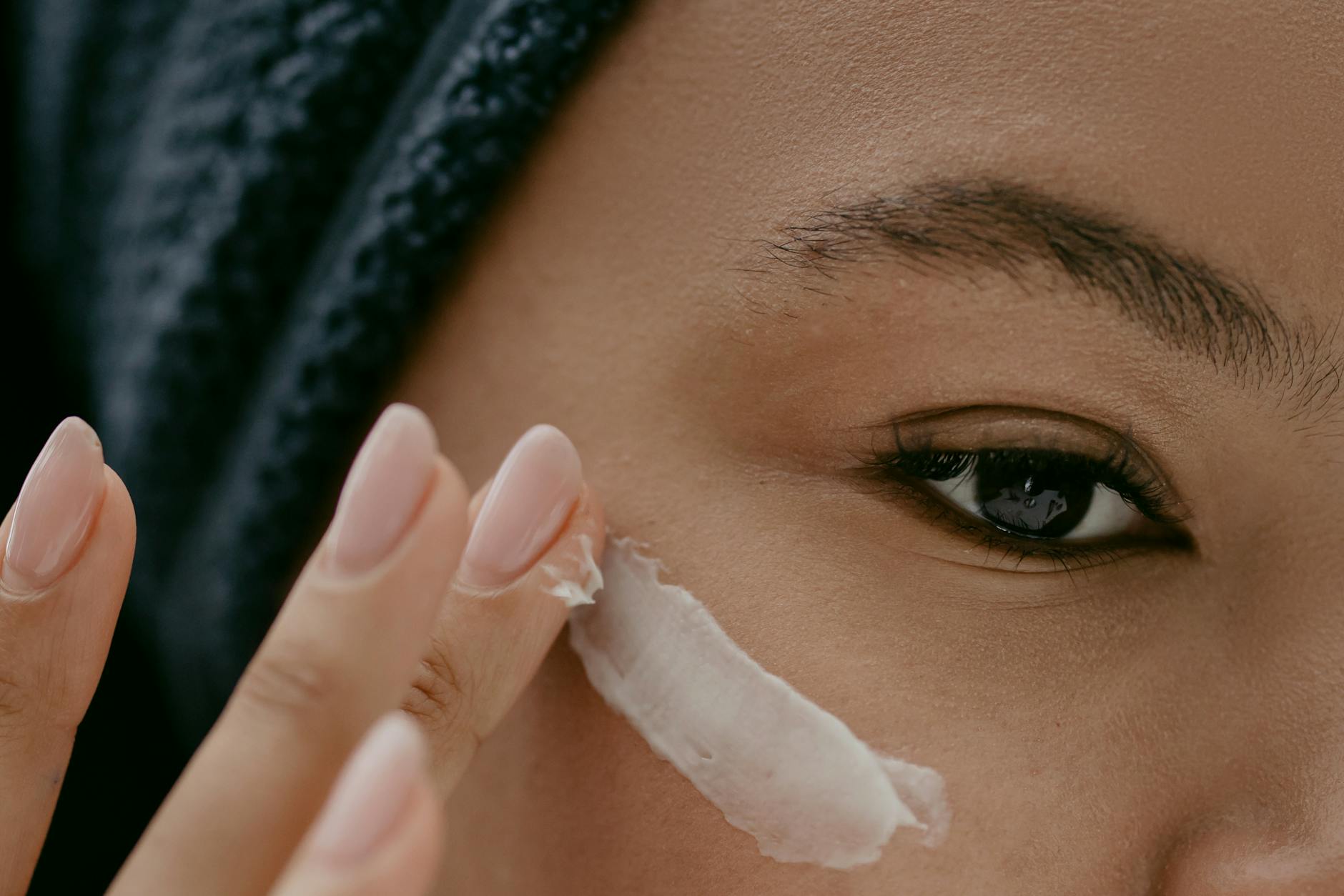
The application process matters significantly when using clay masks for acne treatment. Start with a clean face and damp skin—slightly damp skin helps the clay spread more easily and prevents over-drying. Apply a thin, even layer to your entire face or just to the acne-prone areas like the forehead, nose, and chin. A common mistake is applying the mask too thickly, which doesn’t improve results and actually increases the drying effect. You want to apply just enough that you can see the layer without it being caked on. Leave the mask on for 8-10 minutes, not longer, even if the instructions say you can go up to 15 minutes. Volcanic clay masks work quickly, and leaving them on too long can irritate your skin and cause redness. When rinsing, use lukewarm water and gently massage your face in circular motions as the mask washes away—this helps loosen any remaining impurities in your pores.
Avoid using a washcloth or brush, as your skin will already be sensitized from the clay treatment. After rinsing completely, pat your skin dry and immediately apply a lightweight moisturizer. This step is crucial because clay masks can temporarily disrupt your skin barrier, and following up with hydration helps restore balance. Someone with acne-prone skin might use a non-comedogenic moisturizer or a hydrating toner in this step, avoiding heavy creams that could re-clog the pores you just cleared. Frequency matters when using clay masks for acne treatment. Using the mask once per week is ideal for most people with acne-prone skin, while those with very oily skin might tolerate twice weekly use. Using clay masks more frequently than twice per week can lead to over-drying, irritation, and even increased oil production as your skin compensates for the moisture loss. If you’re combining the clay mask with other acne treatments like benzoyl peroxide or salicylic acid, be especially cautious about frequency. Someone on active acne medication should start with once-weekly clay masks and observe how their skin responds before increasing frequency.

What Results Can You Realistically Expect From Using Innisfree Jeju Volcanic Clay?
Immediate results are visible in most cases—your skin will feel smoother and look less shiny within hours of using the mask. The pores will appear smaller due to the removal of debris and sebum, and the overall texture of your skin becomes more refined. This immediate effect is due to the physical removal of surface impurities and temporary pore-tightening as the clay dries. These immediate results last for about 1-2 days before oil naturally begins accumulating again. If you have an event and want your skin to look clearest, using this mask the night before can be helpful. The more meaningful results come from consistent, weekly use over 2-3 weeks. With regular use, the frequency of breakouts may decrease because you’re preventing the pore-clogging that leads to acne formation.
The oil control becomes slightly more sustained because you’re regularly preventing sebum buildup. Someone who has been breaking out primarily from congestion and oily skin might see a reduction in comedones and small pustules within 3 weeks of weekly mask use. However, if acne is being driven by hormonal factors, bacterial overgrowth, or an underlying skin condition, the clay mask alone won’t resolve those issues. The improvement plateaus after about 4-6 weeks of regular use. At that point, continuing to use the mask maintains the benefits but doesn’t provide additional improvement. If you’re not seeing any reduction in breakouts after 4-6 weeks of twice-weekly use, the clay mask may not be addressing your primary acne driver, and you should consider adding other treatments like topical antibiotics, retinoids, or benzoyl peroxide. Some people find that using the mask in winter provides more noticeable benefits because seasonal oil production is higher, while in dry months, the benefit might be less apparent.
Potential Side Effects and Skin Irritation From Volcanic Clay Masks?
The most common side effect is over-drying and temporary redness or sensitivity, particularly if the mask is left on too long or used too frequently. Your skin’s barrier is delicate, and clay masks can disrupt it by removing not just excess sebum but also some of the natural protective oils your skin needs. Someone with combination skin or underlying rosacea might experience more pronounced redness that takes 2-3 hours to fade. If redness persists beyond a few hours or is accompanied by burning or stinging, you’ve either left the mask on too long or are using it too frequently—reduce usage to once weekly and see if sensitivity improves. In some cases, volcanic clay can cause breakouts in the days following use if the mask is too strong or the skin barrier is compromised.
This happens when the mask removes too much oil, triggering the skin to overproduce sebum in response, or when the disruption to the skin barrier allows bacteria to proliferate. If you experience breakouts after using the mask, give your skin a 1-2 week break, focus on barrier repair with hydrating and soothing products, and then try the mask again at a much lower frequency. Additionally, if you have very dry, sensitive, or reactive skin, clay masks might not be appropriate for you at all—patch testing on a small area first is wise. A warning for those with active acne lesions or severely inflamed skin: avoid applying the mask directly to active nodular cystic acne or to areas with broken skin. The clay can further dry out inflamed areas and potentially irritate or worsen the lesion. Use the mask only on calm, non-inflamed areas of acne-prone skin, or skip it entirely until the active inflammation has settled.
How Does Innisfree Jeju Volcanic Clay Compare to Other Clay Masks?
When compared to kaolin and bentonite clay masks, which are more commonly used in acne products, Innisfree’s volcanic clay is gentler but potentially less powerful. Bentonite clay, often used in pore-cleansing masks, absorbs oil more aggressively and works faster, but it’s also more likely to cause over-drying and irritation with frequent use. Kaolin clay is lighter and good for sensitive skin, but it’s less absorbent than bentonite or volcanic ash. Innisfree’s volcanic clay sits in the middle—it’s more absorbent than kaolin but less potentially irritating than pure bentonite. For someone new to clay masks or with sensitive acne-prone skin, Innisfree’s formulation is often a better starting point than stronger alternatives.
Compared to other volcanic clay mask options, Innisfree is fairly representative in terms of results and formulation approach. Korean beauty brands like Etude House and Mediheal also offer volcanic clay or pore-cleansing masks with similar mechanisms. The main advantages of Innisfree are its widespread availability, reasonable pricing, and the addition of hydrating ingredients that make it tolerable for more skin types. If budget is a concern, there are cheaper clay masks, but they may be more drying. If you want a more powerful mask, there are stronger formulations, but they require more careful use and are more likely to cause irritation.
The Role of Clay Masks in a Comprehensive Acne Treatment Plan
Volcanic clay masks work best as part of a broader acne management strategy rather than as a standalone solution. If you’re using topical retinoids, benzoyl peroxide, or salicylic acid for acne, the clay mask can complement these treatments by keeping pores clear between applications of active ingredients. The clay helps reduce oil and bacteria while the topical treatments work on deeper bacterial populations and cellular turnover. This combination can be more effective than either approach alone.
However, timing matters—use the clay mask on a separate day from intensive acne treatments to avoid over-irritating your skin. Looking forward, the role of clay masks in skincare is shifting as new extraction and pore-cleansing technologies emerge. Chemical exfoliants, enzyme-based treatments, and prescription-strength retinoids are increasingly the first-line treatment for acne, while clay masks are becoming more of a supplemental, maintenance step. That said, for people who prefer a gentler approach or who have mild to moderate congestion-based acne, clay masks like Innisfree’s Jeju Volcanic Clay will likely remain a popular, accessible option. The formulation’s balance between effectiveness and gentleness makes it suitable for ongoing maintenance even as other acne treatments become more sophisticated.
Conclusion
Innisfree Jeju Volcanic Clay is effective at temporarily clearing pores and reducing oil for anyone with oily, congestion-prone acne. The volcanic ash in the formula absorbs sebum and impurities through the adsorption process, leaving skin feeling cleaner and looking less shiny. With consistent weekly use, you can expect a noticeable reduction in breakouts related to clogged pores within 2-3 weeks, though results plateau and the mask works best as part of a comprehensive acne treatment plan rather than as a standalone solution.
To use the mask effectively, apply a thin layer to damp skin, leave it on for 8-10 minutes, and always follow up with hydration to protect your skin barrier. Avoid using it more than twice weekly, and discontinue use if you experience persistent irritation or increased breakouts. If your acne is driven primarily by hormonal factors, severe bacterial overgrowth, or other underlying conditions, adding prescription-strength treatments like retinoids or topical antibiotics will be necessary for meaningful, lasting improvement.