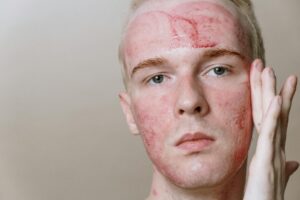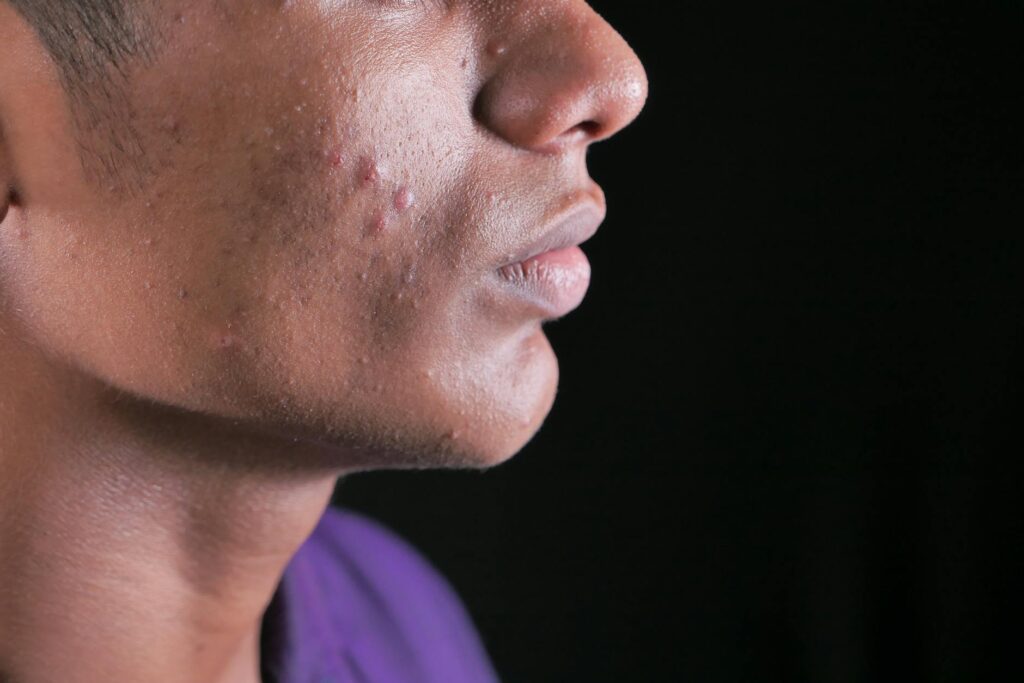
i-PRF and L-PRF represent different formulations of platelet-rich fibrin that fundamentally change how dermatologists approach acne scar treatment. The key distinction is that i-PRF is an injectable form designed for direct intradermal injection and microneedling applications, while L-PRF is an autologous platelet concentrate created through centrifugation that can be used topically or injected. For acne scar protocols specifically, this difference matters because it affects how the treatment integrates with your skin’s healing cascade—L-PRF’s dense fibrin network with incorporated leukocytes and platelets appears to trigger a more comprehensive tissue repair response than traditional PRP, with clinical studies showing up to 85% success rates in reducing acne scar appearance when used as part of a structured treatment protocol.
The growing shift toward these fibrin-based treatments reflects a fundamental understanding: treating atrophic acne scars isn’t about applying a surface-level filler—it’s about triggering your skin’s own regenerative machinery. This article covers what makes each formulation distinct, how clinical evidence compares their efficacy, what happens in your skin at the cellular level during treatment, and how to structure a protocol that actually produces results. You’ll learn why combination approaches matter, how long improvement takes, and what realistic expectations look like based on peer-reviewed research rather than marketing claims.
Table of Contents
- How i-PRF and L-PRF Differ in Composition and Preparation
- Cellular Mechanisms and Growth Factor Release in Scar Tissue
- Clinical Evidence from Acne Scar Treatment Studies
- Structuring Treatment Protocols for Maximum Efficacy
- Microneedling Combined with PRF—Timing and Optimization
- Cellular Response Patterns and Individual Variation
- Future Development and Advanced Considerations
- Conclusion
How i-PRF and L-PRF Differ in Composition and Preparation
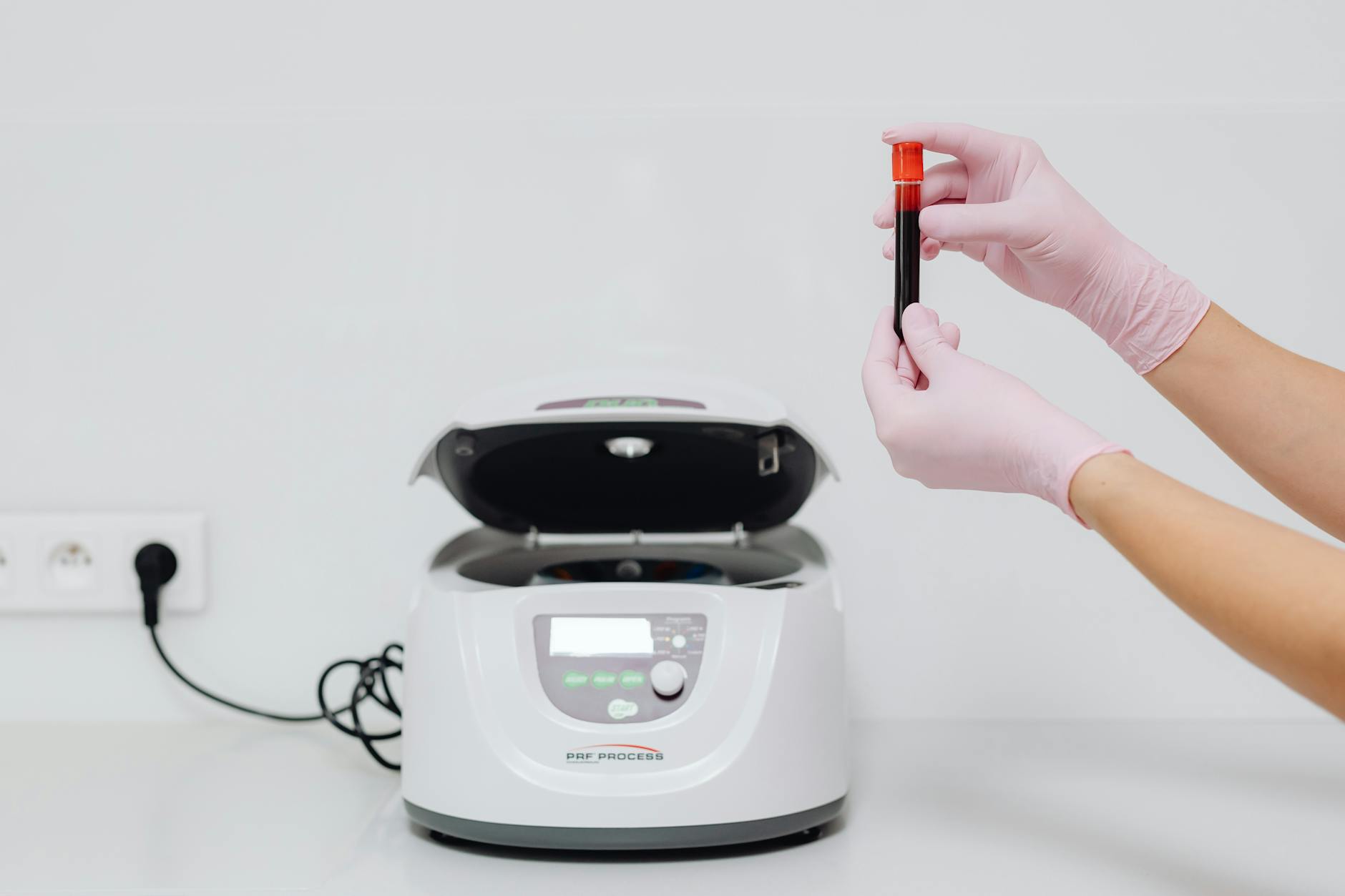
Understanding the fundamental difference between i-PRF and L-PRF requires looking at how they’re prepared. L-PRF is created by centrifuging your blood to concentrate platelets and leukocytes into a dense fibrin matrix—this isn’t a processed supplement but an autologous concentrate prepared from your own blood. i-PRF, by contrast, is formulated specifically for immediate injection, meaning it maintains a fluid consistency suitable for intradermal placement and microneedling channels without requiring additional processing steps in the clinic. The immediate applicability of i-PRF appeals to clinicians who want streamlined workflows, while L-PRF’s denser structure may offer advantages in terms of how long the growth factors remain active in treated tissue.
What makes this distinction clinically relevant for acne scars is that L-PRF contains not just platelets but also granulocytes and other leukocytes that appear to orchestrate a more sophisticated immune-mediated healing response. Fresh L-PRF samples show approximately 97% cellular viability with 54% granulocytes, and when cultured for a week, the composition shifts to 94% viability with 85% T cells—this suggests the treatment is actively recruiting and sustaining immune cells that coordinate tissue remodeling. For comparison, traditional PRP lacks this leukocyte enrichment, which research indicates may limit its growth factor release profile. The clinical implication is that L-PRF may create a longer-lasting healing stimulus, though both formulations have demonstrated efficacy in acne scar treatment when used appropriately.
Cellular Mechanisms and Growth Factor Release in Scar Tissue
The healing mechanism differs between i-PRF and L-PRF partly because of how each formulation releases growth factors over time. L-PRF demonstrates significantly higher elevation in critical markers: fibronectin mRNA, collagen 1, and transforming growth factor beta (TGF-beta) all increase more substantially with L-PRF than with traditional PRP. Beyond these, research has identified key active compounds including epidermal growth factor (EGF), platelet-derived growth factor A (PDGFA), and TGFB1, along with proteins related to platelet and neutrophil degranulation. This is important because acne scars represent areas of insufficient collagen deposition and failed remodeling—the elevated collagen 1 response suggests L-PRF specifically addresses that deficit.
A critical limitation worth noting: while growth factor elevation is measurable in laboratory studies, the clinical translation doesn’t always follow a linear pathway. Higher growth factor levels don’t automatically mean better outcomes—timing, concentration gradients, and how those factors interact with existing scar tissue architecture all matter. Additionally, PRF produces higher cumulative release of growth factors than PRP, but this advantage only manifests if the treatment is injected in the right location (at or below the fibrotic scar tissue) and combined with techniques that optimize tissue penetration. If the material is placed too superficially or if the scar is too dense for adequate diffusion, even superior growth factor profiles won’t drive meaningful collagen remodeling.
Clinical Evidence from Acne Scar Treatment Studies
A comparative study directly examining atrophic acne scar treatment involved 15 patients treated with intradermal injection of fluid PRF, with results measured on both sides of the face. The therapeutic response was significantly higher in the PRF group than in either PRP alone or PRP combined with needling—this is the kind of head-to-head comparison that matters when selecting a treatment protocol. The reported success rate for PRF in reducing acne scar appearance reaches 85% in clinical practice, though this figure should be contextualized: success typically means visible improvement, not complete eradication, and requires completion of a full treatment series rather than single sessions. What the clinical data clarifies is that results aren’t instantaneous but follow a specific timeline.
Improvement begins within days to weeks, with partial results visible immediately after injection due to hydration and mild inflammatory response. Continued improvement emerges over 4-6 weeks as fibroblasts upregulate collagen synthesis in response to growth factors. For acne scarring specifically, studies document ongoing improvement for over one year in some cases, meaning the scar continues to remodel and fill in gradually rather than reaching maximum improvement at the 6-week mark. This extended timeline is important because patients expecting dramatic results at two weeks will be disappointed, while those understanding the physiology recognize they’re investing in progressive remodeling rather than immediate filling.
Structuring Treatment Protocols for Maximum Efficacy
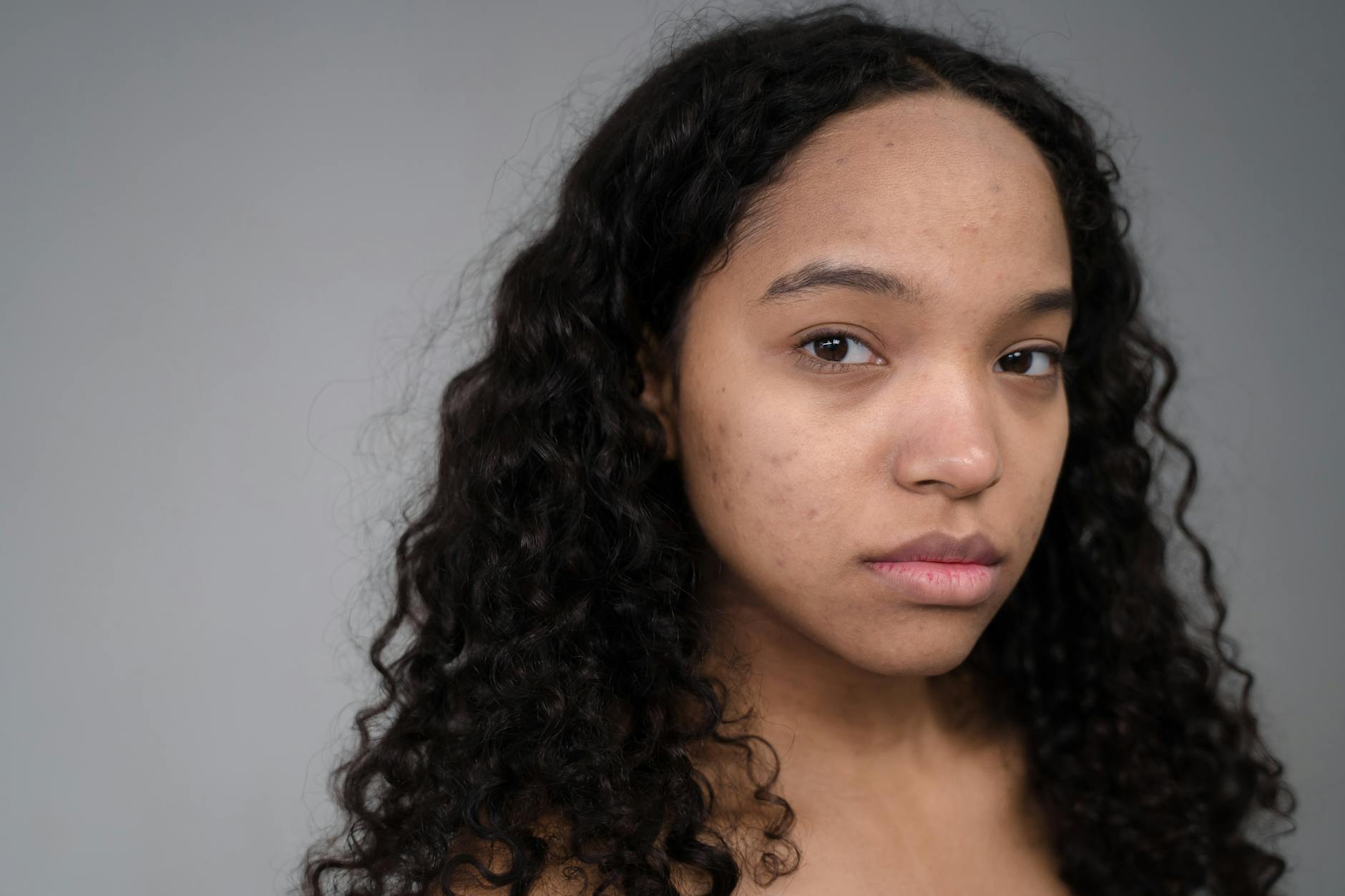
Research on PRF treatment protocols reveals that four sessions spaced at 3-week intervals produced significantly higher therapeutic response than single treatments or poorly spaced sessions. The spacing matters because it allows the initial round of collagen synthesis to progress while introducing a fresh stimulus that deepens remodeling—essentially, you’re not just filling the scar once but creating multiple waves of regeneration that stack on each other. For i-PRF specifically, the immediate-use formulation fits naturally into microneedling protocols where the product is either injected during needling channels or used as a topical agent post-treatment to optimize penetration. A practical protocol might look like this: session one involves baseline assessment and initial PRF injection into scar tissue, often combined with controlled microneedling to enhance penetration.
Session two, three weeks later, repeats the treatment with assessment of early response. Sessions three and four follow at weeks six and nine, allowing practitioners to observe how early results are progressing and adjust depth or concentration accordingly. The key variable in protocol design is whether to combine PRF with microneedling, since evidence indicates this combination produces superior outcomes compared to either modality alone. For deeper or more extensive scarring, some clinicians perform 4-6 sessions, though the research-supported sweet spot remains four sessions with consistent 3-week spacing.
Microneedling Combined with PRF—Timing and Optimization
Combining microneedling with PRF represents a strategic enhancement where the mechanical disruption of scar tissue creates pathways for growth factors to penetrate deeper and more comprehensively. Microneedling alone creates a wound-healing response that mobilizes fibroblasts, but it doesn’t provide the specific growth factors that drive collagen synthesis in the preferred direction—PRF fills that gap by delivering concentrated signals that guide tissue remodeling toward scar improvement rather than just inflammation. However, the order and timing matter significantly.
Some protocols apply PRF during the microneedling session itself, with the needle depth and density designed to create channels that optimize PRF placement; others perform microneedling first and apply PRF topically afterward. A limitation of combination protocols is that they increase treatment intensity, which can extend recovery time and increase transient inflammation—patients should expect 48-72 hours of noticeable redness and possible mild swelling, not the 24 hours typical of microneedling alone. For patients with active acne, significant skin sensitivity, or darker skin types where post-inflammatory hyperpigmentation is a concern, more conservative spacing (4+ weeks between sessions rather than 3) may be warranted. Additionally, the cost of combination protocols is substantially higher than either modality alone, and insurance rarely covers these treatments, meaning patient selection for this level of intervention requires realistic expectations about outcomes and financial commitment.
Cellular Response Patterns and Individual Variation
Individual responses to PRF treatment vary based on several factors, including baseline collagen density, scar morphology (boxcar versus rolling scars respond differently), age, skin type, and overall healing capacity. Younger patients with superficial scars tend to show dramatic responses—a 25-year-old with recent boxcar scars might see 70-80% improvement after four sessions, while a 50-year-old with deep rolling scars and compromised collagen synthesis may see 40-50% improvement with identical treatment. This variation isn’t a failure of the protocol; it reflects the biological reality that scars created in skin with robust healing capacity respond more vigorously than scars in skin where collagen production has naturally declined.
Specific example: a patient with primarily boxcar scars (discrete punched-out depressions) will likely see more dramatic improvement because PRF-stimulated fibroblasts can relatively easily elevate the base of the scar. Rolling scars (gradual indentations with tethered tissue) require more aggressive subcision or multiple treatments to fully address, as the mechanical restriction of underlying tissue limits how much new collagen elevation can achieve. Understanding this distinction helps explain why some patients report “this was exactly what I needed” while others find the results modest—the treatment efficacy is real, but its extent depends heavily on matching expectations to scar type and biological capacity.
Future Development and Advanced Considerations
The research trajectory for PRF in acne scar treatment is moving toward refinement rather than reinvention. Current studies are examining whether modifications to centrifugation parameters, timing of use, or concentration adjustments can further enhance outcomes, but the fundamental mechanism—using autologous growth factors to stimulate fibroblast-mediated collagen remodeling—remains validated. Emerging evidence suggests that combining PRF with other modalities (laser resurfacing, radiofrequency microneedling) may unlock additional improvement, though these combination protocols remain largely exploratory in clinical practice.
What’s becoming clearer in the dermatology literature is that PRF-based treatments represent a meaningful step forward in the acne scar treatment hierarchy, sitting between surface-level treatments (chemical peels, topical retinoids) and invasive surgical options (excision, deep subcision). They’re not a complete solution for severe scarring, but for moderate atrophic scars, they offer an evidence-supported option with a safety profile superior to ablative lasers and fewer risks than surgical approaches. As more clinicians gain experience with these protocols and as long-term follow-up data accumulates, treatment refinement will likely focus on optimizing patient selection, spacing protocols, and combination approaches rather than questioning the fundamental efficacy.
Conclusion
The distinction between i-PRF and L-PRF matters practically because it affects how clinicians integrate these treatments into acne scar protocols, but from a patient perspective, both formulations represent a similar class of biological treatment with comparable efficacy when applied appropriately. What research consistently demonstrates is that PRF-based treatments, particularly when combined with microneedling and structured across four sessions at 3-week intervals, produce clinically significant acne scar improvement in the range of 50-85% depending on scar characteristics and individual healing capacity. The mechanism is straightforward—you’re triggering your skin’s own regenerative machinery through concentrated growth factors and immune-modulating cells, not forcing change through external means.
If you’re considering PRF treatment for acne scars, the most important step is realistic assessment of your scar type and baseline expectations. Boxcar and rolling scars respond well; severe deep scars may require combination approaches or acceptance of partial improvement. Commit to the full four-session protocol rather than expecting results from single treatments, understand that visible improvement extends over 4-6 weeks with continued enhancement over months, and factor in both the financial investment and time commitment. Work with a practitioner experienced in acne scar treatment who understands the nuanced differences between formulations and can structure a protocol matched to your specific scar morphology.