
Dark acne marks fade fastest with consistent daily sunscreen use combined with targeted topical treatments—most post-inflammatory hyperpigmentation (PIH) resolves within 4 to 8 weeks when you apply SPF 30 or higher consistently during the day and avoid further sun exposure that darkens the marks. If you’re seeing stubborn marks after a severe breakout, adding prescription-strength treatments like the triple combination of hydroquinone, tretinoin, and fluocinolone acetonide—or professional laser treatments—can accelerate fading by months compared to waiting it out alone. The key to avoiding skin damage while treating dark marks is understanding that your skin is already inflamed from the acne itself, so aggressive treatments during active breakouts often backfire. This article covers the science behind why marks darken, which treatments actually work backed by clinical data, the specific ingredients that fade marks without irritation, and when you need professional help instead of over-the-counter products.
Table of Contents
- How Long Do Dark Acne Marks Actually Take to Fade on Their Own?
- Why Topical Treatments Are Safer Than You Think When Used Correctly
- Which Ingredients Actually Work for Fading Dark Marks Without Irritation?
- Professional Treatments vs. Waiting It Out—The Data on What Actually Works
- Common Mistakes That Actually Slow Down Mark Fading
- Dark Acne Marks on Different Skin Tones and Why Dermatologist Input Matters
- Future Treatments and Long-Term Mark Prevention
- Conclusion
- Frequently Asked Questions
How Long Do Dark Acne Marks Actually Take to Fade on Their Own?
Post-inflammatory hyperpigmentation is your skin’s inflammatory response after acne heals—melanin production gets stuck in overdrive at the wound site, creating those stubborn dark marks. Research shows that with consistent sunscreen protection, most marks fade on their own within 4 to 8 weeks; a clinical study found that daily SPF 30 or higher applied for 8 weeks during summer produced significant improvement in African-American and Hispanic women, who are statistically more prone to PIH due to higher melanin production. However, the word “fades” matters here—marks don’t disappear completely on their own in many cases; they shift from dark brown or black to a lighter tan that blends with surrounding skin.
The timeline is shorter than most people expect, but it requires consistency that many people skip. If you step outside without sunscreen once a week, or forget reapplication, those marks will darken again and reset your 4 to 8 week clock. This is why sunscreen is the lowest-risk, highest-impact first step: it costs nothing extra if you’re already using it, causes zero skin irritation, and prevents the marks from getting darker while your skin heals naturally.

Why Topical Treatments Are Safer Than You Think When Used Correctly
Topical treatments work by speeding up cell turnover and suppressing melanin production, which sounds aggressive but is actually gentler than scrubbing or using harsh physical treatments. The gold standard prescription treatment combines three ingredients: hydroquinone 4% to directly inhibit melanin production, tretinoin 0.05% to increase cell turnover and collagen production, and fluocinolone acetonide 0.01% to manage inflammation—these work together so the tretinoin irritation is offset by the fluocinolone. A dermatologist can prescribe this combination, which is stronger than any over-the-counter option, and it won’t damage your skin if you start slowly and use sunscreen religiously.
However, if you have sensitive skin or darker skin tones (Fitzpatrick IV-VI skin types), tretinoin carries a higher risk of irritation and paradoxical hyperpigmentation, where the treatment itself causes new dark marks. This is why a dermatologist consultation is recommended before starting any prescription depigmenting treatment—your skin type matters enormously. Over-the-counter alternatives like azelaic acid and niacinamide are safer for sensitive skin because they work more slowly but don’t cause the redness and peeling that tretinoin does; azelaic acid inhibits melanin production and promotes cell turnover, while niacinamide reduces your skin’s inflammatory response memory, preventing new marks from forming even before old ones fade.
Which Ingredients Actually Work for Fading Dark Marks Without Irritation?
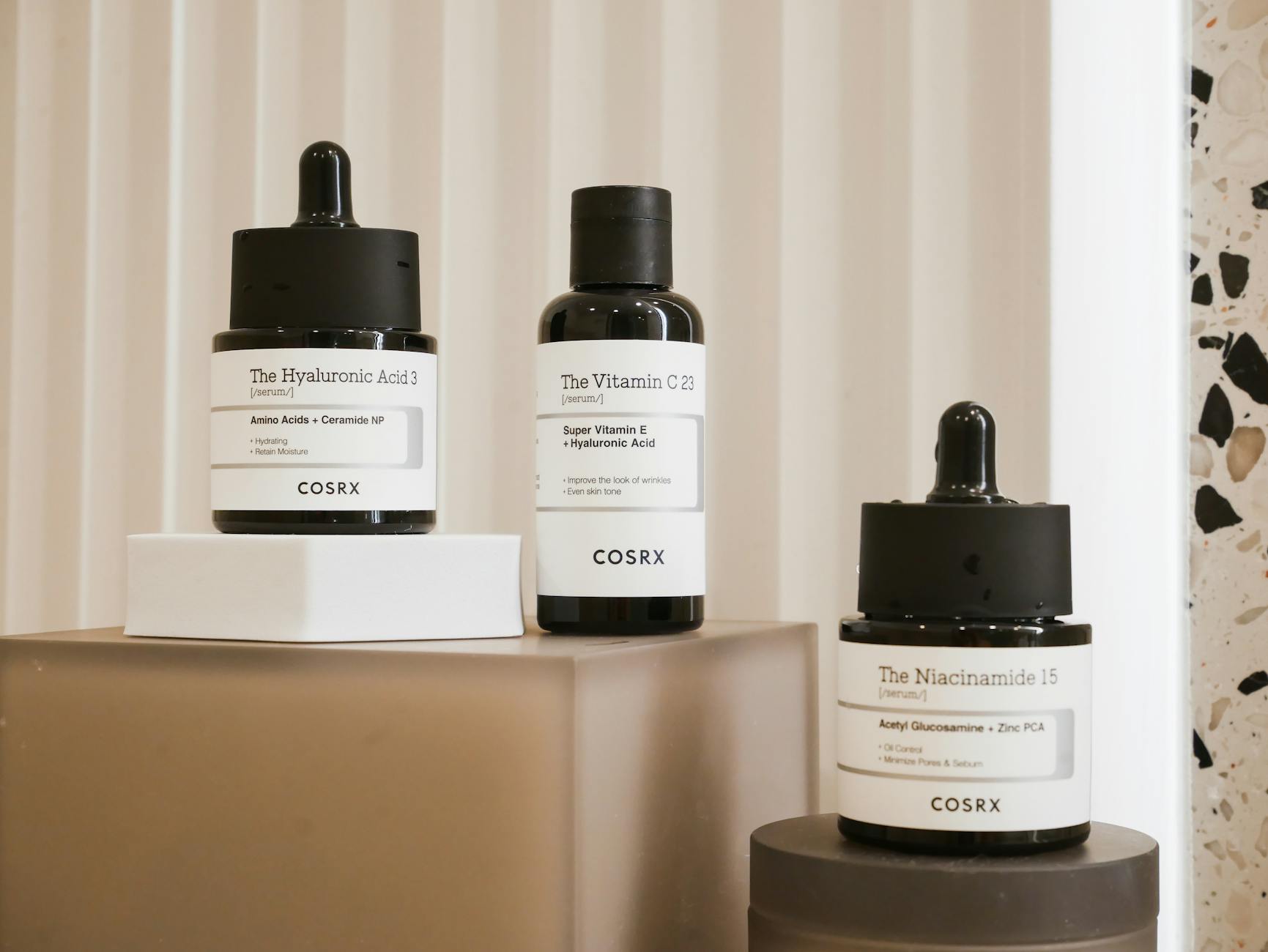
Azelaic acid is underrated for dark acne marks because it addresses two problems at once—it stops melanin overproduction and speeds up skin cell turnover, which is why it’s safe for acne-prone and sensitive skin types even though it’s prescription-strength in some formulations. Vitamin C protects against free radical damage that darkens marks and prevents new spots from forming, making it a good preventive ingredient to use alongside mark-fading treatments rather than a standalone solution. Niacinamide is the gentlest option if you want to start small; it reduces inflammation and your skin’s inflammatory response memory, so new marks won’t be as dark if you do get future breakouts. The difference between these ingredients is speed versus irritation risk.
Vitamin C and niacinamide take months to show visible fading but cause zero irritation. Azelaic acid works faster (4 to 8 weeks for noticeable improvement) but can cause slight redness in the first 1 to 2 weeks of use. Tretinoin works fastest of all (visible fading in 2 to 4 weeks) but requires a dermatologist prescription and strict sun protection because it increases photosensitivity. For someone with sensitive or darker skin, starting with azelaic acid 20% over-the-counter is the safer move than jumping to tretinoin, which increases the risk of post-inflammatory hyperpigmentation as a side effect.

Professional Treatments vs. Waiting It Out—The Data on What Actually Works
If you want to skip the waiting game entirely, professional laser treatment is the most effective option: a clinical study of 78 patients found that Q-switched neodymium laser resulted in 76% of patients reporting good to excellent improvement, with 86% showing good to excellent improvement by physician evaluation. But here’s the crucial part—clinical data on treatment effectiveness shows that laser and energy-based devices have an 18.1% complete response rate (marks disappearing entirely), topical treatments alone have a 5.4% complete response rate, combination therapies have a 2.4% complete response rate, and chemical peels have a 66.7% rate of poor or no response. This means chemical peels are actually the least effective option despite being heavily marketed, while lasers give you the best odds of significant improvement.
The tradeoff is cost and downtime. A single laser session costs $300 to $1,500 depending on the area treated, you need multiple sessions spaced 3 to 6 weeks apart, and you may experience redness and temporary darkening for a few days after each treatment. Topical treatments cost $20 to $100 per month and take 8 to 12 weeks to show results, but there’s no downtime and you can use them at home. For most people with mild to moderate marks, starting with topical treatments and sunscreen is the practical choice; if marks persist after 12 weeks, that’s when a dermatologist consultation for laser treatment makes sense.
Common Mistakes That Actually Slow Down Mark Fading
The biggest mistake is skipping sunscreen because you think the acne is healed. Sun exposure directly darkens post-inflammatory hyperpigmentation, resetting your healing timeline—one day in direct sun without SPF can make weeks of treatment progress invisible. This is especially true for darker skin types, which are already more prone to PIH and more susceptible to sun-induced darkening. Another common mistake is using multiple active ingredients at once (tretinoin, vitamin C, azelaic acid, and retinol all in one week) because you want faster results; this causes irritation, increases photosensitivity, and paradoxically slows mark fading because inflamed skin produces more melanin.
A third mistake is picking at or scratching healing acne marks, which restarts the inflammation cycle and deepens the mark. Even if you’re using effective treatments, if you traumatize the skin again, you’re essentially creating a new mark on top of the old one. Finally, using harsh exfoliating products while treating marks is counterproductive—if you’re using tretinoin or azelaic acid, which already increase cell turnover, adding physical or chemical exfoliation causes unnecessary irritation and sensitivity. Your skin needs gentle care during mark fading, not aggressive treatment.
Dark Acne Marks on Different Skin Tones and Why Dermatologist Input Matters
Post-inflammatory hyperpigmentation is significantly more common in darker skin types (Fitzpatrick IV-VI) and people of African, Asian, and Latin American descent—up to 15% of acne patients with darker skin develop noticeable PIH compared to less than 5% of lighter-skinned patients. This isn’t because darker skin is more prone to acne; it’s because higher melanin production means more pigment is available to be misdirected into a mark. For someone with darker skin, the same tretinoin dose that fades marks in light skin might cause irritant hyperpigmentation (where the treatment itself darkens skin), so starting at lower concentrations (0.025%) and moving up slowly is essential.
This is why the American Academy of Dermatology recommends consulting a dermatologist before starting OTC mark-fading treatments if you have darker skin. A dermatologist familiar with treating skin of color knows which ingredients work, which formulations are safest, and what concentrations to start with. They can also identify whether a dark mark is actually PIH or post-inflammatory hypopigmentation (where the mark is lighter than surrounding skin), which requires completely different treatment approaches.
Future Treatments and Long-Term Mark Prevention
Emerging research on combination therapies (pairing laser treatments with topical depigmenting agents) shows that combining approaches might increase effectiveness beyond either treatment alone, though current complete response rates for combination therapy are still lower (2.4%) than laser alone (18.1%), suggesting the field is still figuring out optimal combinations. The future of mark treatment is likely personalized—your dermatologist will match your skin type, mark depth, and tolerance to the right treatment rather than recommending the same laser to everyone.
In the meantime, the best long-term strategy is prevention: treating acne aggressively to prevent severe breakouts in the first place, using daily sunscreen to prevent marks from darkening once they form, and addressing any marks within the first 4 weeks when treatment is most effective. Marks that have been present for 6+ months are harder to treat, so early intervention makes a real difference in how quickly you see improvement.
Conclusion
Dark acne marks fade fastest with consistent daily SPF 30+ sunscreen combined with targeted topical ingredients like azelaic acid, niacinamide, or prescription tretinoin—most marks show significant improvement within 4 to 8 weeks of consistent treatment. If you’re starting from scratch, sunscreen should be your first step because it costs nothing extra and prevents marks from darkening further, while adding a topical treatment accelerates fading by addressing melanin overproduction and skin cell turnover.
For marks that haven’t improved after 12 weeks of topical treatment, or for deeper marks you want to fade quickly, professional laser treatment offers the highest complete response rates at 18.1%, though it requires multiple sessions and comes with higher cost. Talk to a dermatologist before starting any treatment, especially if you have darker skin tones where tretinoin and other depigmenting agents carry higher risks of irritation—the right treatment path depends on your specific skin type, mark depth, and tolerance level.
Frequently Asked Questions
Can I use vitamin C and tretinoin together to fade marks faster?
No. Vitamin C and tretinoin are both active ingredients that increase photosensitivity and irritation risk when combined. Use one or the other, not both, and always apply sunscreen in the morning. If you want both their benefits, use tretinoin at night and vitamin C in the morning on separate days of the week, starting slowly.
Do chemical peels work for dark acne marks?
Clinical data shows chemical peels have a 66.7% rate of poor or no response for post-inflammatory hyperpigmentation, making them the least effective option. Laser treatments and topical depigmenting agents are far more effective, so peels are not recommended as a primary treatment for marks.
How often should I reapply sunscreen while treating marks?
Every 2 hours if you’re outdoors, or immediately after swimming or sweating. One application in the morning isn’t enough because sunscreen degrades throughout the day, and even brief unprotected sun exposure can darken marks and undo weeks of treatment progress.
Are dark marks the same as scarring?
No. Dark marks are post-inflammatory hyperpigmentation (excess melanin), while scarring is structural damage to the skin. PIH usually fades on its own or with treatment; scarring requires different approaches like laser resurfacing or dermal fillers.
Can I use hydroquinone over-the-counter, or do I need a prescription?
Hydroquinone is available over-the-counter at 2% concentration and by prescription at 4%. The prescription version (often in the triple combination with tretinoin and fluocinolone) is stronger and faster-acting but requires dermatologist monitoring.
Why do dark marks appear on my skin if the acne is already healed?
Post-inflammatory hyperpigmentation develops during healing, not after. Your body produces extra melanin as part of the inflammatory response, creating a dark mark that can take weeks to fade as melanin is gradually cleared from the skin.