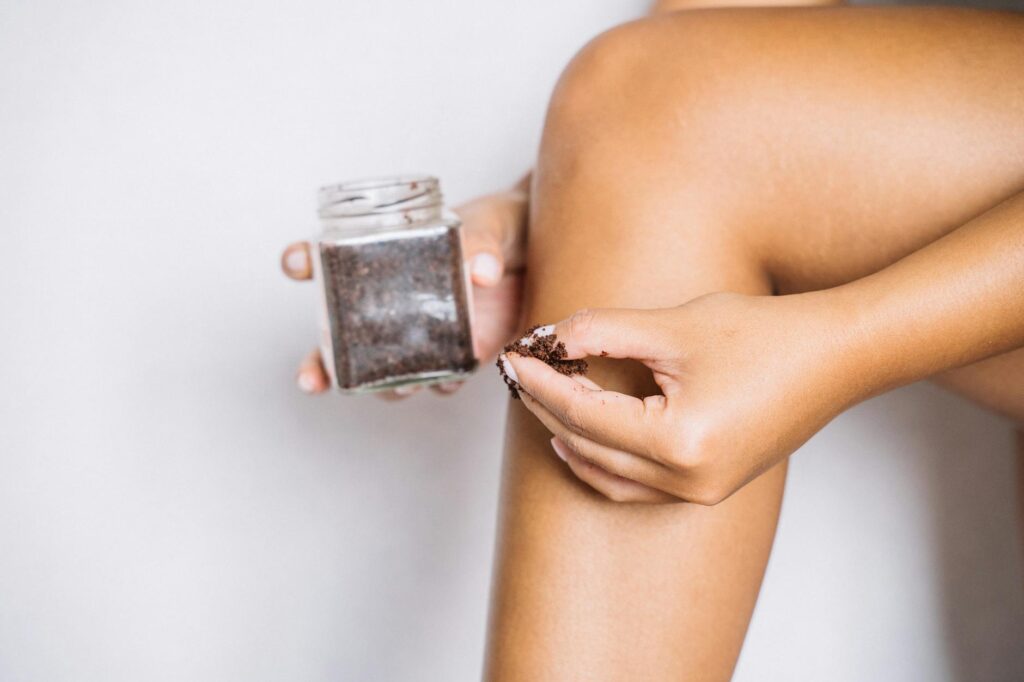
Using harsh scrubs on acne-prone skin causes significant damage rather than improvement. Physical scrubbing irritates inflamed skin, ruptures developing pimples, and disrupts the skin barrier, leading to more breakouts, increased sensitivity, and prolonged healing times. For example, someone with active acne who uses a walnut shell scrub twice daily may see their breakout worsen within days as the scrubbing damages the protective lipid layer and spreads bacterial infection across the face. This article explains exactly what happens when harsh scrubs meet acne-prone skin, why gentler approaches work better, and what to use instead.
Table of Contents
- How Do Physical Scrubs Damage Acne-Prone Skin?
- The Barrier Damage and Its Long-Term Consequences
- Why Harsh Scrubs Spread Bacterial Infection
- What Should You Use Instead of Harsh Scrubs?
- Why Dermatologists Warn Against Scrubbing Acne-Prone Skin
- The Scar Risk Associated with Harsh Scrubbing
- Moving Forward: Building an Acne-Safe Skincare Routine
- Conclusion
- Frequently Asked Questions
How Do Physical Scrubs Damage Acne-Prone Skin?
Harsh physical exfoliants work by creating micro-tears in the skin‘s surface to remove dead cells. On acne-prone skin, this mechanism is counterproductive. Active breakouts involve inflamed, weakened skin where the follicle is already compromised by bacteria and excess sebum. When you scrub over these areas, you’re essentially breaking the skin’s barrier further, allowing bacteria to penetrate deeper and causing the inflammation to spread to surrounding tissue.
The mechanical action can also rupture comedones that haven’t reached the surface yet, forcing bacteria deeper into the skin and creating cystic acne from what might have been a mild breakout. The timing matters significantly too. Scrubbing when skin is actively inflamed creates a cycle: you scrub, damage the barrier, skin becomes more inflamed, you scrub again thinking you’re removing bacteria, but you’re actually worsening the inflammation. This differs from using physical exfoliants on clear, healthy skin where the goal is simply removing dead surface cells—with acne, you’re adding trauma to an already compromised area.

The Barrier Damage and Its Long-Term Consequences
Your skin’s barrier isn’t just a simple protective layer—it’s a complex ecosystem of lipids, natural moisturizing factors, and beneficial bacteria that keeps acne-causing bacteria in check. Harsh scrubs strip away these protective elements, leaving acne-prone skin even more vulnerable. Once the barrier is compromised, your skin can’t regulate moisture properly, becomes overly dry in some areas and oily in others, and loses its ability to fight off bacterial overgrowth. This creates an ideal environment for P.
acnes bacteria to multiply unchecked. However, if you have mild acne and very thick, congested skin, some people find that they need some form of exfoliation—but the key is gentleness. The difference between a harsh scrub and a gentle exfoliation method can be the difference between worsening acne and actually improving it. A rough walnut shell scrub causes visible redness and irritation, while a gentle chemical exfoliant with AHAs or BHAs can dissolve oil and dead skin without creating micro-tears. The consequence of barrier damage can take weeks or months to fully recover from, during which time you’re prone to persistent sensitivity, reactive breakouts, and difficulty using other skincare products.
Why Harsh Scrubs Spread Bacterial Infection
Acne exists because bacteria colonize clogged pores, triggering inflammation. When you scrub, you’re not actually removing these bacteria—you’re spreading them. The mechanical action of scrubbing creates pathways for P. acnes and other bacteria to travel across your skin surface and into new follicles that weren’t previously infected.
Think of it like spreading a wound infection: if you have a pustule on your cheek and scrub aggressively with a grainy exfoliant, you’re literally moving bacteria across your skin in a thin film of exfoliant particles and oil. This is particularly problematic if you have cystic acne or nodular acne, where the inflammation is deeper in the skin and more sensitive. Scrubbing doesn’t help drain or heal these lesions—it only aggravates the inflammatory response. Some people report that after using harsh scrubs, their acne spreads from one cheek to both, or from their forehead to their entire face. This isn’t coincidental; it’s the direct result of mechanical trauma spreading infection.
What Should You Use Instead of Harsh Scrubs?
Chemical exfoliation is the evidence-based alternative for acne-prone skin. Ingredients like salicylic acid (a BHA) dissolve the oils clogging pores without requiring mechanical scrubbing. Glycolic acid and lactic acid (AHAs) gently dissolve the “glue” holding dead skin cells together, promoting cell turnover without irritation. These work by chemical action rather than physical trauma, so they can actually improve acne over time rather than worsening it.
The comparison is stark: a harsh physical scrub damages barrier function and spreads bacteria, while a 2% salicylic acid solution unclogs pores and reduces bacterial growth. The tradeoff is that chemical exfoliants require patience. They work gradually over 2-4 weeks as skin normalizes, whereas a scrub shows immediate (albeit temporary) results of removing surface dead skin. Many people find the immediate gratification of scrubbing appealing, but that short-term smoothness comes at the cost of long-term acne worsening. If you have severe acne, prescription-strength retinoids like tretinoin are far more effective than any exfoliant, chemical or physical.
Why Dermatologists Warn Against Scrubbing Acne-Prone Skin
Dermatologists specifically advise against harsh scrubs for acne because the evidence is overwhelming: mechanical exfoliation delays healing and increases breakouts. This isn’t opinion—it’s based on clinical observations and the biochemistry of how acne develops. When skin is already inflamed from acne, adding more inflammation through scrubbing contradicts every principle of acne treatment, which focuses on reducing inflammation and preventing bacterial overgrowth. One important limitation: some people with acne still use scrubs and seem to do fine.
This is typically because their acne is very mild, or they’re only scrubbing areas without active breakouts. It doesn’t mean the scrub is helping their acne—it means they’re not triggering a severe reaction. However, even these people would likely see better results with gentler exfoliation. A warning about timing: never use any exfoliant, harsh or gentle, on freshly popped or picked acne. This can cause scarring, cystic formation, and serious infection.

The Scar Risk Associated with Harsh Scrubbing
Beyond worsening active acne, harsh scrubs increase scarring risk. Acne scars form when the skin’s collagen is damaged during inflammation or when the follicle ruptures deep into the dermis. Scrubbing increases both of these risks by creating additional trauma and forcing bacteria deeper.
Someone who uses harsh scrubs during a breakout is more likely to end up with permanent icepick or boxcar scars than someone who treats their acne gently. This is one of the longer-term consequences that people don’t always connect to their scrubbing habit. If you have acne-prone skin and care about preventing scarring, avoiding harsh scrubs is one of the easiest preventive measures you can take. The cost of developing deeper scars is irreversible and often requires professional treatment like microneedling or laser therapy to improve.
Moving Forward: Building an Acne-Safe Skincare Routine
The future of acne treatment is moving away from harsh, irritating methods and toward targeted, gentle approaches. This includes not just abandoning scrubs, but rethinking the entire assumption that acne needs to be “scrubbed clean.” Modern acne care focuses on normalizing skin turnover, reducing sebum production, and controlling bacterial growth through chemistry rather than mechanics. Products and routines that respect the skin barrier show better long-term outcomes than those that assault it.
If you’re transitioning away from harsh scrubs, the adjustment period takes about 2-3 weeks as your skin rebalances. You might actually see more breakouts during this transition as skin normalizes, but this is temporary. Beyond that point, most people see fewer breakouts, better skin texture, less sensitivity, and faster healing of existing acne. The skincare industry has been slow to phase out harsh scrubs because they feel effective in the moment, but science consistently shows that gentler methods produce better results for acne-prone skin.
Conclusion
Harsh scrubs damage acne-prone skin by creating micro-tears in the barrier, spreading bacterial infection, increasing inflammation, and making breakouts worse rather than better. The mechanical trauma of scrubbing is counterproductive when skin is already compromised by acne, and the temporary smoothness you feel immediately after scrubbing comes at the cost of weeks of worsened breakouts. The evidence is clear: chemical exfoliation, proper hydration, and targeted acne treatments like salicylic acid or tretinoin produce far better results than any physical scrub.
If you’re currently using harsh scrubs on acne-prone skin, switching to a gentle chemical exfoliant or even just a fragrance-free cleanser will likely improve your acne within 4-6 weeks. The key is patience and consistency—acne treatment isn’t about aggressive scrubbing away the problem, but about creating an environment where acne can’t thrive. Your skin barrier, your breakouts, and your long-term risk of scarring will all improve when you stop scrubbing and start treating your acne intelligently.
Frequently Asked Questions
Is any physical exfoliation safe for acne-prone skin?
Gentle mechanical exfoliation like a soft washcloth or very soft brush used with minimal pressure might be tolerable, but chemical exfoliation is almost always the better choice. Physical methods can still spread bacteria and create micro-tears, while chemical exfoliants actively work against acne-causing bacteria.
What if my acne is mostly congestion, not inflamed?
Even with non-inflamed congestion, harsh scrubs can damage your barrier and worsen the situation. Salicylic acid is specifically designed to dissolve oil and unclog pores without creating trauma. You’ll see better results faster with chemical exfoliation than with scrubbing.
How long does skin take to recover from scrub damage?
The barrier typically recovers in 2-3 weeks with proper care (gentle cleanser, moisturizer, sunscreen, no other actives). If you’ve damaged skin repeatedly over months or years, recovery can take 6-8 weeks. Active acne inflammation might persist even longer.
Can I use a facial scrub if I don’t have active acne?
Even on clear skin with a history of acne, harsh scrubs aren’t ideal because they disrupt the barrier and can trigger breakouts. Chemical exfoliation or gentle methods are safer choices that won’t set back your clear skin.
What should I do instead of scrubbing if my skin feels congested?
Use a 2% salicylic acid treatment 3-5 times per week, or try a chemical exfoliant with AHAs. These dissolve oil and dead skin without mechanical damage. If congestion is severe, a professional extraction or retinoid treatment from a dermatologist is more effective than any at-home scrub.
Is there any benefit to using a scrub on acne-prone skin?
No clinical benefit to harsh scrubs exists for acne-prone skin. Any perceived benefit (like temporary smoothness) is outweighed by the damage to your barrier and the worsening of breakouts that typically follows.