Skipping sunscreen when you have acne-prone skin accelerates skin damage and paradoxically makes acne worse. UV exposure triggers inflammation, increases sebum production, and darkens existing acne scars and post-inflammatory hyperpigmentation, making breakouts more visible and longer-lasting. Consider someone with moderate acne who stops using sunscreen during a two-week vacation—within days, their existing blemishes become inflamed and redder, new breakouts appear along sun-exposed areas, and any scars from previous acne darken significantly.
This article explores the specific mechanisms of UV damage on acne-prone skin, how sun exposure worsens active breakouts and scarring, and the practical challenges of finding suitable sunscreens that don’t trigger additional acne. Without sun protection, acne-prone skin faces a compounding problem: active breakouts become more inflammatory and visible, while the skin’s natural healing process slows down. The damage isn’t temporary—UV rays damage skin cells and collagen, extending the time it takes for acne marks to fade and increasing the likelihood that temporary red marks become permanent scarring.
Table of Contents
- How Does Sun Exposure Make Acne Worse?
- The Scarring Problem—Why Scars Get Darker
- UV Exposure and the Acne-Inflammation Connection
- Choosing Sunscreen for Acne-Prone Skin
- The Photosensitivity Problem with Acne Medications
- How Dehydration from Sun Exposure Triggers Breakouts
- Long-Term Consequences—Photoaging and Acne Scars
- Conclusion
- Frequently Asked Questions
How Does Sun Exposure Make Acne Worse?
UV radiation increases inflammation in skin tissue, which is already elevated in acne-prone skin. When sunlight hits inflamed acne lesions, it amplifies the inflammatory response, making pimples redder, swollen, and more painful. The sun also stimulates the skin’s sebaceous glands to produce more oil, which feeds the acne cycle by providing more substrate for acne-causing bacteria to colonize. Someone with oily, acne-prone skin who spends a full day at the beach without sunscreen will often see a significant flare-up within 24-48 hours, not just from the sun itself but from increased oil production triggered by UV exposure.
The relationship between sun and sebum production is well-documented in dermatology research. While sun exposure initially makes skin feel drier due to surface dehydration, the skin compensates by producing excess oil. For acne-prone individuals, this feedback loop is particularly problematic because it increases P. acnes bacterial colonization and clogs pores more readily.

The Scarring Problem—Why Scars Get Darker
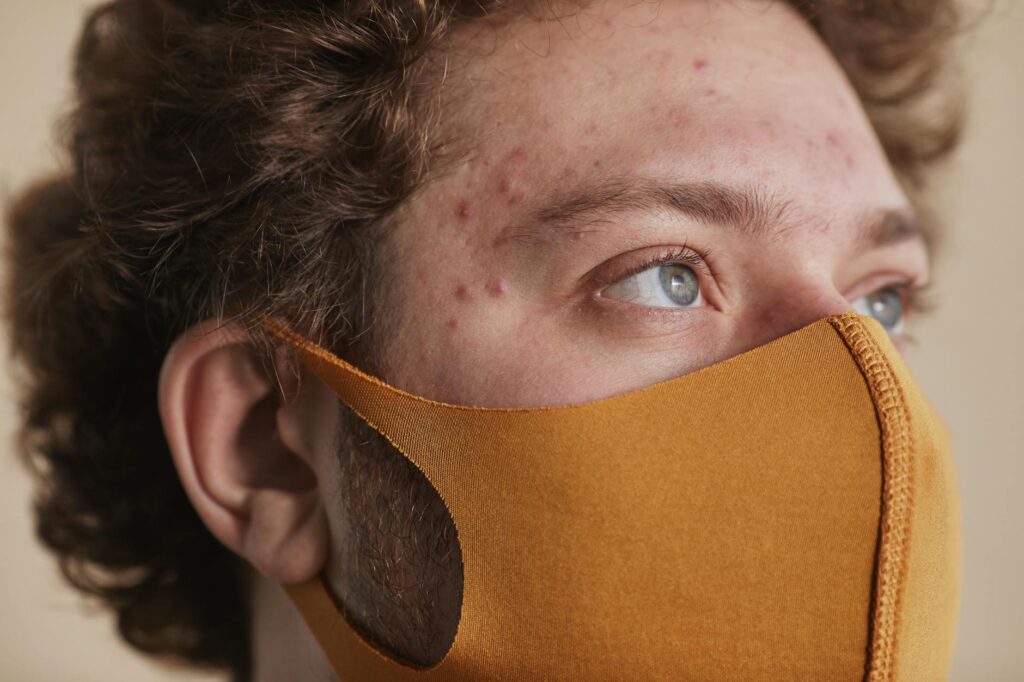
Post-inflammatory hyperpigmentation (the dark marks left behind after a pimple heals) darkens significantly with sun exposure because melanin production increases in areas where inflammation occurred. Without sunscreen, a red acne mark that might fade to nearly invisible in 6-8 months can remain visibly dark for years.
Additionally, UV exposure damages collagen fibers in the deeper skin layers, which worsens the appearance of atrophic scars (the indented, depressed scars) by making them appear deeper and more shadowed. However, it’s important to note that if someone has severe, cystic acne that requires isotretinoin (Accutane), they absolutely cannot skip sunscreen because this medication dramatically increases photosensitivity and the risk of severe burns and permanent pigmentation changes. Even for standard acne treatments like benzoyl peroxide or retinoids, sun exposure becomes a more serious concern because these ingredients increase skin sensitivity to UV rays.
UV Exposure and the Acne-Inflammation Connection
Acne is fundamentally an inflammatory condition, and sun exposure intensifies inflammation through multiple pathways. UVB rays cause direct DNA damage, triggering immune responses that increase redness and swelling. UVA rays penetrate deeper, damaging collagen and elastin while generating reactive oxygen species that amplify inflammatory signaling.
Someone using an acne treatment like a retinoid or benzoyl peroxide experiences enhanced sun sensitivity—their skin barrier is already compromised and more reactive, so skipping sunscreen during treatment is particularly damaging. The increased inflammation from sun exposure also delays the healing timeline. A pimple that would normally cycle through and heal in 10-14 days can remain inflamed and visible for three weeks or longer if repeatedly exposed to sun without protection.

Choosing Sunscreen for Acne-Prone Skin
The challenge for acne-prone skin is that many sunscreens are comedogenic (pore-clogging) or leave a greasy residue that worsens acne. Mineral sunscreens containing zinc oxide or titanium dioxide are often recommended because they sit on the skin surface and are less likely to absorb into pores, but some people find them chalky or overly drying. Chemical sunscreens absorb into skin and are typically lighter-feeling, but they can irritate sensitive or reactive skin and some ingredients may trigger breakouts in sensitive individuals.
A practical comparison: someone with mild acne might succeed with a lightweight chemical sunscreen like one containing avobenzone and octocrylene, which absorb quickly and don’t feel heavy. Someone with moderate to severe acne often does better with a mineral-based or hybrid sunscreen labeled “non-comedogenic,” even if it requires more frequent reapplication. The tradeoff is that mineral sunscreens require reapplication more often throughout the day, but they’re less likely to trigger new breakouts—a worthwhile exchange for acne-prone skin.
The Photosensitivity Problem with Acne Medications
Many acne treatments significantly increase skin photosensitivity, making sun protection not just beneficial but essential to avoid severe burns or permanent pigmentation damage. Tretinoin, adapalene, and other retinoids increase photosensitivity by thinning the outer skin layer and increasing cell turnover. Benzoyl peroxide and salicylic acid also increase sensitivity.
When someone uses these treatments without sunscreen, they risk not only worsening acne but also developing severe sun damage that outlasts the acne itself. A critical warning: if using isotretinoin (Accutane), skipping sunscreen can result in severe, blistering sunburns and permanent dark patches that don’t fade. This isn’t an exaggeration—dermatologists routinely see isotretinoin patients with permanent pigmentation damage from sun exposure during treatment. SPF 30 minimum is the floor; SPF 50+ is strongly recommended during active treatment.

How Dehydration from Sun Exposure Triggers Breakouts
While sunlight causes surface dehydration, it doesn’t actually reduce oil production—in fact, the opposite occurs. Dehydrated acne-prone skin often produces even more sebum as a compensatory mechanism, which increases clogged pores and bacterial proliferation.
Someone who spends a weekend at a pool without sunscreen will experience both increased inflammation from UV exposure and increased oil production from dehydration, creating an ideal environment for new acne to develop. The two-step cascade is: surface dehydration triggers compensatory sebum production, which combines with increased inflammation from sun exposure, resulting in a significant acne flare within 24-72 hours.
Long-Term Consequences—Photoaging and Acne Scars
The long-term cost of skipping sunscreen with acne-prone skin extends beyond active breakouts. Every year without consistent sun protection means cumulative UV damage that accelerates skin aging, deepens acne scars, and increases the visibility of pigmentation changes. Someone who skips sunscreen in their 20s while managing acne will face significantly worse scarring appearance by their 30s compared to someone who used protection consistently.
The pigmentation from post-acne marks becomes harder to treat without professional intervention like laser therapy or intense pulsed light (IPL). Looking forward, emerging research on skin aging shows that sun damage’s effects are cumulative and increasingly difficult to reverse with age. For acne-prone skin, which is already dealing with inflammatory damage and scarring, consistent sun protection is one of the most effective preventive measures to minimize long-term consequences and reduce the need for expensive scar revision treatments later.
Conclusion
Skipping sunscreen with acne-prone skin creates a cascade of problems: increased inflammation worsens active breakouts, excess oil production feeds the acne cycle, and UV exposure darkens and extends the visibility of acne scars. The damage is both immediate (flare-ups within days) and long-term (permanent scarring and pigmentation changes).
The solution isn’t avoiding sun exposure entirely—it’s finding a reliable, non-comedogenic sunscreen that works with your skin type and using it consistently, especially when on acne treatments that increase photosensitivity. Start by identifying a sunscreen formulation that doesn’t trigger breakouts for you (mineral, chemical, or hybrid), make it part of your daily routine regardless of weather, and reapply every two hours during outdoor activities. This single habit significantly reduces active acne severity, prevents post-acne scarring, and protects against long-term skin damage that acne-prone skin is particularly vulnerable to.
Frequently Asked Questions
Can I use a lower SPF sunscreen if I’m indoors?
UVA rays penetrate windows, so if you’re near windows for extended periods, SPF 30 minimum is still recommended. Many dermatologists suggest SPF 30+ daily even for indoor days with regular window exposure, though SPF 15 provides meaningful protection for brief indoor time without direct window exposure.
Will sunscreen make my acne worse?
Some sunscreens are comedogenic, but non-comedogenic and mineral sunscreens exist specifically for acne-prone skin. The problem isn’t sunscreen itself—it’s using the wrong formula. It’s worth testing a few options to find one compatible with your skin. Skipping sunscreen entirely causes far more acne damage than finding the right sunscreen can prevent.
How soon after getting acne can I go in the sun safely?
You should use sunscreen from the moment acne appears, not wait for it to heal. Active breakouts actually worsen faster with sun exposure. If using acne treatments that increase sensitivity, sun protection becomes critical immediately, not optional after a certain timeline.
Does tanning clear acne?
This is a persistent myth. While tanning may temporarily darken skin and make acne less visible, UV exposure increases acne inflammation and bacteria colonization. Any temporary cosmetic improvement is vastly outweighed by worsening breakouts and permanent scarring that results from unprotected sun exposure.
What SPF should I use for acne-prone skin?
SPF 30 is the dermatology standard minimum. SPF 50+ is recommended for extended outdoor time or if using photosensitizing acne treatments. Higher SPF numbers provide marginally better protection, but the more significant factor is consistent reapplication—SPF 50 that’s only applied once is far less effective than SPF 30 reapplied every two hours.
Should I use sunscreen if I have severe acne?
Absolutely yes. Severe acne is exactly when sun protection matters most because the inflammation is already heightened, the risk of permanent scarring is higher, and most severe acne treatments (like retinoids or benzoyl peroxide) increase photosensitivity. Skipping sunscreen with severe acne dramatically increases the likelihood of permanent scarring and pigmentation damage.