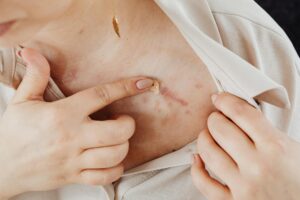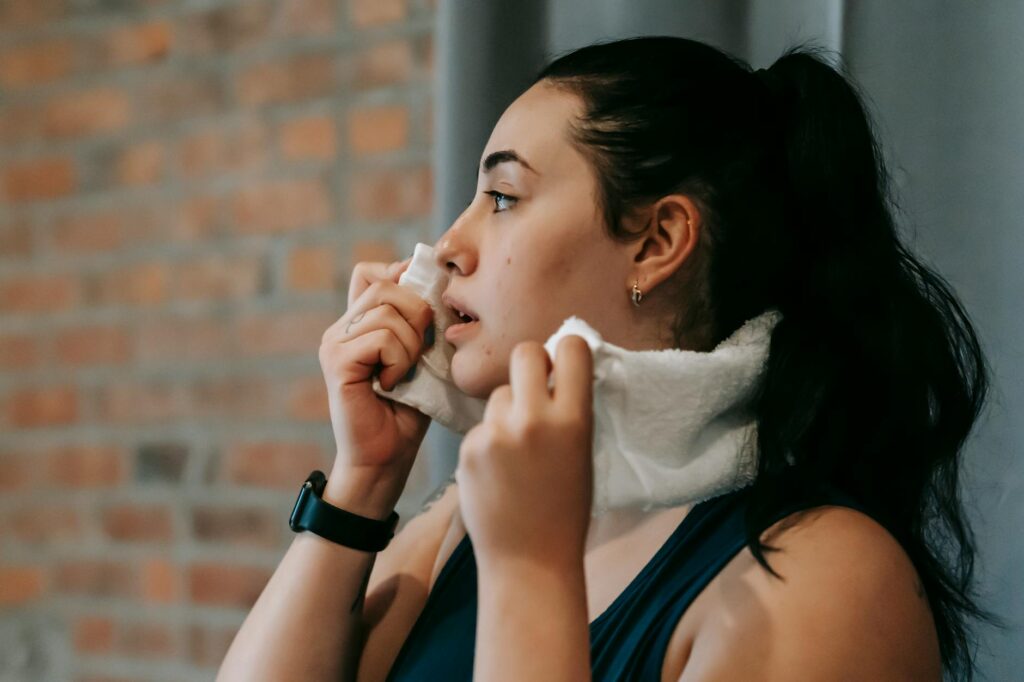
When you skip cleansing after sweating, sweat mixes with dead skin cells, bacteria, and whatever was on your skin’s surface—whether that’s sunscreen, makeup, or environmental debris. This creates a breeding ground on your skin that can clog pores, trigger breakouts, and accelerate inflammation if you’re prone to acne. For example, someone who finishes a workout and goes straight to work without showering might notice acne flareups on their chest and back within 24 to 48 hours, particularly in areas where sweat accumulated. The longer sweat stays on your skin, the more time bacteria have to multiply and sebum has to oxidize, making the problem progressively worse throughout the day.
The consequences aren’t just about immediate breakouts. Skipping post-sweat cleansing can disrupt your skin’s pH balance, weaken your skin barrier, and contribute to chronic inflammation that creates a cycle of recurring acne. This is especially true if you’re not just skipping one cleanse but making it a habit after multiple workouts or sports activities. The good news is that understanding what happens and implementing a simple cleansing routine can prevent most of these issues entirely.
Table of Contents
- How Sweat, Bacteria, and Sebum Create Acne-Triggering Conditions
- How Skipping Post-Sweat Cleansing Damages Your Skin Barrier
- The Role of Heat and Open Pores in Post-Sweat Breakouts
- Practical Post-Sweat Cleansing: The Right Way to Do It
- When Post-Sweat Breakouts Happen Despite Cleansing
- Post-Sweat Cleansing for Different Skin Types
- Building Long-Term Skin Health After Sweat
- Conclusion
- Frequently Asked Questions
How Sweat, Bacteria, and Sebum Create Acne-Triggering Conditions
Your skin produces sebum constantly, and when you sweat, that sebum gets trapped against your skin along with the salt and proteins in sweat. Bacteria that naturally live on your skin—particularly *Cutibacterium acnes* (formerly *Propionibacterium acnes*)—thrive in this environment. These bacteria don’t cause acne by themselves, but when they accumulate in a pore already clogged with sebum, dead skin cells, and sweat residue, they trigger the inflammatory response that becomes a visible pimple. The specific risk areas are anywhere your skin sweats most heavily and where friction occurs. If you wear tight gym clothes, the sweat trapped under the fabric combined with friction creates a particularly problematic environment.
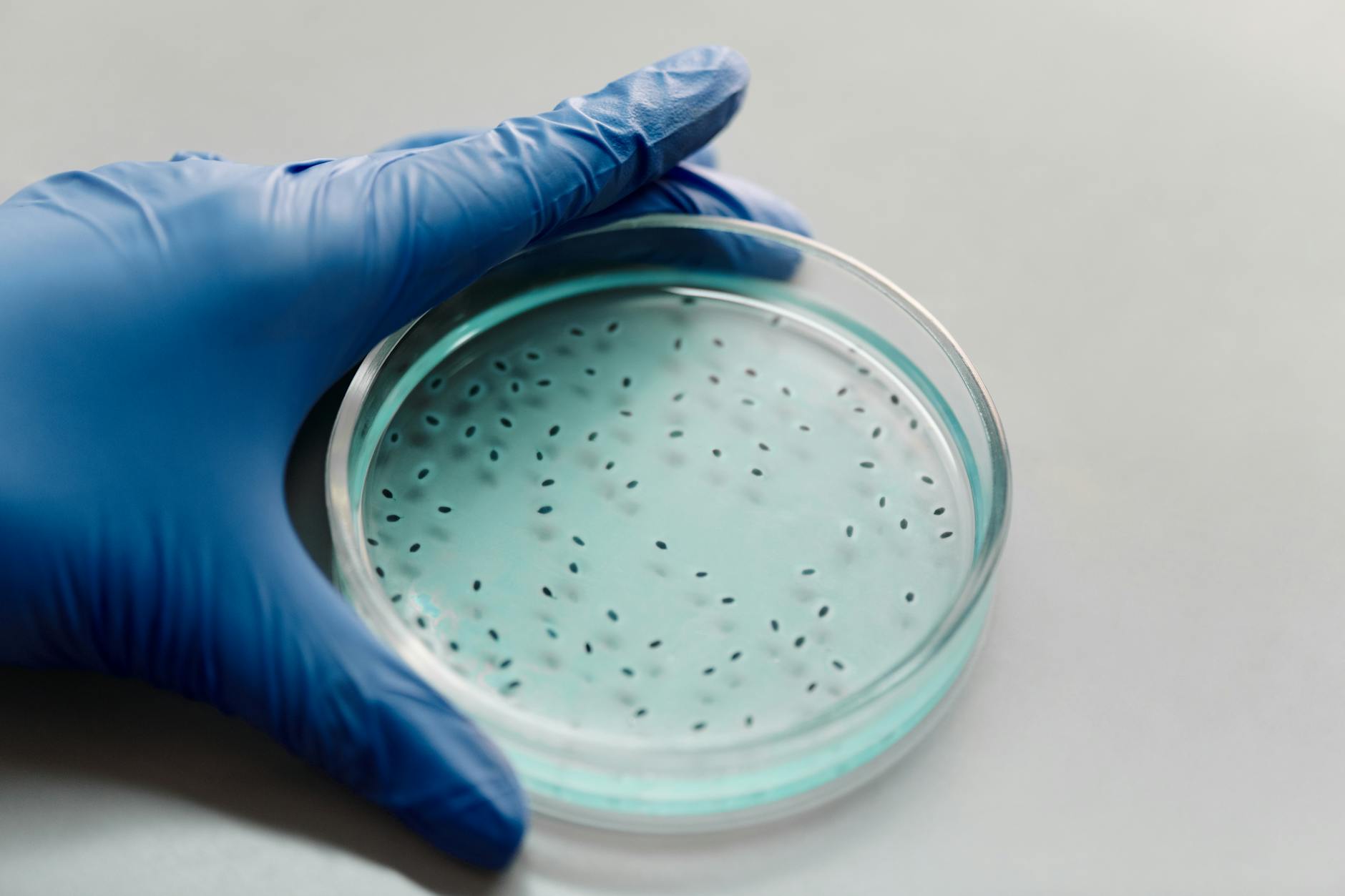
Someone who works out in a sports bra or tight compression shirt without showering for 8+ hours afterward is essentially creating a petri dish for bacterial overgrowth. Even low-intensity sweating from a long work commute or warm weather can cause trouble if it’s not rinsed away. Time matters significantly here. The first few minutes after sweating are when your pores are most open and vulnerable. If you wait hours to cleanse—say, you finish a morning workout and don’t shower until evening—the sweat has already begun to oxidize and the pore-clogging process has advanced considerably. This is why timing your cleanse close to when you sweat is much more effective than cleansing once per day.
How Skipping Post-Sweat Cleansing Damages Your Skin Barrier
Your skin has a protective barrier—the acid mantle—that’s maintained by a delicate balance of pH, natural oils, and beneficial bacteria. Sweat sitting on your skin elevates pH (sweat is slightly alkaline), which temporarily weakens this barrier. If you don’t cleanse, your skin has to work harder to restore its natural pH, and in the meantime, your barrier is compromised. A weakened barrier means increased water loss from your skin and reduced ability to fight off bacterial colonization. This barrier disruption can persist even after you eventually do cleanse.
If you’ve let sweat sit for too long, harsh scrubbing to remove it can over-strip your skin and damage the barrier further. A better approach is gentle cleansing soon after sweating, rather than aggressive cleansing hours later. However, if you have an extremely sensitive skin barrier already (from overuse of actives like retinol or benzoyl peroxide), you may need to use even gentler post-workout cleansing methods to avoid additional irritation—lukewarm water with a very mild cleanser might be preferable to anything with chemical exfoliants. The longer-term consequence of repeatedly skipping cleansing is that your skin may develop chronic low-grade inflammation. Your skin’s immune system keeps activating in response to bacterial buildup, which manifests as ongoing redness, sensitivity, and a persistent acne cycle that becomes frustratingly hard to break even when you eventually start cleansing properly.
The Role of Heat and Open Pores in Post-Sweat Breakouts
When you’re actively sweating, your pores are dilated and your skin temperature is elevated. This open-pore state is actually an opportunity: it’s the ideal time to gently cleanse and allow pores to shed trapped debris before they close again. If you miss this window and let sweat cool on your skin, your pores begin to constrict while they’re still full of debris, essentially trapping everything inside. Sweat also temporarily softens the outer layer of your skin (the stratum corneum), which means dead skin cells are easier to remove in the post-workout window than they would be later.
Wait too long, and the sweat dries, dead skin cells bond back together, and cleansing becomes less effective—you might think you’re clean when you’re really just removing surface sweat while the pore-level debris remains. The exception to immediate cleansing would be if you’re in an extremely cold environment. If you finish a workout and go directly into a cold room or cold shower, your pores will constrict rapidly anyway. In this case, waiting 5-10 minutes for your skin temperature to stabilize might actually make gentler cleansing more effective than fighting against tightly constricted pores.
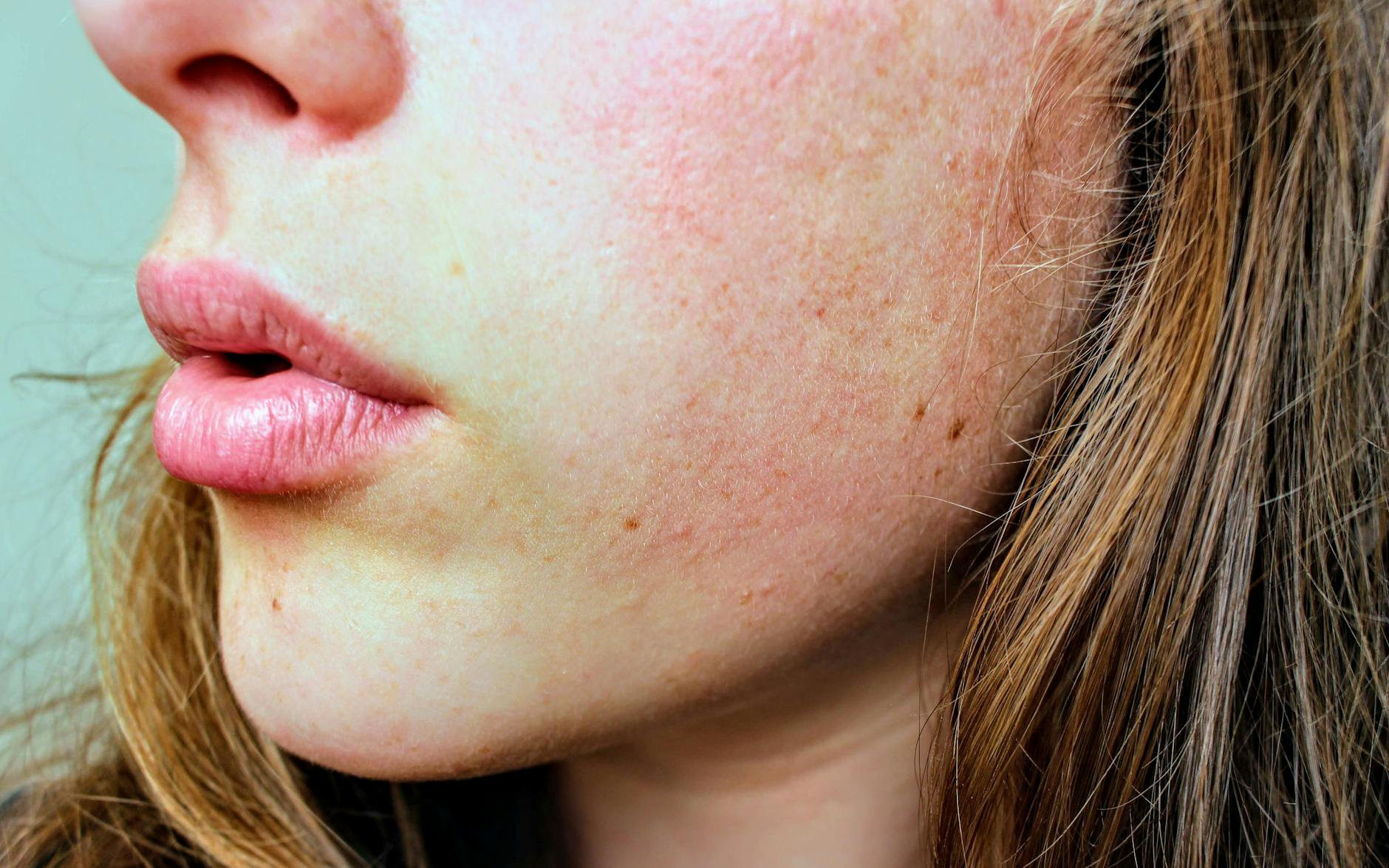
Practical Post-Sweat Cleansing: The Right Way to Do It
The ideal post-sweat routine doesn’t require a full shower immediately. If you can’t shower right away, at minimum rinse the areas most affected by sweat with clean water. Use lukewarm water (not hot, which further irritates the skin, and not cold, which can trap bacteria due to pore constriction) and if available, use a gentle cleanser. A gentle cream cleanser or micellar water works better post-workout than a harsh exfoliating scrub, which can cause micro-tears in already-sensitized skin. If you do have access to a shower, use a gentle cleanser specifically chosen for your skin type—not antibacterial body wash, which can disrupt healthy skin bacteria and damage your barrier.
Cleanse the areas most affected by sweat: typically the face, chest, back, and underarms. Pat dry gently rather than rubbing, and follow with a lightweight, non-comedogenic moisturizer if your skin tends to be dry. The trade-off here is that some people worry lightweight moisturizers won’t be enough after cleansing, but using a heavier moisturizer immediately post-cleanse can trap heat and sweat residue against your skin. In situations where you absolutely cannot cleanse for several hours, at least change out of sweaty clothes and apply a light body powder or let the sweat air-dry on exposed skin. Leaving sweat trapped under clothing is significantly worse than leaving it on exposed areas where air circulation can help it evaporate. Even this partial measure reduces acne risk substantially compared to doing nothing at all.
When Post-Sweat Breakouts Happen Despite Cleansing
Sometimes you’ll cleanse properly after sweating and still develop acne. This usually means one of two things: either your cleanser isn’t strong enough for your skin type, or you’re dealing with persistent follicular plugging that requires additional treatment beyond just cleansing. If you’re consistently breaking out in the same spots after workouts despite good hygiene, you might need a specific acne treatment like salicylic acid (which penetrates pores) or benzoyl peroxide (which has antibacterial effects). The limitation here is that not everyone tolerates these treatments well, particularly if applied to already-sensitive post-workout skin.
Benzoyl peroxide can be overdrying and bleaching, and salicylic acid can cause excessive irritation if you’re also using other active ingredients. In these cases, adding one treatment per week instead of after every workout might be a better strategy—cleanse immediately after sweating, then use your acne treatment once or twice weekly on clean, dry skin in the evening. Another possibility is that you’re dealing with folliculitis (bacterial infection of the hair follicle) rather than acne, which presents as small red bumps often in areas of friction and sweating. This typically requires a topical antibiotic ointment and may not respond to standard acne treatments at all. If breakouts are only occurring in friction zones (under the arms, under sports bra straps, between thighs), folliculitis is more likely than acne, and the solution shifts from acne prevention to managing friction and moisture.
Post-Sweat Cleansing for Different Skin Types
If you have oily or acne-prone skin, you can tolerate a slightly stronger cleanser post-workout—something with a bit more cleaning power won’t harm your skin in this context since you’re working with dilated pores and open skin. A gel or foaming cleanser removes sweat and sebum more effectively on oily skin than a cream cleanser would.
If you have dry or sensitive skin, gentleness is especially important. Use a cream cleanser or oil cleanser, and if possible, limit post-workout cleansing to just the areas that actually sweated heavily (face, chest, back) rather than cleansing your entire body with the same active treatment. Your legs and arms might not need special treatment even if your face and back are acne-prone.
Building Long-Term Skin Health After Sweat
The immediate goal of post-sweat cleansing is preventing acute breakouts, but the long-term benefit is breaking the cycle of chronic acne that develops from repeated neglect. If you’ve been skipping cleansing for months or years, your skin might be dealing with persistent inflammation and a disrupted barrier. Establishing a consistent post-sweat routine now can actually help you recover from that damage—clearer skin becomes possible within 4-8 weeks if you’re consistent, though some people see improvement within days.
As your post-sweat skincare routine becomes habitual, you’ll also start noticing which specific products and timing work best for your unique skin. Maybe you realize you break out if you wait longer than 2 hours after sweating, or that a specific cleanser works better than others. Building this self-knowledge is what eventually moves you from generic advice to a personalized routine that keeps your skin consistently clear.
Conclusion
Skipping cleansing after sweating allows bacteria, sebum, and dead skin cells to accumulate in open pores, creating inflammation and acne that can persist for days. The damage to your skin barrier and the disruption of your pH balance compounds if this becomes a habit, leading to chronic acne cycles that are increasingly difficult to manage. However, the solution is straightforward: rinse or cleanse the areas affected by sweat within a few hours of sweating, using lukewarm water and a gentle cleanser appropriate for your skin type.
Start with your next workout. Cleanse or rinse within 1-2 hours of sweating, and pay attention to how your skin responds over the next week. Most people see a noticeable reduction in post-workout breakouts within 7 days of establishing this habit, and if you’ve been dealing with persistent acne in areas prone to sweating, consistent post-sweat cleansing might be the single most effective change you can make.
Frequently Asked Questions
Do I need to shower immediately after every single workout?
Not necessarily. A rinse of the heavily-sweated areas with water and a gentle cleanser is often enough. A full shower is ideal, but if you can’t manage it every time, rinsing off sweat is the minimum effective action. Changing out of sweaty clothes and letting sweat air-dry on exposed skin is better than doing nothing, though cleansing is more effective.
Can I use wet wipes or dry shampoo on my body after sweating?
Dry shampoo or body powder might help absorb moisture temporarily, but they don’t remove bacteria or sweat residue—they just mask the problem. Wet wipes are better than nothing if you have no access to water or cleanser, but they’re not a substitute for actual rinsing or cleansing with a real cleanser.
What if I break out even when I cleanse right after sweating?
You might need a stronger acne treatment in addition to cleansing, like salicylic acid or benzoyl peroxide. Alternatively, you might be dealing with folliculitis rather than acne, which would require different treatment. If breakouts are only in friction areas, focus on reducing moisture and friction in those specific zones.
Is it bad to cleanse my skin twice in one day (morning and post-workout)?
For most people, cleansing twice daily is fine as long as you’re using gentle cleansers and following up with appropriate moisturizer. However, if your skin is already dry or sensitive, you might do better with just a rinse and light cleanser post-workout, followed by a more thorough cleanse in the evening.
Should I use hot or cold water to cleanse after sweating?
Use lukewarm water. Hot water further irritates your skin and can increase inflammation, while cold water causes pores to constrict before debris is fully removed. Lukewarm allows pores to stay open while you cleanse, then naturally constrict as your skin temperature normalizes.
Does it matter what time of day I work out if I care about acne?
The time of day matters less than how quickly you cleanse afterward. That said, if you always work out at times when you can shower immediately afterward, you’ll naturally develop better habits. If you work out during your lunch break or right before bed, you’ll need to be more intentional about finding opportunities to rinse or cleanse.