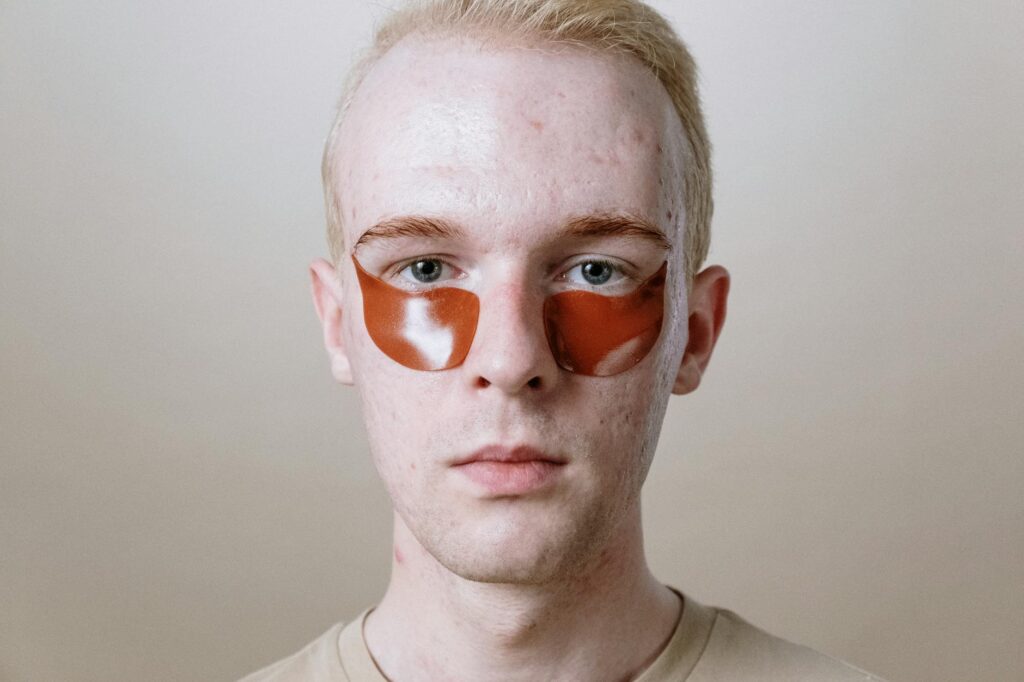
Overusing acne treatments damages your skin barrier by stripping away its protective lipid layer, increasing water loss, and compromising the microbiome that defends against acne bacteria. When you use benzoyl peroxide, salicylic acid, or retinoids too frequently or in excessive concentrations, these actives generate oxidative stress, trigger excessive exfoliation, and suppress the sebum production your skin needs to stay healthy—ironically making acne worse while causing sensitivity, dryness, flaking, and prolonged healing. For example, someone applying benzoyl peroxide twice daily at high strength while also using salicylic acid toners and retinol at night will experience statistically significant increases in transepidermal water loss (TEWL), stratum corneum dehydration, and enhanced irritation that leads them to abandon treatment altogether. This article explains exactly what happens to your skin when acne treatments are overused, how to recognize barrier damage, and how modern dermatology has shifted away from the “attack and destroy” mindset toward a more sustainable approach that protects your barrier while treating acne.
Table of Contents
- How Do Active Acne Treatments Compromise Skin Barrier Function?
- The Clinical Evidence: Why Barrier Damage Accelerates in Treated Acne
- Why Your Skin Gets Worse and More Irritated During Overuse
- How Much Acne Treatment Is Actually Safe to Use?
- The Hidden Risks of Combining Multiple Acne Actives
- How Barrier Damage Destabilizes Your Skin Microbiome
- The 2026 Approach: From Aggressive Treatment to Sustainable Skincare
- Conclusion
How Do Active Acne Treatments Compromise Skin Barrier Function?
Benzoyl peroxide, the most commonly prescribed topical acne treatment, works by generating oxygen radicals that kill acne bacteria—but those same reactive oxygen species trigger oxidative stress in healthy skin cells and strip away the lipid portion of your barrier. Clinical research shows that benzoyl peroxide use significantly increases transepidermal water loss (TEWL), elevates sebum rebound, alters stratum corneum hydration, and decreases the diversity of beneficial skin microbes. At 12.8% usage rate among acne patients, benzoyl peroxide remains the most widely used topical agent, yet its barrier-damaging effects are often underestimated because the oxidative stress accumulates silently—your skin doesn’t feel “broken” immediately, it just becomes progressively drier, redder, and more reactive.
Salicylic acid and other beta-hydroxy acids (BHAs) work through chemical exfoliation, dissolving the intercellular cement that holds skin cells together and removes buildup inside pores. When used properly at appropriate concentrations (0.5–2%) and frequency, salicylic acid is effective and well-tolerated. However, overuse—applying it twice daily or combining it with other exfoliating actives—causes over-exfoliation that strips the outer protective layer faster than your skin can regenerate it, resulting in a compromised moisture barrier, enhanced sensitivity to other products, irritation, and flaky, raw skin. Tretinoin and other retinoids suppress sebum production and accelerate epidermal cell turnover, which is why they’re so effective for acne and aging—but the consequence is thinner skin, dryness, flaking, and barrier dysfunction that manifests as redness and increased permeability.

The Clinical Evidence: Why Barrier Damage Accelerates in Treated Acne
Research comparing skin barrier function across three groups—normal healthy controls, acne patients not using treatment, and acne patients using medications—found that the highest transepidermal water loss occurred in the acne-with-treatment group. This isn’t because acne itself creates the worst barrier damage; it’s because the medications penetrate the barrier and compromise lipid structure while fighting bacteria. Among acne patients on active treatment, only 41% were assessed at any given time due to side effects driving patients away from therapy. When you examine medication usage specifically, topical benzoyl peroxide appears in 12.8% of acne patients, topical antibiotics in 10.4%, topical vitamin A in 9.2%, and AHA/BHA in 7.3%—these numbers are relatively low precisely because overuse leads to discontinuation.
The barrier damage isn’t linear: acne disease itself impairs barrier function, but adding an irritating topical medication on top compounds the problem exponentially. When disease-induced inflammation meets medication-induced irritation, the skin experiences heightened dryness, enhanced inflammatory response, increased penetration of irritants, and prolonged healing time. This creates a cruel feedback loop where the treatment side effects are so uncomfortable that patients stop using it, acne flares, and they restart the cycle. However, if you maintain consistent hydration and use a structured approach to active ingredients, you can minimize this feedback loop—which is why modern dermatology now emphasizes barrier support during acne treatment rather than ignoring it.
Why Your Skin Gets Worse and More Irritated During Overuse
The paradox of acne treatment is that overuse often makes skin worse, not better. Your skin barrier becomes compromised, which allows irritants and bacteria to penetrate more easily. The microbiome—the community of bacteria and other microbes living on your skin—becomes destabilized when benzoyl peroxide kills beneficial species indiscriminately, and the reduced sebum production from retinoids creates a harsher environment for the microbes that normally protect against acne pathogens. You might notice increased redness, sensitivity to previously tolerated products, painful dryness, or a sudden worsening of acne breakouts despite using more treatment—this is barrier damage at work, not a sign you need stronger medicine.
One real-world example: a 22-year-old with mild acne decides to use 10% benzoyl peroxide cleanser twice daily plus a 2% salicylic acid toner plus adapalene (a milder retinoid) at night. Within two weeks, her skin is red, flaking, and more inflamed than before. She attributes this to “the treatment working” and increases frequency. By week four, her skin barrier is severely compromised, new acne develops due to irritation and dysbiosis, and she’s experiencing contact dermatitis from products she previously tolerated. She feels the treatment failed and abandons it, never knowing that barrier damage—not ineffective medicine—caused the deterioration.

How Much Acne Treatment Is Actually Safe to Use?
The shift in 2026 skincare philosophy from “attack and destroy” to “nurture and balance” reflects two decades of research showing that a healthy skin barrier and robust microbiome are your best defenses against acne bacteria. Instead of maximizing the strength and frequency of actives, dermatologists now recommend starting low with acne medications (benzoyl peroxide 2.5%, salicylic acid 0.5–1%, tretinoin 0.025%) and increasing only if tolerated. Most patients achieve excellent results with once-daily benzoyl peroxide or salicylic acid, not twice daily. Retinoids should be introduced slowly—starting twice or three times weekly and gradually increasing to nightly use over months, not weeks.
The key safety parameter is transepidermal water loss (TEWL). If your skin feels tight, flakes, or becomes red and sensitive, your TEWL is elevated and your barrier is compromised—that’s your signal to reduce active ingredient frequency and increase hydration support. A comparison: using 2.5% benzoyl peroxide once daily with a ceramide-containing moisturizer typically produces better long-term acne control than 10% benzoyl peroxide twice daily without moisturizer, because the lower dose preserves barrier function, maintains treatment compliance, and allows your microbiome to remain balanced. The tradeoff is patience—it may take 6–8 weeks to see results, rather than 2–3 weeks with aggressive dosing—but the outcome is sustainable and your skin doesn’t suffer collateral damage.
The Hidden Risks of Combining Multiple Acne Actives
Many people make the mistake of stacking multiple acne treatments simultaneously, thinking more actives equals faster results. Combining benzoyl peroxide with salicylic acid, then adding tretinoin at night, is a recipe for barrier catastrophe. Each active targets a different mechanism—benzoyl peroxide kills bacteria, salicylic acid exfoliates, tretinoin accelerates turnover—and using all three concentrates oxidative stress, enzymatic exfoliation, and epidermal disruption on the same vulnerable barrier. The result is accelerated TEWL, severe dryness, compromised barrier function, and often worsening acne due to irritation.
Another common mistake is using acne treatments in the wrong order or without buffer time. Applying benzoyl peroxide to damp skin immediately after cleansing, then following with a toner and actives, increases penetration and irritation. If you’re using multiple actives, dermatologists recommend the “low and slow” approach: pick one primary active (benzoyl peroxide or salicylic acid), use it at beginner strength once daily, pair it with a ceramide-rich moisturizer, and only after four weeks of tolerance introduce a second active in a different step. Tretinoin deserves special caution—it’s incompatible with benzoyl peroxide in the same formula (they’re chemically unstable together) and should never be combined with vitamin C, AHAs, or other sensitizing ingredients in the same routine. A warning: if you have active barrier damage (flaking, redness, tight feeling), do not introduce any new actives until your barrier recovers, which typically takes 2–3 weeks of moisturizer-focused care.
How Barrier Damage Destabilizes Your Skin Microbiome
Your skin surface hosts a complex community of bacteria, fungi, and other microorganisms that form a protective microbiome. These microbes consume sebum, produce antimicrobial compounds, and compete against acne-causing Propionibacterium acnes (P. acnes). Benzoyl peroxide and antibiotics kill bacteria indiscriminately, reducing microbial diversity and eliminating beneficial species that keep pathogenic P.
acnes in check. When the microbiome is destabilized, the acne-causing bacteria can proliferate unchecked, paradoxically worsening acne despite aggressive treatment. Recent research shows that the shift toward “nurture and balance” philosophy recognizes that a healthy microbiome and robust lipid barrier are superior long-term defenses against acne. This is why dermatologists now emphasize barrier-supporting adjunctive skincare—using ceramide-containing moisturizers alongside active treatments to maintain barrier integrity and preserve beneficial microbes. The microbiome recovers within 1–2 weeks once treatment is discontinued, but during active treatment, protective care helps limit the damage.
The 2026 Approach: From Aggressive Treatment to Sustainable Skincare
The skincare industry’s philosophy has fundamentally shifted from the 1990s–2010s mentality of “use the strongest treatment possible” toward a 2026 understanding that sustainable acne control requires barrier health, microbiome balance, and realistic expectations. This shift is backed by clinical evidence showing that aggressive regimens lead to lower treatment compliance, prolonged healing times, and often worse long-term outcomes due to barrier damage and acne rebound.
The modern framework prioritizes barrier-supporting actives like ceramides, niacinamide, and hyaluronic acid as essential companions to benzoyl peroxide, salicylic acid, and retinoids. Instead of viewing hydration as “coddling” acne-prone skin, current dermatology recognizes that a hydrated, intact barrier is more resistant to bacterial colonization and inflammatory cascades. This evidence-based shift means that if you’re struggling with acne treatment side effects, you’re not doing something wrong—you’re likely using an outdated, overly aggressive approach that the skincare field has moved beyond.
Conclusion
Overusing acne treatments damages your skin barrier through oxidative stress, excessive exfoliation, and microbiome disruption, leading to increased transepidermal water loss, heightened sensitivity, dryness, and paradoxically worse acne. The clinical evidence is clear: patients using topical acne medications show significantly elevated TEWL compared to untreated acne patients and healthy controls, and the side effects of aggressive treatment are the primary reason patients discontinue therapy. The modern approach—starting with lower concentrations, using actives once daily, prioritizing barrier-supporting moisturizers with ceramides, and allowing 4–6 weeks to assess results—produces better long-term acne control than aggressive stacking of multiple actives.
If your skin feels tight, flakes, or reacts to products it previously tolerated, your barrier is compromised and you need to reduce active ingredient frequency immediately. Focus on hydration, gentle cleansing, and barrier repair for 2–3 weeks, then reintroduce actives at much lower strength and frequency. The goal isn’t to destroy acne bacteria as aggressively as possible; it’s to maintain a healthy barrier and balanced microbiome while gradually reducing acne—a slower path that actually works better and lasts longer.