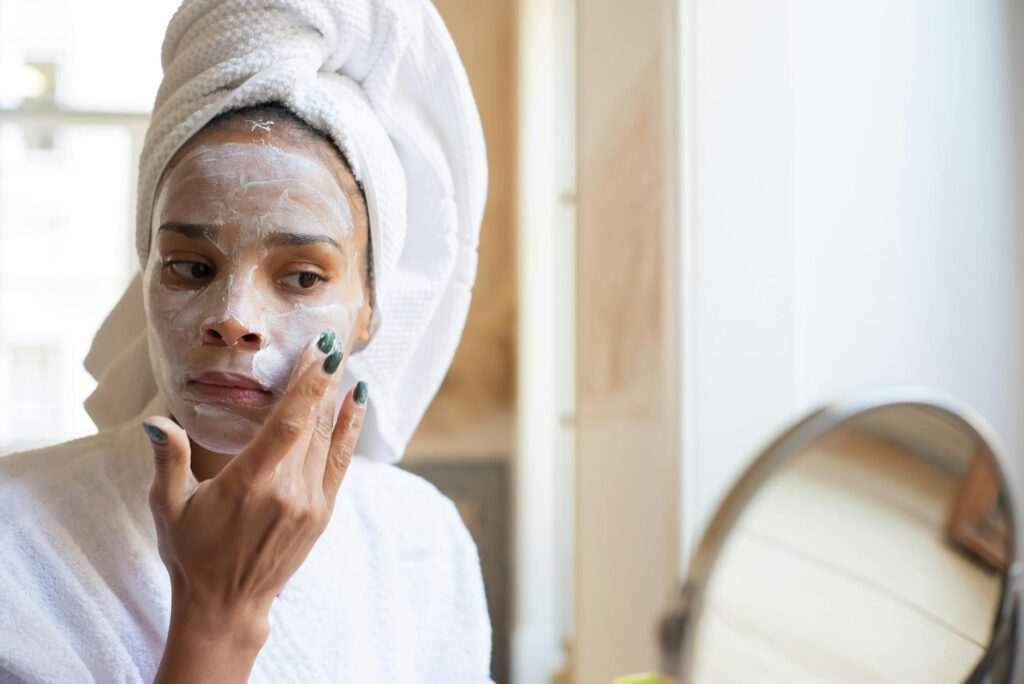
Over-cleansing your face daily damages your skin barrier—the protective layer of natural oils and cells that keep moisture in and irritants out. When you wash too frequently or use harsh cleansers, you strip away these essential oils, which leads to a cascade of problems: redness, sensitivity, tight feeling skin, and paradoxically, acne. Even if you’re cleansing with good intentions, washing more than twice daily or using alkaline soaps instead of proper facial cleansers can progressively weaken your barrier until your skin can no longer protect itself effectively.
This article explains exactly what happens inside your skin when you over-cleanse, why dermatologists have a specific cleansing limit, and how to recover if you’ve already damaged your barrier. Most people don’t realize they’re over-cleansing. In fact, 80% of adults make at least one common mistake while washing their face—and 52% have actually used bath wash or hand soap instead of a proper facial cleanser. These small decisions compound quickly into visible skin damage.
Table of Contents
- How Does Over-Cleansing Damage Your Skin Barrier?
- What Are the Visible Signs You’re Over-Cleansing?
- Why Does Over-Cleansing Cause Acne?
- What Does Dermatology Recommend for Proper Cleansing?
- What Are Common Cleansing Mistakes Beyond Frequency?
- How Long Does Recovery Take?
- The 2026 Dermatology Approach: Barrier-First Skincare
- Conclusion
How Does Over-Cleansing Damage Your Skin Barrier?
your skin barrier is made up of layers of dead skin cells called the stratum corneum, held together by intercellular lipids—essentially a brick-and-mortar structure. When you wash your face with alkaline soap (which has a pH around 10.2) twice daily, you don’t just remove dirt; you reduce the number of cell layers and damage those lipid bonds that hold the barrier together. This is especially severe for people with naturally sensitive skin, whose barriers are already compromised. The real problem starts with transepidermal water loss, or TEWL. Once your barrier weakens, water evaporates from your skin faster than your body can replenish it.
Your skin feels tight after washing because the protective oils that hold moisture are gone. Over time, with repeated over-cleansing, this becomes cumulative—the damage doesn’t reset after one wash; it adds up with each subsequent cleansing session. Unlike a one-time sunburn that heals, barrier damage from over-cleansing gets progressively worse the more you wash. Alkaline products are particularly aggressive because they raise your skin’s pH above its natural state (around 4.5-5.5). While your skin can normally re-acidify within an hour or two, frequent alkaline cleansing prevents this recovery window from occurring, keeping your barrier in a weakened state indefinitely.
What Are the Visible Signs You’re Over-Cleansing?
The first sign is that tight, squeaky-clean feeling immediately after washing—but this is actually a red flag, not a good sign. That tightness means your cleanser is too strong and has stripped away all the skin’s natural sebum. Healthy skin should feel soft and slightly moisturized even after cleansing, not pulled and uncomfortable. As barrier damage accumulates, you’ll notice redness and flushing, particularly on your cheeks and around your nose. Your skin becomes visibly sensitive—it stings when you apply any product, even gentle ones.
Sunscreen, moisturizer, and toner all cause burning or irritation that wasn’t there before. Here’s the ironic part: over-cleansing often triggers breakouts because a damaged barrier cannot regulate sebum production properly. Your skin overcompensates by producing excess oil in some areas, which then traps bacteria and dead skin cells, creating acne. This is why people with acne often over-cleanse trying to “dry out” their skin—only to make the problem worse. However, if you have genuinely oily skin from genetics or hormones (not from over-cleansing), you do need to cleanse twice daily; the issue is using the right type of cleanser, not skipping cleansing altogether. The distinction matters because the solution is different: gentle cleansing twice daily fixes barrier damage from over-washing, while continuing harsh cleansing will never resolve the problem.
Why Does Over-Cleansing Cause Acne?
This seems counterintuitive because most acne treatments involve cleansing. But over-cleansing creates a specific type of acne driven by barrier dysfunction, not bacteria alone. When your skin barrier is compromised, it can’t maintain proper pH balance or regulate lipid production. This disruption triggers inflammation and interferes with your skin’s natural shedding process—dead skin cells stick around longer because the barrier can’t function normally, and they accumulate in pores alongside excess sebum. Additionally, a damaged barrier becomes more permeable to irritants and bacteria that would normally stay out.
Your skin also loses its ability to produce natural antimicrobial compounds (like free fatty acids and sebum that contain antimicrobial properties). So you end up with a vicious cycle: you cleanse to fight acne, your barrier breaks down, acne worsens because your skin can’t defend itself, so you cleanse more, and the cycle accelerates. The sensitivity that comes with over-cleansing is also inflammatory. When products sting or your skin flushes easily, that’s low-grade inflammation happening throughout your skin layers. Inflammation is a primary driver of acne. This is why dermatologists increasingly focus on barrier health first—they know that even the best acne treatment won’t work if the barrier is too damaged to function.

What Does Dermatology Recommend for Proper Cleansing?
Dermatologists agree on a clear standard: wash your face twice daily (morning and evening) with a gentle, pH-balanced cleanser. That’s the recommendation from the American Academy of Dermatology, Cleveland Clinic, and U.S. Dermatology Partners. If you’ve been cleansing more than twice daily, the answer isn’t complicated—you need to cut back to exactly twice daily and switch to a gentler product. For dry or sensitive skin specifically, dermatologists recommend an even gentler approach: wash once daily in the evening with a proper facial cleanser, and use only water in the morning.
This single modification can prevent significant barrier damage if your skin leans dry. The only exception to the twice-daily rule is after heavy sweating (like after exercise), when a third wash is acceptable—but this should be the exception, not the routine. In 2026, dermatologists have embraced what they call “barrier-first skincare” as non-negotiable. This means your cleanser should leave skin soft and slightly dewy, not stripped and tight. Look for milky or creamy cleansers that don’t foam aggressively, as foaming often indicates an alkaline pH. If a cleanser makes your skin feel squeaky, it’s too harsh—regardless of whether it’s expensive or trendy.
What Are Common Cleansing Mistakes Beyond Frequency?
Beyond washing too often, the second biggest mistake is using the wrong type of cleanser. Using bath wash or hand soap (which 52% of people have done at some point) is extremely harsh because these products are designed to remove heavy dirt and oils from bodies—not face skin. They have a much higher pH than facial cleansers and are far too stripping. Even people who use proper facial cleansers sometimes choose ones that are too strong for their skin type, using salicylic acid or benzoyl peroxide cleansers twice daily when those products should only be used once daily at most. Another mistake is hot water.
Hot water opens your pores and strips away oils even more effectively than warm water. Dermatologists recommend lukewarm water for cleansing, which is less drying while still being effective. The temperature adjustment alone can significantly reduce barrier damage. A warning: if you have combination skin, you might be tempted to use different cleansers for your oily T-zone and dry cheeks. In most cases, this makes barrier damage worse because you’re using multiple cleansing products and potentially over-cleansing some areas. A single, gentle cleanser suitable for all skin types usually works better than trying to customize cleansing zone by zone.

How Long Does Recovery Take?
If your barrier damage is mild—meaning you’ve been over-cleansing for a few weeks and haven’t yet developed severe sensitivity—recovery takes 3 to 5 days. This is a short timeline, which is why switching to proper cleansing twice daily with a gentle cleanser often produces noticeable improvement within a week.
If you’ve been over-cleansing aggressively for months (especially with harsh products), moderate to severe barrier damage can take 2 to 6 weeks to recover. During this recovery period, your skin will be more sensitive than usual, so you should minimize other potentially irritating treatments—hold off on retinoids, vitamin C serums, and active exfoliants until your barrier has visibly improved. Your skin will tell you when it’s ready; when it stops reacting to products and feels soft again, you can gradually reintroduce other treatments.
The 2026 Dermatology Approach: Barrier-First Skincare
The skincare landscape shifted significantly in 2025-2026, with dermatologists moving away from the “more is more” approach to acne and sensitivity treatment. Instead, the consensus now emphasizes that a healthy, functioning barrier is the foundation for everything else—including acne treatment. This means that if you’re dealing with acne and sensitivity simultaneously, the first step isn’t adding more actives; it’s fixing the barrier damage that’s likely making the acne worse.
Top dermatologists in 2026 recommend milky or creamy cleansers over foaming products, and they’re more cautious about twice-daily cleansing for sensitive skin types. The trend is toward “less is more”—using fewer products, chosen carefully, rather than a 10-step routine with multiple potential irritants. This approach has research backing it: when you protect and restore your barrier first, your skin becomes more resilient and responsive to targeted treatments.
Conclusion
Over-cleansing damages your skin barrier progressively with each wash, causing tightness, redness, sensitivity, and ironically, acne. The solution is straightforward: wash twice daily (or once daily if you have dry or sensitive skin) with a gentle, pH-balanced cleanser that leaves your skin soft, not stripped. If you’ve already damaged your barrier, mild damage recovers in 3 to 5 days, while more severe damage may take 2 to 6 weeks—but recovery is almost always possible with proper cleansing.
The dermatology consensus for 2026 is clear: barrier health comes first. Before adding any acne treatment, vitamin C serum, or prescription retinoid, make sure your foundation is solid—a properly functioning skin barrier. Start by adjusting your cleansing routine, give your skin time to recover, and you’ll likely see improvement in both sensitivity and breakouts. If you’ve been over-cleansing, the good news is that changing this single habit is one of the fastest ways to see visible skin improvement.