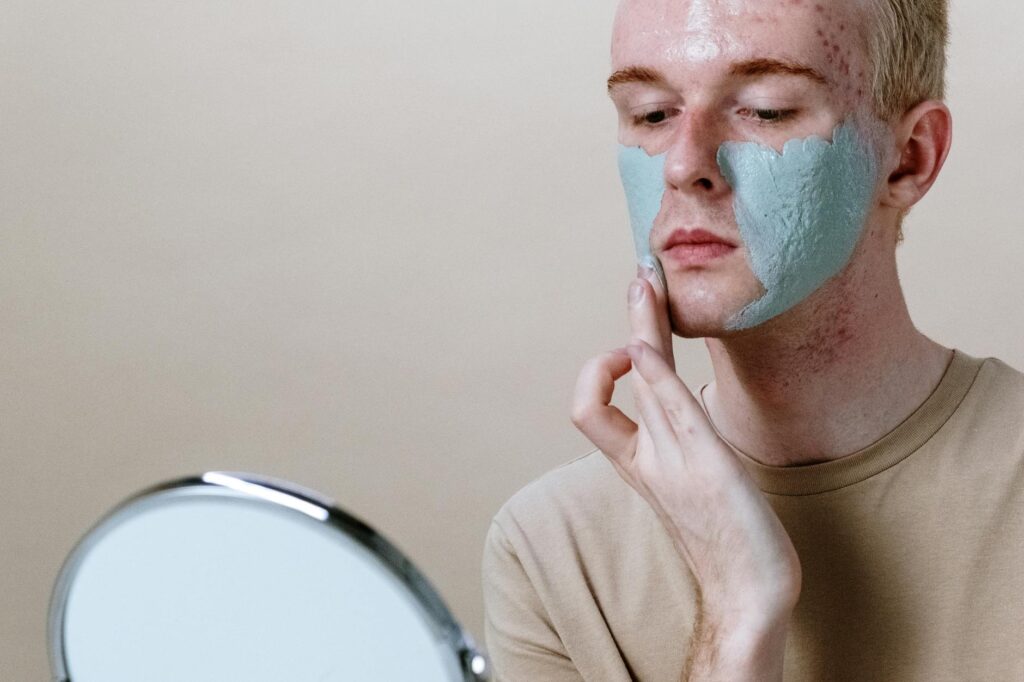
Ignoring post-acne redness doesn’t make it go away—it often makes the problem worse and longer-lasting. Post-acne redness, medically known as post-inflammatory erythema (PIE), is the lingering red or pink discoloration left behind after active acne heals.
If you do nothing about it, that redness can persist for months or even years, and in some cases, it can transition into permanent textural scarring or hyperpigmentation that’s far harder to treat than the original redness. For example, a person with moderate acne on their cheeks who ignores the resulting redness for six months might find that what started as temporary inflammation has now become vascular damage that requires professional treatments like laser therapy to address. This article covers what happens physiologically when you leave post-acne redness untreated, why early intervention matters, what long-term consequences you might face, and which treatments actually work if you’ve already waited too long.
Table of Contents
- How Does Post-Acne Redness Develop and Worsen Without Treatment?
- Why Does Ignoring Post-Acne Redness Lead to Progression?
- What Are the Long-Term Consequences of Untreated Post-Acne Redness?
- What Early Treatments Could Have Prevented Permanent Damage?
- What Happens If the Redness Transitions to Scarring?
- How Does Post-Inflammatory Hyperpigmentation Complicate Untreated Redness?
- Can Professional Treatment Still Help if You’ve Waited Years?
- Conclusion
- Frequently Asked Questions
How Does Post-Acne Redness Develop and Worsen Without Treatment?
Post-acne redness develops because acne lesions trigger inflammation and damage to the skin’s blood vessels and collagen. When the acne itself heals, the underlying inflammation doesn’t always resolve at the same pace. Blood vessels in the affected area remain dilated—meaning they’re wider than normal—and this vascular dilation is what creates the red or pink appearance. Without any intervention, your skin has to remodel this damaged collagen and normalize those blood vessels on its own, which is an incredibly slow process that can take six months to two years depending on how severe the acne was. The longer you ignore the redness, the higher the chance it becomes permanent vascular damage rather than temporary inflammation.
In the early weeks after acne heals, the redness is still mostly reversible because the inflammation is active and blood vessel dilation is relatively recent. But as months pass without treatment, your skin stops “trying” to heal the underlying issue. The dilated blood vessels can become semi-permanent fixtures, and the collagen in that area may not remodel properly, leading to either textural depressions (true scars) or stubborn erythema that no amount of time will fix on its own. A practical example: someone with post-acne redness from a breakout might see 50% natural fading in three months with basic skincare, but the remaining redness could plateau and never fully resolve without targeted treatment. That person is then left with a choice between accepting the permanent appearance or paying for laser or other professional treatments years later.

Why Does Ignoring Post-Acne Redness Lead to Progression?
Ignoring post-acne redness doesn’t just mean waiting longer for it to fade—it can actually create conditions that make it worse. When inflammation lingers without treatment, your skin can develop additional damage. Repeated sun exposure to affected areas can set the redness deeper into the skin, making it more stubborn. UV exposure can also trigger hyperpigmentation on top of the redness, creating a dual-problem situation that’s much harder to treat than either issue alone. Similarly, if you continue using irritating skincare products or picking at any remaining post-acne marks, you’re essentially re-injuring the area and resetting the healing timeline.
However, if your post-acne redness is purely superficial redness from active vasodilation (not scarring), consistent sun protection and a gentle skincare routine might eventually lead to some natural fading. But this approach is gambling. You’re hoping that your skin’s own healing mechanisms will be sufficient, when professional treatments could have addressed the issue in a fraction of the time. A dermatologist using laser therapy, for instance, can significantly reduce redness in 2-4 sessions over a couple of months, whereas waiting might take years with an uncertain outcome. The key limitation to understand: ignoring redness works against you when the damage is structural (like broken capillaries or collagen loss), but less so if the redness is purely inflammatory and superficial. Most people can’t tell which type they have without a professional evaluation, so delaying treatment is inherently risky.
What Are the Long-Term Consequences of Untreated Post-Acne Redness?
If you ignore post-acne redness for extended periods, you risk it becoming part of your permanent skin appearance. This happens through several mechanisms. First, chronic inflammation can trigger the formation of new capillaries in the affected area, a process called neovascularization, which actually increases redness rather than decreasing it. Second, the dermal collagen that should be remodeling back to normal instead remains damaged, creating microscopic depressions or thinness that will reflect light differently and appear permanently “off.” Third, some people develop post-acne hyperpigmentation alongside the redness—darker pigmentation in the same areas—which compounds the visibility problem.
A specific example of long-term consequences: someone with cystic acne on their jawline who ignores the resulting redness for 18 months might eventually see a combination of textural scarring, persistent erythema, and post-inflammatory hyperpigmentation in that zone. What started as temporary redness from inflammation has now become a multi-layered problem involving both vascular, textural, and pigmentary changes. This person would now need multiple treatment modalities (laser for redness, microneedling for texture, and possibly chemical peels for pigmentation) rather than a single treatment that would have worked in the early stages. The psychological impact matters too. Visible post-acne marks can affect confidence and lead people to avoid social situations or invest heavily in makeup and concealing strategies, which can perpetuate poor skincare habits and further inflammation cycles.
What Early Treatments Could Have Prevented Permanent Damage?
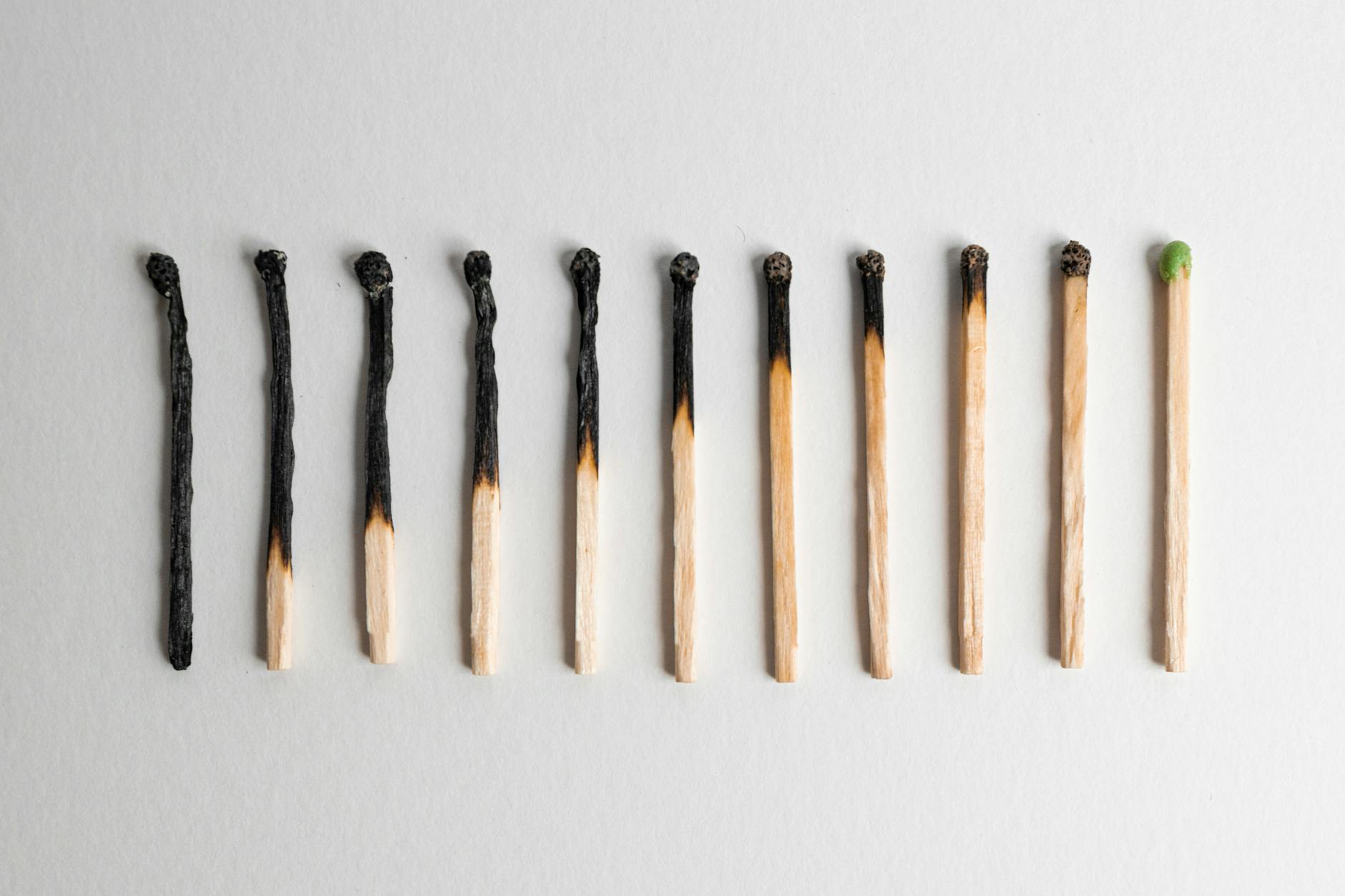
If you had addressed post-acne redness in the first 3-6 months after acne healed, several treatments would have been dramatically more effective. Laser treatments like pulsed dye laser (PDL) or intense pulsed light (IPL) specifically target dilated blood vessels and can reduce erythema by 50-80% when caught early, before the redness becomes fully entrenched. Topical treatments like niacinamide, azelaic acid, or vitamin C can also support faster healing and reduce inflammation during this window, though they’re less powerful than professional treatments. The comparison between early and late intervention is stark: someone treating post-acne redness at month two might need 2-3 laser sessions and see 70% improvement. Someone waiting until month 18 to address the same issue might need 6-8 laser sessions and still only achieve 60% improvement, because the vascular damage has had time to calcify.
Additionally, late treatment is costlier. A PDL session runs $300-500, so the difference between 2 sessions and 6 sessions is thousands of dollars. Early intervention is not just more effective—it’s significantly cheaper. However, if your acne is still active, treating post-acne redness at the same time is usually counterproductive. You need acne to be fully healed first, so the window is really months 2-6 post-acne, not immediately.
What Happens If the Redness Transitions to Scarring?
One of the worst outcomes of ignoring post-acne redness is that it can evolve into permanent scarring, blurring the line between temporary inflammation and structural damage. Not all post-acne marks are the same. Atrophic scars (depressed scars) develop when the collagen doesn’t fully regenerate. If you’ve left post-acne redness untreated long enough, the collagen remodeling phase can end prematurely, leaving you with a scar rather than just redness. Similarly, if the redness is caused by vascular damage and you wait too long, those new or dilated blood vessels can become so established that topical treatments no longer affect them. A critical warning: if you see the redness transitioning to a visible depression or indentation in your skin, that’s a sign that scarring has begun or already occurred.
At that point, your treatment options become much more limited. Depressed scars typically require microneedling, subcision, or more aggressive laser resurfacing, which are more expensive and have more downtime than treatments for pure erythema. The best time to prevent this was in the first few months after acne healed. Another limitation to be aware of: some people have skin types and healing patterns that are predisposed to scarring, regardless of how quickly they treat post-acne redness. Someone with deeper skin tones or genetic factors that slow collagen remodeling might develop scarring even with relatively quick intervention, whereas someone else might escape scarring even with longer wait times. This is one reason why consulting a dermatologist early is valuable—they can assess your specific risk.
How Does Post-Inflammatory Hyperpigmentation Complicate Untreated Redness?
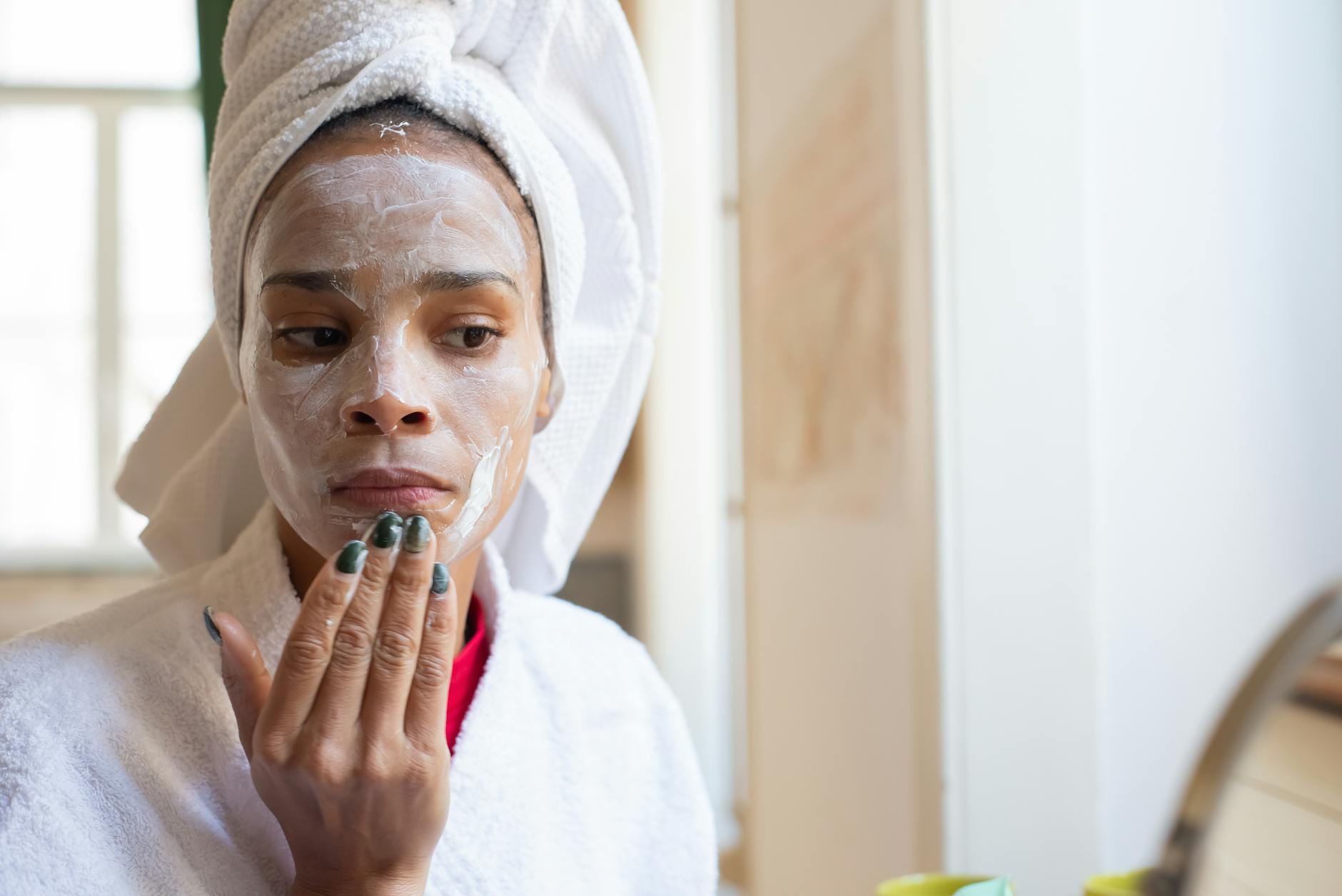
While post-acne erythema (redness) is a vascular issue, post-inflammatory hyperpigmentation (PIH) is a pigmentation issue, and they often occur together. If you ignore both simultaneously, you end up with a dark red or brownish discoloration that’s much more noticeable and much harder to treat than either problem alone. PIH develops when acne triggers excess melanin production in healing skin, and it’s particularly common in people with darker skin tones or in areas with high sun exposure.
For example, someone with medium to dark skin who had acne breakouts on their forehead and ignored the resulting marks might develop a combination of faint redness plus significant brown discoloration. Now they’re dealing with two simultaneous problems: the vascular issue of erythema and the melanin issue of hyperpigmentation. Treating just one doesn’t solve the other, and some treatments that work well for redness (like PDL laser) don’t address pigmentation, while treatments for pigmentation (like chemical peels or certain lasers) might not touch the redness. The smart approach during the critical early window is to address both simultaneously with broad-spectrum treatments and strict sun protection, before they become entrenched.
Can Professional Treatment Still Help if You’ve Waited Years?
Even if you’ve ignored post-acne redness for years, professional treatment can still help—it just requires more sessions, costs more money, and might not achieve 100% clearance. Modern laser technologies like fractional CO2 lasers, erbium lasers, and combination approaches can remodel collagen and reduce both redness and textural scarring simultaneously, though the results are less dramatic than they would have been if you’d started earlier. This is why dermatologists still recommend treatment even for older marks—it’s not too late, just more challenging.
The forward-looking reality is this: if you have post-acne redness right now and you’re reading this, the best time to treat it was three months ago. The second-best time is today. Waiting another year won’t improve your options or your results—it will only make them worse. Advances in laser technology and combination treatments mean that even stubborn, long-standing post-acne marks can improve, but nothing beats early intervention.
Conclusion
Ignoring post-acne redness doesn’t make it disappear—it allows temporary inflammation to become permanent vascular damage, textural scarring, or compounded hyperpigmentation. The first 3-6 months after acne heals are the critical window for effective treatment, when professional options like laser therapy can achieve dramatic results with fewer sessions and less cost. The longer you wait, the more likely the redness will either persist indefinitely or evolve into scarring that requires more aggressive interventions.
If you have post-acne redness now, the most actionable step is to consult a dermatologist for an evaluation. They can assess whether your redness is purely vascular, partially scarred, or complicated by hyperpigmentation, and they can recommend the most effective treatment path for your specific situation. Don’t let temporary inflammation become a permanent feature of your skin through inaction.
Frequently Asked Questions
How long does post-acne redness take to fade on its own?
Most post-acne redness fades naturally within 3-12 months, but some cases persist for years or never fully resolve without treatment. The timeline depends on how severe the inflammation was and your individual healing capacity. Waiting to see if it fades on its own means risking that redness becoming permanent.
Is post-acne redness the same as scarring?
No. Post-acne redness (erythema) is vascular inflammation and usually temporary. Scarring is textural—a depression or indentation in the skin—and is permanent without treatment. However, redness can evolve into scarring if ignored long enough, which is why early treatment prevents this progression.
Can sunscreen alone help post-acne redness fade faster?
Sunscreen prevents redness from getting worse and worsening hyperpigmentation, but it doesn’t actively speed healing of existing erythema. It’s protective, not curative. Combine it with treatment for better results.
What’s the cheapest way to treat post-acne redness if I wait years?
Waiting doesn’t make treatment cheaper—it makes it more expensive. Early laser treatment costs less and requires fewer sessions than treating entrenched redness years later. There’s no financial advantage to delaying.
Can retinoids help post-acne redness?
Retinoids support collagen remodeling and can help with healing, but they’re slow-acting for vascular redness. They’re useful as a supportive treatment alongside laser or as a preventative, but they’re not a primary solution for significant post-acne redness.
Does post-acne redness get worse if I keep using acne products?
Yes. Harsh or irritating acne products can perpetuate inflammation and slow healing. Once acne is healed, switch to gentle, nourishing products to support the skin barrier and reduce ongoing irritation that could worsen redness.