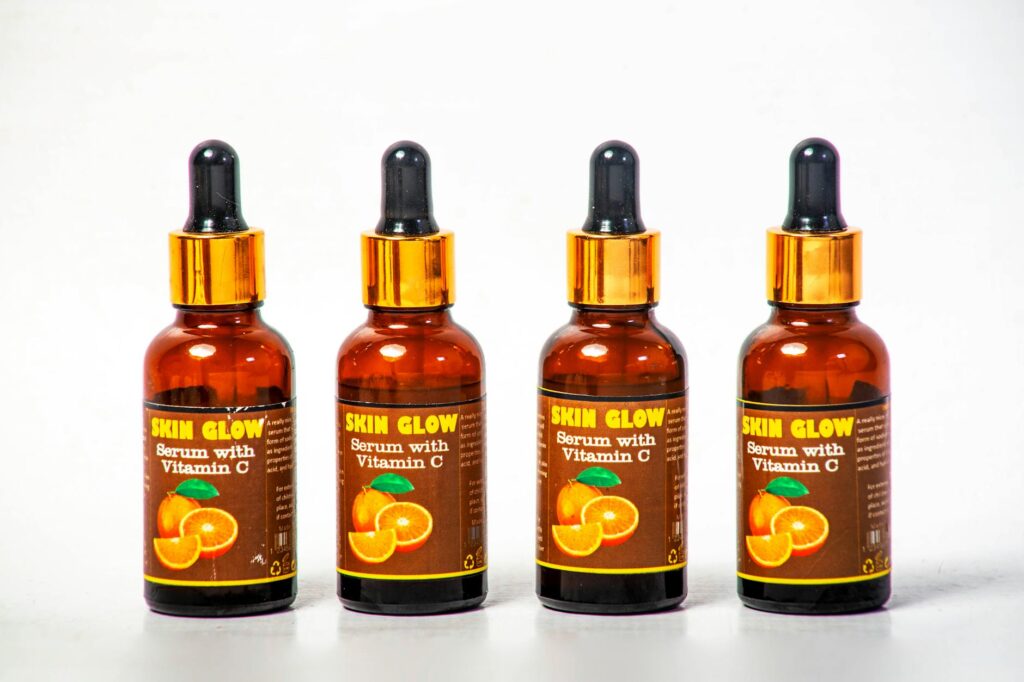
Combining too many brightening ingredients doesn’t just fail to work better—it actively damages your skin barrier, causes irritation, reduces efficacy, and can trigger inflammation that makes hyperpigmentation worse. When you layer vitamin C, niacinamide, hydroquinone, retinol, and alpha hydroxy acids in the same routine, you’re overwhelming your skin’s ability to tolerate these actives. Instead of amplified brightening, you get redness, sensitivity, compromised moisture retention, and a compromised microbiome that ironically can intensify dark spots. For example, someone using a vitamin C serum, retinol treatment, glycolic acid toner, and hydroquinone cream simultaneously may see their hyperpigmentation darken within weeks because the cumulative irritation triggers post-inflammatory hyperpigmentation—the exact problem they were trying to solve.
This article explores what happens chemically and biologically when you overload your regimen with brightening actives, which combinations are genuinely safe, and how to layer these ingredients strategically for actual results. The core issue is that brightening ingredients work through different mechanisms: some exfoliate (AHAs, BHAs), some inhibit melanin production (niacinamide, kojic acid), some increase cell turnover (retinoids), and some bleach existing pigment (hydroquinone). Each creates some degree of stress on the skin. Stack them too aggressively, and you’ve created a chronic irritation state that your skin can’t repair, leading to barrier dysfunction, sensitization, and paradoxically, more pigmentation problems. The solution isn’t abandoning brightening—it’s understanding which combinations are compatible and how to introduce them slowly enough that your skin adapts.
Table of Contents
- How Does Skin Barrier Damage Occur When Combining Multiple Brightening Actives?
- Which Brightening Combinations Actually Work Together Without Damaging Skin?
- Does Irritation Actually Make Hyperpigmentation Worse?
- How Should You Layer Brightening Ingredients Safely if You Want to Use Multiple?
- What Happens if You Already Have Barrier Damage From Over-Exfoliation?
- Can You Use Brightening Ingredients If You Have Sensitive Skin or Eczema?
- What Does Future Skincare Look Like After You’ve Learned Your Limits With Brightening?
- Conclusion
How Does Skin Barrier Damage Occur When Combining Multiple Brightening Actives?
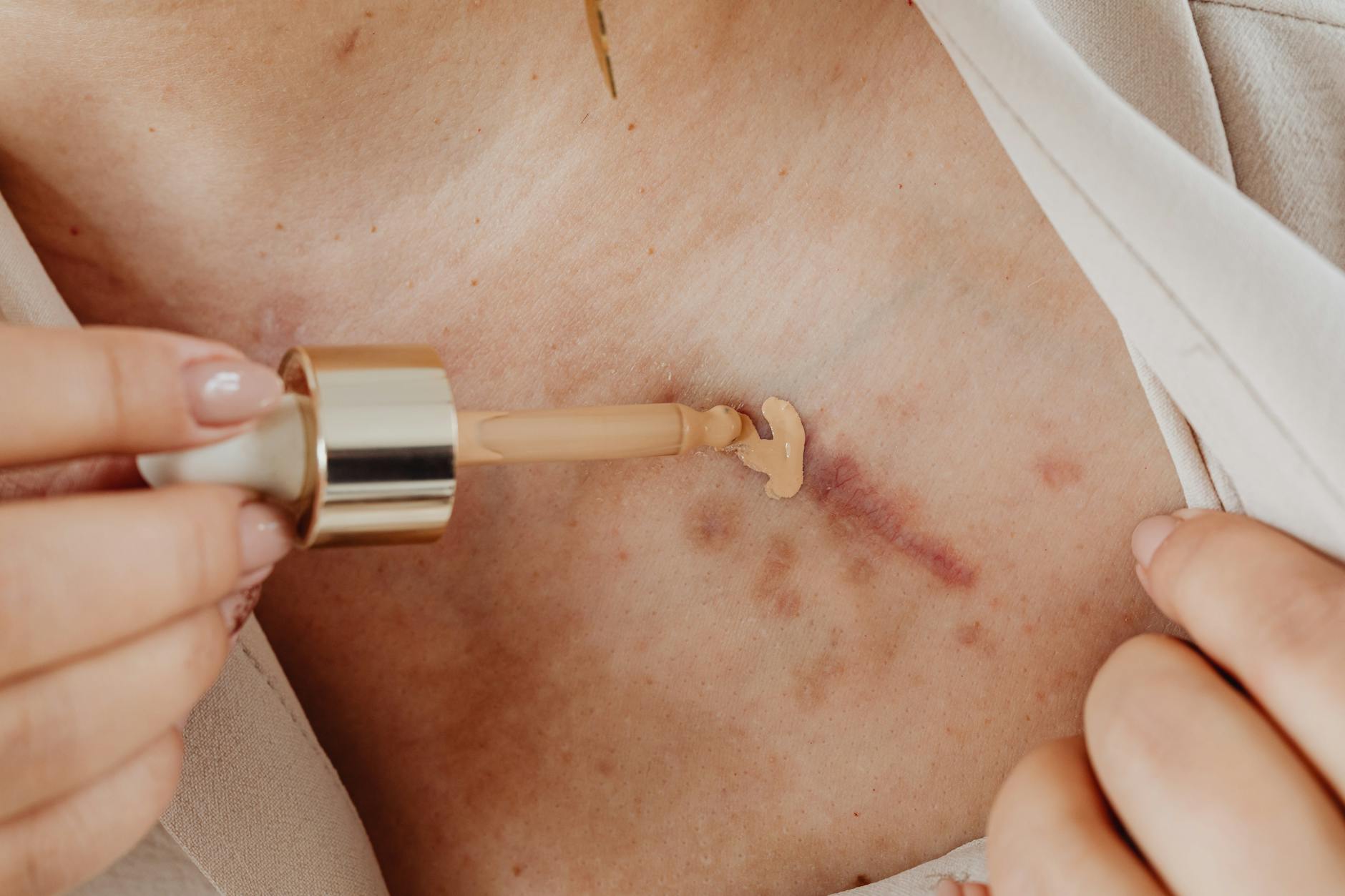
Your skin barrier is a lipid-rich layer that acts as a fence—it keeps water in and irritants out, and it maintains a stable pH and microbiome. Most brightening ingredients lower skin pH (making it more acidic) and disrupt lipids, which is necessary for exfoliation and ingredient penetration, but it’s also inherently destabilizing. When you use vitamin C (pH 3-4) plus a retinol plus glycolic acid, you’re hitting the barrier with three separate pH disruptions simultaneously. The ceramides and cholesterol that hold the barrier together break down faster than your skin can rebuild them, which takes 4-6 weeks minimum if you’re gentle and much longer if you’re aggressive.
A 2019 study published in *Dermatology Practical & Conceptual* showed that combining exfoliating actives increases transepidermal water loss (TEWL) more than additively—it’s synergistic damage. Your skin becomes unable to hold moisture, which paradoxically makes irritation worse (dehydration increases irritation) and can trigger reactive sebum production. This is why someone might start a new brightening routine and end up with combination skin or breakouts they’ve never had before—the barrier is compromised, so their skin is trying to compensate by producing more oil while also being dehydrated. The deeper problem is that a damaged barrier cannot deliver oxygen and nutrients to skin cells efficiently, which actually slows collagen production and cellular repair—things you need for long-term skin health and for healing pigmentation damage.
Which Brightening Combinations Actually Work Together Without Damaging Skin?
Not all combinations are incompatible. The safest approach is to separate mechanisms: use an exfoliating active (AHA or BHA) once or twice weekly, and use a melanin-inhibiting active (niacinamide or kojic acid) as a separate treatment on non-exfoliating days. For example, glycolic acid on Monday and Thursday, then niacinamide serum on Tuesday and Wednesday works because you’re spacing out the pH disruptions and giving your barrier 24-48 hours between stressors. If you’re also using a retinoid, reserve that for a third night (like Saturday), and always buffer it with moisturizer.
However, if your skin already shows signs of compromise—visible redness, sensitivity to water temperature, stinging when applying moisturizer, or flaking—adding anything new will worsen the situation. In this case, you need to pause all actives for 2-3 weeks and focus on barrier repair (moisturizer, occlusive, possibly a ceramide supplement). Trying to power through with more actives is like reinjuring a sprained ankle by walking on it—the damage just compounds. Niacinamide is one of the few actives that actually supports barrier function (it increases ceramide production), so if you’re repairing, a niacinamide serum 1-2x daily is compatible with rest. Vitamin C serums marketed as “gentle” or formulated at pH 5-6 are far less irritating than acidic formulations, but they’re also less effective for exfoliation—they work more as an antioxidant and collagen booster, which means they complement rather than compete with exfoliants.
Does Irritation Actually Make Hyperpigmentation Worse?
Yes. Post-inflammatory hyperpigmentation (PIH) occurs when skin is injured—whether from acne, over-exfoliation, UV exposure, or chemical irritation—and responds by producing excess melanin as a protective response. If you’re using multiple brightening actives and causing chronic low-grade irritation, your skin is in a constant state of repair, constantly triggering melanin production to protect itself. You’re essentially creating the exact condition you’re trying to treat. This is why someone might report that their hyperpigmentation “got worse” after starting a brightening routine: the routine caused irritation, the irritation triggered protective melanin synthesis, and now they have both their original hyperpigmentation and new irritation-induced pigmentation on top.
A clinical example: a 42-year-old using retinol, vitamin C serum, and twice-weekly glycolic acid for dark spots reported that after 3 weeks, her spots visibly darkened and she developed new patches of redness. Her barrier was compromised, her skin was inflamed, and the inflammation itself was signaling her melanocytes to produce more pigment. The fix wasn’t adding another active—it was stopping everything except a gentle cleanser and a rich moisturizer, then slowly reintroducing one brightening ingredient at a time, once weekly, over 8-12 weeks. Her hyperpigmentation improved within 3 months because she’d finally stopped triggering the protective response. The initial irritation-driven darkening reversed within 2-3 weeks of stopping, confirming that the barrier damage was driving the pigment production.

How Should You Layer Brightening Ingredients Safely if You Want to Use Multiple?
The safe approach is the “one active per time slot” method. Morning routine: cleanser, vitamin C serum (antioxidant + collagen), SPF. Evening rotation: three different nights with three different actives. Night 1: gentle exfoliant (AHA or BHA, 1-2x weekly). Night 2: niacinamide treatment or kojic acid serum (melanin inhibitor, 2-4x weekly). Night 3: retinol or retinoid (cell turnover + collagen, 1-3x weekly depending on strength).
All actives go on clean skin followed by a hydrating toner and a rich moisturizer—the hydration step matters because it buffers irritation and supports barrier repair. Alternatively, if you’re using a prescription-strength brightening agent like hydroquinone, that should be your *only* active (except SPF, which is mandatory). Hydroquinone is potent and works through melanin bleaching, which is biochemically different from the other mechanisms. Combining it with exfoliants or retinoids increases the risk of irritation-driven rebound hyperpigmentation and can actually reduce hydroquinone’s efficacy because the barrier disruption interferes with penetration. A dermatologist would typically recommend hydroquinone 2-4% applied once or twice daily to clean skin, then moisturizer, no other actives. Some practitioners pair it with a low-strength retinoid (0.025% tretinoin) or sunscreen, but that’s a deliberate, measured combination, not a stack.
What Happens if You Already Have Barrier Damage From Over-Exfoliation?
Signs of barrier damage include persistent redness, sensitivity to any product, stinging sensation with water or moisturizer, visible flaking or tightness, increased breakouts (especially from Malassezia yeast, which thrives in compromised skin), and paradoxically, oily skin in some zones and dry in others. If you’re seeing these, your skin is in a crisis state. Continuing to apply actives is like pouring salt on a wound. You need to stop everything except: a sulfate-free, pH-balanced cleanser (or just water); a hydrating toner (if your skin is dehydrated); a moisturizer with ceramides and humectants (hyaluronic acid, glycerin); and an occlusive (like Aquaphor or Vaseline) at night to seal in moisture. This repair phase typically takes 4-6 weeks minimum, sometimes 3 months.
During barrier repair, you can use niacinamide serum if you tolerate it (most people do, because niacinamide actually supports barrier health), but avoid everything else active. Avoid hot water, rough towels, fragrance, essential oils, and even some “gentle” actives like konjac acid or bamboo exfoliants. If your skin has developed reactive rosacea-like symptoms (persistent redness, broken capillaries), barrier repair alone may not be enough and you should consult a dermatologist. The key mindset shift: during barrier repair, “doing nothing” is the treatment. Once your skin feels calm and looks even-toned, then and only then can you consider reintroducing a single brightening active at very low frequency (1x weekly, monitor for 4 weeks before adding anything else).
Can You Use Brightening Ingredients If You Have Sensitive Skin or Eczema?
Brightening actives are generally contraindicated in sensitive skin or eczema because they disrupt the barrier further, triggering flares. However, some sensitive-skin people do benefit from specific actives if introduced extremely carefully. Niacinamide is generally the safest because it strengthens the barrier and has anti-inflammatory properties. Some hydrating serums with niacinamide 4-5% can be used daily even by sensitive-skin folks, though you should patch-test first.
Vitamin C is risky because most formulations are acidic, which irritates sensitive skin, though stabilized forms or less acidic alternatives (like ascorbic acid derivatives) are marginally gentler. If you have rosacea or eczema and want to address hyperpigmentation, your first line should be: broad-spectrum SPF 30+ (prevents further UV-triggered pigment), hydrating serums (niacinamide or ceramide-based), and possibly a mild hydroquinone if prescribed by a dermatologist and used under supervision. Exfoliants and retinoids are typically off-limits until the underlying sensitivity is managed. Laser or professional treatments (IPL, microneedling) may be safer alternatives for you than chemical actives, which is a conversation to have with a dermatologist.
What Does Future Skincare Look Like After You’ve Learned Your Limits With Brightening?
Once you’ve identified which brightening ingredients your skin tolerates and which combination works for you, the goal is consistency and protection rather than escalation. You don’t need to keep adding more actives; you need to stick with a simple regimen and protect your gains with SPF and antioxidants. Most dermatologists agree that sustainable brightening comes from: consistent low-dose retinoid (supports cellular turnover and collagen), daily broad-spectrum SPF 30+ (prevents new UV-induced pigmentation), and one melanin-inhibiting active (niacinamide or kojic acid, applied 2-4x weekly).
This combination addresses all three drivers of hyperpigmentation (cell turnover, UV exposure, melanin synthesis) without overwhelming the barrier. The future of skincare is also moving toward combination devices—microneedling, RF microneedling, and laser therapies—which can address pigmentation more directly than topical actives alone. For stubborn hyperpigmentation that hasn’t responded to 3-6 months of topical brighteners, these professional treatments might deliver faster results with less irritation risk than adding more ingredients to your routine. The mindset shift is: more ingredients doesn’t equal better results; the right dose of the right ingredients, applied consistently, with barrier support and sun protection, does.
Conclusion
Combining too many brightening ingredients overwhelms your skin barrier, triggers irritation-driven hyperpigmentation (the opposite of what you want), and reduces the efficacy of each individual ingredient. The safest approach is spacing out actives—one exfoliant once or twice weekly, one melanin inhibitor 2-4x weekly, one retinoid 1-3x weekly, with rest days and barrier-supportive moisturizing between each. If you’re experiencing redness, sensitivity, or worsening pigmentation after starting a brightening routine, pause everything except cleanser and moisturizer for 2-3 weeks and rebuild your barrier before reintroducing any actives. Start with a single brightening ingredient, use it consistently for 4-6 weeks, monitor results, and only add a second ingredient if your skin tolerates the first.
Niacinamide is the safest second ingredient because it supports barrier repair. If you’re using prescription-strength options like hydroquinone, use that alone without other actives. Consistency, sun protection, and patience deliver results; complexity and impatience create problems. When in doubt, consult a dermatologist—they can assess your skin barrier and recommend combinations specific to your needs.