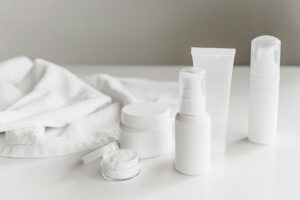
When cleansing is not done properly, dead skin cells, oil, makeup, and environmental pollutants accumulate on the skin surface and within pores, leading to bacterial overgrowth, inflammation, and breakouts. This creates a cascade of problems—clogged pores become inflamed acne lesions, the skin barrier weakens from product buildup, and your natural microbiome becomes unbalanced, making your skin more prone to sensitivity and irritation. For example, someone who removes makeup with only micellar water but skips a second cleanse might think their skin is clean, yet invisible residue remains trapped in pores, combining with sebum overnight to form comedones by morning.
This article explores what physically happens to your skin when cleansing is insufficient, why these problems develop, and how proper cleansing prevents them. Improper cleansing is one of the most common skincare mistakes because the damage isn’t always immediately visible—it accumulates quietly over days and weeks. You might not notice until breakouts appear, your skin texture becomes rough, or persistent irritation develops. Understanding the specific consequences of inadequate cleansing helps explain why dermatologists emphasize this as the foundation of any skincare routine.
Table of Contents
- How Does Poor Cleansing Damage Your Skin Barrier?
- The Cascade of Bacterial and Fungal Issues
- Environmental Pollutants and Oxidative Damage
- Why Standard Cleansing Routines Fail
- Specific Damage Patterns in Different Skin Conditions
- How Makeup and Skincare Products Compound the Problem
- Long-Term Consequences and Prevention
- Conclusion
- Frequently Asked Questions
How Does Poor Cleansing Damage Your Skin Barrier?
your skin barrier is a delicate layer of lipids and dead skin cells that protects against bacteria, irritants, and moisture loss. When cleansing is insufficient, dead cells pile up faster than they naturally shed, creating a thick, uneven surface. This buildup traps bacteria underneath and prevents beneficial skincare products from penetrating effectively. At the same time, oil and sweat mix with dead cells to form a cement-like substance that hardens pores, making them appear larger and more visible.
However, if you over-cleanse trying to compensate—using harsh scrubs or cleansing multiple times daily—you strip away the skin’s natural oils entirely, damaging the barrier from the opposite direction. The skin then overcompensates by producing excess sebum, worsening oiliness and acne. This is why many people with acne actually have compromised barriers from aggressive cleansing, not insufficient cleansing. The goal is gentle but thorough removal of surface debris without stripping essential lipids.
The Cascade of Bacterial and Fungal Issues
Bacteria like Cutibacterium acnes (formerly Propionibacterium acnes) thrive in anaerobic, sebum-rich environments—exactly what you create when pores are clogged with trapped oil and dead skin. Without proper cleansing, these bacteria multiply rapidly, triggering inflammation and the formation of inflamed papules, pustules, and cystic acne. The inflammation itself damages surrounding skin tissue, often leading to post-inflammatory hyperpigmentation or scarring that persists long after the acne heals.
Additionally, yeast and fungi like Malassezia can overgrow when dead skin cells create a nutrient-rich, moist environment on the skin surface. This is particularly problematic in skin folds and oily areas. People with poor cleansing habits often develop fungal acne (pityrosporum folliculitis), which looks similar to bacterial acne but doesn’t respond to typical acne treatments and requires antifungal interventions. Unlike bacterial acne, fungal acne worsens with certain skincare ingredients and can spread if left unchecked.
Environmental Pollutants and Oxidative Damage
Throughout the day, your skin accumulates more than just makeup and oil—it collects particulate matter from air pollution, exhaust fumes, smoke, and microscopic environmental debris. Without proper cleansing, these particles remain on the skin surface and penetrate into pores, where they accumulate over time. Pollution particles are known to generate free radicals on the skin, accelerating collagen breakdown and contributing to premature aging, dullness, and uneven texture.
Heavy metals and polycyclic aromatic hydrocarbons from pollution oxidize on the skin, creating a gray, dull appearance and triggering inflammatory responses that mimic or worsen acne. People living in urban areas who neglect proper cleansing show more visible signs of aging and congestion than those who cleanse consistently. The oxidative damage is compounded if you don’t remove makeup before bed—makeup particles, when left on overnight, oxidize and cause more pronounced inflammation than the same makeup removed promptly.

Why Standard Cleansing Routines Fail
Many people assume a single water rinse or one-step cleanser is sufficient, but this removes only surface-level debris. A proper cleansing routine involves two steps: an oil-based or micellar cleanser to dissolve lipid-soluble impurities (makeup, sebum, sunscreen), followed by a water-based cleanser to remove water-soluble debris and cleanser residue. Without both steps, residue remains trapped in pores.
For example, sunscreen—which is designed to stay on your skin and resist water and sweat—cannot be adequately removed by water or water-based cleansers alone. Incomplete sunscreen removal leads to pore clogging and a phenomenon sometimes called “sunscreen acne.” Similarly, silicone-based primers and foundations require oil-based cleansing to dissolve; using only micellar water leaves a silicone film that accumulates and traps bacteria. Many people blame their skin type or genetics for chronic acne when the real culprit is incomplete makeup and sunscreen removal.
Specific Damage Patterns in Different Skin Conditions
People with oily or combination skin suffer the most visible consequences of poor cleansing because excess oil amplifies bacterial growth and makes clogged pores more apparent. However, people with dry or sensitive skin often under-cleanse to avoid irritation, allowing dead skin cells to build up and barrier damage to worsen—their skin becomes flaky, irritated, and paradoxically, more acne-prone as the damaged barrier becomes inflamed. This is a common trap: dry skin sufferers avoid cleansing because they assume it will worsen dryness, but incomplete cleansing actually perpetuates the problem.
People with acne-prone skin face an additional challenge: acne medication and treatments become far less effective when applied to skin that isn’t properly cleansed. Tretinoin, benzoyl peroxide, and salicylic acid cannot penetrate through a layer of dead skin and oil buildup. This is why dermatologists emphasize that cleansing is the prerequisite for any acne treatment—without it, even the strongest acne medications underperform. Some patients spend hundreds on prescription treatments while their fundamental cleansing routine remains inadequate.

How Makeup and Skincare Products Compound the Problem
If cleansing is poor, the more products you apply to your skin, the worse the accumulation becomes. Serums, moisturizers, and treatments sit on top of a layer of dead skin cells and oil rather than absorbing into living epidermis. This creates a “product graveyard” effect—layers of half-absorbed products oxidizing and becoming sticky, trapping bacteria underneath.
People often interpret this as their skin not tolerating a product (“this serum breaks me out”), when the real issue is that the skin surface wasn’t properly prepared. Conversely, some people over-apply skincare products trying to fix congestion, which further clogs pores and worsens the cycle. A properly cleansed face requires fewer products to see results because each product actually reaches the skin. This is why minimalist skincare routines—cleanser, moisturizer, sunscreen—often outperform complicated 10-step routines applied to uncleansed skin.
Long-Term Consequences and Prevention
Years of inadequate cleansing lead to permanently enlarged pores, chronic texture issues, persistent acne scarring, and accelerated skin aging. The damage accumulates not just from one night of poor cleansing, but from the compounding effect over months and years. People who cleanse properly from their teens onward show noticeably better skin quality and fewer signs of aging in their 40s and 50s compared to those who developed poor habits earlier.
Prevention is far simpler and less expensive than treating the consequences. A consistent, two-step cleansing routine takes less than two minutes and prevents the cascade of problems outlined above. The foundation of every dermatologist-recommended skincare routine—whether for acne, aging, sensitivity, or general health—is proper cleansing. Once this foundation is solid, other treatments become significantly more effective.
Conclusion
Poor cleansing doesn’t just leave your skin feeling dirty—it creates a hostile environment where bacteria multiply, your skin barrier deteriorates, dead cells accumulate, and environmental damage accelerates. The consequences range from immediate breakouts to long-term texture damage, premature aging, and acne scarring.
Unlike many skincare problems that require expensive treatments or professional procedures, this one is entirely preventable with a simple, consistent routine. The first step toward better skin health is evaluating whether your current cleansing routine actually removes makeup, sunscreen, oil, and dead skin cells, or just removes the most obvious surface dirt. If you’re struggling with acne, sensitivity, texture issues, or dullness, improving your cleansing technique often makes a noticeable difference within 2-4 weeks—before adding any other treatments or products.
Frequently Asked Questions
Is it okay to just rinse my face with water if I don’t wear makeup?
No. Even without makeup, your skin accumulates oil, dead cells, sunscreen, and environmental pollution throughout the day. Water alone cannot remove oil-soluble debris like sunscreen or sebum. A gentle cleanser is necessary even on makeup-free days.
How do I know if I’m cleansing enough?
After cleansing, your skin should feel clean but not tight or squeaky. If you feel tightness, you’re over-cleansing. Your skin shouldn’t feel oily or greasy either. A good test: if your skin feels the same texture as after a cold shower, you’re cleansing properly.
Can poor cleansing cause permanent damage to my skin?
Chronic poor cleansing can lead to permanently enlarged pores, acne scarring, and accelerated collagen breakdown. However, most damage is reversible if you improve your routine. Your skin repairs itself, but this takes time—typically 4-12 weeks for noticeable improvement.
Is a cleansing brush or sonic cleanser necessary?
No. Manual cleansing with your fingers is sufficient and safer for sensitive skin. Cleansing brushes can be helpful for exfoliation, but they’re not required for adequate cleansing and can damage your barrier if overused.
What’s the difference between cleansing and exfoliating?
Cleansing removes daily debris and oil. Exfoliating removes dead skin cells. You need cleansing daily, but exfoliation should happen only 2-3 times per week to avoid barrier damage. Many people skip cleansing, thinking exfoliation will solve congestion—it won’t.
Why does my skin break out after using a new cleanser?
If a new cleanser causes breakouts, it’s usually because it’s either too harsh (damaging your barrier, which triggers inflammation) or not effective at removing existing buildup on your skin. Your skin may need 1-2 weeks to adjust and for accumulated debris to clear before you see improvement.