
A 72-hour fast can trigger contradictory effects on acne—some people report clearer skin within days, while others experience temporary worsening before improvement. The reality depends on your acne type, fasting experience, and how your body responds to extended caloric restriction. For example, someone with hormonal acne driven by excess insulin may see noticeable improvement as insulin levels drop during fasting, while someone prone to stress-induced breakouts might experience a spike from cortisol elevation. This article explores what happens to your skin during a 72-hour fast, why individual responses vary so dramatically, and whether this approach is worth trying for acne management.
Table of Contents
- Does a 72-Hour Fast Actually Improve Acne?
- Skin Changes and Biological Mechanisms During Extended Fasting
- Hormonal and Inflammatory Shifts That Affect Breakouts
- Preparing for and Executing a 72-Hour Fast for Skin Goals
- Common Problems and Why Some People Experience Worse Acne During Fasts
- Combining Fasting with Topical Acne Treatments
- What the Evidence Actually Shows and Future Outlook
- Conclusion
- Frequently Asked Questions
Does a 72-Hour Fast Actually Improve Acne?
A 72-hour fast can improve acne for some people, particularly those whose breakouts are driven by high insulin and IGF-1 levels. Extended fasting suppresses insulin production, which reduces the hormonal signaling that stimulates sebum production and inflammation—two primary acne drivers. Some individuals report noticeably clearer skin by day two or three, with reduced redness and fewer new lesions forming. However, this isn’t universal.
The improvement is most pronounced in people with metabolic acne (linked to diet and blood sugar) rather than bacterial or hormonal acne caused by androgens. The initial 24-36 hours often feel worse before improving. Your body enters a stress response, releasing cortisol as glycogen stores deplete. This can trigger inflammation and temporary breakouts, a phenomenon sometimes called “detox breakouts.” Someone fasting for the first time might see new whiteheads or increased redness around day one, interpret it as the fast “not working,” and give up before reaching the point where clearing typically occurs. Understanding this timeline prevents misinterpretation of what’s actually a normal physiological response.

Skin Changes and Biological Mechanisms During Extended Fasting
Your skin undergoes measurable changes during a 72-hour fast beyond simple inflammation reduction. Autophagy—the cellular recycling process—increases significantly after 24-36 hours of fasting, allowing your body to remove damaged and senescent cells that contribute to skin dysfunction. This includes removing lipid-laden sebocytes (oil-producing cells) that have accumulated inflammatory markers, which can reduce sebum quality and quantity. Your skin barrier may also temporarily tighten as water retention shifts.
However, dehydration is a real concern that works against acne improvement. Most people lose 1-2 pounds of water during the first 24 hours of fasting, and while some is glycogen-bound water that needs to leave, inadequate fluid intake during fasting can compromise skin barrier function and trigger compensatory sebum production. Someone drinking only black coffee and water while fasting will see different results than someone maintaining proper hydration and electrolyte balance. This is why some people report dryness and flaking during fasts—not because the fast itself is drying, but because they’re not replacing lost minerals and fluid.
Hormonal and Inflammatory Shifts That Affect Breakouts
A 72-hour fast creates a dramatic shift in hormonal environment, particularly affecting insulin, growth hormone, and cortisol. Insulin drops 40-60% by hour 36 of fasting, which is significant for acne sufferers because insulin amplifies androgen activity in skin and increases sebum production. People with PCOS, insulin resistance, or metabolic syndrome often see the most dramatic clearing during fasts because their baseline insulin is already elevated. Growth hormone rises during fasting, promoting cellular turnover and tissue repair—theoretically beneficial for healing existing acne scars and smoothing skin texture. The cortisol response complicates this picture.
Early in a fast (first 24-48 hours), cortisol rises as your body perceives caloric restriction as mild stress. This cortisol elevation can trigger or worsen inflammatory acne, particularly in people with stress-sensitive skin. By hour 48-72, cortisol typically normalizes, but individual variation is huge. Someone who fasts regularly has a blunted cortisol response, while someone fasting for the first time might experience significant elevation. This explains why experienced fasters report better skin outcomes—their body isn’t mounting a stress response to the fasting itself.

Preparing for and Executing a 72-Hour Fast for Skin Goals
If you want to attempt a 72-hour fast with skin improvement as a goal, preparation matters significantly. Start by fasting for shorter periods (16-24 hours) over 2-3 weeks to allow your body to adapt and minimize the cortisol spike. When you do attempt 72 hours, maintain hydration obsessively—aim for 3-4 liters of water daily plus electrolytes (sodium, potassium, magnesium), which can be supplemented through salt water, electrolyte drops, or bone broth if you’re doing a modified fast allowing zero-calorie liquids. Black coffee and green tea are fine and may actually help reduce inflammation due to their polyphenol content.
The timing of breaking your fast matters for skin outcomes. Many people make the mistake of consuming high-glycemic foods immediately after fasting, which causes an insulin spike that can erase the acne benefits within hours. Break your fast with protein, fat, and fiber—like eggs with avocado, or bone broth with vegetables. This prevents a sudden blood sugar spike and maintains the reduced-insulin environment that allowed clearing. Someone who fasts for 72 hours then eats pizza will likely see acne return within 24-48 hours, negating the fast’s benefits entirely.
Common Problems and Why Some People Experience Worse Acne During Fasts
The most frequent problem during 72-hour fasts is intensified breakouts in the first 36-48 hours, which discourages continuation. This happens because of the cortisol spike, dehydration from insufficient electrolyte replacement, or “die-off” inflammatory response if significant sebum changes are occurring. Someone with severe cystic acne might see worsening inflammation during this window and assume the fast is harmful, when they’re actually experiencing the normal response to cellular stress. Pushing through to day three often shows improvement, but most people don’t persist.
Another hidden problem is that fasting can worsen acne in people with certain underlying conditions. Those with diabetic tendencies or blood sugar dysregulation might experience such a dramatic glucose drop that they trigger a countervailing hunger-hormone response (ghrelin spike) that includes increased cortisol and inflammatory markers. People with a history of eating disorders should avoid extended fasting entirely, as the appetite and metabolic disturbance can trigger relapse. Additionally, fasting during the luteal phase of menstruation (second half of cycle) produces a much more pronounced cortisol response in some women, potentially worsening acne rather than improving it.
Combining Fasting with Topical Acne Treatments
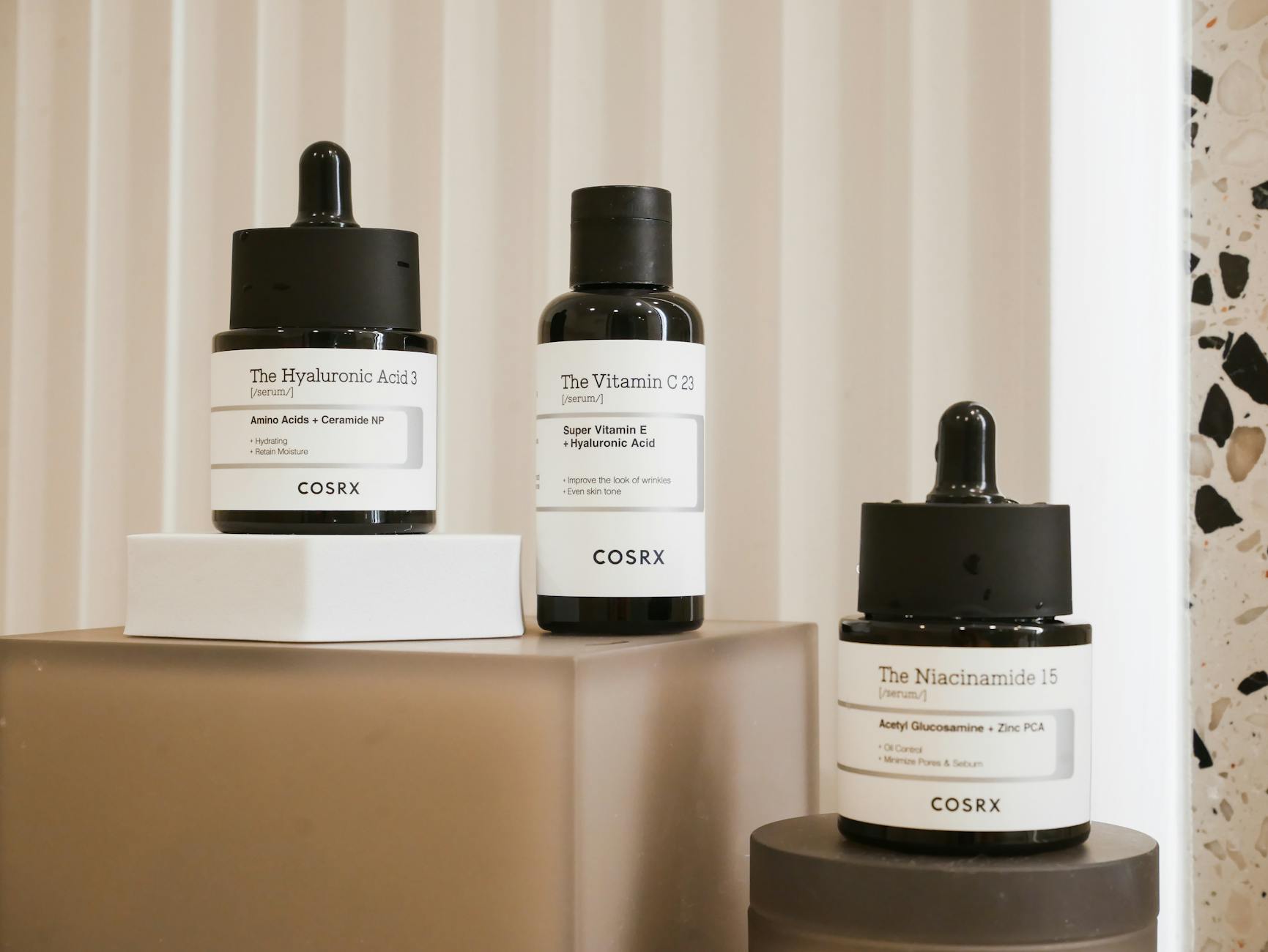
Fasting alone doesn’t replace topical acne treatments, and the combination approach yields the best results. Retinoids, benzoyl peroxide, and salicylic acid all work synergistically with fasting’s anti-inflammatory effects.
However, timing matters—some people find their skin becomes more sensitive during fasting, particularly to retinoids, so using your regular 0.05% retinol three nights weekly might feel too strong on day two of a fast. Consider reducing frequency or concentration during extended fasts, then resuming normal use during the post-fast recovery period when improvement is apparent. Someone using isotretinoin (Accutane) should not fast without medical approval, as both affect systemic inflammation in ways that could compound.
What the Evidence Actually Shows and Future Outlook
Clinical research on fasting specifically for acne is sparse, so most evidence is anecdotal and observational. A few small studies show fasting reduces inflammatory markers and improves insulin sensitivity, which theoretically benefits acne, but no large randomized trials have measured acne clearance rates during 72-hour fasts specifically. The mechanism is sound—lower insulin and increased autophagy should improve acne—but individual response is highly variable.
What’s becoming clear is that fasting is most effective as part of a broader metabolic health approach (combined with low-glycemic diet, sleep, stress management, and skincare) rather than a standalone treatment. Future research will likely differentiate acne types and predict who responds well to fasting. Genetic testing and metabolic profiling might eventually allow dermatologists to recommend fasting to insulin-resistant patients while advising against it for cortisol-sensitive individuals. For now, the evidence supports trying a 72-hour fast if you have metabolic acne symptoms (cystic, inflammatory, worse with high-sugar foods) and you’ve prepared your body with shorter fasts first.
Conclusion
A 72-hour fast can clear acne within days for some people and worsen it temporarily for others—the difference hinges on your acne type, fasting experience, and whether you maintain proper hydration and electrolytes. The mechanism is compelling: lower insulin, increased cellular autophagy, and reduced sebum production all favor clearer skin, particularly for metabolic acne. However, the 24-36 hour cortisol spike often causes temporary worsening, and many people abandon fasting before reaching the clearing phase.
If you decide to try fasting for acne, start small with 16-24 hour fasts to assess your skin’s response, maintain aggressive hydration with electrolytes, and break your fast with protein and fat rather than carbohydrates. Combine fasting with evidence-based topical treatments and sustainable dietary changes—fasting works best as one tool within a comprehensive acne management plan, not as a standalone solution. If you have insulin resistance, PCOS, or metabolic dysfunction, the potential benefits are worth exploring. If your acne is primarily bacterial or driven by androgens, dietary changes and topical treatments will likely serve you better than extended fasting.
Frequently Asked Questions
Will my acne definitely improve after 72 hours of fasting?
No. Some people see significant improvement by day three, while others see no change or temporary worsening. Your genetics, acne type, and baseline insulin levels determine your response. Hormonal acne in particular may not improve from fasting alone.
Why does my acne get worse during the first 24-36 hours of a fast?
Your body releases cortisol as a stress response to caloric restriction, which triggers inflammation. This is temporary and often precedes clearing, but it discourages many people from continuing the fast long enough to see benefits.
Can I use my normal acne medications while fasting?
Yes, but your skin may be more sensitive during fasting. Consider reducing retinoid frequency or concentration temporarily, then resuming normal use after the fast when your skin is clearer.
What should I eat when I break my 72-hour fast to keep my acne clear?
Prioritize protein and fat over carbohydrates to avoid an insulin spike. Eggs with avocado, salmon with vegetables, or bone broth are ideal. Avoid bread, pasta, or sugary foods immediately after fasting.
Is fasting safe for people with acne if I’m also taking medication?
Fasting can interact with certain medications, particularly diabetes and thyroid medications. Consult your doctor before attempting extended fasting if you take any prescription medications.
How often should I fast if I want to maintain clearer skin?
Most people who fast for acne do 72-hour fasts monthly or every 6-8 weeks rather than weekly. More frequent fasting doesn’t necessarily mean better results and increases risk of nutrient deficiencies and metabolic adaptation.