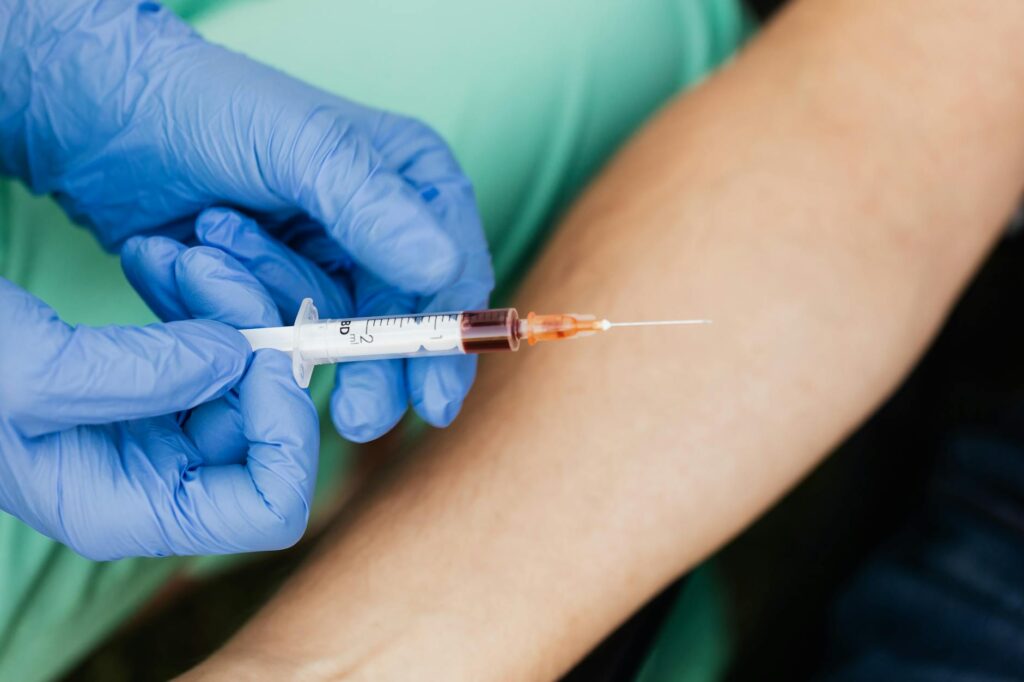
If you miss an Accutane blood test, your dermatologist will typically pause your prescription refills until you complete the missed test. Accutane (isotretinoin) is such a powerful acne medication—capable of causing severe birth defects and serious liver damage—that the FDA requires monthly blood work to monitor your liver function and lipid levels before you can refill your prescription. Missing even one test stops the entire treatment cycle cold. For someone like James, a 22-year-old with severe nodular acne, missing his appointment meant waiting three extra weeks to restart treatment, prolonging his skin condition and delaying his progress toward clear skin. This article covers what actually happens when you miss a test, why these requirements exist, how to prevent missing appointments, and what to do if you find yourself in this situation.
The consequences aren’t just bureaucratic inconvenience—they’re built into how Accutane distribution works. The medication operates under a strict Risk Evaluation and Mitigation Strategy (REMS) program that ties your prescription directly to lab work. No test results in your medical file, no medication refill. Period. Understanding this system upfront helps you plan better and avoid disruption to your treatment.
Table of Contents
- Why Does Accutane Require Monthly Blood Tests?
- What Happens Immediately After You Miss the Test
- Timeline and Treatment Gaps Created by a Missed Test
- How to Schedule Blood Work and Get Back on Track
- What If Your Lab Results Come Back Abnormal?
- State-Specific Variations and iPLEDGE Program Rules
- Building a Sustainable Routine to Never Miss Another Test
- Conclusion
Why Does Accutane Require Monthly Blood Tests?
accutane is prescribed only for severe acne that hasn’t responded to other treatments because isotretinoin is highly effective but carries serious risks. The drug can cause elevated liver enzymes (hepatotoxicity) and dangerous increases in triglycerides and cholesterol, which is why monthly monitoring is not optional—it’s a legal requirement of the REMS program. Your dermatologist needs proof that your liver is handling the medication safely and your lipids haven’t spiked into dangerous territory before dispensing your next month’s pills. Think of it like required emissions testing for a car that’s high-performance but potentially pollutant-heavy: the test isn’t punishment, it’s verification that the vehicle is safe to operate.
The monthly frequency matters because early warning signs of problems appear in blood work, often before you’d feel any physical symptoms. Someone might develop elevated liver enzymes within 4–6 weeks of starting Accutane with no outward symptoms whatsoever. The blood test catches this before damage escalates. Skipping that test means your dermatologist literally has no data about whether you’re safe to continue—they can’t just guess or assume you’re fine.

What Happens Immediately After You Miss the Test
Once your test is overdue, your electronic prescription is flagged in the REMS system, and your dermatologist’s office is notified. At your next scheduled pill pickup or prescription refill attempt, the pharmacy will deny the request because the system blocks dispensing without current lab results on file. This isn’t a processing delay—it’s an automatic system block that neither your doctor nor the pharmacy can override without the lab work. If your dermatologist’s office is proactive, you’ll get a call or email reminding you that your blood work is overdue and you need to schedule it immediately to continue treatment.
However, if you miss the test and don’t contact the office, you might not realize the problem until you try to pick up your next refill and are turned away. One patient, Maria, missed her test due to a work conflict and didn’t reschedule. When she went to the pharmacy two weeks later expecting to pick up her refill, she was shocked to learn her prescription had been on hold the entire time. The delay cost her a month of treatment progress.
Timeline and Treatment Gaps Created by a Missed Test
After missing a test, the timeline works like this: you realize the problem either when the office calls or when the pharmacy denies your refill. You then need to schedule lab work, which might have a 2–7 day wait depending on your lab’s availability. Once you have blood drawn, results typically come back in 2–3 business days. Only then can your dermatologist review the results, clear you to continue, and authorize a new prescription. Start to finish, a missed test can cost you 1–2 weeks of treatment interruption, sometimes longer if you’re slow to reschedule.
For someone on Accutane’s cumulative dosing schedule, these gaps matter because the medication works partly through accumulated exposure—you’re aiming for a total cumulative dose of 120–150 mg/kg of body weight to achieve long-term remission of acne. Missing weeks of doses stretches out your total treatment timeline. If your planned treatment is 6 months, a missed test could extend it to 6.5 or 7 months. The medication is still working, but you’re delaying your endpoint for clear skin. However, if X then Y: however, if you reschedule immediately and your labs come back normal, the interruption is brief—sometimes just a few days between blood draw and resume. The key is recognizing the missed test quickly and moving fast to reschedule rather than ignoring it and hoping no one notices.

How to Schedule Blood Work and Get Back on Track
Once you realize you’ve missed or are about to miss a test, call your dermatologist’s office immediately to confirm they haven’t already flagged the issue and to ask for specific lab work orders. Your office will provide you with the exact test codes needed—typically a comprehensive metabolic panel (to check liver enzymes) and a lipid panel (to check cholesterol and triglycerides). You don’t need to wait for a formal appointment; most labs will draw blood based on standing orders from your dermatologist. Many patients benefit from setting automatic phone reminders or calendar alerts for 5 days before their test is due, especially if your appointment is on a specific date each month. Another practical strategy is scheduling your blood work immediately after your dermatology visit each month, while you’re already in the office building and thinking about it.
Some dermatology offices have a lab partner or lab vendor they prefer, so ask your doctor where they want you to go. Getting blood drawn at the right facility helps ensure results are sent directly to your dermatologist’s chart without delays. A comparison: calling your office the day you realize the test is overdue takes about 10 minutes, vs. realizing at the pharmacy and potentially spending an hour on calls trying to sort it out. Proactive scheduling saves time and prevents the psychological frustration of being denied your medication at the pharmacy counter.
What If Your Lab Results Come Back Abnormal?
If your blood work reveals elevated liver enzymes or lipids that are too high, your dermatologist won’t just clear you to continue. Instead, you’ll likely have a conversation about whether to pause treatment, adjust your dose, make lifestyle changes (like diet modifications for cholesterol), or retest in 2–3 weeks to see if the values improve. This is another reason missing a test is more serious than it might initially seem—abnormal results could warrant a temporary halt in treatment anyway, independent of whether you missed the test. For example, if your triglycerides spike to 400 mg/dL (a level that concerns dermatologists), your doctor might hold your next prescription pending a recheck in 2–3 weeks and ask you to cut back on fatty foods and sugar.
During that pause, you’re not progressing toward your cumulative dose target. Missing the initial test means you don’t even know this problem exists until it’s already happened, which only delays detection and correction further. Some patients worry that a single abnormal lab result means they’ll be kicked off Accutane entirely. In reality, mild elevations are common and manageable—your dermatologist expects some impact on liver enzymes and lipids and will adjust the plan rather than stop treatment outright. However, severe abnormalities (liver enzymes several times normal, triglycerides above 500) do sometimes require stopping, so monitoring is protective for you, not punitive.
State-Specific Variations and iPLEDGE Program Rules
All Accutane prescribing in the U.S. happens through the iPLEDGE program, a federal risk management system. The rules are consistent nationwide: you must have lab work on file within 30 days of your dermatology visit to receive a refill. However, some states have additional requirements. For instance, some states require pregnancy tests (for patients capable of pregnancy) in addition to blood work, which adds another layer of coordination.
Check with your specific dermatology office about whether your state or insurance adds extra requirements beyond the federal baseline. iPLEDGE also requires that you be enrolled in the program as a patient and your dermatologist as a registered provider. If either of you isn’t registered, prescriptions won’t dispense even if your lab work is perfect. Occasionally, someone moves to a new state or changes dermatologists and discovers they aren’t properly enrolled in the new location’s system, which creates a mystery why their prescription is blocked. Confirming enrollment takes 10 minutes and prevents weeks of confusion.
Building a Sustainable Routine to Never Miss Another Test
The best way to handle missing a test is to never miss one in the first place. Start by asking your dermatologist’s office: “What’s the exact due date for my next test, and who should I call if I can’t make it?” Getting a calendar date (not just “sometime next month”) anchors the appointment psychologically. Set your phone to remind you one week beforehand, again three days beforehand, and once more the day before.
Multiple reminders catch you even if you’re busy. Consider scheduling all your blood work on the same date each month—say, the first Tuesday of every month, or the day after your dermatology visit. Habit and routine make it automatic rather than something you have to remember. If your workplace offers onsite lab services or if your insurance has a preferred lab location, use that because removing friction (travel time, wait times) removes reasons to postpone.
Conclusion
Missing an Accutane blood test delays your prescription refill because the FDA’s REMS program legally requires current lab work before dispensing. The interruption typically costs 1–2 weeks of treatment, extending your overall path to clear skin. The test itself isn’t bureaucratic theater—it’s verification that your liver is tolerating the medication and your lipids haven’t spiked to dangerous levels.
You can prevent this by setting calendar reminders, scheduling blood work immediately after your dermatology visit, and confirming your exact test due date with your office. If you do miss a test, call your dermatologist’s office immediately, get the lab work orders, and schedule blood work within days rather than waiting. The sooner you reschedule, the sooner you’ll be cleared to continue treatment. Treat the monthly blood work not as an obstacle but as a safety checkpoint that protects you from liver damage or cardiovascular complications—because Accutane is powerful enough to deserve that vigilance.