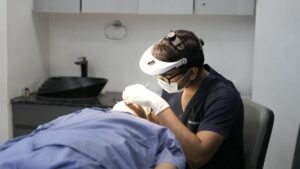
Global acne treatment differences reveal stark disparities in healthcare access, with developed regions having robust treatment options while developing nations face significant care gaps. These differences aren’t simply about medicine availability—they reflect deeper inequities in dermatological infrastructure, patient education, and cultural approaches to skin health. For example, a teenager in Western Europe can access dermatologists, clinical-grade topicals, and advanced laser therapies within weeks, while a peer in Sub-Saharan Africa may wait months for basic consultation with a trained provider, if access exists at all. This article explores how regional disparities in acne treatment expose where healthcare systems are failing patients, what innovations are emerging to close gaps, and why acne burden is rising fastest in regions least equipped to address it. The numbers underscore the urgency.
Acne affects approximately 9.4% of the global population, making it the eighth most prevalent disease worldwide. What’s more striking: cases in adolescents and young adults (10-24 years) surged 39.2% between 1990 and 2021, growing from 132.4 million to 184.3 million cases. This isn’t a leveling off—it’s an accelerating crisis, and the burden isn’t spreading evenly. Regions with limited healthcare infrastructure are experiencing the largest increases, while wealthier nations that can already manage acne effectively continue to refine treatments. Understanding these differences matters because they signal which populations are being left behind and what systemic barriers block access to care.
Table of Contents
- Where Does Acne Treatment Differ Most Across the Globe?
- Who Seeks Treatment—And Who Doesn’t?
- How Market Growth Masks Unequal Access
- Gender Disparities Complicate the Picture Further
- The Consensus Problem—Why Guidelines Don’t Travel Globally
- Viral Trends and Treatment Delays—A Modern Care Gap
- Emerging Innovations and Closing the Gap
- Conclusion
Where Does Acne Treatment Differ Most Across the Globe?
Regional prevalence data reveals shocking inequities in disease burden and treatment capacity. Western Europe leads in acne prevalence at 14,584 cases per 100,000 population, with an incidence of 7,806.1 per 100,000 and a disability-adjusted life year (DALY) rate of 312.3 per 100,000. However, this high prevalence in wealthier regions exists *alongside* strong healthcare infrastructure—dermatologists, prescription medications, and laser clinics are readily available. In contrast, North Africa and the Middle East have experienced the largest *increases* in acne burden, growing cases as these regions adopt Western diets and lifestyles but without proportional expansion of dermatological care infrastructure.
This mismatch creates a dangerous scenario: rising acne rates meet stagnant treatment access. The pattern reflects a broader global trend: less developed regions are experiencing the fastest acne increases because they’re adopting Western risk factors—processed foods, stress, hormonal changes tied to urbanization—without corresponding healthcare systems to manage the disease. A teenager in Cairo navigates acne through trial-and-error self-treatment and community remedies, while a teenager in Berlin consults a dermatologist within weeks. Even within middle-income countries, urban areas have clinics while rural regions depend on general practitioners with minimal dermatological training. This geographic lottery determines not just how quickly acne is treated, but whether it’s treated effectively at all.
Who Seeks Treatment—And Who Doesn’t?
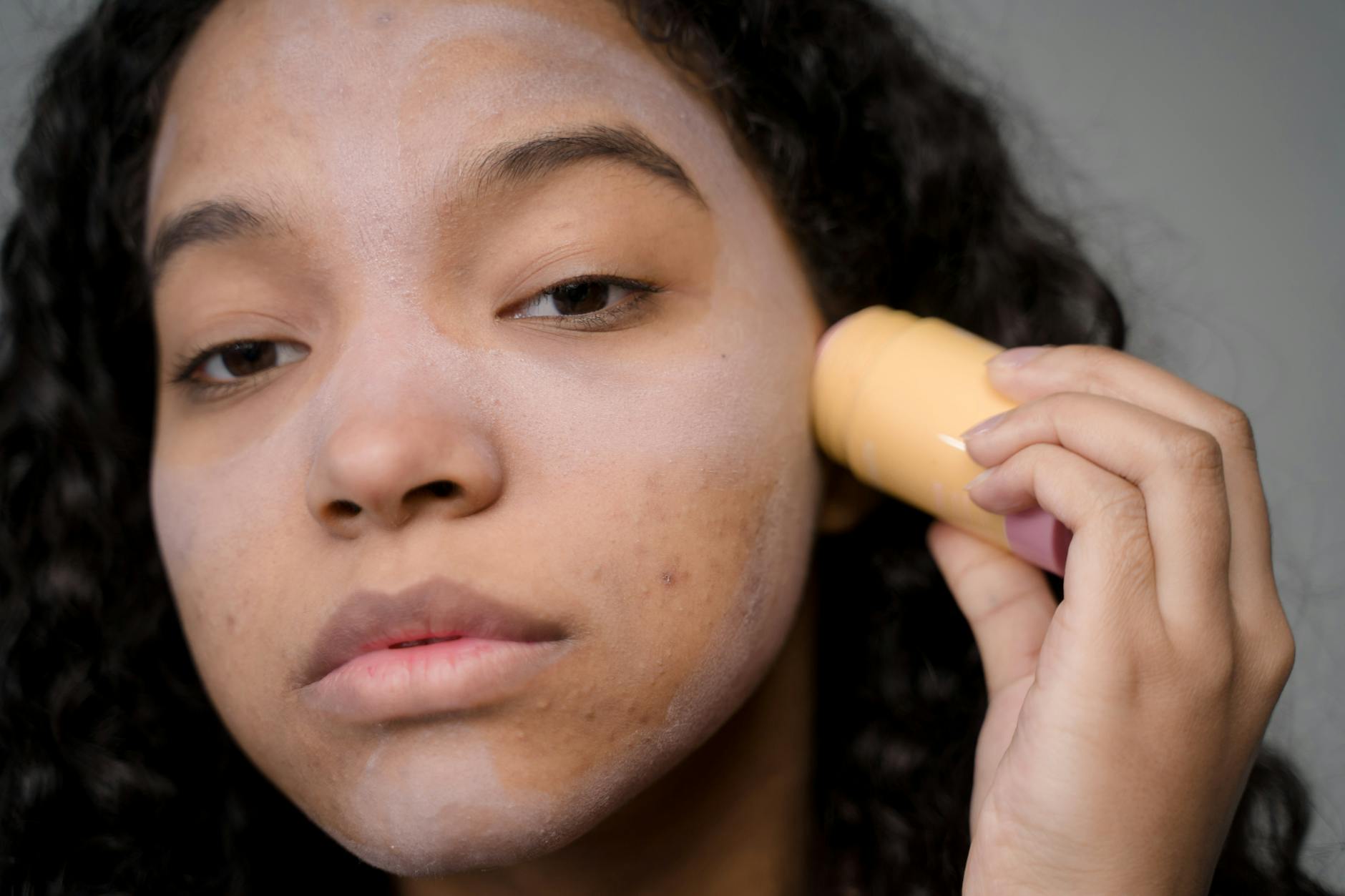
A critical care gap appears in treatment-seeking behavior itself. East Asian and South Asian individuals were significantly less likely to consult healthcare professionals for acne compared to White individuals (P<0.01), according to cross-sectional studies. This disparity stems from multiple factors: cultural norms around discussing skin concerns, perceived stigma, limited access to providers with relevant experience, and historical reliance on complementary and traditional medicine. some populations have strong alternative treatment traditions—Ayurveda in South Asia, herbal remedies across East and Southeast Asia—which patients may prefer initially, sometimes delaying consultation with dermatologists until acne becomes severe.
However, this pattern varies significantly by income and education level within regions. Higher-income patients in Asia frequently access dermatologists and modern treatments; lower-income patients face barriers to specialist care. In many developing nations, even when dermatologists exist, costs prohibit access—a month of adapalene or oral antibiotics represents a substantial expense for families earning under $5 daily. Consequently, patients self-manage with whatever over-the-counter options local pharmacies stock, leading to delayed diagnosis of severe acne and higher rates of scarring that could have been prevented with timely intervention.
How Market Growth Masks Unequal Access
The global acne treatment market’s expansion—from USD 11,144 million in 2024 to a projected USD 15,105 million by 2030—appears promising until examined regionally. North America dominates this market, reflecting robust healthcare infrastructure, high skincare awareness, insurance coverage for dermatological care, and consumer spending power. The growth is concentrated in developed economies where patients can afford treatments and dermatologists exist to prescribe them.
Meanwhile, markets in Africa, parts of Asia, and low-income regions represent tiny fractions of global spending despite housing large populations with acne. This creates an innovation paradox: new treatments—the recently approved fixed-dose combination of clindamycin, adapalene, and benzoyl peroxide, or novel 1726 nanometer lasers targeting sebaceous glands directly—are developed for and marketed primarily to wealthy regions. A breakthrough therapy that could reduce reliance on isotretinoin, a systemic retinoid with serious side effects, reaches patients in Singapore and Sydney quickly but may never be available in rural Nigeria or rural Philippines. Pharmaceutical companies follow profit, not population need, meaning the acne crisis in underserved regions deepens while innovation accelerates in already-well-served markets.

Gender Disparities Complicate the Picture Further
Young women bear a disproportionate acne burden globally. Age-standardized prevalence in 2021 was approximately 25% higher in young women than in young men, a gap driven by hormonal factors, makeup use, and potentially different reporting and help-seeking behaviors. However, the implications vary by region. In societies with strong stigma around skin conditions in women—affecting marriage prospects, employment, or social standing—the psychological burden becomes severe, yet these same societies may restrict girls’ healthcare access or lack female dermatologists.
A young woman in Afghanistan or rural Pakistan facing severe acne may have even fewer treatment options than her male peers due to cultural restrictions on female patients seeing male providers. Conversely, in developed nations, the higher prevalence in women is recognized and addressed through targeted treatments: hormonal contraceptives approved as acne therapy, female-specific skincare marketing, and normalized consultation. This regional disparity means an acne diagnosis carries vastly different consequences depending on gender and geography. In low-resource settings, untreated acne in young women can deepen existing health inequities by affecting education, employment, and social participation.
The Consensus Problem—Why Guidelines Don’t Travel Globally
A less visible but critical care gap is the lack of standardized grading systems and outcome measures across regions. Dermatologists in the United States may grade acne severity differently than those in Germany, India, or Brazil. There’s no single, universally adopted classification system, meaning a patient diagnosed as “moderate” in one country might be classified as “mild” or “severe” elsewhere. This variation affects treatment decisions: moderate acne in one guideline gets topical therapy, while the same presentation in another guideline might warrant oral antibiotics.
Different outcome measures (reduction in lesion count, psychological impact, time to clearance, scarring prevention) mean clinical trials aren’t directly comparable across regions, and evidence-based medicine becomes region-specific rather than truly global. Additionally, the American Academy of Dermatology guidelines prioritized by many developed nations—emphasizing evidence-based pharmacological treatment—don’t translate seamlessly to regions where access is constrained. A guideline recommending specific antibiotics or retinoids is useless in areas where those drugs aren’t available or cost prohibitively. This gap between expert consensus (built for well-resourced settings) and real-world practice (constrained by limited supplies and trained providers) means patients in underdeveloped regions aren’t receiving guideline-concordant care simply because the guidelines weren’t built for their context.

Viral Trends and Treatment Delays—A Modern Care Gap
A recent and unexpected care gap has emerged from social media. Viral skincare trends—often promoted by influencers without medical training—encourage patients, particularly young adults, to delay professional consultation. Trends like “skincare minimalism,” specific ingredient combinations, or overnight remedies create a false sense that acne can be solved through consumer products alone. Patients accumulate multiple over-the-counter treatments, experiment for months, and only consult dermatologists when acne has worsened or scarring has begun.
This trend crosses geographic boundaries through social media but hits hardest in regions where healthcare costs make delayed consultation particularly consequential. The tension here is real: skepticism toward dermatological treatment—sometimes justified by past negative experiences or distrust of pharmaceutical companies—meets dangerous misinformation. A patient in Jakarta or Lagos might avoid seeing a doctor because TikTok promised a viral remedy, then face severe consequences when that remedy fails. Developed nations at least have public health campaigns countering misinformation; developing nations often don’t, leaving patients vulnerable to trends that delay effective care.
Emerging Innovations and Closing the Gap
New treatments offer potential to address some care gaps, particularly where they reduce treatment complexity or side effects. The fixed-dose combination therapy simplifies regimens—patients apply one product rather than layering multiple treatments, improving adherence and accessibility. The 1726 nanometer laser represents a non-systemic alternative to isotretinoin (a powerful retinoid requiring monthly blood tests, pregnancy prevention, and specialist monitoring) for patients with severe nodular acne. For resource-limited settings, non-systemic alternatives reduce the infrastructure burden: patients don’t require laboratory capacity, hormonal contraception management, or intensive specialist follow-up.
However, whether these innovations actually reach underserved populations depends on pharmaceutical pricing strategies and healthcare policy. If new treatments are priced for wealthy markets, the care gap widens. If companies pursue tiered pricing or generic development, access could improve substantially. The question isn’t whether innovation is possible—it is—but whether innovation benefits only patients in profitable markets or drives equitable global improvement.
Conclusion
Global acne treatment differences expose a healthcare system that serves wealthy nations well while failing billions of young adults in developing regions. The disparities are multifaceted: geographic access to dermatologists, affordability of medicines, standardized guidelines unsuited to low-resource contexts, and patient behaviors shaped by both cultural factors and misinformation. Most troubling is the trajectory: acne burden is rising fastest where treatment capacity is lowest, a divergence that suggests the crisis will deepen without deliberate intervention.
Closing these care gaps requires action beyond innovation. It demands pricing strategies that make new treatments accessible in low-income markets, training programs to build dermatological capacity in underserved regions, public health efforts countering viral misinformation, and clinical guidelines adapted to different resource settings. For patients, it means recognizing that acne treatment varies wildly depending on where you live—and advocating for healthcare systems that offer equitable access regardless of geography or income.