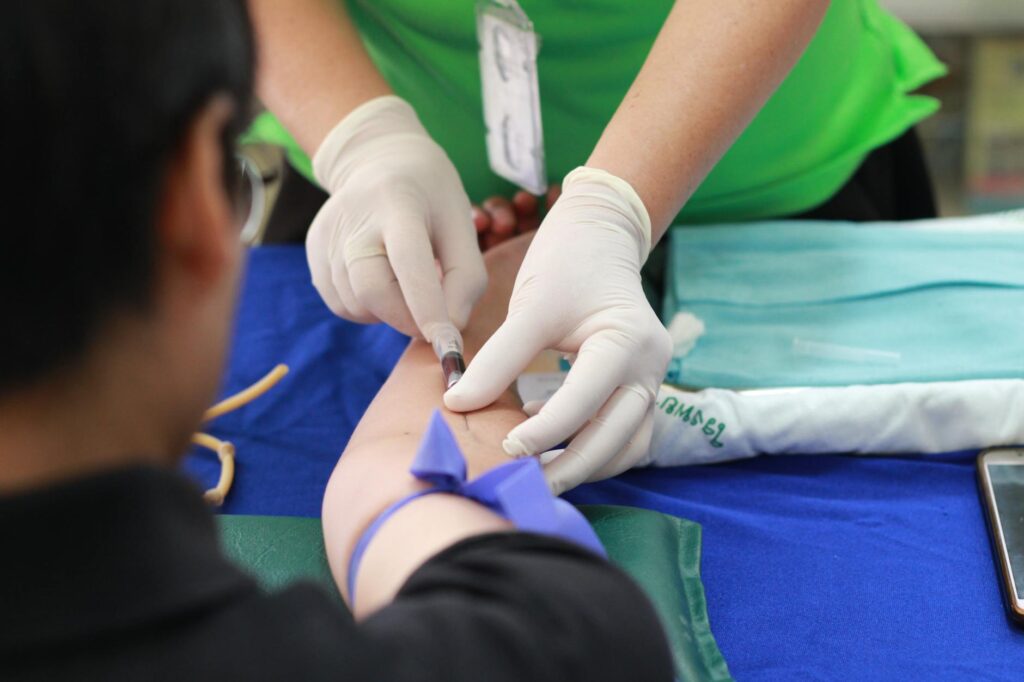
Federally Qualified Health Centers offer acne treatment on a sliding fee scale based on income, meaning patients can access dermatological care — including prescription medications, clinical evaluations, and ongoing management — for significantly reduced costs or sometimes no cost at all. These centers, funded in part by the Health Resources and Services Administration, are required by federal mandate to see patients regardless of their ability to pay or insurance status.
For someone dealing with persistent cystic acne who earns too much for Medicaid but cannot afford a private dermatologist charging upward of $200 per visit, an FQHC can be the difference between suffering in silence and getting tretinoin or oral antibiotics at a price that actually fits a real budget. This article breaks down exactly what acne services FQHCs provide, how the sliding fee scale works in practice, what limitations patients should expect compared to private dermatology offices, and how to find a center near you that handles skin conditions. We will also cover the types of medications typically available through FQHC pharmacies, what happens when your acne needs a specialist referral, and how these centers compare to other low-cost options like telehealth platforms and university clinics.
Table of Contents
- What Acne Treatment Services Do Federally Qualified Health Centers Actually Provide?
- How the Sliding Fee Scale Works for Skin Care Visits
- Medications and Prescriptions Available Through FQHC Pharmacies
- How to Find an FQHC That Handles Acne and When to Go
- Limitations of FQHC Acne Care Compared to Specialist Dermatology
- How FQHCs Compare to Other Low-Cost Acne Treatment Options
- The Future of Acne Care Access at Community Health Centers
- Conclusion
- Frequently Asked Questions
What Acne Treatment Services Do Federally Qualified Health Centers Actually Provide?
FQHCs operate as primary care facilities, which means acne treatment typically starts with a general practitioner or family medicine provider rather than a board-certified dermatologist. In practical terms, a patient walking into an FQHC with moderate inflammatory acne can expect a clinical evaluation, a discussion of their skin history, and — in most cases — a prescription for first-line acne treatments. These commonly include topical retinoids like tretinoin or adapalene, topical antibiotics such as clindamycin, benzoyl peroxide formulations, and oral antibiotics like doxycycline for more widespread breakouts. Many FQHCs also carry combination therapies and can prescribe hormonal options like oral contraceptives for patients whose acne has a clear hormonal pattern. What sets FQHCs apart from a standard urgent care visit is the continuity of care model.
Patients are encouraged to establish an ongoing relationship with their provider, which matters enormously for acne since treatment efficacy often takes eight to twelve weeks to assess and regimens frequently need adjustment. A center in a major metro area might have a patient come in for an initial acne evaluation, start them on adapalene and clindamycin, then schedule a follow-up at the six-week mark to determine whether to escalate treatment — all at a visit cost that could be as low as $20 to $40 on the sliding scale, compared to $150 or more at a private practice. Some larger FQHCs, particularly those affiliated with academic medical centers, do have dermatologists on staff or rotating through on a regular basis. This is not the norm, but it is worth asking about when you call ahead. Centers in underserved urban areas and those designated as teaching health centers are more likely to offer this kind of specialty access.
How the Sliding Fee Scale Works for Skin Care Visits
The sliding fee scale is the financial backbone of the FQHC model, and understanding how it applies to acne treatment specifically can save patients real money. By federal requirement, every FQHC must offer a sliding fee discount to patients earning at or below 200 percent of the federal poverty level. Patients below 100 percent of the poverty level must receive services for a nominal fee or for free. The exact discount tiers vary by center, but a typical structure might offer a full discount for those at or below the poverty line, a 75 percent discount up to 125 percent, a 50 percent discount up to 150 percent, and a 25 percent discount up to 200 percent. However, the sliding scale applies to the visit itself — and sometimes to medications dispensed by an on-site pharmacy — but it does not automatically cover everything associated with acne care.
If a provider decides a patient needs lab work, such as liver function tests before starting isotretinoin, or if they refer a patient to an outside dermatologist, those costs may fall outside the sliding fee structure. Patients should ask explicitly at intake what is covered under the discount schedule. Some centers have partnerships with commercial pharmacies or use 340B drug pricing programs that extend deep discounts on prescriptions, while others do not, and the difference can be substantial. It is also important to know that you do not need to be uninsured to use an FQHC. Patients with private insurance, Medicaid, or Medicare can all receive care at these centers, and the sliding fee scale kicks in for whatever portion insurance does not cover. For someone with a high-deductible plan who has not met their deductible, this can turn a $180 dermatology-adjacent visit into something far more manageable.
Medications and Prescriptions Available Through FQHC Pharmacies
One of the most underappreciated advantages of FQHCs is their access to the 340B Drug Pricing Program, which allows qualifying health centers to purchase outpatient medications at significantly reduced costs from manufacturers. For acne patients, this can translate into meaningful savings on prescription treatments that would otherwise be expensive even with insurance. Generic tretinoin, adapalene gel, clindamycin solutions, and doxycycline are generally available at very low cost through 340B-participating pharmacies. Some centers operate their own in-house pharmacies, while others contract with specific retail pharmacies to dispense 340B-priced drugs. Where this gets complicated is with newer or brand-name acne medications. If a provider wants to prescribe a branded combination product — say, a fixed-dose adapalene-benzoyl peroxide gel that retails for over $500 without insurance — the center’s 340B pricing may still bring that cost down, but not always to an affordable level.
In those situations, providers often pivot to prescribing the individual generic components separately, which achieves a similar clinical outcome at a fraction of the cost. Patients should not feel reluctant to ask their provider about generic alternatives or to request that prescriptions be routed through the center’s 340B pharmacy rather than a standard retail chain. For patients who need isotretinoin — the most potent systemic acne medication, reserved for severe nodulocystic cases — the situation is more complex. Isotretinoin requires enrollment in a federal safety program (historically known as iPLEDGE), regular blood monitoring, and pregnancy testing for patients of childbearing potential. Not all FQHC providers are comfortable managing isotretinoin, and some centers may refer these cases to a dermatologist. Patients with severe acne who specifically need isotretinoin should ask upfront whether the center can manage the full course of treatment or whether they will need an outside referral.

How to Find an FQHC That Handles Acne and When to Go
The most reliable way to locate a Federally Qualified Health Center is through the HRSA Health Center Finder, a tool maintained by the federal government that allows searches by address, city, or zip code. The results will show each center’s address, services offered, and contact information. Not every FQHC lists dermatology or skin care as a named service line, so patients may need to call and ask whether providers at the center regularly treat acne. Most primary care providers at FQHCs handle acne routinely, but staffing varies, and some centers have more experience with skin conditions than others. The tradeoff with FQHCs compared to private dermatology is wait time versus cost. Private dermatologists in well-served areas might get a patient in within one to three weeks.
FQHCs, especially those in high-demand areas, may have wait times of several weeks to a couple of months for a non-urgent appointment. Acne, unless it involves sudden severe cystic flares or signs of infection, is generally triaged as non-urgent. Patients who want to be strategic about this can call multiple centers within driving distance to compare wait times, or ask to be placed on a cancellation list for earlier openings. Telehealth has also expanded at many FQHCs, particularly since the changes spurred by the pandemic years. Some centers now offer virtual visits for acne follow-ups, which can reduce the burden of travel and time off work. If the initial evaluation requires an in-person visit, subsequent check-ins to assess how a topical regimen is working may be available remotely — worth asking about during scheduling.
Limitations of FQHC Acne Care Compared to Specialist Dermatology
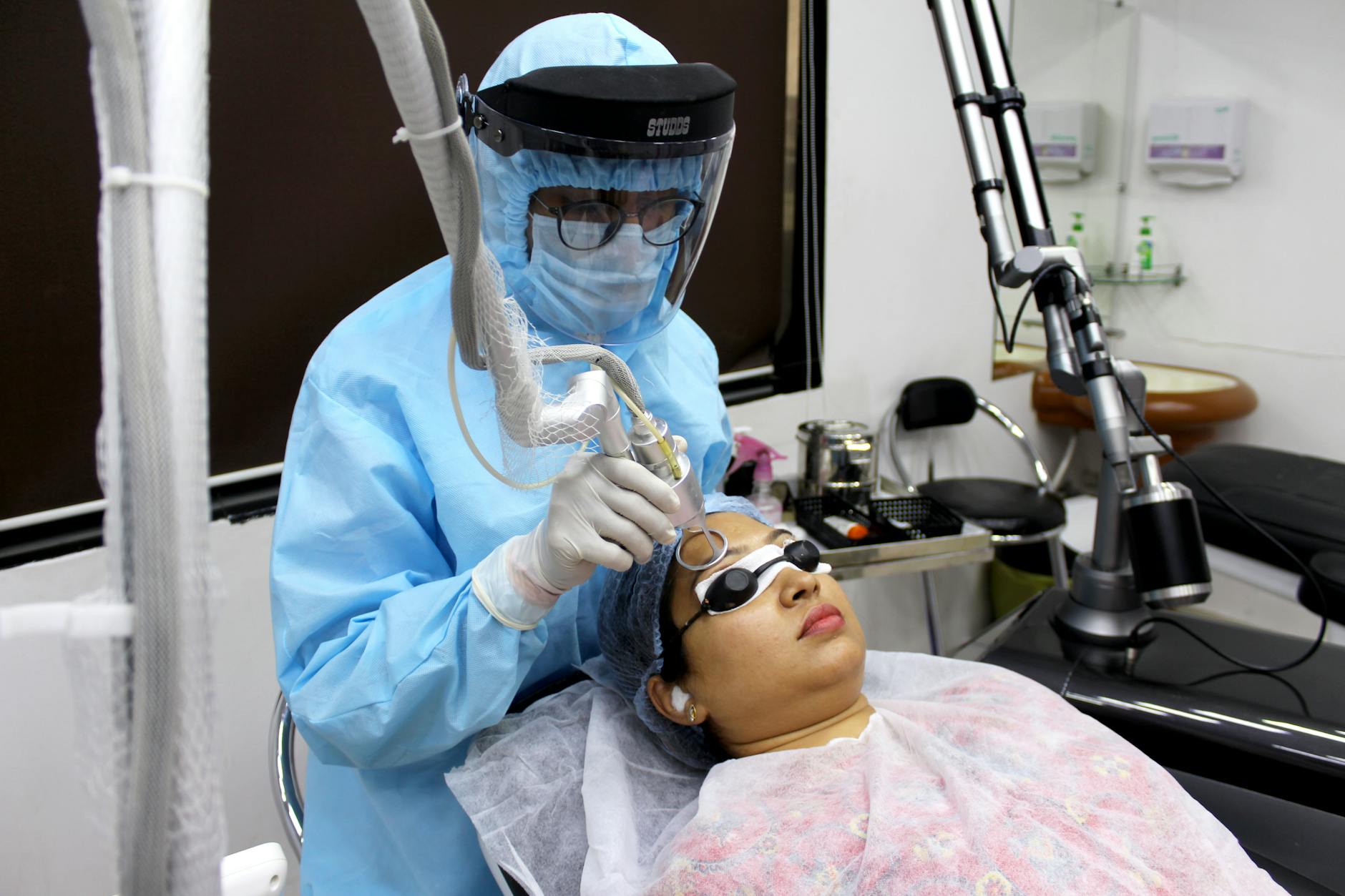
The honest reality is that FQHC acne care, while accessible and affordable, comes with limitations that patients should understand before setting expectations. The most significant is scope of practice. Primary care providers at FQHCs are trained to manage common presentations of acne, including mild to moderate inflammatory acne and comedonal acne, using standard first-line and second-line treatments. What they may be less equipped to handle includes acne scarring treatments such as chemical peels, microneedling, or laser resurfacing; hormonal acne workups requiring endocrinological evaluation; or complex cases where acne overlaps with other conditions like polycystic ovary syndrome or hidradenitis suppurativa. When an FQHC provider determines that a patient’s acne exceeds what they can manage — for instance, a patient who has failed multiple courses of oral antibiotics and topical retinoids and is a candidate for isotretinoin — they will typically issue a referral to a dermatologist.
The referral process can add additional weeks or months to the timeline, and the referred specialist may or may not accept the patient’s insurance or sliding fee arrangement. Some FQHCs have established referral networks with dermatologists who accept reduced fees for FQHC patients, but this is far from universal. Patients should also be aware that cosmetic concerns related to acne — such as post-inflammatory hyperpigmentation treatment, scar revision, or ongoing skin-care regimen consultation beyond basic prescriptions — generally fall outside what FQHCs prioritize. These centers focus on medical treatment of active acne, not aesthetic optimization. For patients whose primary concern is scarring from past acne rather than active breakouts, an FQHC may not be the most efficient starting point.

How FQHCs Compare to Other Low-Cost Acne Treatment Options
FQHCs are not the only affordable route to acne care, and how they stack up depends on a patient’s specific situation. Telehealth dermatology platforms have surged in availability and typically charge between $30 and $75 per consultation, with prescriptions sent to a retail pharmacy. These platforms are convenient and fast, but they lack the continuity-of-care model, the 340B drug pricing, and the ability to perform in-person evaluations or procedures. For straightforward mild acne, a telehealth visit may be faster.
For moderate to severe acne requiring ongoing management and affordable medications, an FQHC usually offers better long-term value. University and teaching hospital clinics represent another option, often providing dermatology services at reduced rates while giving residents supervised clinical experience. Wait times at these clinics can rival or exceed FQHC wait times, but the advantage is direct access to a dermatologist rather than a generalist. Patients near a medical school should compare both options and consider that using an FQHC for initial treatment while waiting for a teaching clinic dermatology appointment is a reasonable strategy that covers both bases.
The Future of Acne Care Access at Community Health Centers
The role of FQHCs in dermatological care is likely to expand as workforce shortages in dermatology continue to affect rural and underserved communities. As of recent reports, the ratio of dermatologists to population remains heavily skewed toward urban and affluent areas, leaving large portions of the country with limited access to specialist skin care. FQHCs are positioned to fill part of that gap, particularly as more centers integrate teledermatology — a model where a primary care provider captures images of a patient’s skin condition and transmits them to a remote dermatologist for consultation and treatment recommendations.
Policy discussions around expanding FQHC funding and scope of services are ongoing at the federal level, and any changes to reimbursement structures or 340B program eligibility could affect the affordability equation for acne patients. Patients who rely on FQHCs for skin care should stay aware of changes in their local center’s services, as staffing and specialty access can shift from year to year. The foundation, though, remains solid: these centers exist specifically to provide care to people who would otherwise go without, and acne — despite being dismissed by some as a cosmetic issue — is a medical condition that deserves treatment regardless of a patient’s income.
Conclusion
Federally Qualified Health Centers provide a legitimate and often overlooked pathway to acne treatment for patients who cannot afford private dermatology. Through sliding fee scales, 340B drug pricing, and primary care providers experienced in managing common skin conditions, FQHCs can deliver first-line and second-line acne therapies at costs that are a fraction of what uninsured or underinsured patients would face elsewhere. The care is not identical to what a dedicated dermatologist offers — the limitations in procedural treatments, isotretinoin management, and cosmetic concerns are real — but for the millions of people dealing with active acne and tight budgets, it is a starting point that should not be overlooked.
The practical next step is straightforward. Search the HRSA Health Center Finder for locations near you, call to ask about skin care services and current wait times, and bring documentation of your income to qualify for the sliding fee scale. If you have insurance, bring that too — it can only help reduce costs further. Acne treatment works best when it starts early and stays consistent, and an FQHC can make that consistency financially possible.
Frequently Asked Questions
Do I need a referral to get acne treatment at an FQHC?
No. FQHCs accept walk-ins and self-referrals. You can call directly to schedule an appointment for acne without needing a referral from another provider. Some centers may ask new patients to complete an intake visit before addressing specific concerns.
Can an FQHC prescribe isotretinoin (Accutane) for severe acne?
Some can, but many prefer to refer severe cases to a dermatologist because isotretinoin requires regular lab monitoring and enrollment in a federal safety program. Ask your specific center whether they manage isotretinoin courses in-house before assuming they do.
Will I see a dermatologist at an FQHC?
Most likely not on your first visit. The majority of FQHCs staff primary care providers who treat acne as part of general medicine. Some larger centers have dermatologists on rotation, and some use teledermatology for consultations, but this varies widely.
What if I have insurance — can I still use the sliding fee scale?
Yes. FQHCs bill your insurance first, and the sliding fee scale applies to whatever remaining balance you owe. This is particularly helpful for patients with high deductibles who have not yet met their out-of-pocket thresholds.
How long does it typically take to get an acne appointment at an FQHC?
Wait times vary by location and demand, but non-urgent skin concerns may take several weeks to a couple of months. Calling multiple centers in your area and asking for cancellation list placement can help shorten the wait.