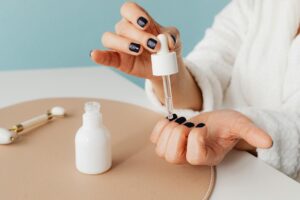
The Exposed Skin Care System works for acne primarily through a multi-step approach that combines benzoyl peroxide with botanical ingredients, addressing multiple factors that drive breakouts—bacterial growth, excess oil, and inflammation. Rather than relying on a single product, the system includes a cleanser, toner, and medicated serum designed to work together, which means you’re applying active acne-fighting ingredients in a coordinated way rather than hoping one product alone will solve the problem. For example, someone dealing with stubborn blackheads and occasional cystic acne might use the cleanser to remove oil and dead skin, the toner to prepare the skin, and the serum to deliver targeted benzoyl peroxide where breakouts occur. This article breaks down how each component works, who it’s likely to help, realistic results you can expect, and important limitations to keep in mind before purchasing.
Table of Contents
- How Does the Exposed System Target Acne-Causing Factors?
- Realistic Results and Timeline for Acne Improvement
- Understanding the Exposed System’s Component Products
- Comparing Exposed to Other Acne Treatment Approaches
- Common Issues and Skin Concerns with Benzoyl Peroxide
- Who Gets the Best Results from Exposed?
- Long-Term Use and Maintenance After Acne Clears
- Conclusion
- Frequently Asked Questions
How Does the Exposed System Target Acne-Causing Factors?
The Exposed skin Care System attacks acne through multiple mechanisms rather than a one-dimensional approach. The core of the system is benzoyl peroxide, a proven antimicrobial that kills acne-causing bacteria and reduces inflammation. However, benzoyl peroxide alone can be harsh and drying, which is why Exposed combines it with botanical extracts like tea tree oil, licorice root, and hyaluronic acid to maintain skin barrier health while fighting bacteria. The three-step process—cleanser, toner, treatment serum—ensures you’re removing oil and debris, preparing the skin for active ingredients, and then delivering focused treatment to acne-prone areas.
What makes this system different from single-product treatments is the cumulative effect. For instance, if you use only a benzoyl peroxide spot treatment without a good cleanser, you might over-dry your skin or miss trapped oil and bacteria underneath the surface. The Exposed system addresses this by establishing a complete acne-fighting routine where each step primes the skin for the next. The toner, in particular, helps rebalance pH after cleansing, which can improve the absorption and tolerance of the benzoyl peroxide serum.

Realistic Results and Timeline for Acne Improvement
Most users see noticeable improvement in breakouts within 4 to 8 weeks of consistent use, though this varies significantly based on acne severity and individual skin chemistry. If you have mild to moderate acne, you might see clearer skin and fewer new breakouts within this timeframe. However, if you struggle with cystic acne or severe hormonal breakouts, the Exposed system may help reduce frequency and severity, but it’s unlikely to be a complete solution on its own. This is an important limitation—benzoyl peroxide is effective for bacterial acne but won’t directly address hormonal drivers of breakouts, which often require additional interventions like oral medication or professional treatments.
Another consideration is that some people experience an initial “purge” phase where skin appears slightly worse for 1 to 3 weeks before improving. This happens because the active ingredients are bringing existing breakouts to the surface faster. Additionally, if you have very dry or sensitive skin, the benzoyl peroxide in the serum may cause irritation, redness, or peeling. In these cases, you’d need to use the system less frequently (perhaps every other day) or combine it with a good moisturizer to prevent excessive dryness.
Understanding the Exposed System’s Component Products
The Exposed Acne Cleanser is a non-stripping formula that removes oil and debris without over-drying. It contains salicylic acid (a beta hydroxy acid) alongside tea tree oil and other botanicals, so it’s doing both chemical and mechanical cleansing. For someone with oily, acne-prone skin, this cleanser removes excess sebum that would otherwise trap bacteria in pores. However, if your skin is dry or you live in a dry climate, this cleanser alone might feel too strong. The Clearing Toner step is where many people find unexpected benefits. Unlike traditional astringent toners that simply remove leftover cleanser, the Exposed Clearing Toner contains salicylic acid, niacinamide, and botanical extracts that continue treating acne while restoring pH balance.
For example, niacinamide helps reduce sebum production, which directly counters acne formation. The toner also prepares skin for better absorption of the serum, so you’re getting more benefit from your active ingredients. The Treatment Serum is the star ingredient, containing 2.5% benzoyl peroxide—a concentration high enough to be effective without being overly irritating for most people. This is where bacteria-killing happens most directly. Applied after cleansing and toning, it targets active breakouts and helps prevent new ones. Some people with severe acne might need prescription-strength benzoyl peroxide (5% or higher), which means the Exposed system, while effective, might not be strong enough for their particular situation.

Comparing Exposed to Other Acne Treatment Approaches
When evaluating whether the Exposed system is right for you, it helps to compare it against other common acne solutions. Benzoyl peroxide-based systems like Exposed are generally less expensive than prescription retinoids (like tretinoin or adapalene) but also less powerful for treating severe acne. If you have moderate acne, Exposed is often a good starting point before considering prescription options. If your acne is hormonal or you’ve failed benzoyl peroxide in the past, a dermatologist-prescribed approach might be more effective.
Compared to salicylic acid-only systems, Exposed offers the added antimicrobial benefit of benzoyl peroxide, making it more comprehensive. However, salicylic acid alone might be gentler on sensitive skin. Compared to spot treatments or single-product solutions, the three-step system ensures consistent, layered treatment rather than relying on one product to do all the work. The tradeoff is cost and complexity—the full Exposed system is more expensive than buying a single acne cleanser, and it requires commitment to the full routine rather than just applying a spot treatment before bed.
Common Issues and Skin Concerns with Benzoyl Peroxide
One significant limitation is that benzoyl peroxide can bleach fabrics and hair. If you’re using the Exposed serum, be careful with towels, pillowcases, and clothing. Some people find the smell of benzoyl peroxide off-putting or notice it irritates their upper respiratory tract during application. Additionally, if you have combination skin (oily in some areas, dry in others), applying the benzoyl peroxide serum uniformly across your face might over-dry your cheeks while leaving your T-zone with oil and breakouts.
Another warning: benzoyl peroxide can increase sun sensitivity, so using sunscreen daily becomes non-negotiable if you’re using this system. Skipping sunscreen could result in sun damage and potentially worsened breakouts. If you’re also using other exfoliating products (like vitamin C serums or chemical exfoliants), layering them with the Exposed system might over-treat your skin and cause irritation. This is a case where “more active ingredients” doesn’t equal better results.
Who Gets the Best Results from Exposed?
Exposed Skin Care System works best for people with mild to moderate acne that’s driven primarily by bacterial overgrowth and excess oil. If you have oily to combination skin, consistent breakouts on your forehead, chin, or cheeks, and you haven’t had success with single products, this system is worth trying.
For example, a 22-year-old with persistent forehead acne and slightly oily skin is a good candidate—the full routine addresses their specific issues systematically. Conversely, if you have severe cystic acne, hormonal breakouts that appear around your cycle, or very dry, sensitive skin, Exposed might not be sufficient or might cause more irritation than benefit. In these cases, seeing a dermatologist for prescription treatments or skin assessment is a better investment.
Long-Term Use and Maintenance After Acne Clears
If the Exposed system successfully clears your acne, the next question is whether you need to stay on it indefinitely. Most people find they can reduce frequency of use—perhaps dropping to every other day or using the serum only on areas prone to breakouts. However, stopping abruptly often leads to breakouts returning within weeks, especially if the underlying skin condition (excess oil, bacteria-prone skin) hasn’t changed.
This suggests the Exposed system is maintenance-oriented rather than a permanent cure. Looking forward, many dermatologists predict that personalized skincare tailored to your specific bacterial and lipid profile will become standard. For now, systems like Exposed offer a practical middle ground between guessing what will work and seeking prescription help. Whether you eventually transition to prescription treatments, maintain with Exposed long-term, or find a different routine depends on your skin’s response and your willingness to stick with a multi-step process.
Conclusion
The Exposed Skin Care System works by combining benzoyl peroxide, salicylic acid, and botanical ingredients in a three-step routine designed to kill acne bacteria, reduce oil, and support skin healing. For people with mild to moderate acne driven primarily by bacteria and excess oil, it often delivers visible improvement within 4 to 8 weeks. The system’s strength is its comprehensive approach—each product supports the others, making it more effective than random single-product treatments. However, realistic expectations matter.
Exposed isn’t a permanent cure, isn’t strong enough for severe cystic acne, and requires commitment to the full routine and daily sunscreen. If you have sensitive skin or hormonal acne, results may be disappointing. The best way to know if it’s right for you is to try it for 8 weeks while maintaining consistency, or consult a dermatologist if your acne is severe or hasn’t responded to other treatments. For most people dealing with straightforward bacterial acne, it’s a solid option before pursuing prescription alternatives.
Frequently Asked Questions
How long does a bottle of Exposed Skin Care System last?
A typical set lasts about 1 to 1.5 months with daily use, depending on how generously you apply the products. Many people stretch it to two months by using the serum on acne-prone areas only rather than the entire face.
Can I use Exposed if I’m already on prescription acne medication?
It depends on the prescription medication. If you’re using tretinoin or adapalene, adding benzoyl peroxide might increase irritation. Always check with your dermatologist before combining treatments.
Will my acne come back if I stop using Exposed?
Most likely, yes, especially in the first few months. If your skin naturally tends toward breakouts, you’ll probably need ongoing treatment, though you might reduce frequency or use it only on problem areas.
Does Exposed work for hormonal acne?
It can help reduce severity and frequency, but hormonal acne usually requires additional treatment like birth control or spironolactone. Benzoyl peroxide addresses bacterial components but not hormonal drivers.
Is Exposed safe for sensitive skin?
The system can work for sensitive skin, but you may need to use it less frequently or alternate with gentler products. Start with every other day application and watch for irritation.
Can teenage and adult acne be treated the same way with Exposed?
Yes, the system works similarly regardless of age. However, teens with oily, acne-prone skin often see the fastest results, while adults with hormonal acne may need to combine Exposed with other approaches.