
Dry climate strips moisture from your skin, weakens its protective barrier, and triggers a counterintuitive chain reaction where your body overproduces oil to compensate — leaving you with skin that is simultaneously dehydrated and oily, and far more prone to clogged pores and inflammatory breakouts. If you have ever moved to a place like Phoenix or Denver and watched your skin fall apart within weeks, this is exactly what happened.
The low humidity increased your transepidermal water loss, your sebaceous glands kicked into overdrive, and bacteria that your barrier would normally keep out found easy entry points into your pores. This article breaks down the specific mechanisms behind dry-climate acne, from barrier damage and compensatory sebum production to the inflammation cascade that makes breakouts worse and harder to treat. We will look at why standard acne treatments often backfire in arid environments, what dermatologists in 2025 and 2026 are recommending instead, and how to build a routine that addresses dehydration and acne at the same time without making either problem worse.
Table of Contents
- Why Does Dry Climate Make Acne-Prone Skin Worse?
- The Inflammation Factor Behind Dry-Climate Breakouts
- How a Compromised Barrier Invites Bacteria and Infection
- Why Standard Acne Treatments Backfire in Dry Climates
- The Arizona Problem — Living With Acne in Extreme Aridity
- How Long It Takes to Repair Barrier Damage From Dry Climate
- Where Dermatology Is Headed on Barrier-First Acne Treatment
- Conclusion
- Frequently Asked Questions
Why Does Dry Climate Make Acne-Prone Skin Worse?
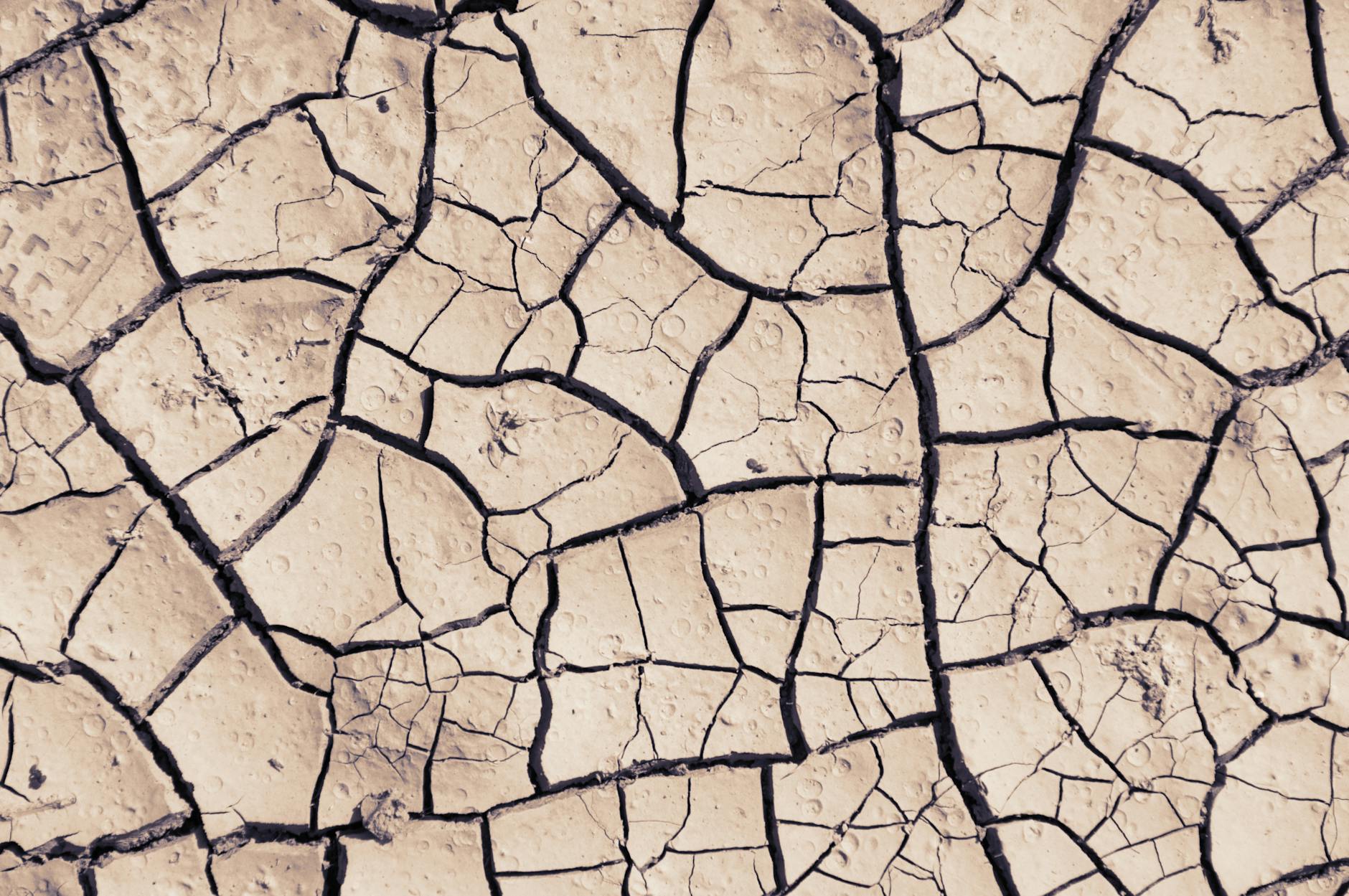
The core issue is the skin barrier — a thin lipid matrix that sits on the outermost layer of your epidermis and functions as your body’s first line of defense against moisture loss, bacteria, and environmental irritants. In dry climates, low humidity pulls water directly out of this barrier through a process called transepidermal water loss. The higher the TEWL, the greater the damage to the barrier’s ability to retain water, and the cycle accelerates. According to research reviewed by the NIH, a damaged skin barrier from dry conditions decreases overall barrier function and increases susceptibility to mechanical stress and exacerbation of dermatitis — conditions that share inflammatory pathways with acne. What makes this particularly frustrating for acne-prone skin is the body’s response to that dehydration. When your skin registers that it is losing water faster than it can replenish it, the sebaceous glands respond by ramping up sebum production.
As GoodRx reports, this excess oil is intended to compensate for moisture loss, but it ends up clogging pores and feeding the exact bacterial environment that causes breakouts. In desert-like conditions where humidity drops extremely low, skin loses most of its water content and overcompensates by increasing oil production — creating the paradox where dry skin becomes oily and acne-prone simultaneously. Compare this to someone living in a moderate-humidity environment like the Southeast United States, where the skin barrier stays relatively intact and sebum production remains closer to baseline. The difference is not genetics; it is the air. A useful way to think about it: your skin is not choosing between being dry and being oily. It is dry underneath and oily on top, which is the worst possible combination for acne management.
The Inflammation Factor Behind Dry-Climate Breakouts
Barrier damage and excess oil are only two parts of the equation. Dry environments also directly increase skin inflammation, which is identified as one of the main pathogenic factors for acne formation. Cold, dry air — the kind you find in high-altitude desert climates during winter months — causes an inflammatory response that primes the skin for breakouts even before a single pore gets clogged. Research from Clinikally found that dry environments increase the number of dermal mast cells, which are immune cells that release histamine and other inflammatory mediators. More mast cells mean more baseline inflammation, which means your skin is already in a reactive state before it encounters bacteria or excess sebum.
This is why people in dry climates often notice that their acne is more red, more swollen, and more painful than the blackheads and whiteheads they might get in more humid conditions. The acne is not just clogged pores — it is inflamed clogged pores. However, if your primary acne type is comedonal — meaning mostly blackheads and closed comedones without much redness — the inflammation factor may be less relevant to your specific situation. Dry climate will still damage your barrier and increase oil production, but the mast cell component tends to matter most for people who already lean toward inflammatory or cystic acne. If you are in that camp, managing inflammation becomes just as important as managing hydration.
How a Compromised Barrier Invites Bacteria and Infection
A healthy skin barrier does not just keep moisture in — it keeps pathogens out. When dry climate compromises that barrier, bacteria penetrate more easily, increasing the risk of acne and even fungal infections. This is particularly relevant for Cutibacterium acnes, the bacterium most associated with inflammatory acne, which thrives in the sebum-rich, oxygen-poor environment of a clogged pore. Consider someone who relocates from Seattle to Tucson. In Seattle, humidity typically hovers between 70 and 80 percent, and their skin barrier stays reasonably intact with minimal effort.
In Tucson, humidity can drop below 15 percent in summer and hovers around 20 to 30 percent most of the year. Within a few weeks, their barrier integrity drops, TEWL increases, sebum production ramps up, and the bacterial population on their skin shifts. What used to be an occasional pimple becomes persistent, deep, painful acne — not because they changed their diet or their stress levels, but because their skin’s defense system is no longer functioning properly. The bacterial vulnerability also explains why people in dry climates are more susceptible to secondary infections from picking or popping pimples. A compromised barrier does not heal as efficiently, and what might have been a minor blemish in a humid environment can turn into a lasting post-inflammatory mark or even a localized infection in an arid one.
Why Standard Acne Treatments Backfire in Dry Climates
Here is where dry-climate acne becomes a genuine treatment dilemma. As TIME reported, dry, flaky skin makes acne notoriously difficult to treat because many standard acne treatments — benzoyl peroxide, salicylic acid, retinoids — contain drying agents that further irritate already-dehydrated skin. You end up in a vicious cycle: the treatment strips more moisture from your barrier, the barrier weakens further, sebum production increases again, and the acne either stays the same or gets worse. The tradeoff is real. Benzoyl peroxide is one of the most effective over-the-counter acne ingredients available, with decades of clinical evidence behind it.
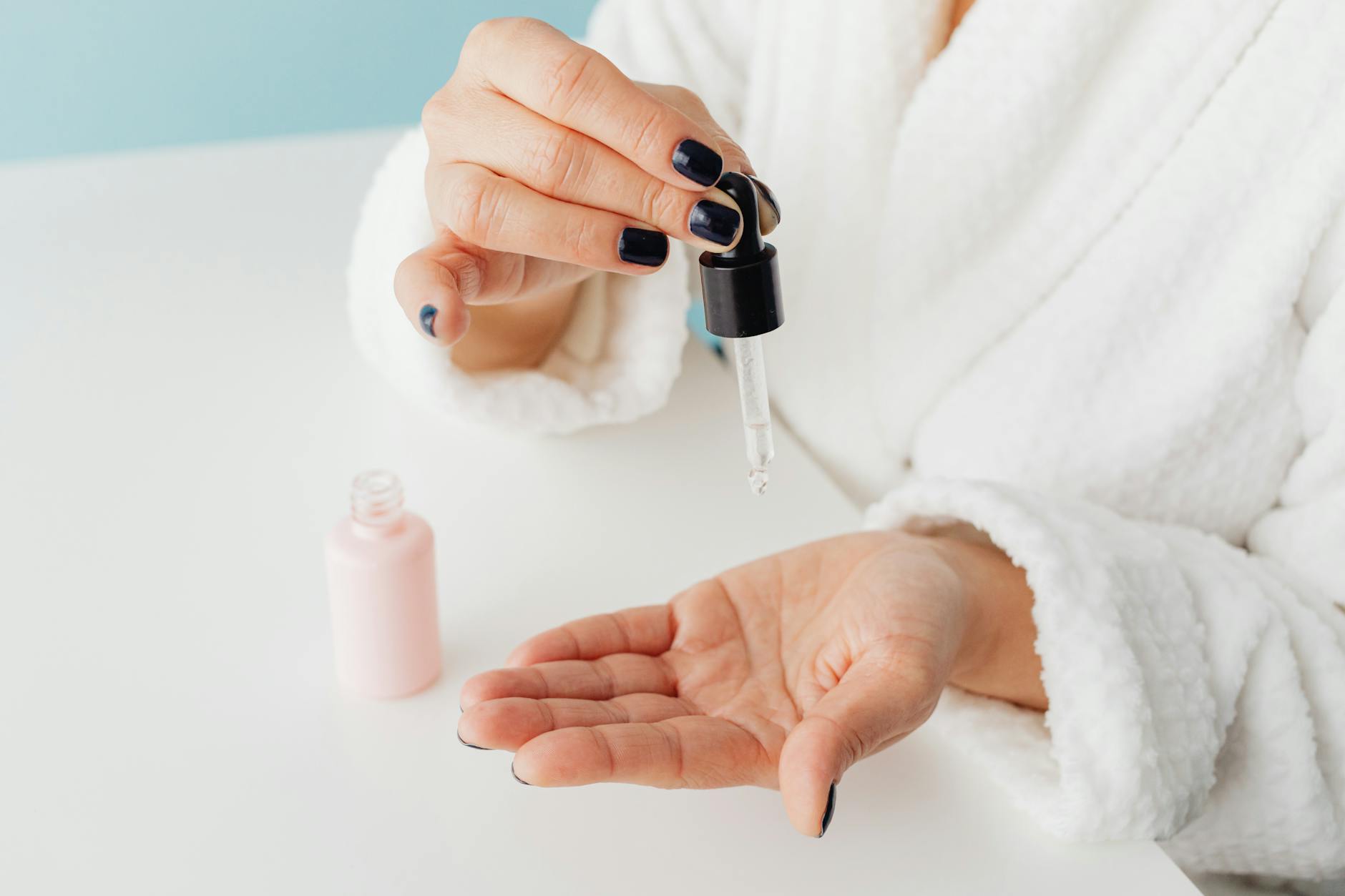
But in a dry climate, using it at the standard 5 or 10 percent concentration on already-dehydrated skin can cause peeling, cracking, and irritation that makes the acne look and feel worse even as it kills bacteria. Retinoids — the gold standard for long-term acne management — are even more problematic, since they increase cell turnover in skin that is already struggling to maintain its outermost protective layer. Dermatologists in 2025 and 2026 emphasize that moisturizing is essential even for oily, acne-prone skin in dry climates, since proper hydration helps regulate sebum production. The recommendation is to use oil-free, non-comedogenic moisturizers and to apply them before or alongside acne treatments, not after as an afterthought. Some clinicians suggest starting acne actives at lower concentrations — 2.5 percent benzoyl peroxide instead of 10 percent, or a retinoid every third night instead of nightly — and building tolerance gradually while prioritizing barrier repair. The slower approach feels counterintuitive when you are breaking out, but it avoids the cycle of strip-and-compensate that makes dry-climate acne so persistent.
The Arizona Problem — Living With Acne in Extreme Aridity
Arizona’s arid climate deserves specific mention because it represents the extreme end of what dry conditions can do to acne-prone skin. With humidity levels often below 20 percent, combined with intense UV exposure and airborne dust particles, the state presents a triple threat to the skin barrier. The Skin and Cancer Institute specifically notes that Arizona’s conditions worsen acne through this combination of extreme dryness, UV damage, and particulate irritation. UV exposure compounds the problem in ways that are not immediately obvious. Many people believe that sun exposure improves acne because it temporarily dries out pimples and provides a tan that masks redness.
In reality, UV radiation damages the skin barrier further, triggers additional inflammation, and causes post-inflammatory hyperpigmentation marks to darken and persist longer. In a place like Phoenix, where sun exposure is nearly unavoidable, the acne-barrier-UV damage loop can be especially difficult to interrupt. The dust factor is worth flagging as a limitation of most acne advice you will find online. Standard acne routines assume your environment is relatively clean, but in desert climates, fine particulate matter settles on the skin throughout the day, mixing with excess sebum and creating an occlusive layer that traps bacteria in pores. Double cleansing — an oil-based cleanser followed by a gentle water-based cleanser — becomes more important in these conditions, but it also increases the number of times you are stripping your barrier daily if you are not careful about product selection.
How Long It Takes to Repair Barrier Damage From Dry Climate
One of the most frustrating aspects of dry-climate acne is the timeline for recovery. Moderate skin barrier damage from dry climate exposure may take three to six weeks to heal, especially with ongoing irritants or pre-existing conditions like eczema or rosacea. That means even if you identify the problem and start a barrier-repair routine today, you are looking at a month or more before your skin starts to stabilize.
During that repair window, breakouts may actually increase before they improve — a discouraging reality that causes many people to abandon their new routine too early. The barrier needs time to rebuild its lipid matrix, and while it does, sebum production may remain elevated and existing comedones may continue to inflame. Sticking with a gentle, hydration-focused routine for at least six full weeks before evaluating whether it is working is essential. Switching products every week out of frustration is one of the most common ways people in dry climates keep their skin in a permanent state of damage.
Where Dermatology Is Headed on Barrier-First Acne Treatment
Current dermatology trends reflect a meaningful shift in how the field thinks about acne in challenging environments. The focus is moving toward balancing effective acne treatment with maintaining barrier integrity, rather than the aggressive drying approaches that dominated skincare advice for decades. This is not a minor adjustment — it represents a fundamental rethinking of the idea that acne-prone skin needs to be stripped of oil to stay clear.
A March 2026 consumer research report evaluated nanofiber acne mask technology specifically designed for barrier repair in acne-prone skin, reflecting the growing market focus on barrier-first approaches. Whether that specific product category proves effective remains to be seen, but the broader direction is clear: the industry is moving toward treatments that address acne and dehydration simultaneously rather than forcing patients to choose between clearing breakouts and protecting their barrier. For anyone living in a dry climate, this shift is overdue.
Conclusion
Dry climate attacks acne-prone skin on multiple fronts — stripping barrier moisture, triggering compensatory oil production, increasing baseline inflammation, and opening the door to bacterial penetration. The result is skin that is dehydrated underneath and oily on top, breaking out in ways that standard drying treatments only make worse. Understanding this mechanism is the first step toward building a routine that actually works in arid conditions, rather than cycling through increasingly aggressive products that perpetuate the damage.
The practical takeaway is straightforward: prioritize barrier repair and hydration alongside — not instead of — acne treatment. Use lower concentrations of active ingredients, moisturize even when your skin feels oily, protect against UV damage, and give your barrier at least three to six weeks to recover before changing course. If you live somewhere like Arizona or any climate where humidity regularly drops below 30 percent, treating your skin barrier as the foundation of your acne strategy is not optional — it is the entire game.
Frequently Asked Questions
Can dry air alone cause acne, or does it just make existing acne worse?
Dry air primarily worsens acne-prone skin rather than causing acne in someone who would not otherwise break out. The mechanism is indirect — low humidity damages the skin barrier, which triggers excess sebum production and increases bacterial vulnerability. If your skin is not genetically prone to overproducing oil or to follicular hyperkeratinization, dry air alone is unlikely to give you acne. But if you have any predisposition, dry climate can push you over the threshold.
Should I use a humidifier for acne-prone skin in a dry climate?
A humidifier can help by raising indoor humidity levels, which reduces transepidermal water loss while you sleep. Aim for 40 to 50 percent relative humidity indoors. However, a humidifier that is not cleaned regularly can harbor mold and bacteria that irritate the skin and respiratory system, so maintenance matters. It is a helpful supplement to a good skincare routine, not a replacement for one.
Is it better to use a heavier moisturizer or layer multiple lightweight products in dry climates?
Layering tends to work better for acne-prone skin. A heavy occlusive moisturizer can trap sebum and bacteria under a thick film, potentially worsening breakouts. A better approach is a hydrating toner or serum with hyaluronic acid, followed by a lightweight oil-free moisturizer, topped with a thin occlusive layer only in areas that are not breakout-prone. This provides hydration at multiple levels without overwhelming acne-susceptible pores.
How do I know if my acne is from dehydration or from other causes?
Dehydration-related acne typically appears alongside signs of barrier damage — tightness, flaking, stinging when you apply products, and skin that looks dull or feels rough. The breakouts often coexist with dry patches, sometimes on the same area of the face. If your skin is uniformly oily with no tightness or flaking, your acne is more likely driven by hormonal or genetic factors rather than environmental dehydration.
Do acne-prone people in dry climates need to wash their face more often?
Not necessarily, and overwashing can make things worse by further stripping the barrier. Twice daily — morning and evening — is sufficient for most people. If you are exposed to dust or heavy particulates, a gentle micellar water midday can remove surface debris without a full cleanse. The key is using a gentle, non-foaming or low-foaming cleanser that does not leave your skin feeling tight afterward.