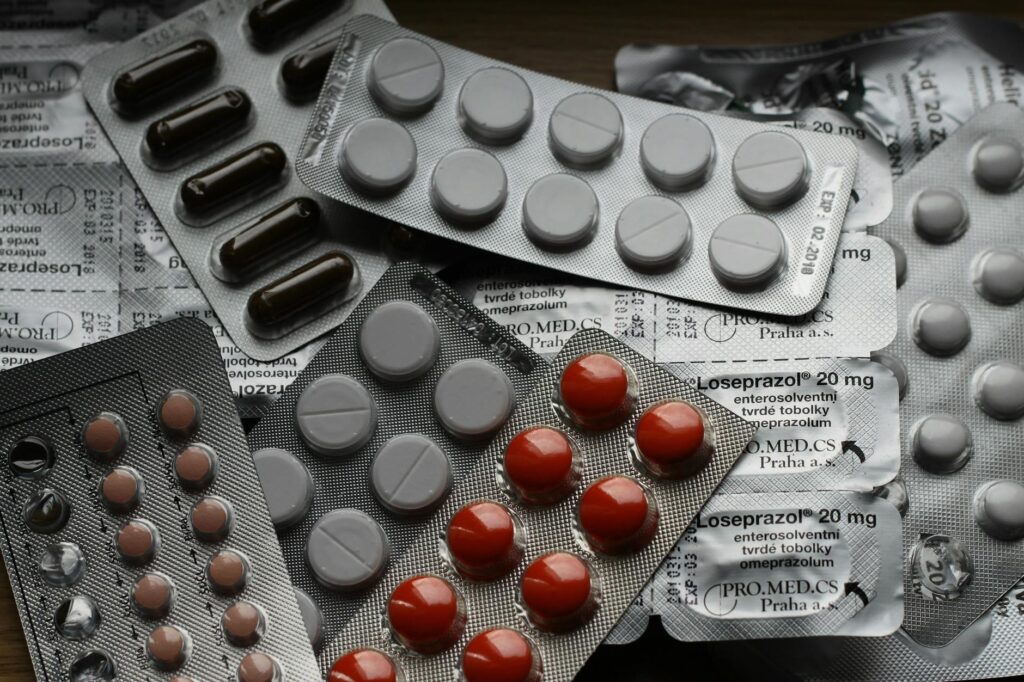
When the FDA approved Differin Gel for over-the-counter sale in July 2016, it fundamentally dismantled a two-decade-old barrier between the most effective topical acne treatment class and the people who needed it most. For the first time in American pharmacy history, a retinoid — the gold standard of acne treatment according to dermatologist guidelines — could be picked up off a drugstore shelf without a prescription, a copay, or a doctor’s appointment. That single regulatory decision gave an estimated 70% of acne sufferers who never see a doctor for their skin a direct path to a treatment that had previously been locked behind the healthcare system’s gates. The scope of that change is hard to overstate.
Adapalene had been prescription-only since 1996, and it was the first new active ingredient approved in the OTC acne category in over 30 years. Before the switch, anyone who wanted a retinoid for their acne had to book a dermatology appointment — often with weeks or months of wait time — get a prescription written, and then pay prescription-tier prices that averaged around $50 out-of-pocket. Now, a 30-day supply of OTC adapalene costs roughly $13 to $14 at most retailers. The financial, logistical, and psychological friction of accessing proper acne treatment dropped overnight. This article breaks down exactly what the Differin OTC switch changed: the clinical significance of having a retinoid available without a prescription, how cost savings have played out in the real world, who benefits most from this shift, where the limitations still exist, and what this means for building an effective acne routine today.
Table of Contents
- Why Did the Differin OTC Switch Matter So Much for Acne Treatment Access?
- How the Cost of Acne Treatment Dropped After the Switch
- What Happened to Retinoid Prescriptions After Differin Went OTC
- How to Actually Use OTC Differin for Best Results
- Where the OTC Switch Still Falls Short
- The Generic OTC Adapalene Market That Followed
- What the Differin Precedent Means for the Future of OTC Skincare
- Conclusion
- Frequently Asked Questions
Why Did the Differin OTC Switch Matter So Much for Acne Treatment Access?
To understand why this was such a big deal, you have to understand what the OTC acne aisle looked like before 2016. For over three decades, consumers had exactly two active ingredient categories to choose from: benzoyl peroxide and salicylic acid. Both are useful, but neither works the way a retinoid does. Retinoids regulate skin cell turnover at the cellular level, preventing the clogged pores that start the entire acne cascade. The American Academy of Dermatology guidelines recommend topical retinoids as primary first-line therapy for mild and moderate acne — ranking them ahead of both benzoyl peroxide and salicylic acid used alone. Yet until the OTC switch, the only people who could access that first-line therapy were the minority who saw a prescribing physician. The numbers paint a stark picture of that access gap.
Acne affects more than 85% of adolescents and approximately 95% of the population at some point in their lives, but dermatologists prescribe retinoids 58.8% of the time while non-dermatologists only prescribe them 32.4% of the time. So even among the roughly 30% of acne sufferers who did see a doctor, many were not seeing a dermatologist and were less likely to receive the treatment their condition called for. The OTC switch effectively bypassed both bottlenecks — the appointment barrier and the prescriber knowledge gap — in one move. The FDA’s decision was not made lightly. The Nonprescription Drugs Advisory Committee voted unanimously in April 2016 that the safety of OTC adapalene 0.1% had been adequately demonstrated. Among the four FDA-approved topical retinoids — tretinoin, tazarotene, trifarotene, and adapalene — adapalene is considered the least irritating, which made it the logical candidate for consumer self-directed use. The FDA also determined there is no evidence that topical Differin Gel 0.1% causes birth defects given its limited systemic absorption, and approved it for ages 12 and older.
How the Cost of Acne Treatment Dropped After the Switch
The financial math changed dramatically after Differin went OTC. Between 2017 and 2021, OTC Differin gel averaged $15.60 to $16.20 per unit, compared to prescription adapalene formulations that averaged around $50 out-of-pocket in 2020. For someone managing acne on their own dime — which describes most acne patients, given that the majority never see a doctor — that is a roughly 70% reduction in the cost of accessing a retinoid. The savings rippled through the healthcare system as well. Medicare expenditure on adapalene showed a greater than 33% reduction from 2013 to 2019 following the OTC transition. This matters because the direct cost of acne treatment in the United States exceeds $1 billion per year, and individual patients spend an average of $49.44 per month on acne treatments.
When the most clinically recommended first-line treatment drops to $13 to $14 at most retailers, that monthly spend can shift away from less effective products and toward something with real clinical backing. Current pricing has actually come down further from the early post-switch period, thanks to generic OTC adapalene options now available from brands like Curist and La Roche-Posay Effaclar. However, cost savings are not universal. If you have insurance that covers prescription retinoids with a low copay, you might actually pay less for a prescription adapalene or tretinoin than for the OTC version, since OTC products generally are not covered by insurance. People on Medicaid or with generous prescription benefits should check their formulary before assuming OTC is the cheaper route. The OTC switch helped the uninsured and underinsured the most — which, to be fair, describes a disproportionate share of the people who were already going without retinoid treatment.
What Happened to Retinoid Prescriptions After Differin Went OTC
One of the more interesting outcomes of the OTC switch is what it did not do: it did not cannibalize the prescription retinoid market the way some predicted. Research published in the Archives of Dermatological Research in 2024 found that after the OTC switch, total retinoid access increased — including both OTC adapalene sales and tretinoin prescriptions. This suggests the OTC availability of adapalene served as an on-ramp rather than a replacement. People who started with OTC Differin and wanted stronger results could and did move to prescription options, while people who would never have seen a dermatologist in the first place now had access to at least one retinoid. This pattern makes clinical sense. Adapalene 0.1% is effective — Differin can reduce acne by up to 87% in 12 weeks when used as directed — but it is the mildest retinoid option.
Someone with moderate-to-severe acne might start with OTC Differin, see partial improvement, and then feel motivated to see a dermatologist for tretinoin or tazarotene. Before the switch, that person might have tried salicylic acid pads, gotten frustrated with mediocre results, and given up on treating their acne altogether. Consider a specific example: a 19-year-old college student with moderate acne who does not have easy access to a dermatologist near campus and whose student health plan does not cover specialty visits. Before 2016, that student’s options were limited to benzoyl peroxide wash and salicylic acid spot treatments. After 2016, they could walk into any pharmacy and buy a retinoid — the same class of medication their dermatologist back home would have prescribed — for under $15. That is the access change in practice.
How to Actually Use OTC Differin for Best Results
Having access to a retinoid and knowing how to use it properly are two different problems, and the OTC switch only solved the first one. Adapalene requires patience and a tolerance for an initial adjustment period that catches many first-time users off guard. The retinization period — typically the first two to six weeks — often involves increased dryness, peeling, and sometimes a temporary worsening of breakouts before improvement begins. Without a dermatologist walking you through this, it is easy to quit too early and assume the product does not work. The tradeoff between adapalene and other OTC options comes down to timeline versus mechanism. Benzoyl peroxide kills acne-causing bacteria and can show results within days for inflammatory pimples. Salicylic acid dissolves the debris inside pores and works relatively quickly on blackheads and whiteheads. Adapalene works at the cellular turnover level, which is more fundamental but slower.
Most clinical studies measure adapalene results at the 12-week mark, not the 2-week mark. If you are dealing with a single breakout before an event next week, benzoyl peroxide is your friend. If you are dealing with persistent, recurring acne and want to change the underlying pattern, adapalene is the better long-term investment — but you need to commit to at least three months of consistent nightly use. A practical starting approach: apply a pea-sized amount of adapalene every other night for the first two weeks, buffered over a basic moisturizer if your skin is sensitive. Increase to nightly use as tolerated. Use a simple, non-irritating cleanser and a broad-spectrum sunscreen during the day, since retinoids increase photosensitivity. Do not combine with other active exfoliants like glycolic acid or high-concentration salicylic acid during the adjustment period. You can layer benzoyl peroxide in the morning and adapalene at night — a combination the AAD guidelines specifically support — but introduce each product separately to identify any reactions.
Where the OTC Switch Still Falls Short
The biggest limitation of OTC Differin is not the product itself — it is the absence of professional guidance that comes with it. When a dermatologist prescribes adapalene, they typically assess the patient’s acne type and severity, rule out conditions that mimic acne (like fungal folliculitis or rosacea), set expectations for the retinization period, and adjust the treatment plan at follow-up visits. None of that happens when someone grabs a tube off the shelf based on a recommendation from a friend or a social media post. This gap matters more than people realize. Not all acne responds to topical retinoids alone. Hormonal acne driven by androgen fluctuations, deep cystic lesions, and acne caused by underlying conditions like polycystic ovary syndrome often require systemic treatments — oral antibiotics, spironolactone, or isotretinoin — that no OTC product can replace.
Someone with these patterns might spend months on adapalene without meaningful improvement, not because the product failed, but because their acne needed a different approach entirely. The risk is that the accessibility of OTC Differin creates a false sense that professional evaluation is unnecessary, when for a meaningful subset of acne patients, it very much is. There is also the issue of misuse. Adapalene is approved for ages 12 and older, but the OTC setting has no age verification mechanism. The FDA determined that topical adapalene 0.1% has limited systemic absorption and no evidence of causing birth defects, but that determination is specific to the 0.1% concentration used as directed. Using more product than recommended, applying it to broken or eczematous skin, or combining it with other potent actives without understanding the interactions are all more likely to happen without a prescriber’s oversight.
The Generic OTC Adapalene Market That Followed
The Differin OTC switch did more than just make one product available — it opened the door for generic OTC adapalene, which drove prices down further and expanded availability. Today, you can find OTC adapalene 0.1% gel from several manufacturers, including store brands at major pharmacy chains. Curist sells a 45-gram tube for less than the branded Differin 15-gram tube, and La Roche-Posay’s Effaclar Adapalene Gel packages the same active ingredient within a brand that many consumers associate with sensitive skin care. This competition benefits consumers directly: more options, lower prices, and adapalene integrated into broader skincare lines rather than sitting alone in the “medicated acne” section.
The practical takeaway is that brand loyalty to Differin specifically is not necessary. The active ingredient and concentration — adapalene 0.1% — is what matters, and generics are pharmaceutically equivalent. Where brands do differ is in their vehicle formulation, which can affect texture, drying tendency, and cosmetic elegance. If the branded Differin gel feels too drying, a different manufacturer’s formulation might suit your skin better without any change in efficacy.
What the Differin Precedent Means for the Future of OTC Skincare
The Differin switch set a regulatory and commercial precedent that the skincare industry is still absorbing. For 30 years, the OTC acne category was essentially frozen — the same two active ingredients, repackaged in different forms, with incremental tweaks to concentration and delivery. The FDA’s willingness to move a retinoid to OTC status based on a strong safety profile signals that other prescription-only ingredients could eventually follow the same path, though no specific candidates are currently in the approval pipeline. The broader shift is cultural as much as regulatory.
Consumers are now accustomed to the idea that effective, dermatologist-grade treatments can exist outside the prescription model. This has raised the baseline expectation for what OTC skincare should be able to do, and it has pressured brands to formulate with ingredients that have real clinical evidence behind them rather than relying on marketing narratives alone. Whether that pressure eventually leads to another prescription-to-OTC switch in dermatology remains to be seen, but the Differin precedent proved the model works — total retinoid use went up, costs went down, and the safety profile held in the general population. That is a hard outcome to argue against.
Conclusion
The OTC approval of Differin Gel in 2016 was the single most significant change in acne treatment accessibility in a generation. It moved a first-line, guideline-recommended therapy from behind the prescription counter to the open shelf, closing an access gap that had left an estimated 70% of acne sufferers without any path to retinoid treatment. The cost dropped from an average of $50 per prescription fill to roughly $13 to $14 at retail, generic competition expanded consumer choices further, and total retinoid use across both OTC and prescription channels actually increased rather than shifted. By every meaningful measure — access, cost, clinical utilization — the switch delivered.
What it did not change is the value of professional dermatologic care for moderate-to-severe or treatment-resistant acne. OTC adapalene is a powerful tool for mild to moderate acne, but it is one tool. If you have been using it consistently for 12 weeks without meaningful improvement, that is your signal to see a dermatologist, not to add more products to the rotation. The best thing the Differin OTC switch did was lower the floor — making sure that anyone dealing with acne can access at least one clinically proven retinoid without financial or logistical barriers. For many people, that floor is all they need.
Frequently Asked Questions
Is OTC Differin the same strength as the prescription version?
Yes. OTC Differin Gel contains adapalene 0.1%, which is the same concentration that was available by prescription for 20 years. There is a prescription-only 0.3% adapalene formulation (Differin 0.3%), but the 0.1% version sold over the counter is identical to the original prescription product.
How long does it take for OTC Differin to work?
Most clinical studies measure results at 12 weeks of consistent nightly use. Differin can reduce acne by up to 87% at that mark when used as directed. Expect an adjustment period in the first two to six weeks where skin may temporarily look worse before it improves.
Can I use Differin with benzoyl peroxide?
Yes. Applying benzoyl peroxide in the morning and adapalene at night is a well-supported combination in dermatology guidelines. Avoid applying them at the same time, as benzoyl peroxide can degrade some retinoids on contact, though adapalene is more stable than tretinoin in this regard.
Is generic OTC adapalene as effective as brand-name Differin?
Yes. Generic OTC adapalene contains the same active ingredient at the same 0.1% concentration. The vehicle formulation may differ slightly between brands, which can affect texture and feel, but the clinical efficacy is equivalent. Options from Curist, La Roche-Posay, and pharmacy store brands are all valid alternatives.
Who should not use OTC Differin without consulting a doctor?
People with severe cystic acne, suspected hormonal acne, or skin conditions that may not actually be acne — such as rosacea or fungal folliculitis — should see a dermatologist rather than self-treating with OTC adapalene alone. Pregnant individuals should also consult their physician, though the FDA found no evidence of birth defects with topical adapalene 0.1% given its limited absorption.
Does insurance cover OTC Differin?
Generally, no. Most insurance plans and pharmacy benefits do not cover OTC products. If your plan covers prescription adapalene with a low copay, the prescription route may actually be cheaper for you. The OTC switch primarily benefits people who are uninsured, underinsured, or unable to access a prescriber.