
Dermabrasion works on superficial acne scars by mechanically removing the outermost layer of skin (epidermis) and penetrating into the deeper dermis layers, where it triggers the body’s natural wound-healing response and stimulates the formation of new collagen. This controlled abrasion essentially “resurfaced” the scarred skin, helping to fill in depressed scars and smooth out textural irregularities. For someone with shallow, pitted acne scars across their cheeks, dermabrasion can noticeably reduce the depth and prominence of these marks over the following months as new, healthier skin regenerates.
Dermabrasion is particularly suited for superficial scars—the kind that don’t cut too deeply into the skin—and offers more dramatic results than gentler alternatives like chemical peels. However, it’s important to understand that this is a procedure with a recovery period, specific healing timelines, and considerations based on your skin tone and scar severity. This article covers how dermabrasion actually works at the tissue level, who sees the best results, what the healing process looks like, and how it compares to other treatments available today.
Table of Contents
- How Does Dermabrasion Work to Reduce Acne Scars?
- Is Dermabrasion Effective for All Types of Acne Scars, or Just Superficial Ones?
- What Is the Healing Timeline After Dermabrasion?
- How Does Dermabrasion Compare to Other Acne Scar Treatments?
- Who Should Avoid Dermabrasion, and What Are the Risks?
- What About Microdermabrasion as a Lighter Alternative?
- What Does Current Research Tell Us About Dermabrasion for Acne Scars?
- Conclusion
How Does Dermabrasion Work to Reduce Acne Scars?
Dermabrasion uses a rotating instrument to remove skin in a controlled manner, penetrating from the epidermis into the papillary or reticular dermis layers. This depth of removal is crucial—it’s deep enough to reach the scar tissue itself, but dermabrasionists are trained to stop before causing permanent damage. The procedure essentially creates a controlled micro-wound that triggers the skin’s healing cascade, prompting fibroblasts to produce new collagen and remodel existing scar tissue into a more organized structure.
At the histopathologic level (when examined under a microscope), skin treated with dermabrasion shows increased density of collagen fibers with a more regular arrangement compared to untreated scars. Rather than the disorganized, thin collagen of old scar tissue, the new collagen is denser and better structured, which translates to a smoother skin surface. This remodeling process doesn’t happen overnight—it unfolds over weeks and months as the new skin matures and strengthens. The key mechanism is that by removing damaged skin and creating fresh wound-healing, dermabrasion essentially gives your skin a “reset” that allows it to rebuild in a more organized, less scarred pattern.

Is Dermabrasion Effective for All Types of Acne Scars, or Just Superficial Ones?
Dermabrasion is most effective for superficial acne scars—the shallow, pitted marks that don’t extend deeply into the skin. For these scars, clinical improvement is typically mild to moderate, meaning noticeable but not complete elimination. However, for more severe scarring forms, results become far less predictable and less dramatic. If your scars are very deep, rolling (undulating), or boxcar-shaped with steep walls, dermabrasion alone may not be enough, and your dermatologist might recommend combining it with other treatments or considering alternatives.
An important distinction: dermabrasion is actually more effective than chemical peels at reducing deeper acne scars within its range. Chemical peels work primarily on the epidermis and very superficial dermis, making them better suited for surface texture and mild discoloration. Dermabrasion’s mechanical action penetrates further, allowing it to address scars that a peel alone cannot touch. However, if you have extremely deep or severe scarring, even dermabrasion has limits—newer treatments like laser resurfacing or subcision might offer more dramatic results in those cases.
What Is the Healing Timeline After Dermabrasion?
The healing process after dermabrasion unfolds in distinct phases. The initial healing phase takes 10 to 14 days, during which the abraded skin regenerates its epidermal layer—this is why you’ll see oozing, crusting, and redness during the first two weeks. Your skin is raw during this time, and sun protection and proper wound care are critical to prevent infection and pigmentation issues. After the first two weeks, the skin continues to mature and change color.
The newly formed skin often appears quite red or pink initially because of increased blood flow to the healing area. Over approximately three months, this redness gradually fades and the skin develops normal color. This extended timeline is important to understand—while you’ll see an improvement in scar appearance within the first few weeks, the final results aren’t truly visible until the skin has fully matured around the three-month mark. Many people are surprised by how long this takes, and impatience can lead to concerns about whether the treatment is actually working.
How Does Dermabrasion Compare to Other Acne Scar Treatments?
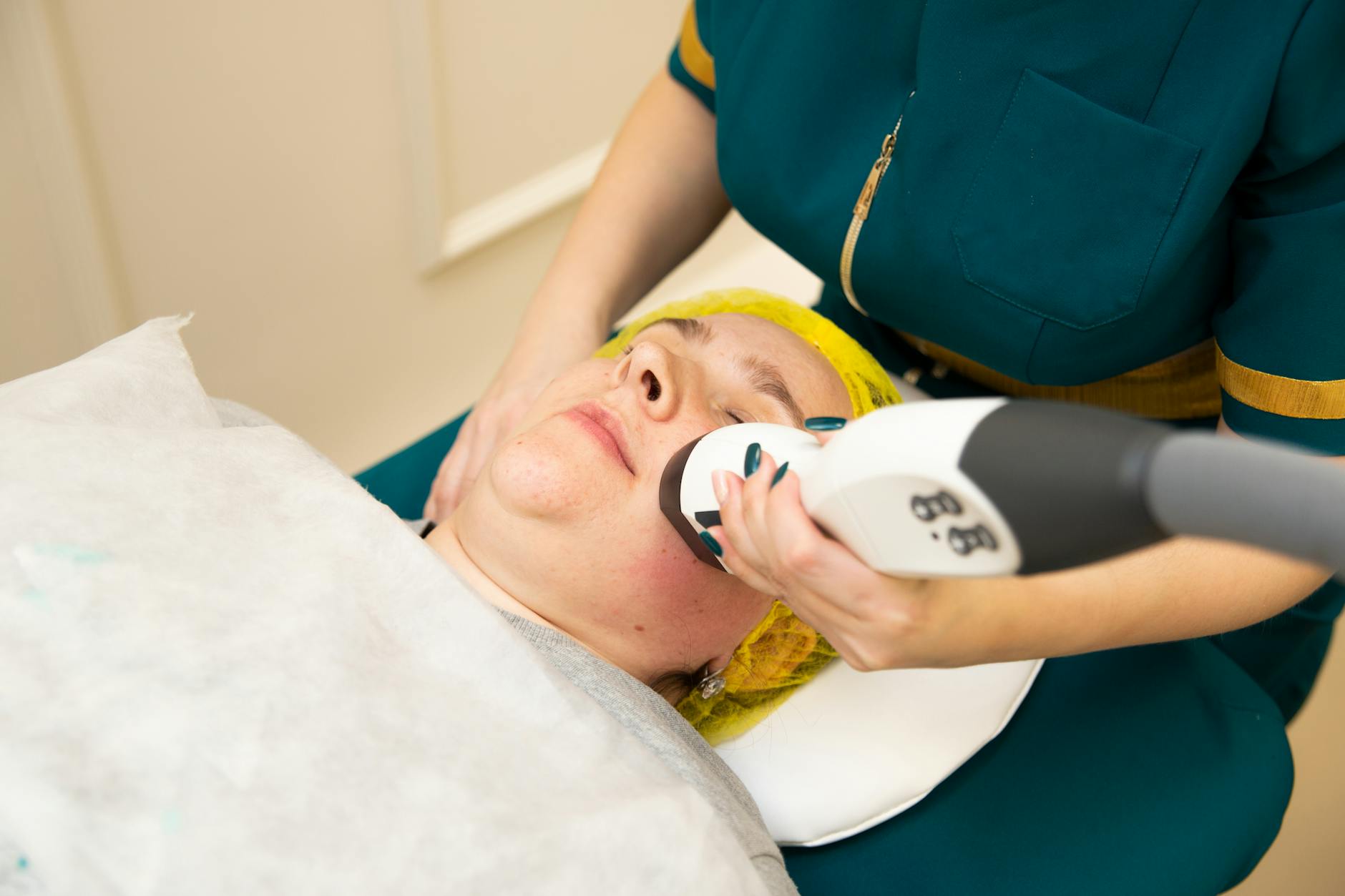
When choosing between treatments, it helps to understand the landscape. Dermabrasion sits in the middle ground of intensity: gentler than laser resurfacing but more aggressive than chemical peels or microdermabrasion. For superficial scars, this moderate intensity often makes it a good choice. If you want something even gentler with minimal downtime, microdermabrasion (which uses fine crystals instead of a rotating tool) is available, though its results are temporary—improvements last only about three weeks because it only exfoliates the dead skin surface without triggering true collagen remodeling.
For comparison, other acne scar treatments like TCA CROSS (a focused chemical peel applied directly to scars) have shown impressive results in studies, achieving more than 70% improvement in 73.3% of patients. This suggests that for very focused scar treatment, some newer or more targeted approaches might offer stronger results. However, these alternatives come with their own tradeoffs in terms of cost, downtime, or suitability for different scar types. Dermabrasion remains valuable because it can treat larger areas of scarred skin in a single session, whereas treatments like TCA CROSS work best on isolated, individual scars.
Who Should Avoid Dermabrasion, and What Are the Risks?
Dermabrasion is generally a safe procedure with minimal side effects—most patients experience no serious adverse events. However, there are real considerations, particularly regarding skin tone. People with fair skin typically see good results with fewer complications. Those with darker skin tones face a higher risk of post-procedure discoloration, either hyperpigmentation (darkening) or hypopigmentation (lightening) in the treated areas.
This doesn’t mean people with darker skin can’t have dermabrasion, but the risk-benefit analysis is different, and the decision should be made carefully with a dermatologist experienced in treating all skin types. Rare but real risks include infection (which can occur if the abraded skin isn’t kept clean during healing) and paradoxical scarring—in some cases, the procedure itself can create new, permanent scarring if not performed correctly or if healing goes awry. This is why choosing an experienced provider is critical. Additionally, if you have active acne at the time of the procedure, the infection risk is higher, so most dermatologists recommend waiting until acne is clear before pursuing dermabrasion.
What About Microdermabrasion as a Lighter Alternative?
Microdermabrasion is sometimes offered as a gentler, no-downtime alternative to full dermabrasion. It uses fine crystals or a diamond tip to gently exfoliate the outermost dead skin layer without penetrating into the dermis. Because it only exfoliates surface skin, microdermabrasion is essentially ineffective for actual acne scars—it can’t reach or remodel the scar tissue itself.
The perceived improvement in appearance is temporary, lasting only about three weeks, and results from better light reflection off smoother, exfoliated skin rather than true scar improvement. Microdermabrasion is reasonable for mild textural irregularities, superficial discoloration, or ongoing skincare maintenance, but if your goal is to meaningfully reduce acne scars, full dermabrasion offers dramatically superior results. Think of microdermabrasion as a cosmetic polish, while dermabrasion is a tissue-remodeling procedure.
What Does Current Research Tell Us About Dermabrasion for Acne Scars?
A notable finding from a comprehensive systematic review of acne scar treatments in 2025 was that only one relevant article on dermabrasion specifically for acne scars was identified in the medical literature. This suggests that dermabrasion remains an under-researched area compared to newer treatments like laser resurfacing, fillers, and microneedling. This doesn’t mean it’s ineffective—clinical evidence supports its use—but rather that the field has shifted toward studying newer technologies, leaving dermabrasion as a somewhat overlooked option in contemporary dermatology.
This research gap also means that most of what dermatologists know about dermabrasion comes from older literature and clinical experience rather than recent randomized controlled trials. As a result, treatment recommendations are based on established practice and patient outcomes rather than cutting-edge research. For some patients, this is reassuring—dermabrasion has a long track record of safety and efficacy. For others seeking the very latest approach, this might prompt consideration of newer alternatives, depending on their specific situation.
Conclusion
Dermabrasion works for superficial acne scars by removing damaged skin and triggering collagen remodeling, delivering mild to moderate improvement in appearance over a three-month healing period. It’s more effective than chemical peels for deeper scars but less aggressive than laser resurfacing, making it a middle-ground option that works well for people with appropriate scar types and realistic expectations.
The procedure carries minimal risk for most people, though skin tone and scar severity are important factors in predicting results. If you’re considering dermabrasion, the next step is a consultation with a board-certified dermatologist who can assess your specific scars, skin type, and goals, then discuss whether dermabrasion, newer treatments, or a combination approach makes the most sense. Don’t rush into treatment—understanding the healing timeline, realistic outcomes, and alternatives will help you make an informed decision that matches your expectations and priorities.