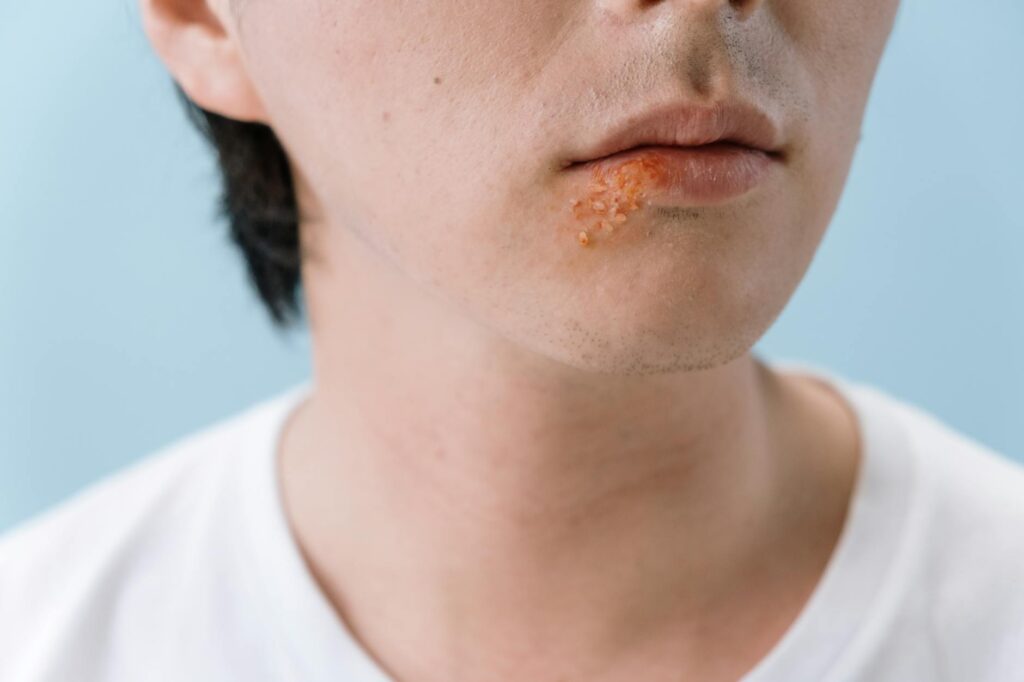
Oral dapsone stands as one of the earliest pharmaceutical treatments developed for moderate to severe acne vulgaris, with a clinical history spanning decades. While now largely superseded by isotretinoin (Accutane) as the gold standard for severe nodulocystic acne, dapsone oral remains relevant in dermatology because it offers an alternative when isotretinoin fails or proves too risky for a patient—for example, a 35-year-old with treatment-resistant severe acne who cannot tolerate isotretinoin’s teratogenic effects might be offered oral dapsone as a second-line therapy.
This article explores what oral dapsone historically accomplished, how it works inside inflamed skin, what clinical data supports its use, and why it still appears in some acne treatment protocols despite limited evidence from large trials. The key distinction is that most clinical evidence for dapsone in acne comes from case reports rather than large randomized controlled trials, which has shaped how dermatologists view and prescribe it today. Understanding oral dapsone’s mechanism and place in acne treatment history helps patients and providers make informed decisions about severe acne management.
Table of Contents
- How Oral Dapsone Became One of the First Treatments for Severe Acne
- The Cellular Mechanism—How Dapsone Quiets Inflammation in Severe Acne
- What the Clinical Evidence Actually Says About Oral Dapsone for Severe Acne
- Topical Dapsone Gel—The FDA-Approved Form and Its Success Rate
- Safety Profile and Why Blood Monitoring Matters
- Oral Dapsone in Historical Context—Why It Mattered Before Isotretinoin
- Modern Use and the Gap Between Oral and Topical Evidence
- Conclusion
How Oral Dapsone Became One of the First Treatments for Severe Acne
Dapsone oral entered dermatological practice as one of the pioneering medications specifically used to combat moderate to severe acne vulgaris, long before isotretinoin’s introduction in the 1980s. Physicians discovered that dapsone’s immune-modulating properties made it effective at controlling the inflammatory cascade that drives severe acne—particularly the deep, nodular, and cystic lesions that scar and disfigure skin. The historical significance lies in the fact that practitioners had relatively few systemic options for severe acne before dapsone and isotretinoin became available; antibiotics alone often failed to stop aggressive inflammation in deeply inflamed acne variants. What distinguished oral dapsone from simple antibiotic therapy was its anti-inflammatory action independent of bacterial killing.
While tetracycline antibiotics reduced *Cutibacterium acnes* (formerly *Propionibacterium acnes*) populations and therefore reduced inflammation, dapsone worked primarily by damping the host immune response. This dual mechanism—suppressing immune overreaction while also having mild antimicrobial properties—made it valuable for patients whose acne seemed driven more by inflammatory dysregulation than by bacterial load alone. Clinicians still occasionally prescribe oral dapsone today for severe cases, though the volume is lower than in prior decades. The persistence of oral dapsone in modern practice reflects both its established safety record and the reality that some patients with severe acne fail or cannot tolerate first-line therapies. However, the scarcity of modern randomized controlled trials has made it a second- or third-line choice rather than a primary recommendation.
The Cellular Mechanism—How Dapsone Quiets Inflammation in Severe Acne
Dapsone exerts its anti-inflammatory effect by interfering with neutrophil function, the white blood cells that congregate in inflamed acne lesions and release tissue-damaging enzymes. Specifically, dapsone inhibits the myeloperoxidase-H₂O₂-halide system in neutrophils, which prevents the accumulation of hypochlorous acid (a powerful oxidant) and thereby reduces collateral tissue damage during the inflammatory response. Think of it this way: neutrophils are immune soldiers that arrive at inflamed skin to fight bacteria, but in severe acne, their chemical weapons cause as much damage to healthy tissue as they do to acne-causing bacteria. Beyond blocking myeloperoxidase, dapsone also inhibits neutrophil chemotaxis—the chemical signaling that recruits more neutrophils to inflamed sites in the first place.
It also reduces reactive oxygen species (ROS) production in a dose-dependent manner, meaning higher doses provide stronger dampening of oxidative stress. This multi-pronged suppression of neutrophil-mediated inflammation is remarkably similar to how nonsteroidal anti-inflammatory drugs (NSAIDs) work, except dapsone arrests myeloperoxidase in an inactive form rather than blocking cyclooxygenase. However, this mechanism comes with a caveat: by dampening immune function, dapsone also carries theoretical risks in immunocompromised patients or those with certain blood disorders. The immunosuppression is generally mild when dapsone is used at acne-treating doses, but it is real enough that blood monitoring is standard practice, and some patients with severe glucose-6-phosphate dehydrogenase (G6PD) deficiency cannot safely use the drug.
What the Clinical Evidence Actually Says About Oral Dapsone for Severe Acne
The most candid statement one can make about oral dapsone for severe acne is that clinical evidence is robust in quality but sparse in quantity. Dapsone has been documented as a “promising and hopeful alternative treatment for nodulocystic acne when isotretinoin fails,” yet the bulk of this evidence comes from case reports—compelling individual patient stories but not the gold standard of large randomized controlled trials. This distinction matters because dermatologists today are reluctant to recommend oral dapsone as a first-line therapy without clearer evidence, even though practitioners in the 1970s and 1980s prescribed it more liberally. A landmark observation from clinical practice is that oral dapsone appears most effective for inflammatory lesions—papules, pustules, and nodules—rather than comedonal acne or mild disease.
Patients with severe inflammatory acne who failed standard antibiotic regimens sometimes saw dramatic clearing within weeks to months of starting oral dapsone, whereas those with predominantly comedonal acne or mild-to-moderate disease showed more modest responses. This selectivity suggests that dapsone works best in severe acne phenotypes where immune dysregulation and neutrophil-driven inflammation dominate the pathology. The practical limitation is that prospective efficacy data from recent decades is limited. A patient or clinician reading the literature today will find occasional case series from dermatology departments reporting successful treatment of severe acne with oral dapsone, but quantitative response rates and head-to-head comparisons with other second-line agents remain sparse. This absence of robust modern data does not mean dapsone is ineffective—only that it has fallen out of fashion in clinical trial design as isotretinoin became the standard for severe acne management.
Topical Dapsone Gel—The FDA-Approved Form and Its Success Rate
While oral dapsone remains primarily a clinical anecdote for severe acne, the topical formulation of dapsone—specifically dapsone gel—has clear FDA-approved status and quantifiable efficacy data. Dapsone 5% gel (marketed as Aczone) received FDA approval in August 2005 for acne vulgaris in patients 12 years and older. In clinical trials, topical dapsone achieved a clinical success rate of 40.5% versus 32.8% with placebo over a 12-week period, representing a meaningful but modest advantage over placebo—particularly notable for inflammatory lesions such as papules, pustules, and nodules, where dapsone substantially outperformed placebo. In 2016, a higher-concentration formulation, dapsone 7.5% gel, received FDA approval, with the indication later expanded to patients as young as 9 years old. This expanded approval reflected both safety data and efficacy findings that justified use in younger adolescents.
The clinical success rate of topical dapsone gel—roughly 40%—invites comparison with other topical acne agents. For perspective, benzoyl peroxide monotherapy achieves roughly 50% efficacy in mild-to-moderate acne, while topical retinoids achieve similar ranges. The practical implication is that topical dapsone works best as part of combination therapy rather than as a monotherapy; clinicians often pair it with benzoyl peroxide, topical retinoids, or oral antibiotics to improve outcomes. The key difference between topical dapsone and oral dapsone is that the topical form carries far better evidence (FDA approval, published efficacy data) and lower systemic risk, making it the preferred first-line dapsone choice. Oral dapsone, by contrast, exposes the entire body to the drug and carries greater risks of hematologic side effects, making it reserved for patients who have failed other systemic therapies.
Safety Profile and Why Blood Monitoring Matters
One reason oral dapsone’s use declined as isotretinoin gained popularity is the difference in safety profiles and monitoring requirements. Topical dapsone formulations show minimal adverse events, with no significant difference in adverse event rates between dapsone and control groups in clinical trials. Common local reactions—transient dryness, heat, mild eczema—occur infrequently and resolve with continued use. This benign safety profile makes topical dapsone suitable even for long-term use or in sensitive populations. Oral dapsone, however, requires regular blood monitoring because it can cause hemolytic anemia (destruction of red blood cells), particularly in patients with G6PD deficiency.
In patients without G6PD deficiency, hemolysis is rare at standard acne doses, but baseline and periodic complete blood counts are standard practice. Additionally, oral dapsone can cause peripheral neuropathy, hepatotoxicity, and agranulocytosis (dangerously low white blood cell counts), though these serious effects are uncommon. The cumulative effect of these potential systemic side effects is that prescribing oral dapsone for acne requires more caution and patient education than prescribing topical dapsone or standard oral antibiotics. This safety calculus explains why dermatologists today reserve oral dapsone for cases of severe, treatment-resistant acne rather than for routine moderate disease. A patient might tolerate the monitoring burden and rare serious risks if they have nodulocystic acne unresponsive to multiple other therapies, but the risk-benefit analysis shifts unfavorably for milder disease where safer alternatives exist.
Oral Dapsone in Historical Context—Why It Mattered Before Isotretinoin
To fully appreciate what oral dapsone did for severe acne historically, one must remember the pre-isotretinoin era. Before isotretinoin (Accutane) became available in the early 1980s, the treatment of severe acne was severely limited. Dermatologists had antibiotics—tetracycline, minocycline—and topical sulfur or benzoyl peroxide, but these often failed to control nodulocystic or severe inflammatory acne.
Oral dapsone filled a critical gap: it was systemically available, it worked through a novel immunologic mechanism, and it could achieve clearing or dramatic improvement in cases where antibiotics alone had failed. The historical record shows that dapsone oral was sometimes the difference between a patient’s quality of life being destroyed by severe acne (social isolation, repeated scarring, psychological trauma) and achieving clear or nearly clear skin. Case reports from the 1970s and 1980s document patients with severe acne who had tried everything available and finally achieved clearing with oral dapsone. Once isotretinoin arrived with its higher efficacy and the ability to induce long-term remission or even cure in most cases, dapsone’s role diminished—but the historical contribution remains important for understanding how dermatology managed severe acne before the modern era.
Modern Use and the Gap Between Oral and Topical Evidence
Today, oral dapsone occupies an unusual niche: it is recognized as effective in clinical practice (based on case reports and clinical experience) yet lacks the robust evidence base that modern medicine expects for systemic drugs. This evidence gap is partly historical—dapsone was established before the gold standard of randomized controlled trials became mandatory, and no company has funded modern trials of oral dapsone for acne because isotretinoin is already standard and topical dapsone has FDA approval. The result is that oral dapsone persists in dermatologic practice almost as a legacy therapy: used when isotretinoin fails or is contraindicated, prescribed by experienced clinicians who have seen it work, but not actively promoted or studied.
The future of oral dapsone for severe acne likely depends on whether patients and providers continue to find clinical value in it for that narrow use case (severe acne refractory to isotretinoin). If topical dapsone continues to improve—through higher concentrations, novel delivery systems, or combination formulations—the distinction between topical and oral forms may become even less relevant. For now, oral dapsone represents an option that exists more because practitioners know it can work than because modern evidence mandates its use.
Conclusion
Oral dapsone stands as a historical cornerstone in severe acne treatment, offering a mechanism of action rooted in neutrophil suppression and anti-inflammatory action that predates isotretinoin by several years. While clinical evidence for its efficacy is documented primarily through case reports rather than large trials, its documented success in cases of treatment-resistant nodulocystic acne—particularly when isotretinoin fails—justifies its continued place in some dermatologists’ treatment armamentaria. The shift from frequent use to second- or third-line status reflects not a loss of efficacy but rather the maturation of clinical evidence standards, the emergence of isotretinoin as a superior option for severe acne, and the availability of safer topical alternatives like dapsone gel.
Patients considering oral dapsone should understand that it requires blood monitoring due to potential hematologic side effects and that evidence for its use comes more from clinical experience and case reports than from randomized trials. For those with severe acne unresponsive to first-line therapies—or for whom isotretinoin is contraindicated or intolerable—oral dapsone remains a legitimate option worth discussing with a dermatologist. The topical form, dapsone gel, offers better evidence, lower systemic risk, and FDA approval, making it the preferred entry point for dapsone therapy in most patients.