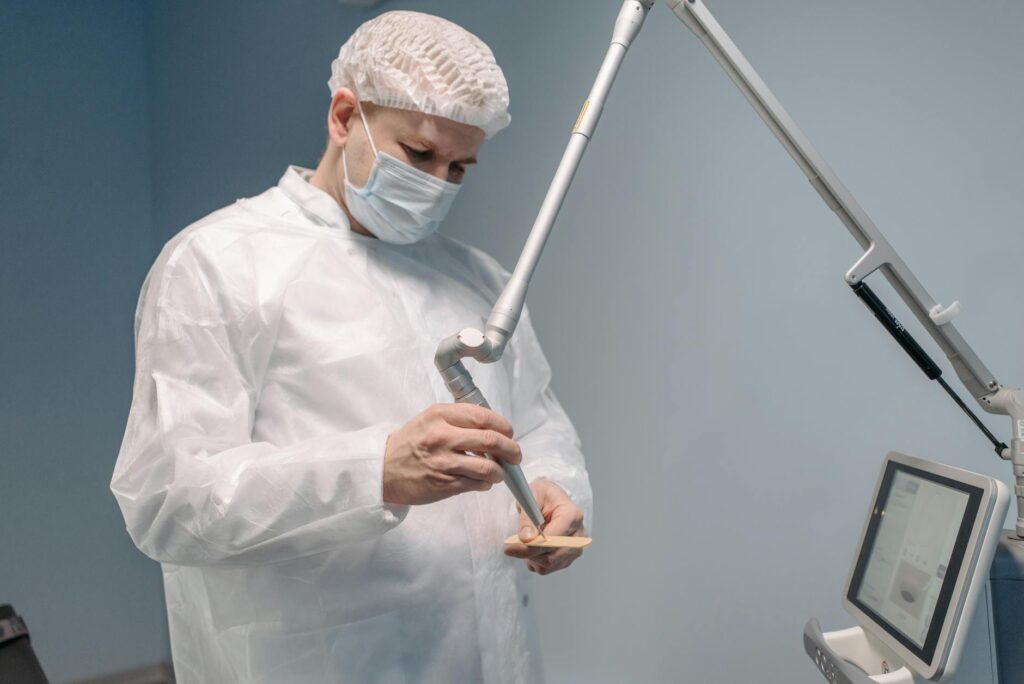
Cooling technology during laser acne treatment serves one critical function: it absorbs and dissipates the heat generated by the laser before it damages healthy skin tissue surrounding acne lesions. As the laser beam targets sebaceous glands and bacteria beneath the skin’s surface, it generates intense heat that can cause burns, blistering, and permanent scarring if left unmanaged. Cooling systems work in parallel with the laser, either before, during, or immediately after each pulse, to maintain skin surface temperature at safe levels—typically between 15-25°C—while allowing subsurface heating to continue destroying acne-causing bacteria and reducing oil production.
This article explores how different cooling technologies work, why they matter for treatment safety and comfort, and what you should expect when undergoing laser acne treatment with cooling systems in place. The most common cooling approach uses a sapphire contact cooling window or cryogen spray that chills the skin surface to numb the area and protect the epidermis. Without this cooling, even brief laser exposure can cause immediate pain, temporary redness that lasts weeks, or in worst cases, post-inflammatory hyperpigmentation and textural changes. With proper cooling, patients experience minimal discomfort and faster healing with better outcomes.
Table of Contents
- How Does Cooling Technology Protect Skin During Laser Acne Treatment?
- Types of Cooling Technology and Their Effectiveness Differences
- Safety Benefits of Cooling During Acne Laser Treatment
- Comfort and Practical Improvements From Cooling Systems
- Limitations and When Cooling Technology Falls Short
- Post-Treatment Cooling and Recovery
- Future Developments in Cooling Technology for Laser Acne Treatment
- Conclusion
How Does Cooling Technology Protect Skin During Laser Acne Treatment?
laser acne treatments work by converting light energy into heat that penetrates the dermis and destroys acne-causing bacteria (*Cutibacterium acnes*, formerly *Propionibacterium acnes*) and shrinks oil glands. The challenge is that the same energy that targets these deep structures also heats the epidermis—the outer skin layer—which lacks the regenerative capacity of the dermis. If epidermal temperature rises above 43°C for more than a few seconds, collagen denatures and cells begin to die, leading to burns and scarring. Cooling technology prevents this by selectively cooling only the epidermis while allowing deeper tissue to remain heated. The mechanism works through thermal gradients. A cooled sapphire window or cryogen spray draws heat away from the skin surface through conduction or convection, creating a temperature differential that acts as a heat sink.
The cooler outer layer slows heat diffusion into deeper, healthy tissue while still allowing the laser’s deeper penetration to work. For example, during a treatment with a 1064nm Nd:YAG laser—a common choice for inflammatory acne—the laser pulse might last 20-40 milliseconds. Simultaneous or pre-pulse cooling can drop skin surface temperature by 10-15°C in that same timeframe, protecting the epidermis while the subsurface heat continues its therapeutic work. Different cooling approaches have different efficiencies. Contact cooling with a sapphire window provides consistent, predictable cooling because the window remains in contact throughout treatment. Cryogen spray cooling works faster but requires careful technique to avoid over-cooling, which can cause temporary nerve damage or frostbite-like reactions in sensitive patients.
Types of Cooling Technology and Their Effectiveness Differences
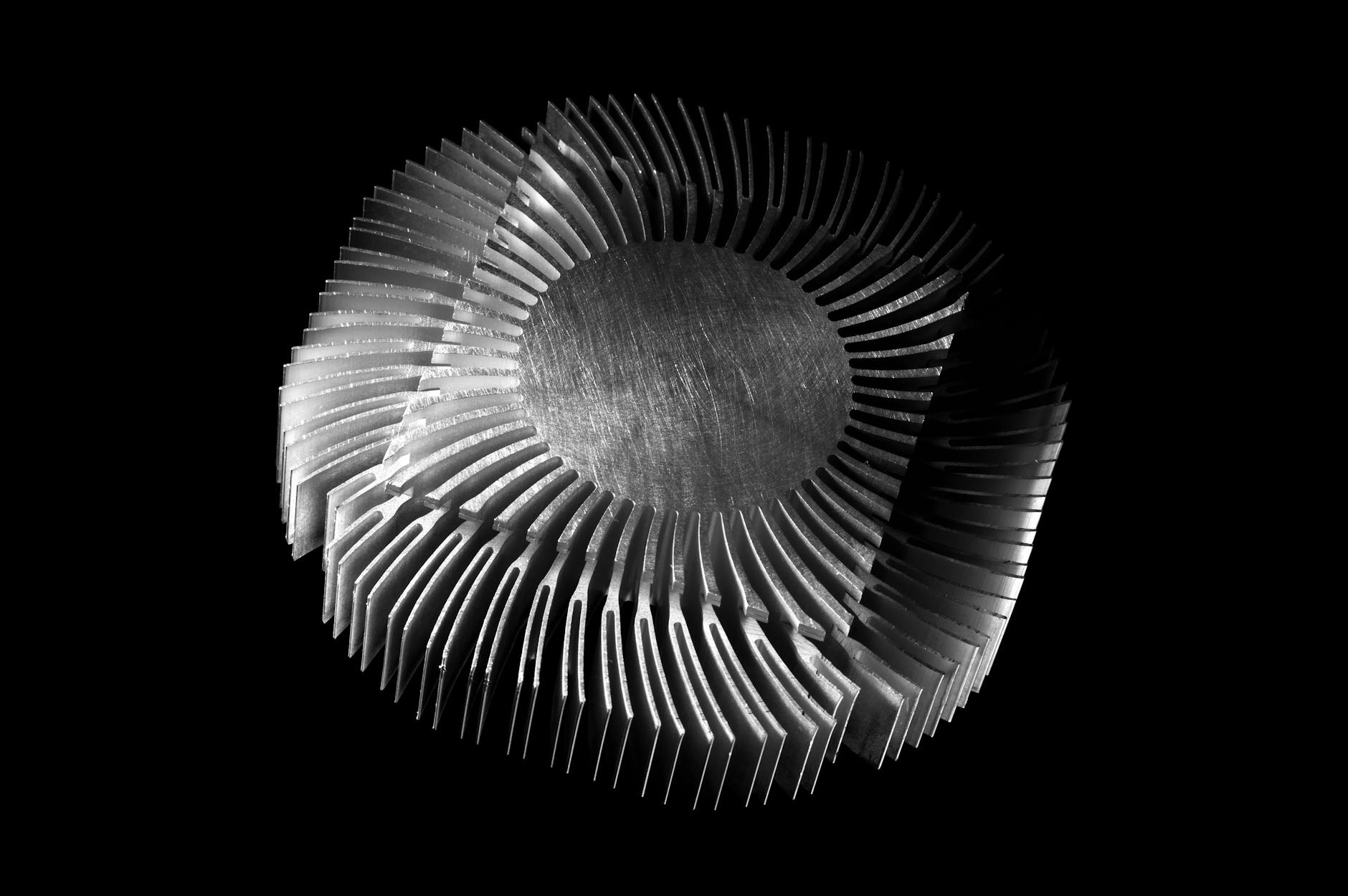
Contact cooling remains the gold standard for most laser acne devices. A chilled sapphire crystal window (usually cooled to 4-15°C by an integrated thermoelectric cooling system) presses gently against the skin during treatment. The sapphire is transparent to laser wavelengths used in acne treatment, so the laser passes through unobstructed while the window absorbs and conducts heat away from the skin surface. This method is reliable, doesn’t require consumables for each pulse, and provides uniform protection across the treated area. However, if the cooling system fails or the sapphire window becomes cloudy or damaged, protection drops immediately. Cryogen spray cooling—typically using liquefied tetrafluoroethane or similar compounds—offers faster cooling but with more variability.
A brief burst of cryogen spray cools the skin to near-freezing in just 10-50 milliseconds. This extreme cooling can be more comfortable for patients with high pain sensitivity, but the spray must be precisely timed and applied. Over-application risks transient nerve injury or frostbite-like reactions, particularly in patients with darker skin tones where nerve density is different. Clinical studies show cryogen spray can be slightly more effective at preventing blistering in aggressive treatments, but it’s also more technique-dependent. Air-cooling systems blow cool air across the treatment area but are the least effective at meaningful temperature reduction. Some newer devices combine contact cooling with simultaneous air circulation to enhance heat dissipation. A limitation of hybrid systems is that they’re more complex, so when one component fails—say the air circulation stops—the remaining contact cooling alone may be insufficient if the treatment parameters were designed assuming both systems would work.
Safety Benefits of Cooling During Acne Laser Treatment
The primary safety benefit is prevention of thermal injury to the epidermis, which translates into several clinical outcomes. First, there’s a dramatic reduction in blistering and crusting. Studies comparing laser treatments with and without adequate cooling show blister rates drop from 15-25% to under 5% when cooling is properly applied. Second, the risk of post-inflammatory hyperpigmentation—a particular concern in darker skin types—decreases substantially. Third, patients experience significantly less pain during treatment, which allows dermatologists to use higher fluences (energy levels) to reach deeper acne lesions without patient discomfort forcing them to reduce settings. Cooling also extends treatment safety windows.
Without cooling, treating inflammatory acne requires shorter pulse durations or lower fluences to avoid damaging healthy skin, which means less effective acne destruction. With cooling, clinicians can use settings that provide better acne clearance without increased risk. For example, a 1064nm Nd:YAG laser treating moderate inflammatory acne might use 12-16 joules per square centimeter with cooling, versus 8-10 joules without—a 50% increase in therapeutic energy while maintaining the same or lower complication rate. However, cooling does not eliminate all risks. Patients with severe rosacea, active herpes simplex, or significant sunburn should still avoid laser treatment even with cooling because the skin barrier is already compromised. Additionally, over-reliance on cooling can create false confidence; if a patient is treated with aggressive settings because cooling is present, but the cooling fails partway through treatment, the damage from remaining pulses may be worse than if conservative settings had been used throughout.

Comfort and Practical Improvements From Cooling Systems
Pain reduction is immediate and dramatic. Patients describe untreated laser as sharp, burning sensation comparable to snapping a rubber band against the skin, sometimes multiple times per second for several minutes. With effective cooling, most patients report mild warmth or mild stinging—tolerable enough that anesthesia isn’t needed. This comfort improvement matters practically because it allows longer treatment sessions targeting larger areas without patient fatigue or movement from pain causing inconsistent laser delivery. Contact cooling systems create a rhythmic pulse-pause sensation—the window touches, cools, retracts, the laser fires, the window returns—that many patients find more tolerable than the unpredictability of cryogen spray.
Cryogen spray users sometimes report a mild stinging from the spray itself, though once the cooling effect takes hold, pain from the laser is minimal. The contact window approach also allows the dermatologist to see the skin clearly throughout treatment, which is important for targeting acne lesions precisely. A practical tradeoff exists between comfort and treatment speed. Contact cooling systems require a slower hand motion and precise window positioning, which takes slightly longer per treatment area. Cryogen spray systems can be faster once mastered but demand higher operator skill. For patients with larger acne areas (back acne, for instance), the contact system might mean an extra 5-10 minutes of treatment time, while cryogen could be faster but with higher operator-dependent variability in results.
Limitations and When Cooling Technology Falls Short
Cooling technology cannot prevent all complications, particularly if treatment settings are too aggressive for the patient’s skin type. For example, a patient with Fitzpatrick Type III skin (olive-toned) treated with very high fluences may still develop post-inflammatory hyperpigmentation despite perfect cooling, because the melanin-rich epidermis absorbs significant laser energy even when the surface is cooled. The cooling protects against thermal burn, but doesn’t prevent photochemical damage from melanin absorption. Another limitation: cooling requires uninterrupted function. If a contact cooling window is damaged or the thermoelectric cooler fails mid-treatment, the remaining pulses deliver unprotected laser energy.
Some patients discover mid-treatment that the cooling isn’t working properly because they suddenly experience increased pain—by then, several pulses have already fired without adequate protection. This is why reputable clinics perform cooling system checks before every treatment. Additionally, cooling is less effective on body areas with thicker stratum corneum (outer dead skin layer), such as the back or chest. These areas have naturally lower heat transfer efficiency, so even with active cooling, the skin surface temperature doesn’t drop as much as on thin-skinned facial areas. Dermatologists often reduce fluences for body acne treatments specifically because cooling is less reliably protective on thicker skin. For patients with severe cystic acne on the back, this means laser treatments may be less effective than facial laser treatments, not due to the laser itself but because protective cooling is limited by anatomy.
Post-Treatment Cooling and Recovery
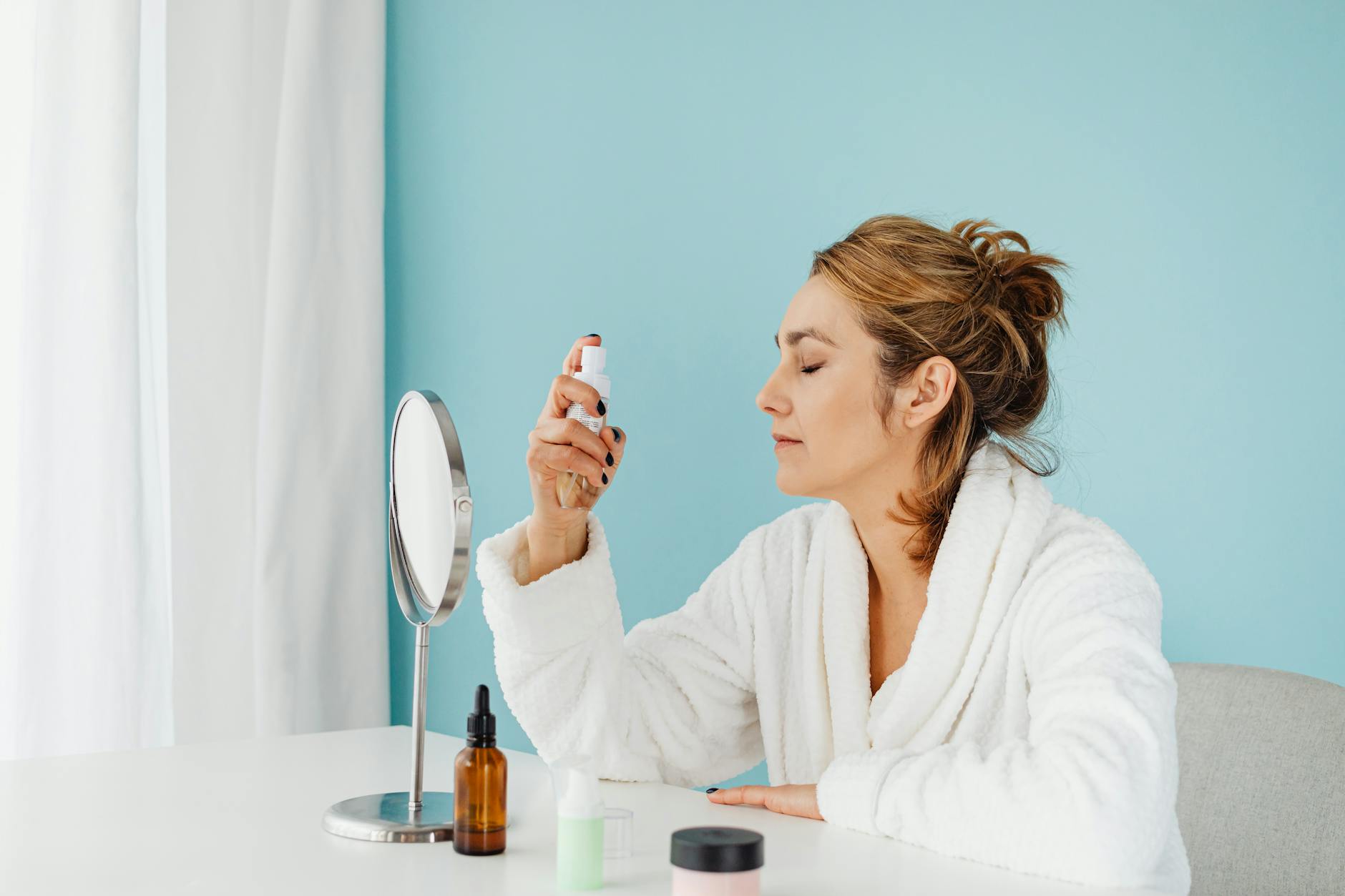
Cooling doesn’t stop when the laser does. Many clinics apply additional cooling immediately after treatment through cool compresses, ice packs, or cryo-rollers for 5-15 minutes post-treatment. This secondary cooling reduces residual heat in the dermis, which accelerates the pace at which inflammation subsides. Post-treatment cooling also decreases the likelihood of delayed thermal reactions—sometimes the skin looks fine immediately after treatment but develops blistering or significant swelling 2-6 hours later if post-treatment cooling was skipped.
Some dermatologists recommend at-home cooling in the first 24 hours after treatment: cool compresses (not ice directly on skin) applied for 10-15 minutes several times daily. This practice helps stabilize the dermal temperature, reduce swelling, and provide comfort. However, excessive post-treatment cooling—like ice applied continuously for hours—can impair the healing inflammatory response needed for collagen remodeling and acne improvement. The goal is moderate cooling to manage heat and swelling, not to completely suppress the inflammatory cascade that drives therapeutic benefit.
Future Developments in Cooling Technology for Laser Acne Treatment
Emerging devices are integrating real-time temperature monitoring into cooling systems. Rather than assuming a cooling window is maintaining a target temperature, these advanced systems use infrared sensors to measure actual skin surface temperature during every laser pulse and automatically adjust cooling intensity if temperature drifts above safe thresholds. This innovation could eliminate the risk of cooling failure going unnoticed and would allow even higher therapeutic fluences on suitable patients.
Another development is fractional cooling, where cooling is applied selectively to specific areas of the acne lesion while allowing selective mild heating in surrounding clear skin, theoretically improving aesthetic outcomes and reducing collateral damage. This technology is still mostly experimental but represents a shift toward more precise, spatially-controlled thermal management. As these technologies mature, laser acne treatment should become simultaneously safer and more effective, with better healing outcomes and lower complication rates across all skin types.
Conclusion
Cooling technology during laser acne treatment is not optional—it’s a fundamental safety mechanism that protects healthy skin from thermal damage while allowing the laser to effectively destroy acne-causing bacteria and shrink oil glands. Whether through contact cooling with a sapphire window or cryogen spray systems, proper cooling reduces pain, minimizes blistering and scarring risk, and enables dermatologists to use higher therapeutic energies for better acne clearance.
Understanding how cooling works helps you ask the right questions when consulting with a dermatologist: Is cooling included? What type? Is the system maintained and tested before each treatment? When choosing a clinic for laser acne treatment, verify that they use active cooling throughout treatment and that their equipment is regularly serviced. Cooling technology has transformed laser acne treatment from a procedure with significant risk of visible side effects into one that is safe and effective across most skin types. If you have darker skin, active rosacea, or a history of abnormal scarring, discuss cooling approaches specifically with your dermatologist to ensure the most appropriate technology is selected for your individual risk profile.