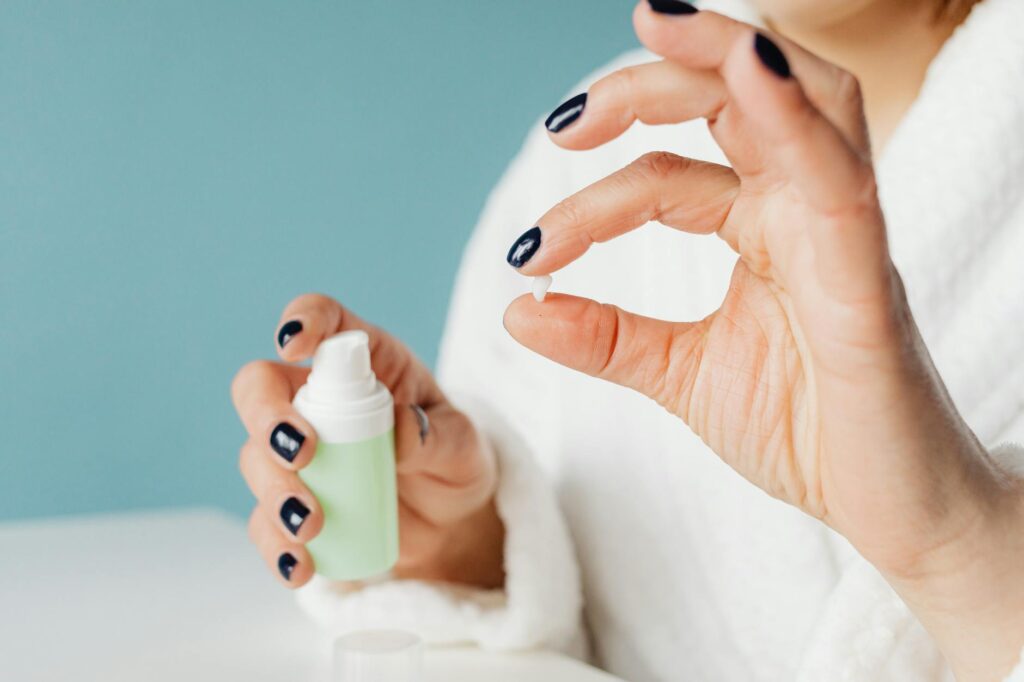
Compounded tretinoin is a custom-made version of tretinoin—the active ingredient in prescription retinoid products like Retin-A—that a pharmacy prepares specifically for an individual patient. Unlike commercially produced tretinoin products, which are mass-manufactured to a fixed formula and strength, compounded tretinoin offers flexibility: a pharmacist can adjust the concentration (0.025% to 0.1% or beyond), alter the base (cream, lotion, gel, or suspension), and add complementary ingredients like niacinamide, azelaic acid, or hydroquinone to address a patient’s specific skin concerns. Compounded tretinoin makes sense when standard commercial formulations don’t work for your skin—either because you’re sensitive to inactive ingredients, need a specific strength not available over the counter, or want multiple active ingredients combined to tackle acne, hyperpigmentation, or sun damage simultaneously. This article covers what compounded tretinoin is, how it works, when customization is worth the extra cost, what to expect safety-wise, and how to find a reliable compounding pharmacy.
Table of Contents
- What Compounded Tretinoin Is and How It Works
- How Compounded Tretinoin Differs from Standard Formulations
- Cost Comparison: Compounded vs Brand Name Tretinoin
- Clinical Applications and When Compounding Makes Sense
- Safety Considerations and Side Effects
- Finding a Reputable Compounding Pharmacy
- Integrating Compounded Tretinoin Into Your Skincare Routine
- Conclusion
- Frequently Asked Questions
What Compounded Tretinoin Is and How It Works
Compounded tretinoin is retinoic acid—a synthetic form of vitamin A—that a 503A compounding pharmacy creates on demand using bulk tretinoin powder or concentrate mixed into a base formula tailored to your prescription. The key distinction is customization: while you can buy Retin-A 0.05% cream from any pharmacy, a compounding pharmacy can make you 0.03% lotion with niacinamide, or 0.1% cream in a fragrance-free hypoallergenic base, or a combination formula mixing tretinoin with hydroquinone and azelaic acid for melasma treatment. This flexibility addresses real clinical needs—some patients can’t tolerate standard formulations due to preservatives or heavy bases, while others benefit from synergistic ingredient combinations that aren’t commercially available.
Tretinoin works by accelerating epidermal cell turnover, refining the structure of hair follicles, and stimulating dermal collagen remodeling—mechanisms that have been proven across four decades of clinical evidence. The timeline for visible improvement is realistic: you’ll typically see improvements in acne within 3 to 4 weeks, brown spots and post-inflammatory hyperpigmentation fade after 6 to 8 weeks, and wrinkles begin to decrease after 3 to 6 months of consistent use. This slow, steady transformation is why tretinoin requires patience and dedication; it’s not an overnight fix, but the long-term results are well-documented.

How Compounded Tretinoin Differs from Standard Formulations
Tretinoin was FDA-approved in 1971 for acne vulgaris, and topical formulations (creams, gels, lotions) are FDA-approved for multiple dermatologic indications including fine lines, sun damage, and photoaging. However, here’s a critical limitation: compounded tretinoin itself is not FDA-tested or subject to the same consistency and purity reviews as mass-produced prescription formulations. When you fill a prescription for Retin-A, the FDA has vetted the manufacturing process, verified that every tube contains exactly the labeled concentration, and confirmed that inactive ingredients are consistent batch to batch.
Compounded tretinoin, by contrast, is prepared at the pharmacy level and doesn’t undergo this centralized validation—quality can vary between compounding pharmacies, and there’s no guarantee that your 0.05% lotion this month is identical to last month’s refill. This doesn’t mean compounded tretinoin is unsafe or ineffective; many compounding pharmacies are rigorous and use high-quality bulk ingredients. But it does mean you’re taking on slightly more risk compared to a mass-produced FDA-approved product. The decision to go compounded should be based on a real clinical need—such as a documented sensitivity to preservatives in standard formulations, or the need for an ingredient combination that doesn’t exist commercially—rather than simply assuming compounded is “more customizable and therefore better.” If a standard formulation works for you, there’s no advantage to switching.
Cost Comparison: Compounded vs Brand Name Tretinoin
Compounded tretinoin typically costs $50 to $120 per month depending on the strength and ingredient combinations, whereas brand-name tretinoin products like Retin-A or Tri-Luma cost $150 to $300 per tube without insurance. This cost difference looks favorable until you factor in insurance coverage: most insurance plans do not cover compounded medications because they are not mass-produced FDA-approved drugs, meaning you’re paying out of pocket every month. Brand-name tretinoin, by contrast, is often covered by insurance at a copay (typically $20 to $50), which can make it cheaper in practice even though the list price is higher.
For example, if you’re a patient with insurance and a brand-name Retin-A 0.05% cream has a $30 copay, your annual cost is $360. A compounded tretinoin 0.05% lotion at $80 per month costs $960 annually. However, if you have no insurance or your plan excludes topical retinoids, compounded tretinoin at $60 to $80 per month becomes the more economical choice. The financial calculation also shifts if you need a specialized formulation—such as tretinoin combined with hydroquinone and azelaic acid for melasma—because such triple-ingredient products don’t exist commercially, making compounding your only option regardless of cost.

Clinical Applications and When Compounding Makes Sense
Tretinoin, whether compounded or brand-name, is proven to work for acne vulgaris, fine lines, hyperpigmentation, melasma, sun damage, and photoaging. Compounding adds value when your skin has specific needs that standard formulations can’t address. A patient with severe rosacea-prone skin might not tolerate the heavy cream base in standard Retin-A, but a compounding pharmacy can make a tretinoin 0.025% lotion with added azelaic acid—both ingredients address rosacea while tretinoin simultaneously treats underlying acne and sun damage.
Another example: a patient with melasma on darker skin often needs tretinoin combined with hydroquinone (a skin-lightening agent) and sometimes azelaic acid; Tri-Luma (a commercial triple combination) exists, but it can be expensive and unavailable, whereas a compounding pharmacy can replicate or customize the formula. Compounding also makes sense if you’ve had allergic reactions to preservatives or inactive ingredients in standard formulations—for instance, if you’re allergic to parabens or methylisothiazolinone (a common preservative in tretinoin products), a compounding pharmacy can prepare tretinoin in a hypoallergenic base with minimal preservatives. The customization is most valuable when a dermatologist has identified a specific clinical need that requires either a non-standard strength, a unique combination of actives, or a specialized base—not simply because you prefer the idea of something “custom-made.”.
Safety Considerations and Side Effects
Tretinoin is generally safe at topical concentrations, but the most common side effects are pruritus (itching), skin pain, irritation, erythema (redness), and occasionally pharyngitis (sore throat from exposure during application or from inhalation). These effects are dose-dependent and tend to diminish as your skin adapts over weeks to months. The risks are similar whether you’re using compounded or brand-name tretinoin, but formulation matters: a 2022 clinical study found that tretinoin 0.05% lotion produced significantly less irritation and superior skin appearance and sensation compared to tretinoin 0.05% generic cream, with most participants preferring the lotion formulation.
This study highlights why compounding can be clinically useful: if you’ve tried a standard cream and experienced excessive irritation, switching to a lotion base—or to a lower concentration in a soothing base—can make tretinoin tolerable and effective. However, irritation during the first 4 to 8 weeks of tretinoin use is normal and often resolves without changing formulations; premature switching can prevent your skin from fully adapting. Start at the lowest effective dose, use sunscreen daily (tretinoin increases photosensitivity), and avoid other potentially irritating products like vitamin C serums or benzoyl peroxide until your skin adjusts.

Finding a Reputable Compounding Pharmacy
Not all compounding pharmacies are equally rigorous. The Pharmacy Compounding Accreditation Board (PCAB) accredits compounding pharmacies that meet rigorous quality standards for sterility, potency verification, and ingredient sourcing; look for PCAB accreditation when selecting a pharmacy. Ask your pharmacy directly: Does the pharmacist verify tretinoin potency through third-party testing? Are bulk ingredients sourced from FDA-registered manufacturers? What preservatives are used, and why? A reputable pharmacy will have clear answers and documentation.
Some well-known compounding pharmacies specializing in tretinoin include Marco Drugs, Park Compounding, and Preston’s Pharmacy, though your dermatologist may have preferred compounders they’ve worked with successfully. Get your tretinoin prescription from a licensed dermatologist, not an online telehealth service without dermatology expertise. Tretinoin is powerful and requires baseline skin assessment, realistic expectation-setting, and monitoring for adverse effects. A dermatologist can specify exact concentration, base, and any complementary ingredients, then recommend a pharmacy known for quality.
Integrating Compounded Tretinoin Into Your Skincare Routine
Once you have compounded tretinoin, the usage principles are standard: apply a pea-sized amount to clean, dry skin 2 to 3 times weekly at first, gradually increasing frequency as tolerated (many users reach nightly application after 8 to 12 weeks). Use broad-spectrum SPF 30+ sunscreen daily—tretinoin increases UV sensitivity, and skipping sunscreen negates the anti-aging benefits and increases photoaging. Avoid combining tretinoin with other irritants during the first month; skip vitamin C, benzoyl peroxide, and exfoliating acids until your skin has adapted.
The ingredient combinations available through compounding can accelerate results—for instance, tretinoin plus azelaic acid addresses both acne and rosacea simultaneously—but the timeline for visible improvement remains the same: 3 to 4 weeks for acne, 6 to 8 weeks for pigmentation, and 3 to 6 months for lines. Looking ahead, compounded tretinoin represents a practical solution for patients whose skin needs don’t align with commercial options. As telemedicine dermatology grows, access to tretinoin overall has improved, but compounding remains essential for patients requiring specialized formulations or ingredient combinations. The future may bring more commercial combination products addressing niche needs (like tretinoin plus azelaic acid), but compounding pharmacies will likely remain invaluable for truly individualized treatment.
Conclusion
Compounded tretinoin is a legitimate, evidence-based treatment option when standard formulations don’t work for your skin—due to ingredient sensitivities, specific concentration needs, or the desire for synergistic ingredient combinations. It’s more expensive without insurance, carries slightly higher quality-control risk than mass-produced products, and requires careful sourcing from a reputable PCAB-accredited pharmacy. However, for the right patient—someone with documented sensitivity to standard bases, someone needing a triple-ingredient formula for melasma, or someone whose dermatologist identifies a specific clinical reason for customization—compounded tretinoin can be transformative.
The next step is to consult a dermatologist who can assess whether your skin would benefit from tretinoin at all, and if so, whether a standard formulation suffices or whether compounding adds real clinical value. If compounding is recommended, ask for a specific prescription with strength, base, and any additional ingredients clearly labeled, then verify that your pharmacy is PCAB-accredited and performs potency testing. Tretinoin—in any form—is a long-term commitment requiring patience, sunscreen discipline, and realistic expectations, but the scientific evidence supporting its efficacy for acne, photoaging, and hyperpigmentation is robust.
Frequently Asked Questions
Is compounded tretinoin more effective than brand-name tretinoin?
No. Both contain the same active ingredient and work via the same mechanism. Compounded tretinoin may feel more effective if a customized base or ingredient combination addresses your specific sensitivities or concerns—but the tretinoin molecule itself is not more potent when compounded.
How long does compounded tretinoin take to work?
Acne improvements appear within 3 to 4 weeks, brown spots fade after 6 to 8 weeks, and fine lines decrease after 3 to 6 months. These timelines apply to both compounded and brand-name tretinoin.
Can I get compounded tretinoin without a dermatologist?
You need a licensed physician’s prescription. Some online telehealth services offer tretinoin, but dermatologist evaluation is ideal because tretinoin requires baseline skin assessment and monitoring.
What’s the most common mistake people make with compounded tretinoin?
Starting too high a concentration or using it too frequently, causing irritation that could have been avoided with a gradual, low-dose approach. Another common mistake is switching pharmacies or formulations too soon—consistency matters for skin adaptation.
Will compounded tretinoin make my skin more sensitive to the sun?
Yes. Tretinoin increases photosensitivity regardless of formulation. Daily broad-spectrum SPF 30+ sunscreen is non-negotiable, or tretinoin will accelerate photoaging rather than reverse it.
Does insurance cover compounded tretinoin?
Rarely. Most plans exclude custom compounds because they’re not mass-produced FDA-approved drugs. Check your plan, but assume out-of-pocket cost of $50–$120 monthly.