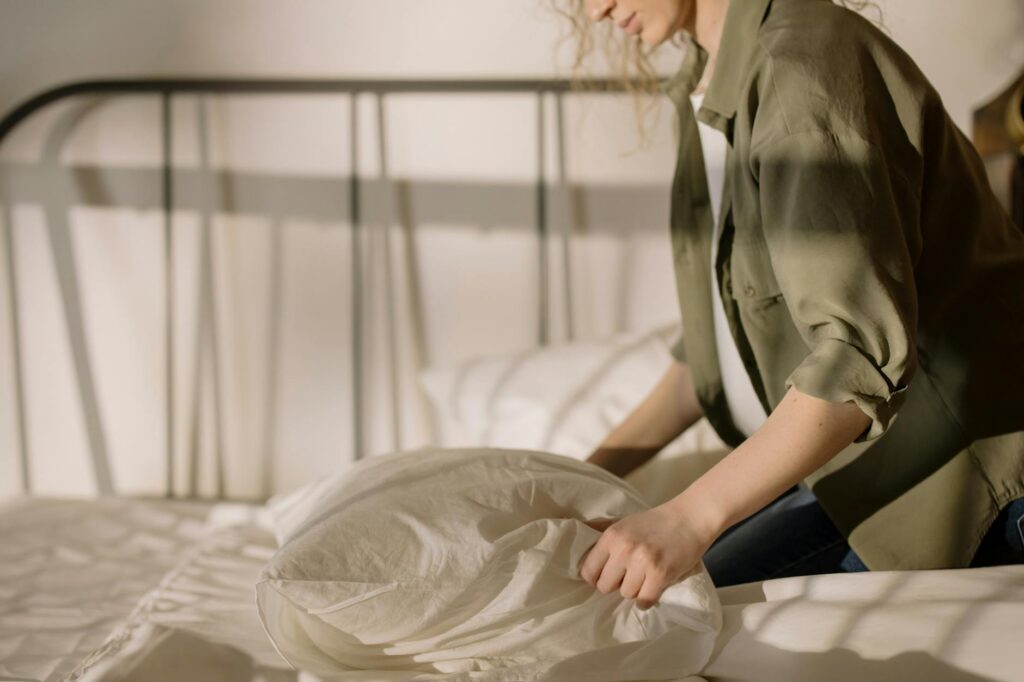
Changing your pillowcase more often — ideally every two to three days — can meaningfully reduce acne breakouts by removing a buildup of oil, dead skin cells, bacteria, and product residue that presses against your face for hours each night. It is not a cure-all, and it won’t replace a solid skincare routine, but dermatologists consistently point to dirty pillowcases as an overlooked contributor to persistent breakouts, especially along the cheeks, jawline, and forehead where contact with the pillow is heaviest. One Reddit user who struggled with stubborn cheek acne for months reported a noticeable improvement within two weeks simply by swapping to a fresh pillowcase every other night — no new products, no prescription changes.
This article goes beyond the basic advice. We will look at exactly why a pillowcase collects so much acne-triggering debris, how often you actually need to change it based on your skin type and environment, which fabrics make the biggest difference, and where this habit fits into a broader acne management plan. We will also cover common mistakes people make when they try this approach, including the false sense of security that comes from thinking a clean pillowcase alone will solve deep hormonal or cystic acne.
Table of Contents
- How Does a Dirty Pillowcase Contribute to Acne Breakouts?
- How Often Should You Really Change Your Pillowcase for Clearer Skin?
- Which Pillowcase Fabrics Are Best for Acne-Prone Skin?
- A Practical Pillowcase Rotation System That Actually Works
- Common Mistakes People Make With Pillowcase Hygiene
- Where Pillowcase Changes Fit in a Complete Acne Routine
- New Research and the Future of Sleep Surface Hygiene
- Conclusion
- Frequently Asked Questions
How Does a Dirty Pillowcase Contribute to Acne Breakouts?
Your face produces sebum around the clock, and during seven to nine hours of sleep, a significant amount of that oil transfers directly onto your pillowcase. Add in sweat, saliva, residue from nighttime skincare products, hair oils, and the dead skin cells your face naturally sheds, and you have a surface that becomes a feeding ground for Cutibacterium acnes — the bacterium most directly linked to inflammatory acne. Each subsequent night, your face re-contacts that cocktail, and the pore-clogging cycle compounds. A 2012 study published in the Journal of Clinical and Aesthetic Dermatology found that surfaces in close, prolonged contact with facial skin can harbor enough bacterial colonies within 48 hours to contribute to comedone formation. The effect is especially pronounced for side sleepers.
If you consistently press the same cheek into the pillow, you may notice that your breakouts are asymmetrical — worse on whichever side you favor. Dermatologist Dr. Whitney Bowe has described this as “acne mechanica meets bacterial transfer,” where the combination of friction and a contaminated surface creates a localized flare. Back sleepers are not immune either, since the forehead and chin still make contact, but the pattern tends to be less concentrated. Comparing a person who changes their pillowcase weekly versus every two days, the difference in bacterial load by day seven is substantial — one study on household textiles found bacterial counts on pillowcases roughly doubled every 24 to 48 hours under normal sleeping conditions.

How Often Should You Really Change Your Pillowcase for Clearer Skin?
The general recommendation from most dermatologists is every two to three days for acne-prone skin. If you have oily skin, live in a humid climate, or use heavy nighttime products like retinol creams or facial oils, every other day may be more appropriate. People with dry, non-acne-prone skin can typically get away with changing once a week without issues. The key variable is how much your skin produces overnight — someone taking isotretinoin, for example, may have such reduced oil production that a twice-weekly change is sufficient, while someone in the middle of a hormonal breakout cycle might benefit from a nightly swap. However, if you are changing your pillowcase daily and still breaking out, the pillowcase is not your primary problem.
Frequent changes address surface-level contamination, but they cannot treat acne driven by hormonal fluctuations, dietary triggers, or medication side effects. A common mistake is over-investing in this one habit while neglecting the basics — like using a non-comedogenic moisturizer or properly removing makeup before bed. Think of pillowcase hygiene as one layer in a defense system, not the entire strategy. Dr. Joshua Zeichner, a New York–based dermatologist, has noted that patients who fixate on external cleanliness while ignoring internal contributors like stress and diet often plateau in their progress.
Which Pillowcase Fabrics Are Best for Acne-Prone Skin?
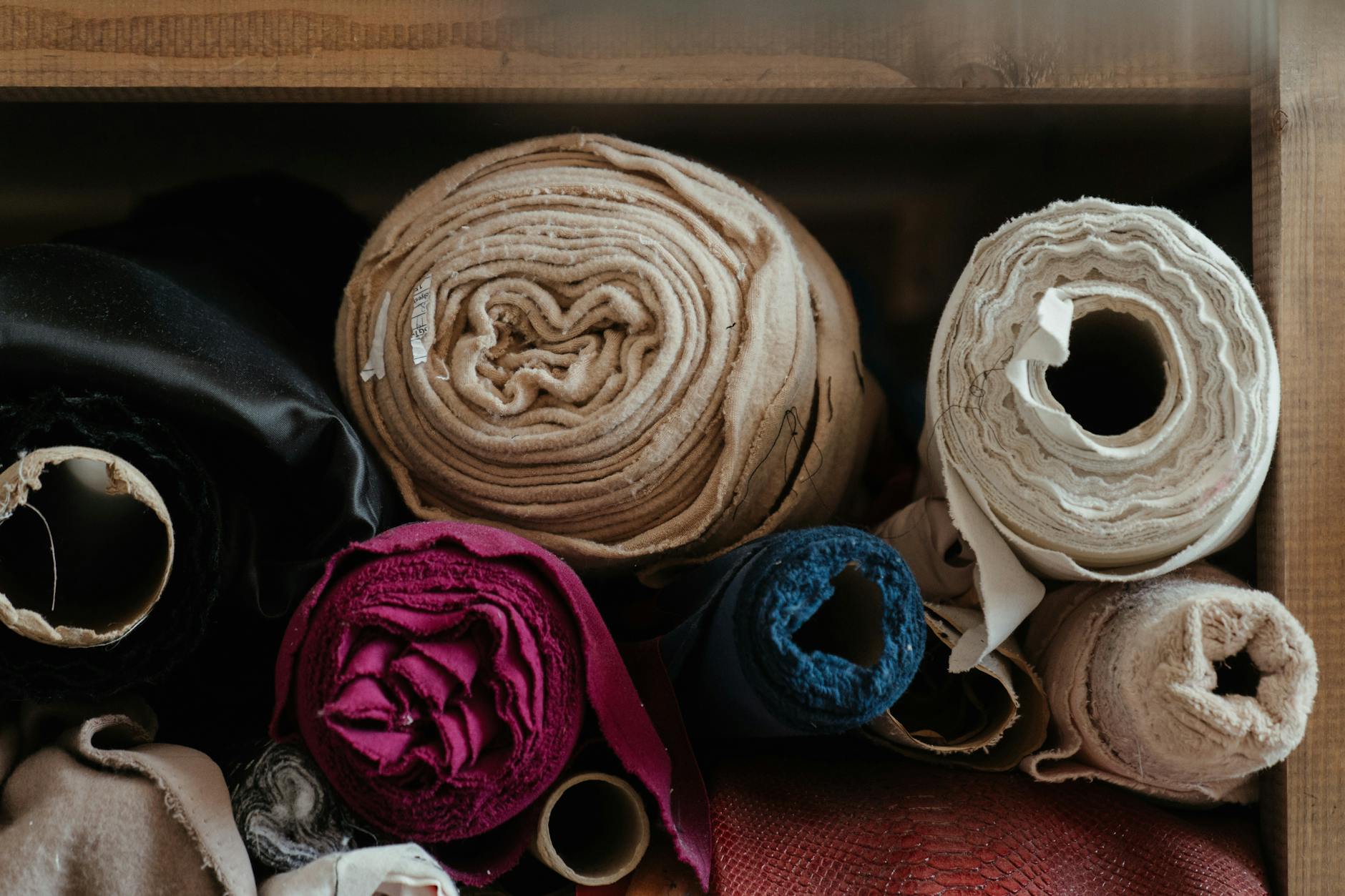
fabric choice matters more than most people realize. Standard cotton pillowcases, while breathable, are highly absorbent — they soak up your skincare products and facial oils, creating a residue layer that builds up quickly even between washes. Silk pillowcases have gained popularity partly because silk is less absorbent than cotton, meaning less product transfer and less bacterial accumulation per night.
A small 2023 dermatology study presented at the American Academy of Dermatology annual meeting suggested that participants using silk pillowcases experienced modestly fewer new comedones over a six-week period compared to those using cotton, though the researchers cautioned that the sample size was limited. Satin — often made from polyester rather than silk — offers a similar low-friction surface at a fraction of the cost, but it does not wick moisture the same way, which can leave your face feeling damp if you sweat at night. Bamboo-derived fabrics have antimicrobial properties and are often marketed to acne sufferers, though the processing required to turn bamboo into fabric can strip many of those natural benefits. For a practical example, someone who switched from a standard cotton pillowcase to a mulberry silk one and maintained the same washing frequency reported to their dermatologist that they noticed fewer clogged pores along the jawline within three weeks — not a dramatic transformation, but a legitimate incremental improvement that complemented their existing routine.
A Practical Pillowcase Rotation System That Actually Works
The biggest barrier to changing your pillowcase frequently is laundry fatigue. Nobody wants to run a wash cycle every two days for a single pillowcase. The simplest solution is to buy a stack of seven to ten inexpensive pillowcases in the same size and rotate through them, washing the full batch once a week. At roughly three to five dollars each for basic cotton cases, the total investment is under fifty dollars for a system that lasts years. Some people use the flip method — sleeping on one side of the pillow for two nights, then flipping it for another two — to stretch a single case to four days.
This works in a pinch, but it is less effective than a true change since both sides accumulate some debris from contact with the pillow insert itself. The tradeoff between silk and cotton becomes relevant here. A rotation of ten silk pillowcases would cost between two hundred and five hundred dollars depending on the brand, which is a significant upfront expense for what amounts to a supplementary acne measure. A more cost-effective approach is to use two or three silk cases in rotation, changing every other day, and washing them on a gentle cycle with mild detergent. Harsh detergents and hot water can break down silk fibers and also leave chemical residues that irritate sensitive skin. If you go the cotton route, wash in warm water with a fragrance-free, dye-free detergent — fragranced laundry products are a surprisingly common trigger for contact dermatitis on the face, which can mimic or worsen acne.
Common Mistakes People Make With Pillowcase Hygiene
One frequent error is washing pillowcases with fabric softener or dryer sheets. These products leave a waxy coating on fabric designed to make it feel softer, but that coating is essentially a thin film of chemicals and oils — exactly what you are trying to keep away from your face. Another mistake is using bleach or aggressive stain removers to sanitize pillowcases, which can leave irritating residues that cause redness and sensitivity, especially for people already using active ingredients like benzoyl peroxide or retinoids in their nighttime routine. Benzoyl peroxide, incidentally, will bleach most colored pillowcases, so white cases are the practical choice if you use that ingredient at night. A subtler mistake is neglecting the pillow insert itself.
Even with frequent pillowcase changes, the pillow underneath absorbs sweat, oil, and allergens over time. Dust mites thrive in pillows, and their waste products are a known inflammatory trigger that can aggravate acne in people with sensitive or reactive skin. Dermatologists recommend replacing pillows every one to two years and using a hypoallergenic pillow protector beneath the pillowcase as an additional barrier. If you change your pillowcase religiously but sleep on a five-year-old pillow with no protector, you are undermining much of the benefit. It is also worth noting that people who sleep with pets on the bed face additional contamination — pet dander and saliva add another layer of potential irritants to the sleeping surface.
Where Pillowcase Changes Fit in a Complete Acne Routine
Pillowcase hygiene is what dermatologists call an “adjunctive measure” — it supports your primary treatment but does not replace it. For someone using a retinoid, a gentle cleanser, and a non-comedogenic moisturizer, regular pillowcase changes can be the detail that tips the balance from lingering mild breakouts to consistently clearer skin. For someone with moderate-to-severe inflammatory or cystic acne, it is unlikely to produce visible results on its own.
A useful analogy is flossing: it matters, it helps, and skipping it will eventually catch up with you, but it cannot substitute for brushing, and it certainly cannot fix a cavity. One scenario where pillowcase changes make a disproportionate difference is for people who have recently cleared their acne through treatment — whether a course of antibiotics, isotretinoin, or a new topical regimen — and want to stay clear. Post-treatment skin is often in a fragile equilibrium, and reintroducing a contaminated pillowcase can be enough to restart the cycle. This maintenance phase is where the habit earns its keep.
New Research and the Future of Sleep Surface Hygiene
The skincare industry is beginning to take sleep surface hygiene more seriously. Several companies now sell pillowcases treated with silver-ion or copper-oxide antimicrobial coatings, which are designed to inhibit bacterial growth on the fabric between washes. Early research on copper-infused textiles, published in the International Journal of Cosmetic Science, showed some promise in reducing bacterial counts, though long-term efficacy and whether the antimicrobial agents survive repeated washing remain open questions.
These products are expensive, often thirty to sixty dollars per case, and the evidence is still preliminary enough that most dermatologists recommend simply changing your pillowcase frequently rather than relying on treated fabrics. Looking ahead, there is growing interest in the broader “sleep hygiene for skin” concept — encompassing not just pillowcases but bedroom humidity levels, mattress cleanliness, and even the temperature of sleeping environments as factors in skin health. As more dermatology research moves beyond topical products and toward the full ecosystem of skin exposure, the pillowcase conversation is likely just the beginning.
Conclusion
Changing your pillowcase every two to three days is one of the simplest, cheapest, and most underrated adjustments you can make for acne-prone skin. It reduces the bacterial load, oil, and debris your face sits in for hours each night, and it is especially effective for people who experience breakouts concentrated on the cheeks, jawline, or forehead. Pairing frequent changes with a suitable fabric — silk or high-quality cotton — and avoiding fabric softeners and harsh detergents amplifies the benefit.
That said, keep perspective. A clean pillowcase supports your skincare routine; it does not replace it. If frequent changes alone are not improving your skin, the root cause likely lies elsewhere — hormones, diet, stress, or an insufficient topical regimen. Start with the pillowcase habit, track your skin for three to four weeks, and use the results to guide your next step, whether that is adjusting your products or seeing a dermatologist for a more targeted treatment plan.
Frequently Asked Questions
Can a dirty pillowcase cause cystic acne?
A dirty pillowcase alone is unlikely to cause cystic acne, which is primarily driven by hormonal factors and deep inflammation. However, bacterial transfer from a contaminated pillowcase can worsen existing cystic acne or trigger new surface-level breakouts alongside it. Keeping your pillowcase clean removes one aggravating factor but will not resolve the hormonal component.
Is it better to change my pillowcase daily or every other day?
Every other day is sufficient for most people with acne-prone skin. Daily changes offer a marginal improvement, but the added laundry burden makes it unsustainable for many. If you have very oily skin or use heavy nighttime products, daily changes may be worth it. Otherwise, every two to three days strikes the right balance between skin benefit and practicality.
Does flipping my pillow count as changing the pillowcase?
It is better than nothing, but not equivalent. The underside of the pillow still accumulates some debris from the pillow insert and from prior use. Flipping can extend usable time in an emergency, but it should not be your long-term strategy.
Should I use a specific detergent for pillowcases?
Use a fragrance-free, dye-free detergent. Fragranced detergents can leave chemical residues that irritate facial skin and potentially trigger contact dermatitis. Avoid fabric softeners and dryer sheets entirely, as they deposit a waxy residue on fabric that can clog pores.
Are antimicrobial or silver-infused pillowcases worth the price?
The research is promising but still limited. These products can reduce bacterial counts between washes, but they cost significantly more and their antimicrobial properties may diminish after repeated washing. For most people, a simple rotation of inexpensive cotton pillowcases changed every two to three days is more cost-effective and equally practical.