
Tiny bumps all over the forehead represent one of the most common yet misunderstood skin concerns that drives people to dermatology offices and skincare aisles worldwide. These small, flesh-colored or slightly red bumps create a rough, uneven texture that becomes especially noticeable in certain lighting conditions, leading many to describe their forehead as looking like sandpaper or chicken skin. Unlike typical acne with visible whiteheads or blackheads, these bumps often lack an obvious center and can number in the dozens or even hundreds across the forehead surface. The frustration surrounding forehead bumps stems largely from their stubborn nature and the confusion about their actual cause. Many people try treating them as regular acne, only to find that traditional spot treatments do nothing or even make the situation worse.
Others assume dry skin is the culprit and pile on heavy moisturizers, inadvertently clogging their pores further. Understanding what actually causes these bumps requires looking beyond surface-level symptoms to examine the specific conditions that create this distinctive texture pattern. By the end of this guide, readers will understand the multiple potential causes behind tiny forehead bumps, from fungal overgrowth to product buildup and hormonal influences. The information covers diagnostic clues to help identify which type of bump is present, evidence-based treatment approaches for each cause, and preventive strategies to maintain smooth forehead skin long-term. Whether these bumps appeared suddenly or have persisted for years, this comprehensive resource provides the knowledge needed to finally address them effectively.
Table of Contents
- Why Do Tiny Bumps Appear All Over the Forehead and What Are They Called?
- Common Causes of Forehead Bumps and How to Identify Each Type
- How Products and Lifestyle Habits Contribute to Forehead Texture Issues
- Effective Treatments to Clear Tiny Bumps on Your Forehead
- When Forehead Bumps Signal Underlying Health Conditions
- The Role of Skin Barrier Health in Preventing Forehead Bumps
- How to Prepare
- How to Apply This
- Expert Tips
- Conclusion
- Frequently Asked Questions
Why Do Tiny Bumps Appear All Over the Forehead and What Are They Called?
The tiny bumps that populate the forehead go by several names depending on their specific cause, but the most common culprits include closed comedones, fungal acne (malassezia folliculitis), milia, and keratosis pilaris. Closed comedones are essentially clogged pores where dead skin cells and sebum become trapped beneath the skin surface, creating small raised bumps without the inflammation or visible pus of regular pimples. These occur frequently on the forehead because this area, as part of the T-zone, produces more oil than other facial regions. Fungal acne, despite its name, differs fundamentally from bacterial acne. This condition develops when Malassezia yeast, which naturally lives on human skin, overgrows within hair follicles and triggers an immune response.
The resulting bumps tend to be uniform in size, intensely itchy, and clustered in areas with high sebum production. Fungal acne bumps typically measure one to two millimeters in diameter and often appear suddenly after conditions that promote yeast growth, such as sweating heavily, taking antibiotics, or spending time in humid environments. The forehead serves as a prime location for these various bump types due to its anatomical characteristics. This area contains a high density of sebaceous glands and hair follicles, creating numerous potential sites for clogging or infection. Additionally, the forehead frequently contacts external irritants including hair products, hats, headbands, and hands, introducing oils, bacteria, and pore-clogging ingredients directly onto the skin. The combination of high oil production and frequent external contact makes the forehead uniquely susceptible to developing textural irregularities.
- Closed comedones form when sebum and dead skin cells block pores beneath the skin surface
- Fungal acne results from yeast overgrowth within hair follicles, causing uniform itchy bumps
- The forehead’s high concentration of oil glands and follicles makes it prone to multiple bump types

Common Causes of Forehead Bumps and How to Identify Each Type
Identifying the specific cause of forehead bumps requires careful observation of their characteristics, triggers, and response to treatment. Closed comedones typically feel slightly firm beneath the skin, appear flesh-colored or slightly lighter than surrounding skin, and persist for weeks or months without coming to a head. They rarely itch and may gradually increase in number if the underlying cause remains unaddressed. These bumps respond to exfoliating acids and retinoids, which help normalize skin cell turnover and clear blocked pores. Fungal acne presents differently, with bumps that tend to be more uniform in appearance and often accompanied by persistent itching, especially when sweating or overheating. This condition may flare after taking oral antibiotics, which kill bacteria that normally compete with yeast for resources on the skin.
Fungal acne does not respond to traditional acne treatments and may actually worsen with products containing fatty acids and oils that feed Malassezia yeast. A telltale sign involves bumps that appear suddenly after a workout or sauna session and concentrate in areas where sweat accumulates. Milia represent another possible cause, appearing as tiny white or yellowish cysts that form when keratin becomes trapped beneath the skin surface. Unlike comedones, milia feel quite hard and do not release contents when pressed. These often develop around the eye area but can appear on the forehead, particularly following skin damage from sun exposure, burns, or aggressive skincare procedures. Keratosis pilaris, though more common on upper arms and thighs, occasionally affects the forehead, creating rough patches of small bumps caused by keratin plugs within hair follicles.
- Closed comedones: flesh-colored, firm, non-itchy bumps that persist for long periods
- Fungal acne: uniform, itchy bumps that worsen with sweating and antibiotics
- Milia: hard white cysts that require professional extraction
How Products and Lifestyle Habits Contribute to Forehead Texture Issues
The skincare and haircare products used daily play a significant role in forehead bump development. Comedogenic ingredients, which have a tendency to clog pores, lurk in many unexpected products including shampoos, conditioners, styling products, and even supposedly non-comedogenic skincare items. When hair products contact the forehead through direct application, product transfer from hair, or rinsing during showers, their potentially pore-clogging ingredients deposit onto the skin. Common offenders include coconut oil, cocoa butter, certain silicones, and heavy waxes found in pomades and styling creams. Lifestyle factors compound these product-related concerns. Wearing hats, helmets, or headbands traps sweat and oil against the forehead while creating friction that can irritate hair follicles. Touching the forehead frequently transfers bacteria, dirt, and oils from hands to this sensitive area.
Sleeping on pillowcases that have accumulated oils, dead skin cells, and product residue reintroduces these pore-clogging substances night after night. Even phone use contributes when the device presses against the forehead or transfers oils during calls. Diet and internal factors also influence forehead skin condition, though their effects vary considerably between individuals. High glycemic foods cause blood sugar spikes that increase insulin and androgen levels, potentially stimulating sebum production. Dairy products contain hormones and bioactive compounds that some research links to acne exacerbation. Stress triggers cortisol release, which not only increases oil production but can also impair skin barrier function and immune response. While these factors rarely cause bumps independently, they often worsen existing conditions or increase susceptibility to breakouts.
- Hair products frequently contain comedogenic ingredients that transfer to forehead skin
- Physical factors like hat-wearing, touching, and dirty pillowcases contribute to bump formation

Effective Treatments to Clear Tiny Bumps on Your Forehead
Treatment approaches must match the specific type of bump present, making accurate identification essential before beginning any regimen. For closed comedones, chemical exfoliation provides the most effective first-line treatment. Salicylic acid, a beta hydroxy acid, penetrates into pores to dissolve the sebum and dead skin cells creating blockages. Products containing two percent salicylic acid applied to the forehead after cleansing can show improvements within four to six weeks of consistent use. Adapalene, a retinoid available over-the-counter, works by normalizing skin cell turnover to prevent new comedones from forming while gradually clearing existing ones. Fungal acne requires an entirely different approach centered on antifungal treatments and yeast-starving protocols. Nizoral shampoo containing two percent ketoconazole can be used as a short-contact mask on the forehead, applied for five to ten minutes before rinsing several times weekly.
Sulfur-based products also possess antifungal properties while absorbing excess oil. During treatment, eliminating products containing fatty acids, oils, and fermented ingredients helps starve the yeast of its preferred food sources. Severe or persistent cases may require prescription oral antifungal medications like fluconazole or itraconazole. For milia and keratosis pilaris affecting the forehead, different strategies prove necessary. Milia rarely resolve on their own and often require professional extraction using a sterile needle or blade to release the trapped keratin. Attempting this at home risks scarring and infection. Keratosis pilaris responds to gentle chemical exfoliation combined with adequate hydration, using products containing urea, lactic acid, or glycolic acid. Alpha hydroxy acids at concentrations of five to ten percent help dissolve the keratin plugs while improving overall skin texture.
- Salicylic acid and retinoids effectively treat closed comedones through pore-clearing action
- Antifungal treatments including ketoconazole address fungal acne specifically
When Forehead Bumps Signal Underlying Health Conditions
Persistent forehead bumps that resist treatment may indicate underlying health conditions requiring medical attention. Hormonal imbalances, particularly those involving androgens, can manifest as stubborn acne and skin texture changes. Polycystic ovary syndrome (PCOS) affects up to twelve percent of women of reproductive age and frequently presents with acne, often concentrated in the lower face but sometimes affecting the forehead. Thyroid dysfunction similarly impacts skin health, with both hypothyroidism and hyperthyroidism potentially contributing to acne-like breakouts. Certain medications list acne or skin eruptions among their side effects. Corticosteroids, lithium, anticonvulsants, and some hormonal contraceptives can trigger or worsen breakouts.
Anabolic steroids and testosterone supplementation commonly cause acne through direct androgenic stimulation of sebaceous glands. Identifying medication-related causes requires honest discussion with healthcare providers, who can sometimes suggest alternatives or adjunct treatments to manage skin side effects. Rarely, persistent uniform bumps across the forehead may represent conditions beyond typical acne variants. Syringomas, benign sweat duct tumors, occasionally cluster on the forehead and require laser treatment or surgical removal. Sebaceous hyperplasia causes small yellowish bumps in areas with dense oil glands. Contact dermatitis from specific ingredients can create bump-like reactions that mimic other conditions. When over-the-counter treatments fail after two to three months of consistent use, dermatological evaluation becomes appropriate to rule out these less common causes and access prescription-strength treatments.
- Hormonal conditions including PCOS can cause persistent acne-type bumps
- Various medications may trigger skin eruptions as side effects
The Role of Skin Barrier Health in Preventing Forehead Bumps
The skin barrier, composed of lipids, proteins, and dead skin cells, functions as the body’s first defense against environmental stressors and microbial invasion. When this barrier becomes compromised through over-exfoliation, harsh cleansers, or environmental damage, the skin loses its ability to regulate moisture and protect against irritants. A weakened barrier leads to increased transepidermal water loss, triggering compensatory oil production that can clog pores and feed yeast. Additionally, micro-tears in damaged skin allow bacteria and yeast easier access to follicles.
Maintaining barrier health requires balancing active treatments with supportive care. While exfoliating acids and retinoids effectively clear bumps, overuse damages the barrier and can paradoxically worsen the condition they were intended to treat. Signs of barrier damage include persistent redness, stinging when applying products, increased sensitivity, and tight or flaky skin. Recovery involves temporarily stopping active ingredients and focusing on gentle cleansing, hydrating serums containing hyaluronic acid or glycerin, and occlusive moisturizers that prevent water loss. Once the barrier heals, active treatments can resume at reduced frequency with careful monitoring for irritation.
How to Prepare
- **Document your current condition** by taking clear photographs of your forehead in natural lighting from multiple angles. Note the approximate number of bumps, their distribution pattern, whether they itch, and any recent changes in products or lifestyle. This baseline allows you to track progress objectively and identify what works.
- **Audit your current products** by examining ingredient lists for common comedogenic substances. Check shampoos, conditioners, styling products, cleansers, moisturizers, and sunscreens. Resources like CosDNA or INCIDecoder help identify potentially problematic ingredients including coconut derivatives, certain silicones, and heavy oils.
- **Determine your bump type** by evaluating characteristics against the descriptions of closed comedones, fungal acne, milia, and keratosis pilaris. Consider factors like uniformity of size, itchiness, recent antibiotic use, and response to any previous treatments. If uncertain, err on the side of starting with gentler approaches.
- **Simplify your routine** by removing all but essential products: a gentle cleanser, basic moisturizer, and sunscreen. This elimination period lasting two to four weeks helps identify whether current products contribute to the problem and provides a clean baseline before introducing treatments.
- **Gather appropriate treatments** based on your likely diagnosis. For suspected closed comedones, acquire a salicylic acid product or adapalene gel. For potential fungal acne, obtain ketoconazole shampoo and check remaining products for yeast-feeding ingredients. Start with one active treatment to assess response before adding others.
How to Apply This
- **Cleanse properly** using a gentle, pH-balanced cleanser morning and evening. Apply to damp skin and massage for at least thirty seconds to adequately remove sunscreen, sebum, and debris. Avoid scrubbing aggressively or using water that is too hot, both of which compromise barrier function.
- **Apply active treatments** to dry skin in a thin layer across the entire forehead rather than spot-treating individual bumps. For salicylic acid products, use once daily initially, preferably at night. For adapalene, begin every other night and gradually increase frequency as tolerated. For antifungal treatments, follow product-specific instructions regarding contact time.
- **Layer hydrating products** after treatments have absorbed, typically waiting five to ten minutes. Choose lightweight, non-comedogenic formulations containing humectants like glycerin or hyaluronic acid. Those with fungal acne should verify moisturizer ingredients against safe product databases.
- **Protect with sunscreen** every morning using a formula appropriate for your condition. Mineral sunscreens with zinc oxide tend to work well for acne-prone and fungal acne-affected skin. Apply as the final skincare step, ensuring adequate coverage across the forehead where treatments may increase sun sensitivity.
Expert Tips
- **Rinse your face after washing hair** to remove any residue from shampoo and conditioner that may have deposited on the forehead. Better yet, wash your face as the final step of showering to ensure all rinse-off products are fully cleared.
- **Change pillowcases at least twice weekly** or use a fresh towel over your pillow nightly. Silk or satin pillowcases create less friction and absorb less product than cotton, potentially reducing forehead irritation.
- **Introduce only one new product every two weeks** to accurately identify any that cause reactions or improvement. When adding multiple products simultaneously, determining which one helped or harmed becomes impossible.
- **Consider the fungal acne possibility** if bumps appeared after antibiotics, humidity exposure, or heavy sweating, and if they respond poorly to traditional acne treatments. Many people treat the wrong condition for months before considering this alternative diagnosis.
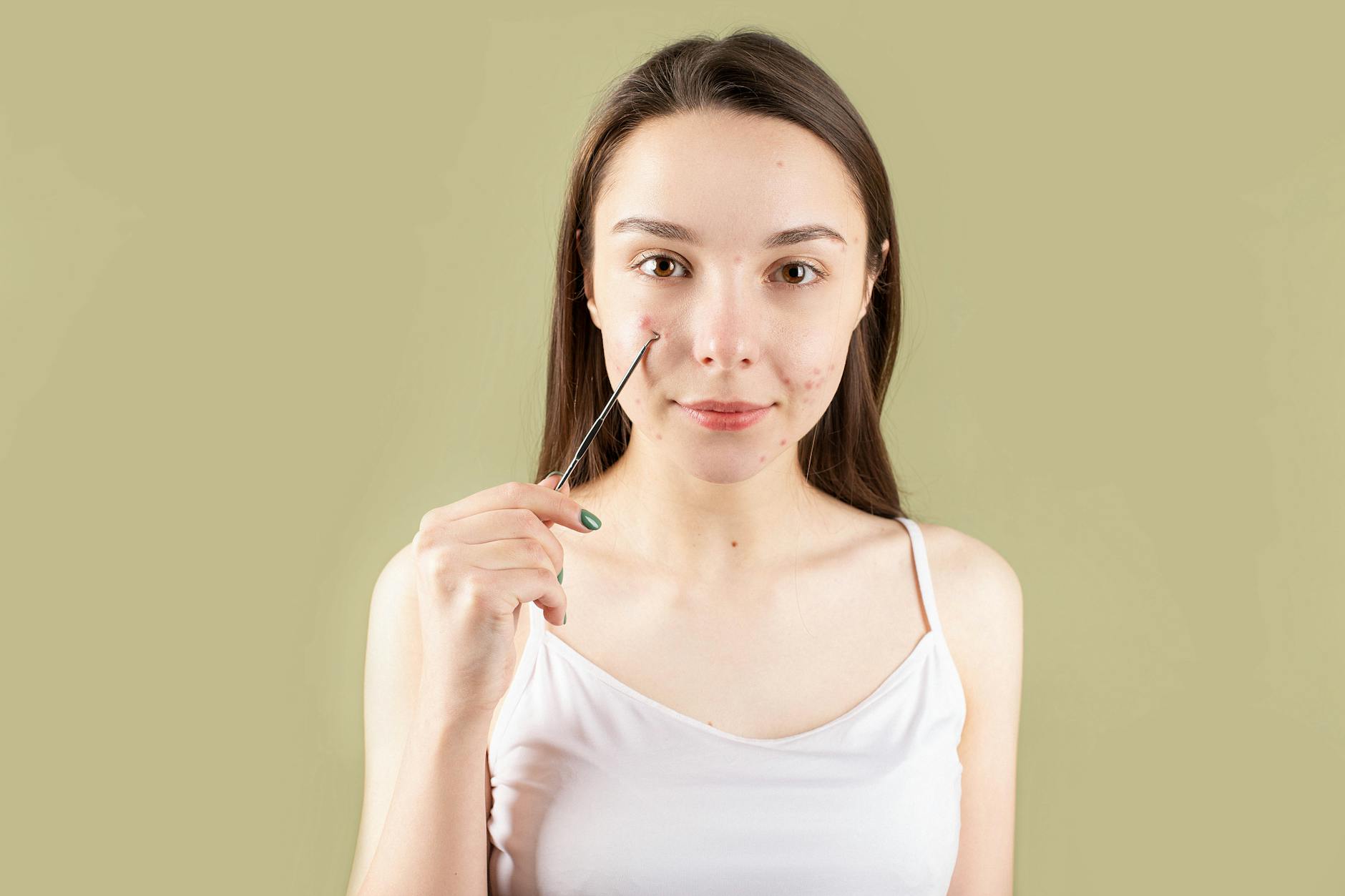
- **Resist the urge to extract** bumps manually, which typically worsens inflammation, introduces bacteria, and risks scarring. The exception is professional extraction of milia by trained aestheticians or dermatologists using proper sterile technique.
Conclusion
Understanding what causes tiny bumps all over the forehead transforms the frustrating experience of treating mystery skin texture into a strategic process with clear direction. Whether the culprit proves to be closed comedones, fungal overgrowth, product-related congestion, or a combination of factors, identifying the specific cause unlocks access to targeted treatments that actually work. This knowledge prevents the common mistake of cycling through random products, wasting money and time while potentially aggravating the condition.
The path to clearer forehead skin requires patience, as most effective treatments need four to twelve weeks of consistent use before showing significant results. During this time, maintaining a simplified routine, tracking progress through photographs, and avoiding the temptation to add new products prematurely all contribute to success. Those whose bumps persist despite appropriate treatment should seek professional dermatological evaluation to explore prescription options or rule out less common underlying causes. Clear, smooth forehead skin is achievable for most people once they understand what they are actually treating and commit to an evidence-based approach.
Frequently Asked Questions
How long does it typically take to see results?
Results vary depending on individual circumstances, but most people begin to see meaningful progress within 4-8 weeks of consistent effort. Patience and persistence are key factors in achieving lasting outcomes.
Is this approach suitable for beginners?
Yes, this approach works well for beginners when implemented gradually. Starting with the fundamentals and building up over time leads to better long-term results than trying to do everything at once.
What are the most common mistakes to avoid?
The most common mistakes include rushing the process, skipping foundational steps, and failing to track progress. Taking a methodical approach and learning from both successes and setbacks leads to better outcomes.
How can I measure my progress effectively?
Set specific, measurable goals at the outset and track relevant metrics regularly. Keep a journal or log to document your journey, and periodically review your progress against your initial objectives.
When should I seek professional help?
Consider consulting a professional if you encounter persistent challenges, need specialized expertise, or want to accelerate your progress. Professional guidance can provide valuable insights and help you avoid costly mistakes.
What resources do you recommend for further learning?
Look for reputable sources in the field, including industry publications, expert blogs, and educational courses. Joining communities of practitioners can also provide valuable peer support and knowledge sharing.