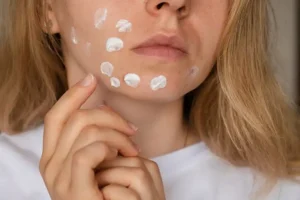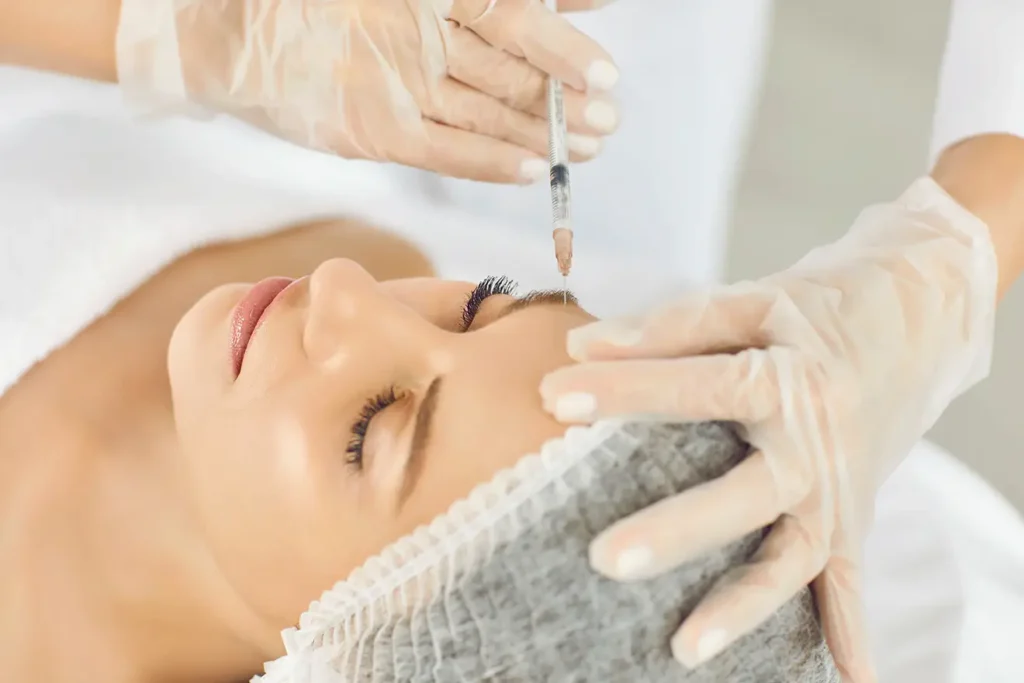
Sudden acne breakouts in adults can feel confusing and frustrating, especially if you thought pimples were only a teenage problem. In reality, many adults develop new or recurring acne because several hidden factors come together at once and overwhelm the skin.
At the root of almost all acne is the same basic process. Oil glands in the skin produce more sebum than your pores can handle. Dead skin cells stick to this oil and clog the pore. Bacteria that normally live on the skin then multiply inside this plugged pore, which leads to redness, swelling, and visible breakouts.[1][4] What changes from person to person are the triggers that suddenly push this process into overdrive.
One of the most common causes of sudden breakouts in adults is hormonal change. Hormones called androgens, including testosterone, can make oil glands more active. When androgen levels rise or your skin becomes more sensitive to them, your oil glands produce extra oil that mixes with dead skin cells and clogs pores.[2] This is why many women notice flares around their menstrual cycle, during pregnancy, after childbirth, or as they enter perimenopause. Stopping or starting birth control pills, or having conditions like polycystic ovary syndrome, can also cause new hormonal acne in adulthood.[2][3]
Hormonal shifts are not limited to women. Men and women of any age can experience spikes or changes in hormone balance due to stress, illness, medications, or natural aging. Even if blood tests show hormone levels in the normal range, some people have oil glands that are especially sensitive to these hormones, often because of their genetics.[2] If close family members struggled with adult acne, you may be more likely to have sudden breakouts yourself.
Stress is another powerful trigger for abrupt acne flares. When you are under pressure, your body produces more cortisol, often called the stress hormone. Higher cortisol can disturb other hormones that control oil production, leading to more sebum, clogged pores, and increased inflammation in the skin.[2][3] Many adults notice that big life changes, tight work deadlines, or emotional strain are followed by a sudden wave of new pimples, especially along the jawline and lower face.
Everyday products and habits can also cause breakouts to appear quickly. Heavy or comedogenic skin care, sunscreen, or makeup can block pores and trap oil, particularly if they are not thoroughly removed at night.[1] Hair products that contain oils or waxes can trigger pimples along the hairline or on the back and shoulders. Overwashing the face, scrubbing too hard, or using harsh soaps can irritate the skin barrier, which makes the skin more inflamed and prone to acne instead of cleaner.[1][2] Many adults develop sudden breakouts when they change their skin care routine, try new cosmetics, or start using thick creams that are not labeled noncomedogenic.
Diet and lifestyle changes may also play a role for some adults. Foods that cause sharp spikes in blood sugar, such as sugary snacks, refined carbohydrates, and some processed foods, can raise insulin levels. Higher insulin has been linked to more sebum production and a greater chance of clogged pores.[3] Certain people notice that dairy products, especially skim milk, seem to worsen their acne, possibly due to hormones and growth factors in milk.[3] While diet does not cause acne by itself, a shift toward more high glycemic foods or more dairy can tip the balance in someone who is already prone to breakouts.
Medications and medical conditions can trigger sudden acne as well. Some drugs that affect hormones, such as certain birth control methods, steroids, or testosterone supplements, may increase oil production. Other medications, including some used for mental health or neurological conditions, can occasionally bring on acne-like eruptions as a side effect. In addition, disorders that affect hormones, like polycystic ovary syndrome or thyroid problems, can show up on the skin through unexpected breakouts in adulthood.[2][4] When acne appears soon after starting a new medicine or along with other new symptoms, it is important to mention this to a health professional.
The pattern of adult acne can look different from teenage acne and this sometimes makes a sudden flare feel especially alarming. Adult breakouts tend to concentrate around the lower face, jawline, and neck, and they often involve deep, painful bumps under the skin that take a long time to heal and may scar more easily.[2][3] The overall skin surface may not seem as oily as in adolescence, which can make people doubt that acne is the problem, but the underlying process of clogged, inflamed pores is the same.[1][3]
Environmental and daily-life factors add to the mix. Lack of sleep can disturb hormones and slow skin repair, which makes existing clogged pores more likely to turn into visible pimples.[1] Wearing tight clothing or sports gear, such as helmets or straps, can trap sweat and friction against the skin and trigger acne in those areas. Humid weather and heavy sweating can cause pores to swell and block more easily. Sudden changes in routine, such as traveling, changing jobs, or switching to shift work, often combine stress, sleep disruption, and new products, which together can produce abrupt breakouts.
It is also common for adults who never had significant acne as teenagers to be caught off guard when their skin changes. Clear skin during youth does not guarantee clear skin forever. As hormones shift, stress accumulates, and skin care habits evolve, the balance that once kept pores clear can be lost. Many people do not realize that adult acne is extremely common and that flare ups can start in the 20s, 30s, 40s, or even later.[2][3]
The good news is that sudden adult acne is usually treatable once the main triggers are identified. A dermatologist can help sort out whether hormones, products, medications, or other factors are likely causes, then suggest treatments that target excess oil, clogged pores, bacteria, and inflammation.[1][4] Gentle daily cleansing, noncomedogenic products, and consistent use of appropriate topical or prescription treatments often make a significant difference over time. Because adult acne is often deep and slow to heal, getting early, tailored care can reduce the risk of long lasting marks and scarring.[1][2]
Sources
https://www.advanceddermatologypc.com/conditions/acne/
https://www.penndermspecialists.com/hormonal-acne-after-30-why-your-skin-changed-and-what-dermatologists-recommend-now/
https://www.oreateai.com/blog/understandin
Expert Insight
This article was reviewed by skincare professionals who specialize in acne treatment and skin health. The information provided is based on current dermatological research and clinical best practices.