What Causes Slow Skin Regeneration After Breakouts
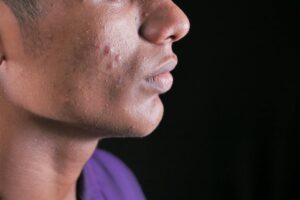
When your skin takes a long time to heal after pimples or acne, it leaves behind marks, redness, or even scars. This slow regeneration happens because the skin’s repair process gets blocked by several common factors. Understanding these can help you support faster healing.
Age plays a big role. As we get older, skin cells turn over more slowly. In younger people, skin renews every 28 days, but in adults it can take 40 to 60 days. Adult skin also has fewer active fibroblasts, the cells that make collagen, and weaker blood supply, which means less oxygen and nutrients reach the damaged area.
Deep inflammation from cystic acne or nodules damages tissue below the surface. This injury disrupts collagen production, leading to uneven repair. If inflammation lasts longer or happens repeatedly in the same spot, the skin struggles even more to rebuild smoothly.
Picking or squeezing pimples adds extra trauma. It increases swelling and turns simple red marks into deeper damage that heals poorly.
Sun exposure makes things worse. UV rays weaken collagen over time, darken pigmentation, and slow fading. Without sunscreen, marks can take twice as long to improve and may darken further.
Lifestyle choices slow down repair too. Poor sleep cuts collagen production. Chronic stress raises hormones that fuel inflammation. Environmental pollutants create oxidative stress, harming skin cells. Smoking, alcohol, bad nutrition, or dehydration all weaken the skin barrier and delay healing.
Hormonal changes from stress, periods, pregnancy, or conditions like PCOS keep inflammation going longer, preventing stable healing.
Inconsistent skincare routines interrupt the process. Overusing harsh products, switching treatments often, or skipping basics like moisturizer damages the barrier, making skin drier, more sensitive, and slower to recover.
Medications or too many active ingredients layered together can thin the skin or cause irritation, further slowing regeneration.
Genetics and skin type influence this too. Oily skin or certain tones are more prone to uneven healing and discoloration after inflammation.
Sources
https://www.london-dermatology-centre.co.uk/blog/adult-acne-scarring/
https://www.pokonut.com/blogs/pokonut-blogs/how-long-does-it-take-for-acne-scars-to-fade
https://naturalimageskincenter.com/can-you-get-microneedling-with-active-breakouts-or-acne/
https://heartaestheticshobart.com.au/skin-concerns/acne-scarring/
https://www.kins-clinic.com/blogs/acne-marks-or-acne-scars-understanding-the-difference-and-management-options
https://drsambunting.com/en-us/blogs/sam-bunting/how-to-fix-adult-acne
https://vegoutmag.com/lifestyle/r-t-people-who-maintain-clear-skin-past-40-almost-always-avoid-these-8-common-skincare-mistakes/
https://worldofasaya.com/blogs/acne/essential-checklist-healing-skin-texture-after-acne