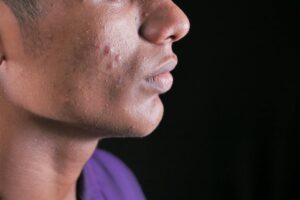
Skin inflammation happens when your skin gets red, swollen, or itchy without any germs like bacteria or viruses causing an infection. This kind of reaction comes from your body’s own responses to everyday triggers.
One big reason is a weak skin barrier. Your skin acts like a shield to keep out irritants and hold in moisture. When this barrier breaks down, often from dry air or too much washing, it lets in things that spark inflammation. Lack of hydration makes this worse, leaving skin dry and prone to flare-ups.[1][3]
Allergies and irritants play a key role too. Harsh soaps, detergents, fragrances, wool fabrics, or even pet dander can touch the skin and cause a reaction. These contact triggers lead to conditions like contact dermatitis, where the skin puffs up without infection.[5][6]
Your immune system can go haywire and attack healthy skin. In psoriasis, it targets normal tissues, causing thick red patches. Eczema often links to an overactive immune response, not a full autoimmune attack, but it still brings itchy rashes. Mast cells, which release chemicals like histamine, can overreact to stress, temperature shifts, or insect stings, leading to swelling.[2][3][4][7]
Genetics set the stage for many cases. If your family has eczema or similar issues, you might inherit a faulty protein called filaggrin that weakens the skin barrier from birth. This makes skin extra sensitive to triggers.[2][3][6]
Lifestyle and environment add fuel. Chronic stress, poor sleep, bad diet, or lack of exercise raise body-wide inflammation that shows up on the skin. Pollution, UV rays, and extreme weather damage the skin’s defenses. Even gut problems, like imbalances from diet, can send signals that inflame skin from inside.[1][8]
Microbial shifts on the skin surface, not full infections, disrupt balance. Overwashing or antibiotics can let yeast or bacteria overgrow mildly, prompting redness without true sickness. Conditions like rosacea or acne often stem from this chronic low-level response.[1]
Hormone changes or issues like insulin resistance with age can quietly build inflammation over time. Sudden triggers like exercise or alcohol might set off hives that linger without a clear cause.[4][7][8]
Sources:
https://seacra.com/blogs/skin-within/chronic-inflammation
https://plushcare.com/blog/what-is-skin-inflammation
https://www.goodrx.com/conditions/eczema/is-eczema-an-autoimmune-disease
https://www.mayoclinic.org/diseases-conditions/systemic-mastocytosis/symptoms-causes/syc-20352859
https://ubiehealth.com/doctors-note/rough-skin-patch-causes-dry-eczema-itch-patches-42121exp1
https://www.advanceddermatologypc.com/conditions/eczema/
https://allergyasthmanetwork.org/chronic-urticaria/csu/
https://www.ipsy.com/blog/what-is-inflammaging