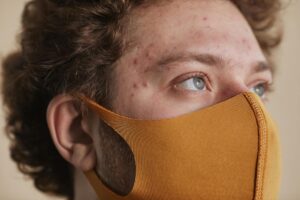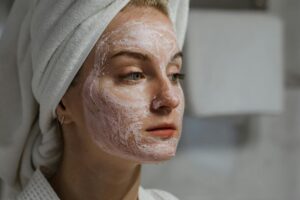
Redness lingering after acne heals is caused by dilated blood vessels and inflammation that persists in the skin even after the pimple itself has closed. When acne forms, the body sends increased blood flow to fight the infection and initiate healing, creating that characteristic redness. Once the acne bacteria clears and the pore closes, these blood vessels don’t immediately return to their normal diameter—they remain enlarged and visible at the skin’s surface for weeks or months afterward.
This condition, called post-inflammatory erythema, is temporary but frustratingly persistent, especially for someone who cleared an angry breakout only to face an equally visible red mark. This article explores why your skin looks like it still has acne weeks after the blemish has actually healed, how long you can expect that redness to stick around, and which treatments actually speed up the fading process. We’ll also cover the difference between red marks and brown marks, the mistakes that keep redness visible longer than necessary, and realistic timelines for what to expect based on skin type and acne severity.
Table of Contents
- Why Does Red Discoloration Remain After Pimples Heal?
- Post-Inflammatory Erythema Versus Post-Inflammatory Hyperpigmentation
- How Long Does Post-Acne Redness Typically Last?
- Treatments That Can Accelerate Healing of Red Acne Marks
- Common Mistakes That Slow Down the Fading Process
- Understanding Individual Healing Variations
- Looking Forward—Advanced Treatments and Prevention
- Conclusion
- Frequently Asked Questions
Why Does Red Discoloration Remain After Pimples Heal?
Post-inflammatory erythema occurs because acne inflammation triggers a cascade of biological responses that don’t switch off immediately once the bacteria is gone. During an active pimple, your immune system floods the area with increased blood supply and inflammatory compounds like cytokines and prostaglandins. These chemicals dilate the blood vessels surrounding the acne site so white blood cells can access the infection more effectively. Even after the pore closes and the bacteria is eliminated, those blood vessels remain dilated for an extended period.
The skin needs time to gradually restrict those vessels back to baseline, which is why the redness fades slowly rather than disappearing overnight. The severity of the initial acne determines how long this vascular response lasts. A small whitehead causes minimal inflammation, so redness typically fades within a few days to a week. A large cystic pimple, by contrast, triggers an aggressive inflammatory response that can leave visible redness for two to three months or longer. Your skin type also matters—people with deeper skin tones may experience more noticeable redness because the color contrast against their complexion can appear more vivid, while the actual vascular dilation is the same.
Post-Inflammatory Erythema Versus Post-Inflammatory Hyperpigmentation
Two different types of marks can linger after acne heals, and they require different approaches. Post-inflammatory erythema is the red or pink mark caused by those dilated blood vessels we discussed—it’s purely vascular and fades as vessels return to normal size. Post-inflammatory hyperpigmentation, by contrast, is brown, tan, or purple discoloration caused by excess melanin deposition in the skin. Hyperpigmentation typically lasts much longer than erythema, sometimes persisting for several months or even years, especially in darker skin tones where melanin production is naturally higher.
The frustrating part is that one pimple can leave both types of marks at the same time. The surrounding area might be red from inflammation while the center develops brown discoloration from melanin. Treatments that work for erythema—like retinoids and vitamin C—won’t fade the brown marks as effectively, and vice versa. If you‘re seeing brown marks that don’t fade after the redness does, that’s hyperpigmentation and requires dedicated treatment like niacinamide, azelaic acid, or professional treatments like laser therapy. However, if you aggressively treat hyperpigmentation with harsh actives before it’s fully resolved, you risk deepening the inflammation and actually prolonging the discoloration.
How Long Does Post-Acne Redness Typically Last?
The timeline varies dramatically depending on the depth and severity of inflammation. Surface-level inflammatory acne—like papules and pustules—typically leaves redness that fades within one to two weeks. Deep cystic acne, which inflames the dermis (the skin layer beneath the surface), can create redness lasting three to six months or longer because the inflammation is deeper and the body takes longer to fully resolve it. Individual healing varies based on skin type, age, and overall skin health.
Younger skin with good circulation and collagen production typically heals faster—sometimes cutting the typical timeline in half. Older skin or skin with compromised barrier function may take 50% longer because the healing process is naturally slower. If you had severe acne that covered large portions of your face, expect redness across those areas to persist for three to four months rather than a few weeks, even if individual pimples heal quickly. For example, someone who had moderate breakout along their jawline might see individual red marks fade in two weeks, but general redness across the entire jaw area might take two months to fully disappear.

Treatments That Can Accelerate Healing of Red Acne Marks
Several treatments actively speed the fading of post-inflammatory erythema by either reducing inflammation, promoting skin turnover, or supporting the vascular normalization process. Retinoids (both prescription and over-the-counter versions) are among the most effective options because they increase skin cell turnover and strengthen the skin’s overall healing capacity. Studies show retinoid use can reduce the visibility of post-acne redness by 30-50% within eight to twelve weeks. The tradeoff is that retinoids can irritate acne-prone skin initially and make redness temporarily appear worse before it improves.
Niacinamide (vitamin B3) reduces inflammation and supports the skin barrier, which helps calm the vascular response and can fade redness more gently than retinoids—making it better for sensitive skin. Vitamin C serum has antioxidant properties that reduce inflammatory compounds and support collagen synthesis, though results are more modest than with retinoids. Azelaic acid offers dual benefits: it reduces inflammation and also prevents the transition from erythema to permanent hyperpigmentation, making it valuable for anyone prone to brown marks. For faster results, professional treatments like LED light therapy (particularly red or near-infrared light), laser therapy, or IPL (intense pulsed light) can reduce post-inflammatory erythema in four to six weeks compared to the typical three to six month timeline. However, these professional treatments range from $200-1000 per session and may require multiple sessions, while topical treatments cost $20-60 and take longer to show results.
Common Mistakes That Slow Down the Fading Process
The biggest mistake is continuing to irritate the skin after the acne heals. Many people assume that red marks mean active acne and continue using strong acne treatments like benzoyl peroxide or salicylic acid, which further irritates the skin and prolongs the inflammatory response. Once visible acne is gone and only redness remains, switch to gentler, healing-focused products. If you keep assaulting the skin with actives, you’re essentially re-triggering inflammation and resetting the healing clock.
Another common error is picking at or touching healing acne, which creates secondary inflammation and extends the timeline for redness to fade. Even after the pimple is gone, the skin is still in an active healing phase beneath the surface. Picking can deepen the wound and create scarring, which is permanent and much worse than temporary redness. Additionally, failing to protect the skin from sun exposure with SPF significantly prolongs post-acne redness because UV exposure stimulates inflammation and melanin production. Studies show that acne-prone skin exposed to UV without SPF can experience 50% slower fading of red marks compared to skin that’s protected.
Understanding Individual Healing Variations
Some people’s skin bounces back in weeks while others struggle with visible redness for months, and this comes down to both genetics and lifestyle factors. People with naturally robust collagen production and strong circulation heal faster because their skin can efficiently restore normal blood vessel function. Those with compromised skin barriers, chronic inflammation conditions (like rosacea or eczema), or poor circulation tend to experience prolonged post-acne redness.
Smoking, high stress, poor sleep, and inadequate nutrition all slow skin healing because they reduce blood flow and immune function. Age is a significant factor—teenagers and people in their twenties typically see post-acne redness fade within the typical timeline, while people over forty may take 20-30% longer because skin cell turnover naturally slows with age. Someone in their forties with deep cystic acne might experience redness lasting five to seven months rather than three to four months. This doesn’t mean older skin can’t heal well; it simply means the timeline is longer, which makes early prevention through gentle skincare and sun protection even more important.
Looking Forward—Advanced Treatments and Prevention
As dermatological technology advances, new treatments are emerging that target post-acne redness more efficiently. Combination therapies—pairing topical treatments with professional procedures—are showing promise for cutting healing time in half. For example, using a retinoid or azelaic acid daily while undergoing monthly LED light therapy sessions can fade redness in two to three months rather than six. Newer laser technologies like selective photothermolysis are becoming more precise, reducing the risk of side effects while improving results.
The most effective long-term strategy, however, remains prevention. Treating acne aggressively when it’s active—with appropriate topical treatments, professional facials, or dermatological interventions—means less severe inflammation and shorter post-acne redness timelines. The deeper and more inflamed the acne is allowed to become, the longer the redness lingers afterward. Building a consistent, gentle skincare routine with sun protection also significantly reduces the appearance of residual redness because it prevents the secondary inflammation that UV exposure causes.
Conclusion
Post-inflammatory erythema—the redness that lingers after acne heals—is caused by dilated blood vessels that take weeks or months to return to their normal state. For minor breakouts, expect redness to fade within one to two weeks, but for deeper, more severe acne, plan on three to six months. The timeline depends on acne severity, skin type, age, and how well you support your skin’s healing process through gentle care and sun protection.
To accelerate fading, focus on anti-inflammatory treatments like retinoids, niacinamide, azelaic acid, or professional light-based therapies, while avoiding the common mistakes of continued irritation, sun exposure, and picking. If redness persists beyond six months or if you’re also seeing brown discoloration, consult a dermatologist to rule out scarring or hyperpigmentation that requires different treatment approaches. The key takeaway is that post-acne redness is temporary—it will fade on its own—but using the right strategies can significantly shorten that timeline.
Frequently Asked Questions
Is red acne scar permanent?
Most post-inflammatory erythema is temporary and will fade within three to six months. However, if the acne caused actual scarring (indented or raised texture changes), that requires professional treatment and won’t fade on its own. True scars look like physical indentations or raised tissue, not just discoloration.
Can I cover red acne marks with makeup while they heal?
Yes, color-correcting concealers and full-coverage foundations can effectively cover red marks temporarily. Use a green-tinted color corrector first (green neutralizes red), then apply foundation. However, makeup alone doesn’t speed healing—use it as a confidence tool while you’re also treating the underlying redness with topical or professional treatments.
Will going in the sun make red acne marks worse?
Yes, UV exposure intensifies post-acne redness because it stimulates inflammation and blood vessel dilation in the affected area. It can also convert red marks into brown hyperpigmentation marks, which last much longer. Always use SPF 30+ when you have visible post-acne redness.
How quickly do retinoids fade post-acne redness?
Retinoids typically show noticeable improvement within four to eight weeks of consistent use, with more significant results by twelve weeks. Results depend on the retinoid strength, skin sensitivity, and whether you’re using it alongside other complementary treatments.
Can red acne marks come back after they fade?
No, once post-inflammatory erythema fully fades, it doesn’t return. However, if you develop new acne in the same area, new red marks will appear. This is why preventing future breakouts is important—not because faded marks return, but because new marks are always a risk if acne isn’t controlled.
Is there a difference between red marks on different parts of the face?
Red marks on the face (especially cheeks and forehead) may fade slightly slower than marks on the body because facial skin is thinner and more vascularized, meaning redness is more visible. Marks along the jawline or chin tend to linger longer if that’s an area where you experience repeated breakouts, because chronic inflammation in that zone keeps the skin more reactive.