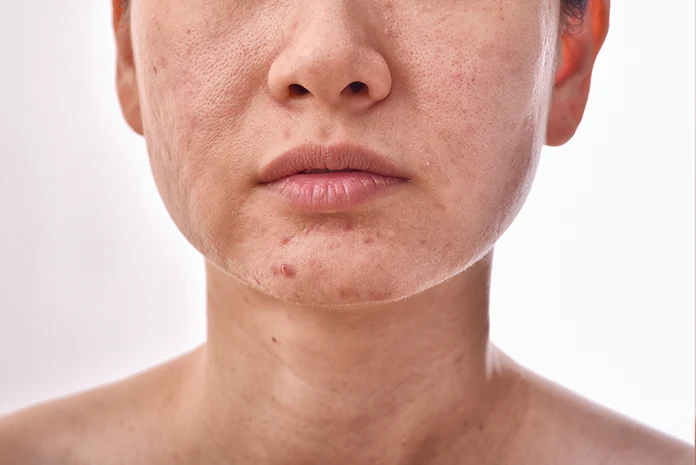
What Causes Persistent Breakouts in Adults
Many adults deal with breakouts that just will not go away, even after their teenage years. These stubborn pimples often show up as red bumps, deep cysts, or whiteheads along the jawline and chin, unlike the forehead zits common in teens. The main culprits behind these ongoing issues are a mix of hormones, daily habits, and skin reactions that clog pores and spark inflammation.
Hormones top the list of reasons adults keep breaking out. In women especially, shifts from menstrual cycles, pregnancy, menopause, or stopping birth control can ramp up oil production from glands deep in the skin. Conditions like polycystic ovarian syndrome, or PCOS, raise androgen levels, those male hormones that make skin oilier and pores more prone to clogs. Men can face this too from stress or other imbalances, but it hits women harder after age 25.
Stress plays a big sneaky role by cranking up those same hormones. When life gets hectic, your body pumps out more cortisol, which tells oil glands to overwork. Pair that with poor sleep, and breakouts flare worse because skin repairs itself slower at night.
Diet sneaks in as another trigger for some people. Foods high in sugar, like sodas and pastries, or dairy such as milk and whey protein, can spike insulin and boost oil. Not everyone reacts this way, but tracking what you eat might reveal patterns in your flare-ups.
Everyday products and routines add fuel to the fire. Heavy makeup, hair oils, or thick creams trap oil and dead skin cells inside pores. Sweat from workouts, dirty pillowcases, or friction from masks and helmets create the perfect spot for bacteria to grow. Even washing your face too much strips the skin barrier, making it produce extra oil to fight back.
Inside the skin, breakouts start weeks before you see them. Oil mixes with dead cells to plug pores, then bacteria like Cutibacterium acnes thrive in the mess, causing swelling and pus. Deep cystic types form over eight to twelve weeks underground, leading to painful lumps that scar if popped.
Locations give clues too. Jawline and chin spots scream hormones, while cheeks might point to cosmetics or phones. These patterns repeat because adult skin is often drier and more sensitive than teen skin, reacting stronger to the same triggers.
Sources
https://www.doctorrogers.com/blogs/blog/acne-pimples-101-why-we-break-out-what-s-actually-going-on-and-how-to-handle-it-like-a-dermatologist
https://www.chevychasedermatology.com/blog/acne-treatments/adult-acne-vs-teen-acne-why-breakouts-dont-always-end-after-high-school
https://www.tuftsmedicine.org/about-us/news/acne-over-30
https://renotahoederm.com/when-its-time-to-see-a-dermatologist-for-acne-in-reno-nv/
https://fashionmagazine.com/beauty-grooming/adult-acne-causes-treatments/
https://drsambunting.com/en-us/blogs/sam-bunting/how-to-fix-adult-acne