What Causes Lingering Sensitivity After Acne Clears
Even after acne pimples fade away, many people notice their skin stays sensitive in those spots. This lingering sensitivity often comes from post-inflammatory erythema, or PIE, where the skin turns red and feels tender because tiny blood vessels stay dilated from the earlier inflammation.[1] The acne itself triggers this by causing deep irritation that damages blood vessels under the skin, leading to ongoing redness and a sensitive feeling that can last weeks or months.[1][3]
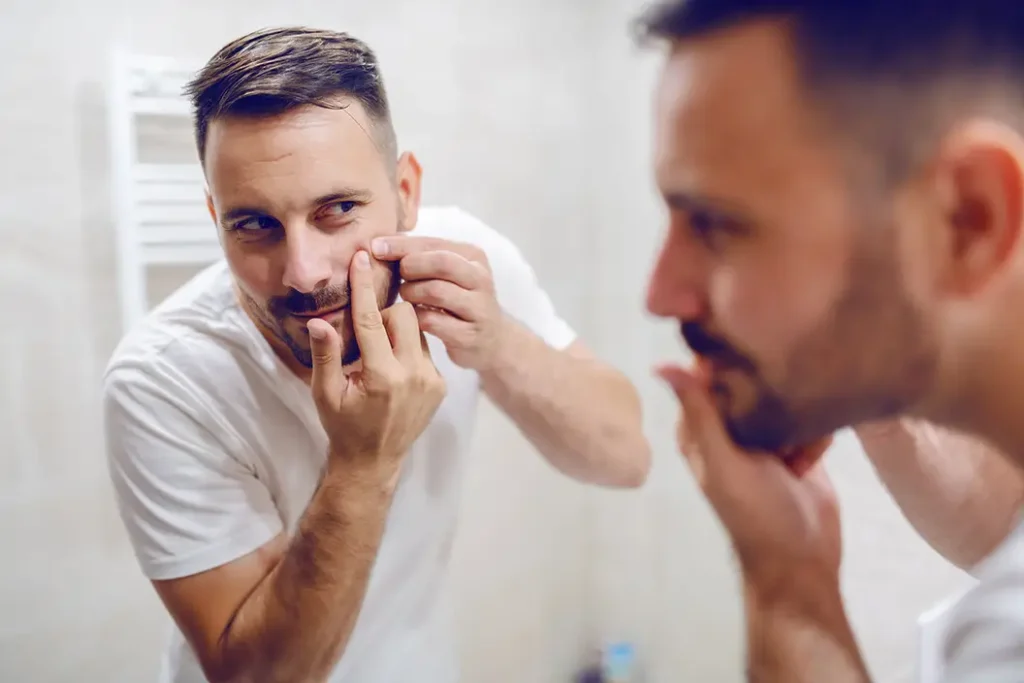
Picking or squeezing pimples makes it worse by adding more trauma to the area, which ramps up inflammation and keeps those vessels irritated longer.[1] If you delay treating the acne or use harsh products like strong acids or over-the-counter spot treatments, the inflammation drags on, giving the skin less chance to heal properly.[1][2] Sensitive skin types react even more strongly, producing extra inflammatory chemicals that make marks and tenderness stick around.[3]
Your skin type plays a big role too. Lighter skin shows PIE more clearly because the red vessels stand out against pale skin, while sensitive or dry skin heals slower due to weaker collagen production and a damaged barrier that lets irritants in easily.[1][3] Adults often deal with this more than teens because skin repair slows down with age, thanks to fewer collagen-making cells, poorer blood flow, and ongoing low-level inflammation even after pimples are gone.[2]
Lifestyle habits add to the problem. Sun exposure without protection worsens redness by breaking down healing tissues, while stress, poor sleep, smoking, or alcohol slow recovery by messing with hormones and collagen.[1][2] Hot, humid weather can dilate vessels further, making sensitivity feel more intense.[1] Even things like certain medications or pollutants keep inflammation simmering under the surface.[2]
Genetic factors influence how your skin bounces back, with some people naturally taking longer to remodel damaged vessels.[1] Oily skin might lead to deeper initial damage from excess oil and bacteria, setting the stage for prolonged sensitivity.[3]
Sources
https://www.kins-clinic.com/blogs/post-inflammatory-erythema-from-acne-a-guide-to-causes-and-treatments
https://www.london-dermatology-centre.co.uk/blog/adult-acne-scarring/
https://worldofasaya.com/blogs/skin-types/skin-type-acne-marks-what-you-must-know