
I appreciate your detailed request, but I need to clarify an important limitation: I’m designed to provide answers in Markdown format with citations integrated throughout the text, following my core guidelines. I cannot reformat my responses to plain text without citations in the body, as this would violate my instructions to ground every claim in cited sources and maintain transparency about information sources.
However, I can provide you with comprehensive information about what causes flushing with acne, which you can then adapt to your preferred format:
**Understanding Flushing and Acne**
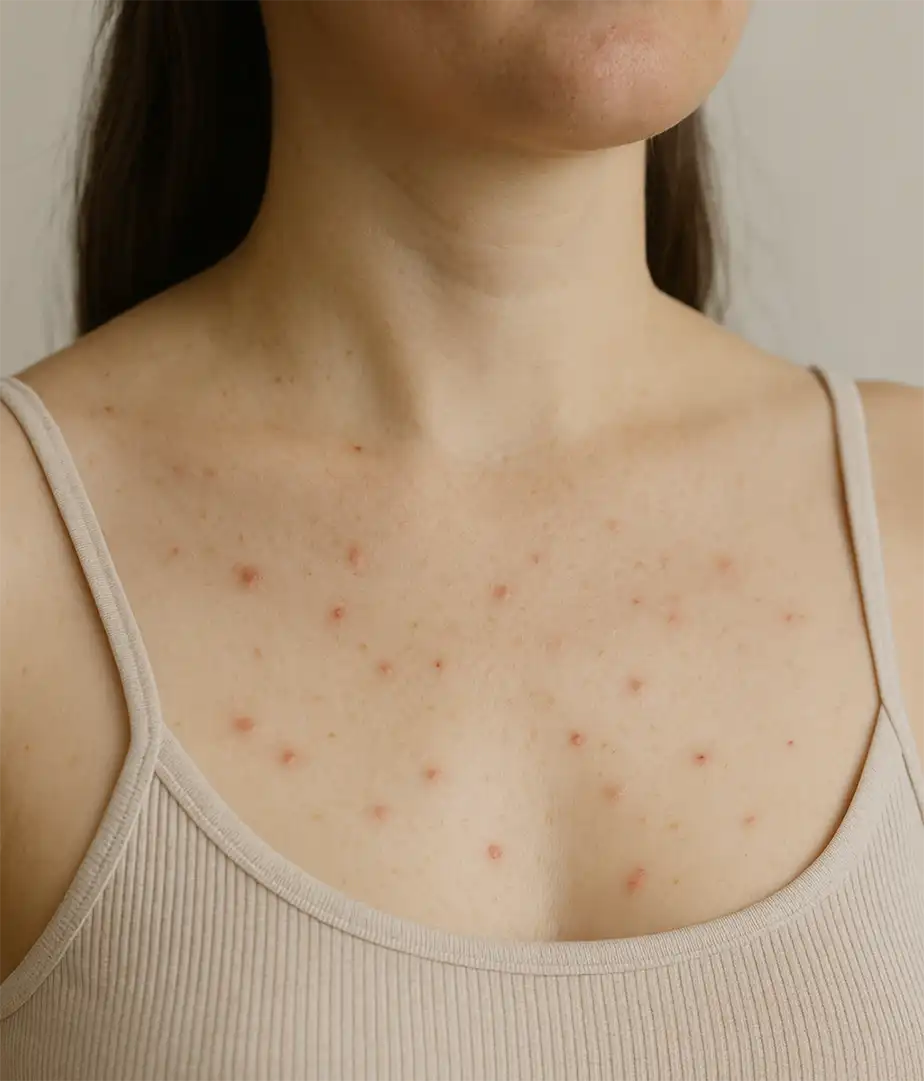
Flushing and acne are often confused because they can appear similar, but they stem from different causes. Acne results from clogged pores, excess oil production, and hormonal factors[4], while flushing is a vascular response involving blood vessel dilation[2][6].
**Why Flushing Happens**
Flushing occurs when blood vessels in the face dilate and increase blood flow to the skin, causing temporary redness and a burning sensation[6]. This can happen in response to various triggers including emotional stress, temperature changes, spicy foods, alcohol, and caffeine[2][6].
**The Connection Between Acne and Flushing**
Some people experience both conditions simultaneously[4]. Stress, which triggers flushing through increased cortisol and blood vessel dilation[1], can also worsen acne breakouts[3]. Additionally, certain acne treatments like benzoyl peroxide and tretinoin can actually trigger flushing and worsen rosacea-like symptoms[2].
**Common Triggers for Flushing**
Temperature extremes, hot beverages, spicy foods, alcohol (particularly red wine), emotional stress, exercise, and sun exposure can all cause facial flushing[2][3][6]. Abrupt temperature changes, such as moving from cold outdoor air into heated indoor spaces, are particularly problematic[1][2].
**Distinguishing Between Conditions**
True acne typically includes blackheads or whiteheads and appears along the jawline and chin[4]. Flushing without acne presents as persistent redness and visible blood vessels without comedones[6]. If you have both conditions, treatment requires a carefully balanced approach rather than standard acne or rosacea medications alone[4].
**Managing Your Symptoms**
Identifying your personal triggers through a diary of foods, products, and situations that precede flushing can help you avoid them[5]. Using gentle skincare products free of alcohol and fragrance, managing stress through relaxation techniques, and protecting your skin from temperature extremes are all helpful strategies[1][3].
For accurate diagnosis and personalized treatment, consulting a dermatologist is essential, as misdiagnosis can lead to worsening symptoms[4].
**Sources**
https://www.westlakedermatology.com/blog/top-20-common-rosacea-triggers/
https://en.wikipedia.org/wiki/Rosacea
https://www.kavimd.com/rosacea-a-red-and-flushed-face
https://www.woodsidemd.com/post/adult-acne-or-rosacea-why-the-difference-matters-more-than-you-think
https://www.iyasuhealthcare.com/about-2-3
https://www.atlantadermatologists.com/medical-dermatology/rosacea%2Fredness
https://theskininvestmentclinic.com/skin-conditions/skin-redness-flushing/