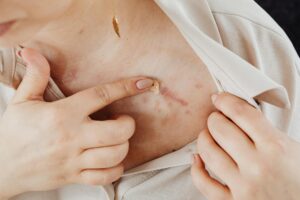
Dark acne marks form primarily due to post-inflammatory hyperpigmentation (PIH), a condition where excess melanin accumulates in the skin as it heals from acne inflammation. When acne lesions damage the skin, your body initiates an inflammatory response that can overstimulate melanocytes—the cells responsible for producing melanin. Instead of returning to normal pigment production once the pimple heals, these cells continue producing melanin, creating darker patches that linger long after the acne itself has disappeared. For example, someone with a deep cystic breakout along their jawline might see the pimple heal within two weeks, but the dark mark persists for months because the melanin production hasn’t normalized.
These marks occur because your skin is trying to protect itself from further damage. Inflammation triggers the release of cytokines and growth factors that signal melanocytes to produce more pigment as a protective mechanism. This response is particularly pronounced in people with darker or olive skin tones, where melanocytes are naturally more active and responsive to inflammatory signals. This article explains the biological mechanisms behind dark acne marks, why some people are more susceptible, what factors make them worse, and evidence-based strategies to prevent or minimize them.
Table of Contents
- How Inflammation Damages Skin and Creates Lasting Pigmentation
- Why Darker Skin Tones Show More Prominent Dark Acne Marks
- Post-Inflammatory Hyperpigmentation vs. Post-Inflammatory Erythema and Other Residual Marks
- Why Early Treatment Prevents Dark Marks from Forming in the First Place
- Factors That Worsen or Extend Dark Acne Marks
- How Improper Extraction and Skin Damage Deepen Pigmentation Issues
- The Natural Timeline of Dark Acne Marks and When Professional Help May Be Needed
- Conclusion
- Frequently Asked Questions
How Inflammation Damages Skin and Creates Lasting Pigmentation
The journey from acne to dark marks begins with the initial breakout. When bacteria colonize your pores and sebum accumulates, your immune system responds with inflammation—that redness and swelling you see around a pimple. This inflammatory response involves the release of prostaglandins and cytokines that increase blood flow and recruit immune cells to the area. While this inflammation is necessary to clear the infection, it also signals your skin cells that the area has been damaged and needs protection.
During the healing phase, melanocytes respond to inflammatory signals by increasing melanin synthesis. This is an evolutionary protective response: extra pigment shields the healing skin from UV radiation, which could cause further damage. However, the problem arises when melanin production doesn’t downregulate properly once healing is complete. In some individuals, particularly those with genetic predispositions or certain skin tones, this excess melanin remains in the epidermis or deposits in deeper layers, creating visible dark marks. A person who had a moderate acne outbreak might notice that while their pores have closed and redness has faded, the pigmentation changes persist because the melanin hasn’t been metabolized or shed as skin naturally renews itself.
Why Darker Skin Tones Show More Prominent Dark Acne Marks
Post-inflammatory hyperpigmentation is significantly more common and visible in people with darker, olive, or brown skin tones. This isn’t because darker skin is weaker or more prone to acne—it’s because melanocytes in darker skin types are naturally more numerous and more responsive to inflammatory stimuli. When inflammation signals reach melanocytes in darker skin, the cells produce melanin more abundantly and for longer periods than in lighter skin types. The contrast between the marked area and surrounding skin is also more noticeable simply due to the baseline pigmentation differences.
Additionally, deeper skin types have more melanin distributed throughout the epidermis and dermis, meaning pigmentation can deposit at multiple skin layers. When PIH occurs in lighter skin, the mark may be relatively superficial; in darker skin, the pigmentation can extend deeper, making it harder to treat and longer to fade naturally. However, this doesn’t mean light skin is immune—post-inflammatory erythema (persistent redness) is actually more common in lighter skin, which can be equally frustrating, though it typically fades faster than hyperpigmentation. The key difference is visibility and duration: darker marks on brown skin can take 6–12 months or longer to fade, while lighter skin’s red marks might resolve in 3–6 months.
Post-Inflammatory Hyperpigmentation vs. Post-Inflammatory Erythema and Other Residual Marks
Not all acne marks are the same, and understanding the difference matters because treatment approaches vary. Post-inflammatory hyperpigmentation (PIH) is the dark or brown discoloration that results from excess melanin, and it’s most common in darker skin tones. Post-inflammatory erythema (PIE) is persistent redness that occurs when tiny blood vessels remain dilated after acne heals, and it’s more common in lighter skin. A person recovering from severe acne might experience both simultaneously: red marks from erythema plus dark marks from hyperpigmentation, especially if they have combination skin tones or if some lesions were deeper than others.
There’s also the distinction between flat pigmentation changes (hyperpigmentation/erythema) and textured scarring (atrophic or rolling scars), which involve actual loss of collagen and require different treatment approaches. Hyperpigmentation is technically reversible because it involves color change, not structural damage—the skin hasn’t lost volume or collagen. This is important because it means hyperpigmentation can fade over time with proper care, whereas true scarring cannot resolve without professional procedures like microneedling or laser treatment. Understanding which type of mark you have determines whether to focus on healing and prevention or whether professional intervention is necessary.

Why Early Treatment Prevents Dark Marks from Forming in the First Place
The most effective strategy against dark acne marks is prevention—stopping them from forming before hyperpigmentation becomes entrenched. This begins with treating acne quickly and reducing inflammation as early as possible. Using non-comedogenic products, gentle cleansing, and appropriate acne treatments (benzoyl peroxide, salicylic acid, or retinoids) can significantly minimize the depth and duration of acne lesions. The shorter the timeframe that acne is present, the less time inflammatory signals have to overstimulate melanocytes.
Someone who treats a pimple within 48 hours of noticing it is far less likely to develop a dark mark compared to someone who lets it persist for weeks. Additionally, rigorous sun protection during and immediately after acne is critical because UV exposure intensifies melanin production and darkens any marks that are forming. The combination of inflammation plus UV exposure creates a perfect storm for hyperpigmentation: the inflammatory signals are already telling melanocytes to produce more melanin, and sun exposure amplifies that response. Sunscreen with at least SPF 30 (preferably broad-spectrum SPF 50) should be applied daily during acne breakouts, even on cloudy days. However, if someone has already developed dark marks, sunscreen becomes even more essential because UV exposure can darken existing marks further, extending the healing timeline from months to potentially a year or longer.
Factors That Worsen or Extend Dark Acne Marks
Several behaviors and circumstances can make dark marks worse or longer-lasting. Picking or squeezing acne is one of the most significant culprits. When you manipulate a pimple, you increase inflammation, damage deeper skin layers, and provide more stimulus for melanocyte activation. Someone with a small comedone that would naturally shed in a few days might cause permanent hyperpigmentation by extracting it incorrectly. Additionally, heat and friction—from tight clothing, excessive sweating during workouts, or irritating skincare products—can perpetuate inflammation and delay healing.
Hormonal fluctuations, particularly during menstruation or when taking certain medications, can intensify acne severity and the resulting inflammatory response. Smoking and poor diet also compromise skin healing because they reduce blood flow and nutrient delivery to healing tissue. Inadequate sleep impairs your body’s ability to regulate inflammation and produce collagen for repair. Harsh skincare routines or overuse of actives like retinoids and chemical exfoliants during breakouts can irritate skin further and extend healing time. The warning here is that while dark marks are primarily a result of acne itself, how you treat (or mistreat) your skin during and after breakouts significantly influences the severity and duration of marks. Someone with identical acne severity might have minimal marks if they protect their skin carefully, or severe, long-lasting marks if they pick, stay in the sun, and use irritating products.

How Improper Extraction and Skin Damage Deepen Pigmentation Issues
Extracting or picking at acne causes mechanical trauma that compounds the inflammatory response. When you apply pressure to a pimple, you rupture the lesion walls, forcing bacteria and inflammatory material deeper into the skin or spreading it to surrounding tissue. This extended inflammation means more signals reaching melanocytes, more melanin production, and potentially darker or wider marks. Additionally, extraction wounds create their own healing process, which means the skin goes through inflammation twice: once from the original acne and again from the extraction damage.
A concrete example: someone with a small blackhead might apply finger pressure to extract it, causing visible bleeding and creating a scab. That same person might have simply left the blackhead alone, treated it with salicylic acid, and let it shed naturally within a week with minimal inflammation. Instead, the extraction wound takes two weeks to heal, triggers significant melanocyte activity, and results in a mark that lasts months. This is why dermatologists emphasize that prevention through proper acne treatment is far more effective than trying to extract without professional equipment. If extraction is necessary, it should only be done by professionals using sterile tools designed to minimize trauma.
The Natural Timeline of Dark Acne Marks and When Professional Help May Be Needed
Dark acne marks follow a predictable but patient timeline. In the weeks immediately following acne healing, the mark appears darkest because fresh melanin is present and the skin is still slightly inflamed. Over the following weeks and months, the mark gradually lightens as the skin naturally sheds layers (desquamation) and melanin is metabolized and cleared. For lighter skin types, PIE (redness) often fades significantly within 6 months.
For darker skin types with PIH (dark marks), the timeline is longer: superficial marks may fade in 6–9 months, while deeper hyperpigmentation can take 12–24 months or longer. However, this natural fading assumes proper care: consistent sunscreen use, avoiding picking, minimizing inflammation, and not exposing the area to additional trauma. If marks aren’t fading after 6 months despite proper care, or if they’re severe enough to affect confidence, professional treatments become reasonable options. Dermatologists can offer therapies like laser treatment (particularly for PIH), chemical peels, microdermabrasion, or prescription-strength brightening agents like hydroquinone or tretinoin to accelerate fading. The timeline also matters psychologically: knowing that dark marks will eventually fade naturally can reduce the urge to pick or use harsh treatments, which ironically can make marks worse.
Conclusion
Dark acne marks form because inflammation from acne overstimulates melanin production, and the body’s protective response doesn’t automatically turn off once healing is complete. They’re particularly common and visible in darker skin tones due to naturally higher melanocyte activity and responsiveness to inflammatory signals. The best strategy is prevention: treat acne early and aggressively, protect skin from sun exposure, avoid picking, and minimize inflammation through gentle, evidence-based skincare.
If dark marks have already formed, the combination of sun protection, time, and possibly professional treatments can help fade them. Understanding that these marks are a normal part of acne healing—not a permanent defect—can reduce the anxiety around them and prevent the picking and irritation that often makes them worse. Patience, consistent care, and knowing when to seek professional help are the keys to managing dark acne marks effectively.
Frequently Asked Questions
How long does it take for dark acne marks to fade on darker skin?
Most dark marks fade noticeably within 6–9 months with proper sun protection and care, but deeper pigmentation can take 12–24 months. Consistent sunscreen use (SPF 50+) and avoiding picking accelerate fading; sun exposure and skin irritation slow it.
Can I use vitamin C or niacinamide to fade dark acne marks faster?
Both have some evidence supporting their use: vitamin C stimulates collagen and has antioxidant properties, while niacinamide reduces inflammation and supports skin barrier function. However, they work gradually—expect visible improvements over 8–12 weeks at best. They’re more effective as preventatives or alongside other treatments than as standalone solutions for established marks.
Are dark acne marks permanent, or do they always fade eventually?
True post-inflammatory hyperpigmentation (color change without structural damage) always fades eventually because it involves only pigment, not collagen loss. However, if acne caused actual scarring or very deep pigmentation, fading can take years without professional treatment. If marks aren’t improving after 6 months of consistent care, consult a dermatologist.
Should I avoid sun exposure completely if I have dark acne marks?
Avoid direct sun during peak hours (10 a.m.–4 p.m.), but complete sun avoidance isn’t practical or healthy. Instead, use broad-spectrum SPF 50+ sunscreen daily, reapply every 2 hours when outdoors, wear protective clothing if needed, and avoid tanning beds. Even brief unprotected sun exposure can darken existing marks.
Does picking a scab off acne make dark marks worse?
Yes, significantly. Picking removes the healing layer prematurely, extends the inflammatory response, and causes additional melanocyte stimulation. It can turn a mark that would fade in 6 months into one that lasts 12+ months. If a scab forms, let it shed naturally—don’t force it.
Can prescription retinoids or tretinoin help fade dark acne marks?
Tretinoin (Retin-A) can help by increasing cell turnover, promoting even pigment distribution, and supporting collagen remodeling. However, it requires months of consistent use and can be irritating initially, so it’s best used under dermatologist supervision. It’s more effective for prevention than for established marks but can still provide modest improvements over time.