
Overnight breakouts that spread quickly typically result from the proliferation of Cutibacterium acnes (C. acnes), a naturally occurring bacterium on your skin that becomes problematic when it colonizes clogged pores and triggers an inflammatory response. While C.
acnes exists on everyone’s skin, certain conditions—especially during sleep when bacteria and dirt accumulate on bedding, when stress elevates cortisol levels and increases oil production, and when warmer skin temperature makes the bacteria more metabolically active—create an environment where the bacteria thrives and spreads rapidly to adjacent follicles. The transformation from clear skin to a cluster of inflamed lesions overnight can feel like it happens in hours because bacterial biofilms form quickly, the bacteria releases inflammatory enzymes, and the immune system’s response accelerates the visible signs of infection. This article explains the bacterial mechanisms behind overnight breakouts, why certain factors cause them to spread aggressively, how to distinguish between typical acne and serious infection, and what you can do to prevent them from happening repeatedly.
Table of Contents
- Why Do Pimples Appear Suddenly Overnight and Spread Rapidly Across Your Skin?
- How Cutibacterium Acnes Creates Deep Inflammation and Spreads to Multiple Pores
- The Role of Stress, Sleep, and Temperature in Triggering Overnight Breakouts
- How Biofilms and Bacterial Strains Make Breakouts Spread Faster Than Expected
- Warning Signs That Your Spreading Breakout May Be a Serious Bacterial Infection
- Skin Dysbiosis and Why Some People Experience Chronic Overnight Breakouts
- Understanding Your Breakout Pattern to Prevent Future Overnight Breakouts
- Conclusion
Why Do Pimples Appear Suddenly Overnight and Spread Rapidly Across Your Skin?
The reason a breakout can appear to develop overnight is that Cutibacterium acnes doesn’t require days to establish itself in a follicle—it can trigger inflammation within hours once conditions align. your skin sheds dead cells and produces oil continuously, but during sleep, bacteria and dirt from your pillowcase seep into pores while your skin remains in close contact with the bedding for 6-8 hours. Meanwhile, excess sebum (oil) accumulates and blocks the follicle, creating an anaerobic (oxygen-free) environment where C. acnes thrives. The bacteria begins colonizing the follicle and releases enzymes called proteases that break down proteins in your skin, triggering an immune response that manifests as redness, swelling, and the white or yellow pustule head you see in the mirror the next morning. What makes overnight breakouts particularly frustrating is how quickly they spread to neighboring follicles, turning a single blemish into a cluster.
C. acnes forms biofilms—sticky, organized clumps of bacteria that attach to pore walls and protect the bacteria from your skin’s natural defenses and from topical treatments. These biofilms act like bacterial colonies that spread to adjacent follicles through shared pore networks. Additionally, the proteases the bacteria releases don’t stay localized to one pore; they penetrate into surrounding tissue and trigger a cascade of inflammation that makes nearby pores more vulnerable to colonization. For example, if a clogged pore on your cheek becomes infected with C. acnes, the inflammatory response and bacterial enzymes can compromise the barrier of nearby pores, causing what started as one or two blemishes to become five or six within 12-24 hours.

How Cutibacterium Acnes Creates Deep Inflammation and Spreads to Multiple Pores
C. acnes is particularly effective at spreading because it doesn’t just sit passively in a follicle—it actively produces virulence factors (substances that enhance its ability to damage tissue and evade immune responses). The proteases break down proteins in your skin’s barrier and in the follicle walls, which allows the bacteria to penetrate deeper and also allows inflammatory molecules from your immune system to diffuse into surrounding tissue. This is why you might notice that a pimple becomes more painful and swollen over several hours rather than simply appearing and plateauing; the bacteria is actively triggering escalating inflammation. The immune response involves white blood cells gathering at the site and releasing cytokines (inflammatory signaling molecules), which causes the characteristic redness, warmth, and swelling.
However, the spread isn’t purely biological—your own actions significantly accelerate it. Hand contact transfers dirt, oils, and additional bacteria to your face, and if you touch multiple areas of your face or rest your cheek on your hand, you’re spreading the bacteria and creating new infection sites. Even more problematic is picking or squeezing a breakout, which ruptures the follicle wall and forces bacteria, oil, and dead skin cells into surrounding tissue. This creates an open wound that can become secondarily infected with other bacteria like Staphylococcus aureus. Not all C. acnes strains are equally aggressive; certain strains (Type IB and Type II) are more likely to cause deep tissue infections and trigger stronger inflammatory responses, which is why some people’s breakouts spread rapidly while others experience slower, milder blemishes from the same environmental trigger.
The Role of Stress, Sleep, and Temperature in Triggering Overnight Breakouts
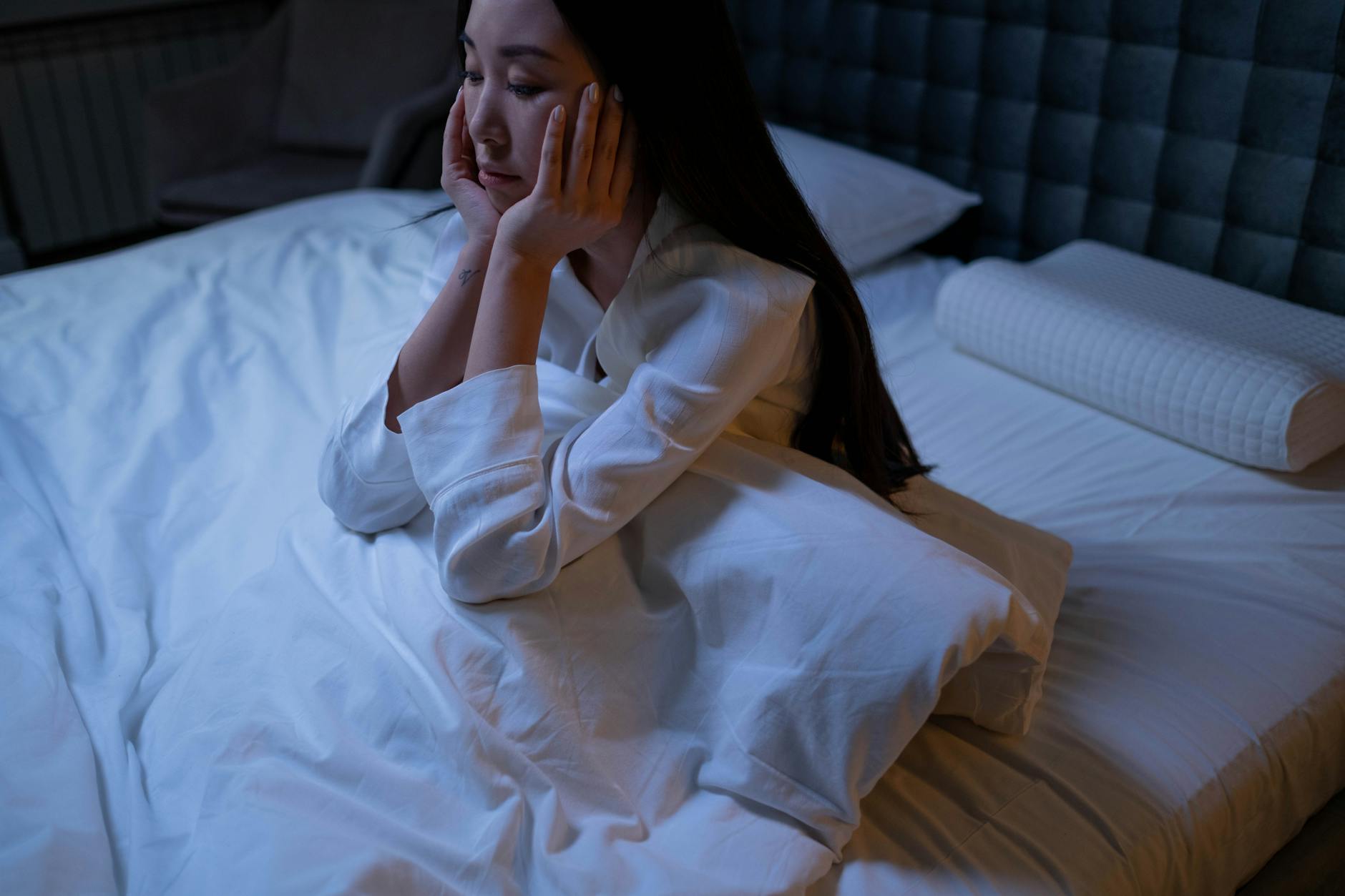
Your sleep environment and hormonal state directly influence how quickly breakouts develop. Stress increases cortisol and other hormones that signal your oil glands (sebaceous glands) to produce excess sebum. This oil accumulates throughout the day, but during sleep when your skin is stationary and in contact with your pillowcase for hours, the combination of increased sebum production and prolonged bacterial exposure creates the ideal breeding ground for C. acnes. Additionally, your skin temperature is naturally warmer during sleep than when you’re awake and moving around; this elevated temperature increases the metabolic activity of C. acnes, making the bacteria replicate faster and produce more of the inflammatory enzymes that damage skin.
A common real-world pattern is that people with high stress often wake up with new breakouts, whereas the same individuals experience fewer overnight breakouts during calmer periods. The pillowcase itself plays an underestimated role in overnight breakout development. Your pillowcase collects dead skin cells, bacteria, sweat, and any bacteria from your hands or face—essentially creating a bacterial culture medium that comes into contact with your skin for an extended period. Cotton pillowcases retain more moisture and bacteria than silk or satin, and if the pillowcase isn’t washed regularly, the bacterial load increases. However, even changing pillowcase material won’t prevent breakouts entirely if you’re dealing with hormonal factors or dietary triggers, which is why addressing the broader picture—stress management, sleep quality, diet, and skincare routine—matters more than any single intervention. For someone prone to overnight breakouts, washing pillowcases every 2-3 days can help, but it’s not a substitute for addressing underlying factors like sebum production and bacterial colonization.
How Biofilms and Bacterial Strains Make Breakouts Spread Faster Than Expected
Biofilms are where the real danger lies in terms of rapid breakout spread. A biofilm is a self-produced matrix of sticky proteins and carbohydrates that bacteria secrete, essentially creating a protective fortress around themselves. Once C. acnes establishes a biofilm in a clogged follicle, the bacteria inside the biofilm are far more resistant to your skin’s natural antimicrobial peptides and to topical acne treatments. More importantly, biofilms don’t stay isolated to one follicle; they can extend along hair follicle networks and shared pore structures, allowing bacteria to spread to adjacent follicles that are still in the early stages of colonization. This is why a breakout can go from three to ten pimples overnight—the biofilm in the original lesion is actively spreading through follicle networks to seed new infections nearby. The specific strain of C.
acnes you’re dealing with influences how aggressively it spreads. Type IB and Type II strains produce more virulence factors and are more likely to trigger deep-tissue infections compared to other strains. These strains are also more effective at forming biofilms and disseminating to neighboring follicles. If you have a tendency toward rapid, spreading breakouts while others using the same skincare products experience only isolated blemishes, you may have inherited or been colonized with a more virulent strain. Genetic factors also play a role; your skin’s own inflammatory response capacity (determined partly by genetics) influences how aggressive your reaction to C. acnes colonization is. Someone with a strong Th17-mediated immune response (a type of immune pathway) will mount a more dramatic inflammatory response to C. acnes, resulting in more severe, widespread breakouts.
Warning Signs That Your Spreading Breakout May Be a Serious Bacterial Infection
Not all rapidly spreading skin eruptions are acne caused by C. acnes. Certain warning signs indicate that you may be dealing with a secondary bacterial infection, such as Staphylococcus aureus, which is more challenging to treat and can become serious if it spreads. If your breakout is accompanied by rapidly spreading rashes, intense itching or pain, or noticeable warmth radiating from the affected area, these are signs of possible bacterial infection beyond typical acne. Fever or chills accompanying skin changes suggest that infection is spreading to deeper layers or entering the bloodstream, which requires immediate medical attention. Additionally, if your breakout doesn’t respond to standard acne treatments over 1-2 weeks, or if it continues spreading despite aggressive cleansing and topical treatments, the underlying cause may not be simple C. acnes acne but rather a secondary infection.
Staphylococcus aureus is particularly problematic because it can be resistant to common antibiotics (methicillin-resistant S. aureus or MRSA) and can cause abscesses, cellulitis, or deeper skin infections that spread rapidly. If you have a history of picking at breakouts or if your skin shows signs of broken lesions, open sores, or pus drainage, the risk of secondary S. aureus infection increases significantly. The distinction matters because while C. acnes acne responds to topical retinoids, salicylic acid, benzoyl peroxide, or oral antibiotics/isotretinoin, a S. aureus infection may require systemic antibiotics (oral or IV), and sometimes drainage or other medical interventions. If a breakout spreads despite your best efforts and shows any of these warning signs—fever, spreading rash, intense pain, swelling that extends beyond the initial area—see a healthcare provider rather than attempting to treat it at home.
Skin Dysbiosis and Why Some People Experience Chronic Overnight Breakouts
Your skin’s microbiome—the diverse community of bacteria and other microorganisms living on your skin—normally keeps C. acnes in check through competition and mutual inhibition. However, certain conditions can disrupt this balance in a process called skin dysbiosis. When dysbiosis occurs, beneficial bacterial species decline while harmful strains of C. acnes proliferate unchecked, leading to chronic, recurring overnight breakouts.
Dysbiosis can result from excessive antibiotic use (which kills beneficial bacteria along with harmful ones), harsh skincare routines that strip the skin’s barrier and disrupt the microbiome, or dietary factors that select for problematic bacterial strains. People with dysbiosis-driven acne often find that their breakouts are chronic and widespread rather than occasional, and they may experience breakouts even when stress, sleep, and diet seem well-managed. Restoring microbial diversity is one way to address dysbiosis-related breakouts, though this requires time and a gentler skincare approach. Using non-stripping cleansers, avoiding excessive exfoliation, and maintaining the skin’s natural pH helps create conditions where beneficial bacteria can reestablish themselves. Some emerging research points to the role of specific beneficial bacterial species (such as Cutibacterium acnes strains that are less inflammatory) in crowding out the more virulent strains, but this area of acne treatment is still evolving. For people with truly chronic dysbiosis-driven breakouts, seeing a dermatologist for potential oral antibiotics (doxycycline or others) combined with topical treatments may be necessary to break the cycle.
Understanding Your Breakout Pattern to Prevent Future Overnight Breakouts
If you experience recurring overnight breakouts, tracking the pattern can reveal whether your breakouts are primarily driven by stress, sleep, hormonal cycles, dietary factors, or bacterial colonization. Many people notice that their breakouts cluster around high-stress periods, poor sleep weeks, or specific times in their menstrual cycle (for those who menstruate), suggesting that hormonal fluctuations and stress are the primary triggers. Others find that their breakouts correlate with certain foods, skincare products, or environmental irritants. By identifying your specific triggers, you can take preventive action before breakouts develop, rather than treating them reactively once they appear. Prevention strategies should address both the environmental factors (pillowcase cleanliness, sleep temperature, stress management) and the underlying biological factors (sebum production control, bacterial suppression).
A consistent skincare routine with proven acne-fighting ingredients like benzoyl peroxide (which directly kills C. acnes and disrupts biofilm formation), retinoids (which reduce clogging), and salicylic acid (which exfoliates clogged pores) can significantly reduce the frequency and severity of breakouts. If overnight breakouts persist despite these measures, working with a dermatologist to assess whether you have dysbiosis, a particularly virulent C. acnes strain, or a secondary infection can guide more targeted treatment. The key insight is that overnight breakouts aren’t random—they result from specific biological and environmental factors that, once understood, can be substantially controlled.
Conclusion
Overnight breakouts that spread rapidly are primarily caused by the bacterial pathogen Cutibacterium acnes, which thrives in clogged pores and uses biofilm formation and inflammatory enzymes to spread to adjacent follicles. The conditions that make these breakouts occur suddenly—stress-induced hormonal changes, bacteria accumulation during sleep, warmer skin temperature, and hand contact—can be partially managed through environmental changes like frequent pillowcase washing, stress reduction, and breaking the habit of touching your face. However, since C.
acnes colonization and spread depend on individual factors like your skin’s sebum production, immune response, and the specific bacterial strains you’re carrying, managing overnight breakouts effectively usually requires a combination of preventive measures and targeted skincare. If your overnight breakouts are mild and responsive to standard acne treatments (benzoyl peroxide, retinoids, salicylic acid), you can manage them at home with consistency and patience. However, if your breakouts are severe, spreading rapidly despite treatment, accompanied by fever or unusual pain, or recurring chronically, consult a dermatologist to rule out secondary infection, dysbiosis, or other underlying conditions. Understanding that overnight breakouts result from biology you can influence—not random bad luck—empowers you to take meaningful preventive action and choose the right treatments.