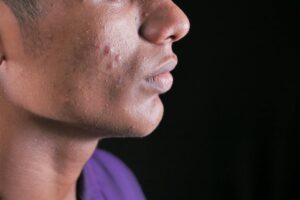
What Causes Acne When Retinoids Stop Working
Retinoids like tretinoin, adapalene, and retinol often clear up acne at first by speeding up skin cell turnover, boosting collagen, and balancing oil production. But after a few months, some people notice pimples returning even if they keep using the product. This happens not because the skin builds true tolerance, but due to common mistakes in how people apply it.
One big reason is inconsistent use. Skipping nights, mixing retinoids with strong exfoliants, or pausing during travel or stress breaks the steady effect needed for long-term changes in skin structure. Retinoids work by binding to receptors in skin cells over time, and gaps prevent that buildup.[1]
Another issue is layering products wrong. Putting retinoid on damp skin, combining it with low-pH vitamin C, or using physical scrubs on top ramps up irritation. This makes skin dry or flaky, so users cut back on frequency or strength, thinking it stopped working. Heavy moisturizers before and after retinoid, called a full sandwich method, can dilute it too much and slow penetration, cutting its power by about three times.[1][2]
Skin changes over time play a role too. Early on, retinoids purge clogged pores fast, clearing active acne. Once that phase ends, skin reaches a calmer state with less drama, but subtle clogs might return if other factors like oily skin or barrier damage kick in. For oily or clog-prone skin, thick creams in sandwiching can trap oil and worsen breakouts.[2]
Using the wrong strength or type matters. Over-the-counter retinol converts slowly to active form in skin, while prescription retinoids like tretinoin act faster. Switching types without guidance or starting too strong leads to irritation that masks real progress.[3]
Irritation from brisk penetration causes dryness and peeling, prompting people to dial back use. A single moisturizer layer with retinoid keeps full strength without much loss, but full sandwiching weakens it on purpose for sensitive skin.[2]
Outside factors add up. Stress, hormones, diet, or poor sun protection undo gains, making acne seem like retinoid failure. Skin needs gentle cleansing, ceramide moisturizers, and daily mineral sunscreen to support retinoid effects without interference.[1]
Sources
https://www.alibaba.com/product-insights/why-did-my-retinol-stop-working-after-3-months-is-tolerance-real-or-am-i-using-it-wrong.html
https://www.westlakedermatology.com/trends/retinol-sandwhich-method/
https://www.youtube.com/shorts/D6qxIR7ALgs