# Why Acne Becomes a Long-Term Condition
Acne is not always a temporary teenage problem. For many people, it persists into adulthood and can last for years without proper treatment. Understanding why acne behaves as a chronic condition helps explain why it requires ongoing management rather than a one-time fix.
The foundation of acne’s stubborn nature lies in how it develops. Acne forms when hair follicles become blocked with oil, dead skin cells, and bacteria. Once this blockage occurs, the body’s inflammatory response kicks in, creating the redness and swelling we see. What makes acne long-term is that these conditions keep repeating. The factors that cause the initial blockage do not disappear on their own, so new breakouts continue to form even after existing ones heal.
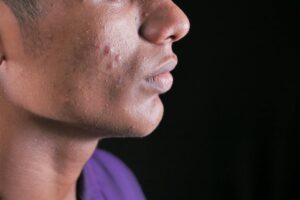
Hormones play a major role in acne’s persistence. Hormonal fluctuations trigger the sebaceous glands to produce excess oil, which increases the likelihood of clogged pores. In adults, hormonal acne commonly appears on the lower face, including the jawline, chin, and lower cheeks. For women, hormonal shifts during menstrual cycles, pregnancy, menopause, and conditions like polycystic ovary syndrome create recurring breakouts. These hormonal patterns repeat monthly or seasonally, which means acne flare-ups become predictable and recurring rather than one-time events.
Genetics also contributes to acne’s long-term nature. If your parents struggled with acne, you are more likely to experience it as well. This genetic predisposition means your skin is naturally more prone to the conditions that cause acne, making it harder to achieve permanent clearance without intervention.
The inflammatory response in acne-prone skin is often overactive. When bacteria multiply inside clogged follicles, the immune system reacts strongly, intensifying symptoms and making breakouts more severe. This heightened inflammatory response does not resolve quickly and can persist for years if the underlying triggers remain unaddressed.
Lifestyle factors create a cycle that keeps acne active. High-glycemic diets, dairy consumption, stress, poor sleep, and heavy sweating all worsen acne. These are daily or regular occurrences in most people’s lives, meaning acne triggers are constantly present. When someone experiences stress or eats certain foods, their skin reacts, creating new breakouts. This cycle repeats regularly, making acne feel like a permanent fixture rather than a temporary issue.
Cystic acne, the most severe form, is particularly long-lasting. Cystic pimples form deep beneath the skin when inflammation penetrates the deeper dermal layers. Because these lesions damage deeper skin structures, they take longer to heal and carry a high risk of scarring. Without professional treatment, cystic acne can persist for months or years.
The challenge of treating acne also contributes to its long-term nature. Many people rely on over-the-counter products that only address surface symptoms rather than root causes. These temporary fixes do not stop the underlying hormonal imbalances, bacterial overgrowth, or inflammatory responses that drive acne. Research shows that 50 percent of patients experience recurring breakouts even after treatment, suggesting that conventional approaches often mask symptoms rather than resolve them.
Gut health and microbiome imbalances are increasingly recognized as factors in persistent acne. Studies indicate that 80 percent of acne patients have gut dysbiosis, an imbalance in gut bacteria. This connection means that acne may reflect deeper internal imbalances that require systemic treatment rather than just topical solutions. Addressing gut health takes time and ongoing effort, which is why acne linked to microbiome issues tends to be chronic.
Stress hormones like cortisol indirectly increase oil production and inflammation, creating a stress-acne cycle. When someone is stressed, their skin breaks out. The breakouts cause emotional stress, which triggers more cortisol release, leading to more breakouts. This feedback loop can persist for years if stress management is not addressed.
Without early intervention, acne can cause scarring that becomes a permanent reminder of the condition. Because cysts damage deeper skin layers, scarring is common with severe acne. Once scarring occurs, it requires specialized treatments to improve, making early treatment crucial for preventing long-term skin damage.
The reason acne becomes a long-term condition ultimately comes down to the fact that its causes are ongoing. Hormones continue to fluctuate, genetics do not change, stress remains part of life, and dietary habits persist. Unless someone actively addresses these root causes through medical treatment, lifestyle changes, and ongoing management, acne will continue to return. This is why dermatologists emphasize that acne requires a personalized, sustained approach rather than a quick fix. Understanding acne as a chronic condition that needs long-term management, rather than a temporary problem, helps people develop realistic expectations and commit to the consistent care their skin requires.
Sources
https://londondermatologyclinics.com/cystic-acne-your-guide-to-causes-and-management/
https://www.medicaldaily.com/hormonal-acne-adults-acne-causes-skin-hormones-explained-474128
https://www.kcnaturopathic.com/acne
https://www.fivensondermatology.com/acne
https://www.woodsidemd.com/post/adult-acne-or-rosacea-why-the-difference-matters-more-than-you-think