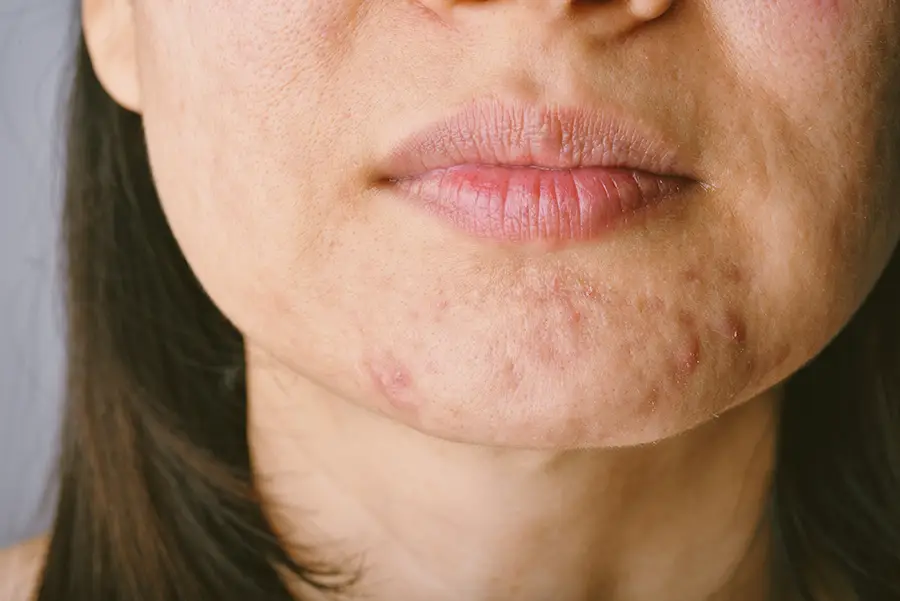
Acne that looks hormonal often shows up as deep, painful cysts or bumps along the jawline, chin, or cheeks. These spots mimic the patterns tied to hormone shifts like puberty or menstrual cycles, but other triggers can create the same appearance without any real hormonal imbalance.
One main cause is diet, especially foods high in sugar or dairy. Items like sodas, pastries, white bread, and milk can spike insulin levels, which ramps up oil production in the skin and clogs pores. This leads to inflamed, cyst-like breakouts that feel just like hormonal ones[1][5][6].
Another culprit is using the wrong skincare or makeup products. Comedogenic items, meaning those that block pores, trap oil and dead skin cells deep under the surface. Heavy makeup or thick moisturizers without checking labels can build up bacteria and cause red, tender lumps similar to hormone-driven acne[1][2][5].
Stress plays a big role too, even if it is not a direct hormone issue in the classic sense. It raises cortisol, which boosts oil glands and sparks inflammation. Breakouts from stress often hit the cheeks, forehead, or chin, looking a lot like monthly cycle flares[1][6][7].
Certain medications or supplements can trigger this look as well. Steroids, some birth control pills, or even whey protein powders increase sebum without underlying hormone disorders. They mimic the deep, persistent pimples of hormonal acne[2][6].
Overwashing or harsh exfoliation irritates the skin barrier. This makes glands produce extra oil to compensate, leading to clogged follicles and painful nodules. It happens without any hormone test showing issues[6].
Genetics set the stage for oilier skin or quicker inflammation, making pores prone to deep blockages. Family history means you might get cystic-looking acne from everyday factors like humidity, sweat, or pollution, not just hormones[1][2][3].
Fungal acne is a key mimic too. Caused by yeast overgrowth, not bacteria or oil like regular acne, it forms small, itchy red bumps on the chest, back, or forehead. These can cluster into deeper-looking spots that do not respond to typical treatments[7].
Lifestyle habits like poor sleep or smoking worsen pore clogging and bacterial growth, creating hormone-like patterns around the lower face[5].
Sources:
https://londondermatologyclinics.com/cystic-acne-your-guide-to-causes-and-management/
https://drparashshrestha.com.np/what-is-acne-causes-symptoms-treatment/
https://www.britannica.com/science/acne
https://www.oreateai.com/blog/understanding-acne-causes-triggers-and-solutions/f88ee5ac12abf0411691321d54966900
https://www.skinrenewal.co.za/acne
https://www.tuftsmedicine.org/about-us/news/acne-over-30
https://www.drbatras.com/skin-diseases/acne/types
https://www.iyasuhealthcare.com/about-2