What Causes Acne From Makeup
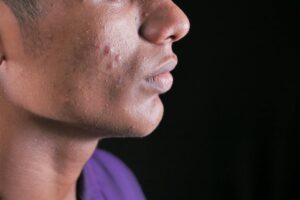
Makeup can lead to acne when its ingredients mix with your skin’s natural oils and dead skin cells, clogging tiny pores on your face. This blockage creates a perfect spot for bacteria to grow, sparking redness, pimples, and irritation.
Pores are like small openings in your skin where hair grows and oil comes out to keep things moist. When you put on makeup without a smooth base like primer, the makeup sinks right into those pores. Foundation and other products settle in deeper, especially if your skin is oily or sweaty. Over time, this traps oil and dirt inside, forming plugs called comedones. Bacteria called C. acnes then multiply without oxygen, causing swelling and breakouts.[1][2]
Heavy layers of makeup make it worse. Thick products block pores more easily, and if you do not clean them off fully at night, the risk jumps for pimples, blackheads, and rough patches. Skipping primer lets makeup touch your skin directly, which oily or acne-prone types handle poorly. Sweat or humidity breaks it down fast, leading to uneven clumps that rub and irritate.[1]
Not all makeup causes this right away. It depends on the formula. Some have oils or waxes that feel greasy and clog fast. Others sit heavy without breathing room for your skin. Hormones can play a part too, pushing your glands to make extra oil that mixes with makeup and worsens clogs.[3]
To cut the risk, pick light, non-comedogenic makeup labeled safe for breakouts. These avoid pore-clogging stuff. Always use a primer to build a barrier. At day’s end, double-cleanse to lift every bit off. Pat dry gently, no harsh scrubbing that strips your skin and invites more trouble.[1][2]
Sources
https://indianexpress.com/article/lifestyle/fashion/this-is-what-happens-when-you-apply-makeup-without-using-a-primer-first-10428768/
https://drsambunting.com/en-us/blogs/sam-bunting/how-to-fix-adult-acne
https://www.pharmacyprime.com/blogs/health-and-advice-guides/acne