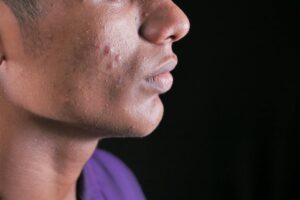
What Causes Acne From Environmental Exposure
Your skin is constantly exposed to the world around you, and that exposure can trigger acne breakouts. Environmental factors like air pollution, humidity, heat, and UV radiation are increasingly recognized as major contributors to acne formation and worsening.
Air pollution is one of the most significant environmental culprits. When pollutants enter your skin, they trigger a process called oxidative stress. This happens when harmful molecules called reactive oxygen species build up in your skin cells. These molecules damage your skin’s natural defenses, including important antioxidants like glutathione and vitamin E. The damage doesn’t stop there – pollutants activate inflammatory pathways in your skin, causing your body to release chemicals that increase inflammation and worsen acne.
Specific pollutants have been linked to acne in multiple ways. Particulate matter, nitrogen dioxide, and compounds called polycyclic aromatic hydrocarbons can overstimulate your sebocytes, which are the cells that produce sebum or skin oil. When these cells become hyperactive, they produce excess oil. At the same time, the pollutants cause the oil to oxidize, which clogs your pores and creates an environment where acne-causing bacteria can thrive. Research from China found that people with higher exposure to particulate matter had significantly more acne lesions and excessive oil production.
Humidity plays a major role in seasonal acne patterns. High humidity levels increase your skin’s oil production, which clogs pores and creates breakouts. When you combine humidity with heat, the problem gets worse because heat causes you to sweat more. Sweat mixes with your skin’s natural oils and bacteria, creating the perfect conditions for pores to become blocked and inflamed.
UV radiation from the sun contributes to acne through oxidative stress as well. Sun exposure depletes your skin’s antioxidant defenses, leaving your skin more vulnerable to damage from other environmental stressors. This is why acne often worsens during summer months when heat, humidity, sweat, and pollution all peak at the same time.
The skin barrier itself becomes compromised by environmental exposure. Your skin has a protective outer layer that keeps harmful substances out and moisture in. When pollutants and UV radiation damage this barrier, your skin becomes more irritated and inflamed. Environmental stressors can also disrupt your skin’s microbiome, which is the community of beneficial bacteria that normally protect your skin.
Understanding these environmental triggers is important because it means you can take steps to protect your skin. While you cannot control all environmental factors, you can minimize exposure by using non-comedogenic sunscreen, cleansing your face regularly to remove pollutants, and using skincare products with antioxidants to support your skin’s natural defenses.
Sources
https://pmc.ncbi.nlm.nih.gov/articles/PMC12732634/
https://www.apollopharmacy.in/blogs/article/9-reasons-for-pimples-on-face
https://www.advanceddermatologypc.com/conditions/acne/
https://academic.oup.com/skinhd/advance-article/doi/10.1093/skinhd/vzaf090/8407371?searchresult=1
https://www.drbatras.com/can-summer-and-heat-cause-acne-breakouts
https://www.pharmacytimes.com/view/the-educated-patient-clearing-up-acne