
Summer acne flares are driven by a straightforward biological chain reaction: rising temperatures and humidity push your sebaceous glands into overdrive, producing excess oil that mixes with sweat, dead skin cells, and bacteria to form a pore-clogging layer that breeds breakouts. According to a peer-reviewed study published in the *Journal of Dermatological Science* (PubMed ID 30238598), both temperature and humidity play a contributing role in the pathogenesis of acne, with aggravation more common during summer and rainy seasons in tropical settings. So if your skin seems to rebel every June through August, there is a concrete physiological explanation — not just bad luck.
But heat-triggered sebum is only part of the story. Lifestyle shifts that come with warmer months — heavier sunscreen use, tighter workout gear, more time in chlorinated pools, and the temptation to wash your face five times a day — all compound the problem in ways most people do not anticipate. This article breaks down the biological mechanisms behind summer acne, identifies which body areas are most vulnerable and why, and walks through the specific product and habit changes dermatologists actually recommend to keep breakouts under control when the temperature climbs.
Table of Contents
- Why Does Summer Heat Trigger More Acne Breakouts?
- Sweat, Oil, and the Myth That Sweating Causes Acne
- Body Acne Hotspots and Why Summer Makes Them Worse
- How to Choose Summer Skincare Products Without Clogging Pores
- Over-Washing and Other Summer Skincare Mistakes That Backfire
- Chlorine, UV Exposure, and Other Environmental Triggers
- When to Seek Professional Treatment for Summer Acne
- Conclusion
- Frequently Asked Questions
Why Does Summer Heat Trigger More Acne Breakouts?
The core mechanism is sebum overproduction. Sebaceous glands are temperature-sensitive, and when the air heats up, they respond by secreting more oil. According to dermatologists at Schweiger Dermatology and the Cleveland Clinic, this excess sebum combines with sweat, dead skin cells, and environmental dirt to form a sticky film over the skin. That film acts like a seal over your pores, trapping Cutibacterium acnes (the primary acne-causing bacterium) inside, where it multiplies and triggers inflammation.
Someone who manages their acne well during cooler months can suddenly find themselves dealing with a fresh crop of papules and pustules simply because the ambient temperature rose fifteen degrees. There is also a hormonal dimension that often goes unmentioned. Exposure to sustained high temperatures can subtly shift hormonal balance, which further ramps up sebum output. CK Birla Hospital dermatologists note that this is why people who travel from temperate to tropical climates often experience sudden breakouts within days — their skin has not acclimatized, and the hormonal nudge from heat tips an already oil-prone system over the edge. Compare this to winter, when cold air and low humidity tend to slow sebaceous activity, and the seasonal contrast becomes obvious.

Sweat, Oil, and the Myth That Sweating Causes Acne
A common misconception worth correcting: sweat itself does not cause acne. Sweat is mostly water and salt, and on its own, it is not comedogenic. The Cleveland Clinic is clear on this distinction — the problem arises when sweat sits on the skin and mixes with oil, dead cells, and bacteria. That cocktail clogs pores and creates an inflammatory response. The practical difference matters because it changes how you should respond.
Frantically toweling off every drop of perspiration is less important than preventing the sweat-oil mixture from lingering. However, if you let sweat dry on your skin repeatedly without cleansing — say, running errands after a workout without showering — the residue accumulates and the clogging effect intensifies with each layer. This is especially relevant for people who exercise outdoors in summer. A thirty-minute run in July produces far more sweat than the same run in October, and if you are wearing a hat or headband, the friction and trapped moisture along your forehead and hairline create ideal conditions for a breakout. The lesson is not to avoid sweating but to manage the aftermath.
Body Acne Hotspots and Why Summer Makes Them Worse
Summer breakouts are not limited to the face. The back, chest, and shoulders are particularly prone to warm-weather acne because these areas contain a higher concentration of sebaceous glands. According to SLMD Skincare and Seacoast Dermatology, these zones produce more oil at baseline, and the added stimulus of heat and humidity can turn a manageable level of oiliness into full-blown breakouts. On the face, the forehead, jawline, and cheeks are the primary targets, largely because of sweat and oil buildup combined with friction from hats, sunglasses, or sweatbands. Consider someone who picks up a summer cycling habit. They are wearing a helmet that presses against the forehead and traps heat, a synthetic jersey that clings to the back and chest, and padded shorts that create friction along the waistline.
Each of these contact points is a candidate for acne mechanica — a form of acne caused by sustained friction and pressure combined with sweat and oil. Pine Belt Dermatology and SLMD Skincare flag this as one of the most underrecognized causes of summer body acne. Switching to moisture-wicking fabrics helps somewhat, but the real fix is showering immediately after activity and avoiding prolonged time in tight gear. There is also the issue of fungal acne, which thrives in hot and humid conditions. Data from a Philippine clinic study found that 16 percent of all patient visits were related to fungal acne, underscoring how prevalent it is in warm climates. Fungal acne looks similar to traditional acne — small, uniform bumps, often itchy — but it does not respond to standard acne treatments. If your summer breakouts resist benzoyl peroxide and salicylic acid, fungal acne is worth considering, and a dermatologist can distinguish between the two.
How to Choose Summer Skincare Products Without Clogging Pores
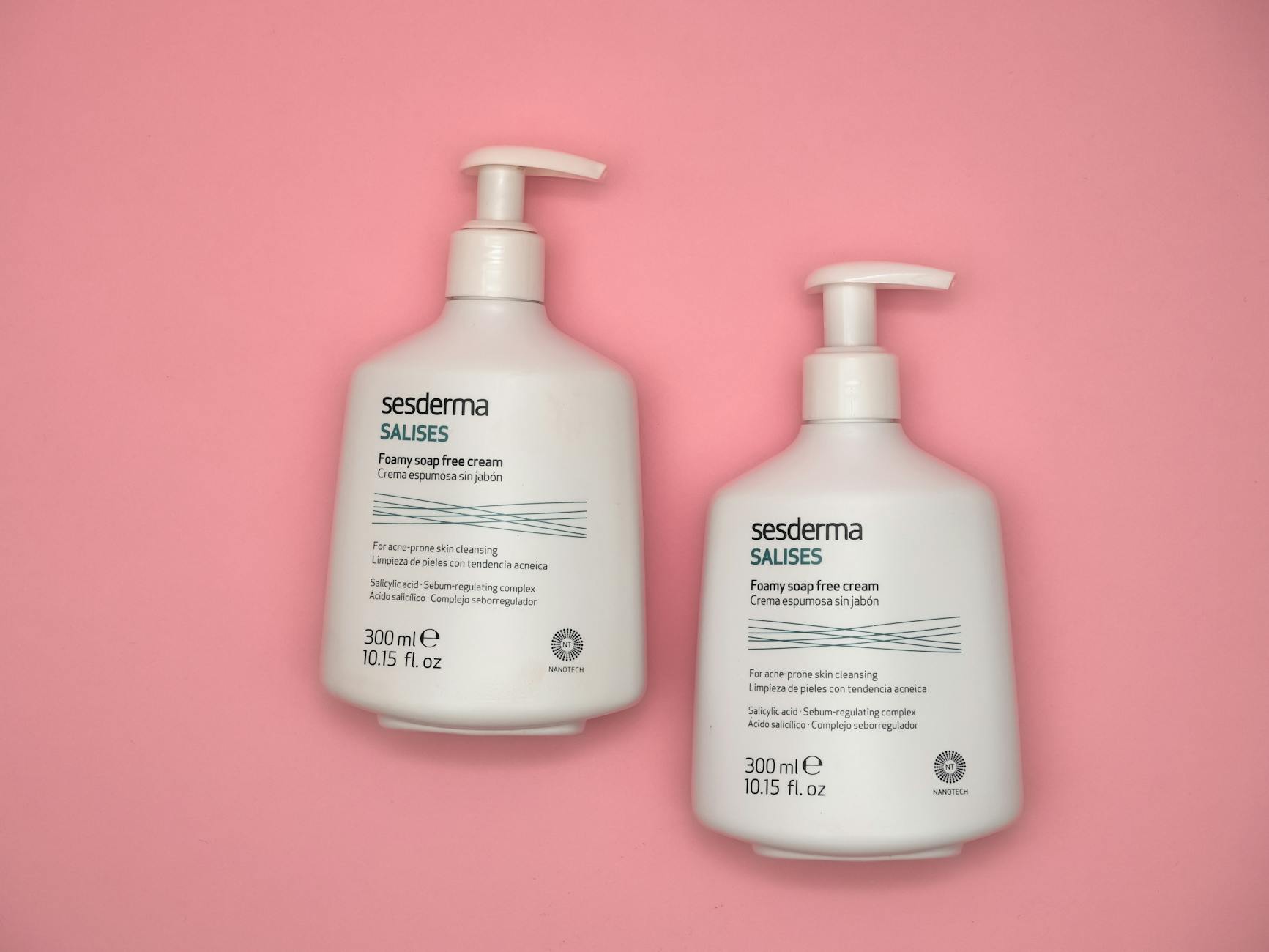
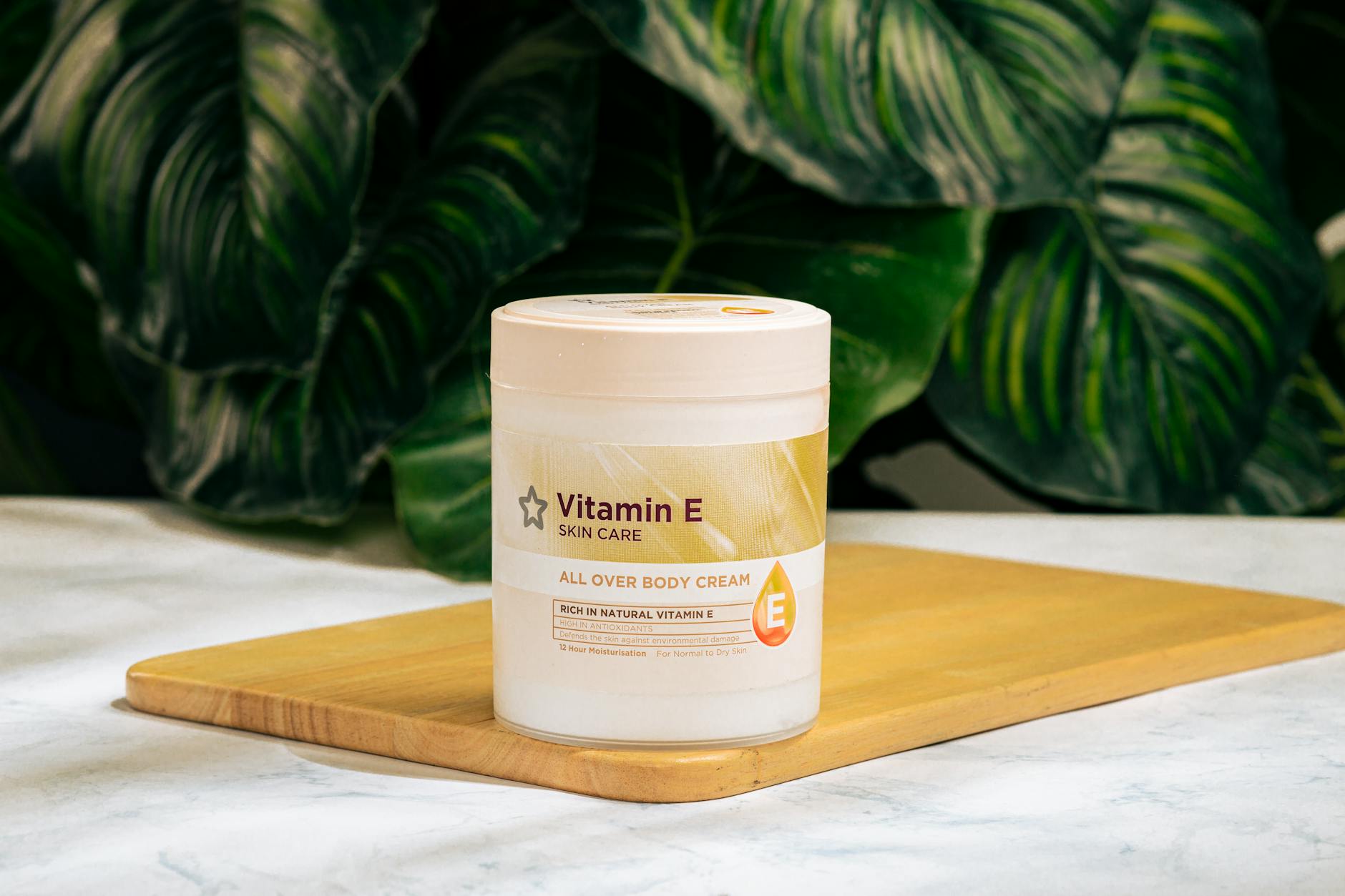
The products that work in winter can backfire in summer. Heavy moisturizers and thick sunscreens that felt comfortable in dry, cold air become pore-clogging liabilities when the humidity rises. Dermatologists at Schweiger Dermatology and Seacoast Dermatology advise switching to lightweight, water-based moisturizers and non-comedogenic products as temperatures climb. The tradeoff is that water-based formulas may not feel as hydrating, but in humid conditions, your skin needs less moisture replacement from products because the air itself provides hydration. Sunscreen is the trickiest product to get right.
You cannot skip it — UV exposure itself contributes to skin irritation and can worsen post-inflammatory hyperpigmentation from acne. But thick, greasy SPF formulas trap heat and sweat against the skin, compounding breakouts. Illinois Dermatology and Seacoast Dermatology recommend oil-free, mineral-based sunscreens containing zinc oxide or titanium dioxide. These sit on top of the skin rather than absorbing into it, and they tend to be less comedogenic than chemical sunscreens. The downside is that mineral sunscreens can leave a white cast, particularly on darker skin tones, so finding one with a cosmetically elegant formula may take some trial and error.
Over-Washing and Other Summer Skincare Mistakes That Backfire
When your face feels oily and grimy by mid-afternoon, the instinct is to wash it again. And again. This is one of the most counterproductive habits in summer skincare. Dermatologists at Nolla Health and Schlesinger MD warn that over-washing strips the skin’s natural lipid barrier, which triggers a rebound effect — your sebaceous glands interpret the dryness as a signal to produce even more oil. The result is oilier skin and more breakouts than if you had done nothing.
The recommendation is straightforward: cleanse gently twice a day, morning and evening, and use a mild, non-stripping cleanser. A related mistake is layering too many active ingredients in an attempt to combat summer oiliness. Combining a salicylic acid cleanser with a retinoid serum, a glycolic acid toner, and a benzoyl peroxide spot treatment might sound thorough, but it often produces irritation, barrier damage, and paradoxically more breakouts. This is especially true in summer, when UV sensitivity from these actives increases and the compromised barrier makes skin more reactive to heat and sweat. If you are using prescription retinoids, discuss summer adjustments with your dermatologist rather than stacking additional products on top.
Chlorine, UV Exposure, and Other Environmental Triggers
Pool time is a summer staple, but chlorine is not kind to acne-prone skin. Schweiger Dermatology notes that extended exposure to chlorinated water strips moisture from the skin and disrupts its protective barrier, making it more susceptible to irritation and breakouts. Someone who swims laps three times a week in summer may notice a pattern of breakouts on the chin and jawline — areas submerged in pool water during certain strokes — that clears up when pool season ends.
Rinsing off immediately after swimming and applying a lightweight, non-comedogenic moisturizer can mitigate the damage, but the irritation risk remains for those with sensitive or already-inflamed skin. UV exposure compounds the problem by increasing inflammation and post-acne discoloration. While a tan can temporarily mask redness, it does not treat the underlying acne and often leads to a rebound breakout once the tan fades and clogged pores become apparent.
When to Seek Professional Treatment for Summer Acne
For many people, adjusting products and habits is enough to manage seasonal flare-ups. But if over-the-counter treatments — benzoyl peroxide, salicylic acid, adapalene — are not making a dent after six to eight weeks of consistent use, it is worth seeing a dermatologist.
Illinois Dermatology notes that professional options for persistent summer acne include chemical peels, laser therapy, and prescription topical or oral medications, including antibiotics or hormonal treatments for those with a hormonal component to their breakouts. The trend in dermatology is toward personalized, climate-aware treatment plans. As average summer temperatures continue to rise in many regions, dermatologists are increasingly factoring environmental conditions into their recommendations — adjusting medication timing, product formulations, and treatment intensity based on seasonal patterns rather than prescribing a single year-round protocol.
Conclusion
Summer acne flares are the result of biology and environment colliding: heat drives sebum production, humidity traps that oil against the skin, and common summer activities — from outdoor workouts to pool sessions — introduce friction, bacteria, and chemical irritants into the mix. The most effective countermeasures are also the simplest: switch to lightweight, non-comedogenic products when temperatures rise, shower promptly after sweating, choose breathable fabrics, and resist the urge to over-wash.
If your breakouts persist despite these adjustments, or if you suspect fungal acne rather than traditional acne vulgaris, a dermatologist visit is the logical next step. Summer acne is common, well-understood, and treatable — but it does require a different approach than winter skincare, and the sooner you make that seasonal shift, the fewer flare-ups you will have to manage.
Frequently Asked Questions
Does sweating cause acne?
Not directly. Sweat itself is not comedogenic, but when it mixes with oil, dead skin cells, and bacteria and sits on the skin, it clogs pores and triggers breakouts. The key is not avoiding sweat but cleaning it off promptly.
Why does my back break out more in summer?
The back, chest, and shoulders have a higher concentration of sebaceous glands than most other body areas. Summer heat increases oil output from these glands, and tight clothing or workout gear traps that oil against the skin, creating ideal conditions for body acne.
Can sunscreen cause acne?
Yes, if you are using thick, oil-based formulas. Dermatologists recommend switching to oil-free, mineral-based sunscreens with zinc oxide or titanium dioxide during summer to reduce pore clogging while still protecting against UV damage.
How often should I wash my face in summer?
Twice daily with a gentle cleanser. Washing more frequently strips natural oils and triggers rebound sebum production, which makes oiliness and breakouts worse.
What is the difference between fungal acne and regular acne?
Fungal acne is caused by yeast overgrowth rather than bacteria and appears as small, uniform, often itchy bumps. It is more common in hot, humid climates and does not respond to standard acne treatments like benzoyl peroxide. A dermatologist can diagnose it and recommend antifungal treatment.
Should I stop using retinoids in summer?
Not necessarily, but you may need to adjust frequency or concentration because retinoids increase UV sensitivity. Discuss a summer-specific plan with your dermatologist rather than stopping or adding products on your own.